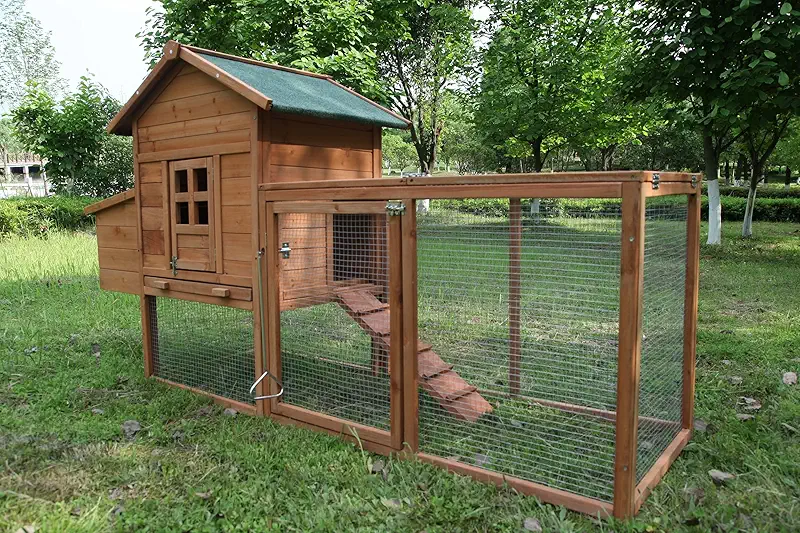
When folks ask me how to start with laying hens, my first question back is,
“How serious are you about eggs?” If you’re thinking a steady stream of breakfast
for the family and maybe a few dozen for friends or neighbors, a
10x12 chicken coop is right in that sweet spot.
Big enough to breathe, small enough to manage without turning your weekends into a construction project.
I’ve tried everything: tiny little hutches, big walk‑in barns, mobile tractors, you name it.
The setups that gave me the best balance of egg production, flock health, and my own sanity
almost always hovered around this 10x12 footprint. The birds have room to move,
but they still snuggle up nice and warm when the temperature drops. Kind of like a family living room
on a cold Sunday morning.
Now, don’t let the size scare you. A well‑designed 10x12 coop doesn’t have to be fancy or expensive.
It just needs to be solid, dry, easy to clean, and safe from anything that thinks “chicken” is a snack.
That’s the mindset I’d like you to have while you’re looking at different models and ideas.
Why A 10x12 Chicken Coop Works So Well
On my place, a 10x12 has proven itself over and over again. It’s big enough to handle a flock
that actually puts a dent in the feed bill, but not so big that you’re lost in there with a shovel and a sore back.
For laying hens, I like to give at least 4 square feet per bird inside the coop
if they have a run, and more if they’re mostly confined. A 10x12 coop gives you about 120 square feet.
That means, in real life terms:
- Comfortable for around 20–25 hens with a proper outdoor run.
- Plenty of wall space for roosts, nest boxes, and feeders.
- Enough floor room so hens aren’t bumping into each other every step.
- Room for you to walk in, turn around, and clean without swearing (too much).
The magic is in that balance. Too small, and the birds get cranky and start picking feathers.
Too big, and you’re paying to heat and bed space that no bird ever uses.
A well‑planned 10x12 chicken coop lands right in that practical middle.
Farmer insight
My most productive flock ever was 22 hens in a 10x12 coop with a fenced run.
They laid so steady my wife joked we should start an “egg subscription.”
Give hens space, light, and dry bedding, and they’ll do their job better than most employees.
I want that setup
Key Features To Look For In A 10x12 Chicken Coop
Not every 10x12 coop is created equal. I’ve seen some that were palaces
and some that were basically leaky sheds with a chicken on the brochure.
Here’s what I look for before I trust any coop with my hens.

1. Solid Roof And Dry Floor
Hens hate drafts and damp more than they hate the neighbor’s dog.
A 10x12 coop needs a tight roof, good overhangs, and a floor that stays dry.
- Metal or shingle roof with decent pitch.
- Drip edges so rain doesn’t run down the walls.
- Floor raised off the ground or set on blocks or a slab.
I once tried to “get by” with a cheap flat‑roof design. That coop turned into a leaky mess,
and my hens let me know what they thought of it by cutting egg production in half.

2. Ventilation Without Drafts
Chickens breathe out moisture all night long. In a tight 10x12 space,
that can turn to frost on the combs in winter if you don’t vent it right.
- High vents near the roof line to let warm, moist air out.
- Windows that can open, covered with hardware cloth.
- Air movement above roost level, not blowing on the birds.
Think “fresh barn smell,” not “wind tunnel.” You should notice fresh air
when you step inside, but no breeze on your neck when you stand by the roosts.

3. Roomy Roosts And Nest Boxes
In a 10x12 coop, you’ve got the luxury of space. Use it. Give your birds a proper bedroom and nursery.
- At least 8–10 inches of roost space per bird.
- Roosts higher than the nest boxes, so they sleep where they should.
- One nest box for every 3–4 hens, about 12x12 inches each.
I like my nests about hip‑high so I’m not bending like a pretzel to collect eggs at sunrise.
How Many Hens Fit In A 10x12 Chicken Coop?
This is the big question I get from neighbors who stop by when they see another batch of pullets in my truck.
The honest answer: it depends on your setup and how much time they spend inside.
If you’ve got a good‑sized outdoor run or you let them free‑range during the day,
a 10x12 chicken coop can comfortably handle:
- 16–20 hens for a roomy, low‑stress setup.
- Up to around 25 hens if they’re outside a lot and you manage it well.
If they’ll be cooped up more (harsh winters, predators, or tight space), I’d lean toward the lower end.
More space per bird almost always pays you back in eggs and fewer health problems.
I once pushed a 10x12 coop up to 28 hens during a busy season.
They laid fine, but I could feel the tension rise—more squabbles at the feeder,
more pecking order drama. As soon as I moved a half‑dozen to another coop, everyone calmed down.
The lesson stuck with me: just because you can fit them in doesn’t mean you should.
Rule of thumb from the farm:
If you step into your 10x12 coop and it feels crowded to you, it’s definitely crowded to them.
Give them a little breathing room and they’ll thank you with full egg baskets.
I’ll check space ideas
Designing The Inside Of Your 10x12 Chicken Coop
Think of the coop as a tiny barn. Everything has its place, and every extra step you walk each day
adds up over a year. Here’s how I like to lay out a 10x12.
Roost Placement
I run my roosts along the back 10‑foot wall, staggered at different heights like bleachers.
That way the birds all get a good spot, and nobody has to stand on the floor like the kid who came late to the movie.
- Use 2x4s with the wide side up so their feet stay warm.
- Keep the top roost 18–24 inches below the ceiling.
- Leave space to walk behind or in front for cleaning.
Nest Box Wall
I like my nest boxes lined up on one of the 12‑foot sides, near the door if possible.
That way I can step in, grab eggs, and step out without doing laps.
Hens like nests that feel private but not buried in the dark. A 10x12 coop gives you room
to add a little curtain or shield while still keeping light in the rest of the space.
Feeders, Water, And “Chicken Traffic”
One thing folks forget is chicken traffic. In a 10x12 chicken coop,
you’ll have birds moving from door to feeder, feeder to water, water to roosts.
If you put everything in a straight line, you’ll have feathered traffic jams.
- Keep feeders away from doors so feed doesn’t spill outside.
- Hang waterers low enough for hens but high enough to keep shavings out.
- Leave a clear path from door to roosts so you’re not tripping over equipment.
I learned the hard way that putting the water right by the entrance just meant
muddy boots and spilled buckets every time I stepped in on a winter morning.

Setting Up A Run For Your 10x12 Coop
A good run makes a good coop even better. With a 10x12 shelter, I like a run that’s at least 2–3 times as big.
More if you can manage it.
- Use hardware cloth down low where predators test the fence.
- Bury the wire 8–12 inches or bend it outward as a skirt.
- Add a bit of shade and maybe a dust‑bath corner.
Give hens a dry spot to scratch and they’ll stay out of your garden… most of the time.
No promises about the tomatoes.

Predator‑Proofing Your 10x12 Chicken Coop
Out here we say, “If it eats meat, it likes chicken.” Raccoons, foxes, coyotes, hawks,
even the neighbor’s dog—they all test the coop sooner or later.
- Use hardware cloth instead of chicken wire for openings.
- Latch every door; raccoons are better at puzzles than some people I know.
- Check for gaps bigger than a quarter and seal them.
A strong 10x12 coop with tight doors and solid wire turns those night visitors into disappointed tourists.
Daily Care Inside A 10x12 Chicken Coop
Once your coop is set up, the real test is how it feels on a Tuesday in January when it’s still dark,
your coffee’s half gone, and you’re out there in your boots. A well‑planned 10x12 chicken coop
makes those chores quick and almost peaceful.
In my own coop, I can step inside, shut the door behind me, check water and feed, collect eggs,
give the birds a once‑over, and be back in the house before the toast pops.
That’s what you’re aiming for—simple, steady routines.

One little trick: lay your bedding deep and stir it often. In a 10x12 space,
the “deep litter” method works well if you do it right. The hens scratch, you stir now and then,
and the coop stays surprisingly fresh. Just don’t let it get damp, or it turns from “deep litter” into “deep trouble.”
How A 10x12 Chicken Coop Helps Egg Production
Stress is the enemy of eggs. A cramped, drafty, or spooky coop will show up in your egg basket long
before you notice it anywhere else. That’s another reason I like this size.
In a 10x12, the birds can spread out at the feeder, find a quiet corner, and settle onto the roosts without jostling.
There’s room for a couple of timid hens to hide from the bossy ones.
When the flock is calm, they eat better, sleep better, and lay better.
I’ve had older hens that had slowed way down surprise me when I moved them into a nicer,
roomier coop. Sometimes all they needed was less hustle and more peace.
A good 10x12 chicken coop gives that sense of peace in a very practical way.
FAQs About 10x12 Chicken Coops
1. Is a 10x12 chicken coop big enough for 20 laying hens?
Yes, for most backyard setups it’s a very comfortable size for around 16–20 hens,
especially if they have a decent outdoor run. I’d keep it closer to 16 if they’re inside a lot during winter,
and closer to 20–22 if they’re out roaming most days. What you want is room for every hen to roost, eat,
and move without bumping shoulders all day.
2. Does a 10x12 chicken coop need insulation?
It depends on your climate. Here in the States, most laying breeds handle cold better than heat.
I focus first on blocking drafts at bird level and making sure there’s good, controlled ventilation up high.
In very cold areas, light insulation in the walls and roof can help,
but don’t seal it so tight that moisture can’t escape. Dry birds are warm birds.
3. Can I keep a rooster in a 10x12 chicken coop with my hens?
You sure can. I’ve kept one rooster with 15–20 hens in a 10x12 coop without any trouble.
Just remember, the rooster needs space too, and some boys are louder and rougher than others.
If he starts acting like the town bully, you might need to pen him separately or thin the flock a bit.
4. How often should I clean a 10x12 chicken coop?
I do little jobs often and big jobs once in a while.
Daily or at least a few times a week, I scrape droppings off the roost boards and check bedding.
Every few weeks I stir and top up the litter. A few times a year, I do a full clean‑out with fresh shavings.
If you walk in and smell strong ammonia, that’s your nose telling you it’s time to clean.
5. Should I build my own 10x12 chicken coop or get a kit?
I’ve done both. Building from scratch is great if you enjoy carpentry and already have tools sitting around.
If not, a good 10x12 kit or ready‑to‑assemble coop can save you a lot of time and guesswork.
Just look closely at the materials and design—solid framing, real hardware cloth, and a layout that makes sense
for roosts, nests, and doors. Once it’s standing, the hens don’t care who swung the hammer.
If you treat your coop like a small barn and your hens like working partners,
a 10x12 space can serve you well for many years. Set it up right once, and every egg afterward
feels like a quiet little “thank you” from the flock.
Show me all coops