
12 chicken coop
12 Chicken Coop: simple, safe and steady eggs all year long
I have raised laying hens for more than thirty years out here in the Midwest. A good 12 chicken coop has been the sweet spot on my farm: big enough for happy birds, small enough to manage on a busy week. Let me walk you through what really matters when you set up housing for a dozen hens.
I’ll look around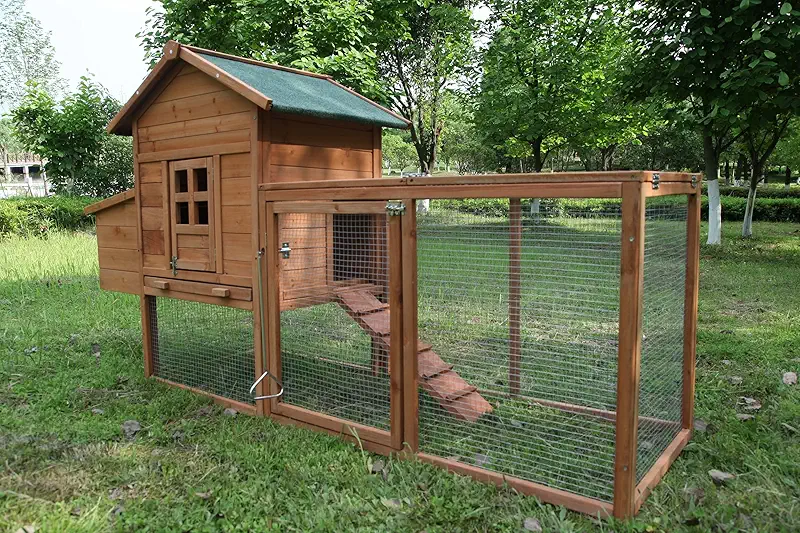
Why a 12 chicken coop is the “just right” size
I have tried tiny coops, big walk‑in barns, and just about everything between. Over time I found that a solid 12 chicken coop is a sweet middle ground for a family flock. It gives enough room for the hens to move, stretch, and stay calm, but it is still small enough that you can clean it in under an hour and check every corner without crawling on your knees.
A dozen good hens will keep an average family in eggs with some left over for the neighbors. Around here, twelve hens usually lay six to ten eggs a day once they are in their groove. That is a lot of omelets for something that only asks for some feed, water, and a dry place to sleep.
The first time I set up a 12 chicken coop, I thought, “This is plenty of space, I can always add a few more.” That, my friend, is the farmer’s famous last sentence. Crowding is a slow problem. It sneaks up on you. The birds get a little louder, a little bossier, and before you know it you are treating pecked combs. So when a coop says it fits 12 hens, I treat that as the real number, not a starting point.
Plan your 12 chicken coop around the birds you really want, not the maximum number the box claims. The marketing guy does not have to listen to squabbling hens at 5 a.m. You do.
Space and layout: how much room do 12 hens really need?
Folks argue a lot about square footage. I will tell you what has worked on my farm through hot summers and icy winters.
Indoor space for a 12 chicken coop
I like at least 4 square feet per bird inside the coop. For 12 hens, that means about 48 square feet. Something like 6×8 feet or 5×10 feet works just fine. More space is always welcome if you have it.
- Dry floor, easy to rake or shovel.
- Room to walk in and stand up straight.
- Clear path between the door, roosts, and nests.
I once tried to “save space” with a shorter, low‑roofed coop. Letʼs just say the hens enjoyed watching me crawl around more than I enjoyed cleaning it. A walk‑in layout turns chores from a pain into a quick stop on your way to the coffee pot.
Run and outdoor space
If your 12 chicken coop has an attached run, I aim for 8–10 square feet per hen outside. That means 96–120 square feet of run. You can split that into long and narrow if your yard is tight.
The more outdoor space you give them, the calmer they will be. Chickens are like kids: if they can burn off energy during the day, they sleep better at night and squabble less.
Must‑have features for a solid 12 chicken coop
There are a lot of fancy add‑ons out there, but the core of a good 12 chicken coop is simple: keep them dry, safe, ventilated, and comfortable.
1. Roosts the hens actually like
Chickens sleep up off the ground. For a dozen layers, I like 8–10 inches of roost space per bird. That gives them room to settle in without shoving. A rounded 2×4 board laid flat works well; keeps their toes warm in winter.
The first roost I built was too skinny, like a broom handle. The hens would hop up, wobble like a tightrope walker, then flap down again. Once I switched to wider boards, they lined up every night like kids on a church pew.
2. Nesting boxes that stay clean
For 12 hens, you do not need 12 boxes. Three or four nests is plenty. They will all argue over the same favorite one anyway. I like boxes about 12×12×12 inches, set a little lower than the roosts so they sleep on the roost, not in the nests.
A good trick is to put a small lip on the front of the nests so bedding stays in place. Straw or shavings work fine; I like to tuck a handful of fresh herbs in there during summer just for the smell. The hens seem to like it, and it makes egg collecting feel like opening a little treasure box.
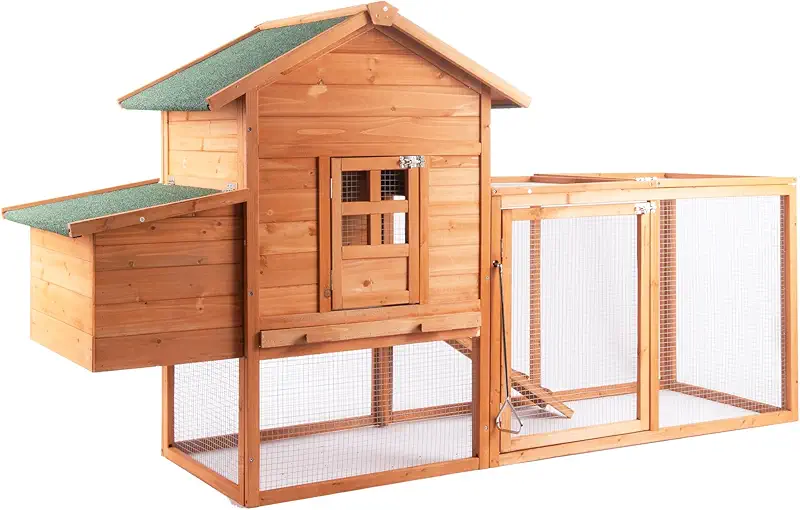
3. Ventilation: air without drafts
Good airflow is the quiet hero of a 12 chicken coop. You want moisture, ammonia, and summer heat to escape, but you do not want icy winter drafts blasting across the roost.
- Vents up high under the eaves on at least two walls.
- Hardware cloth over every vent, never plain screen.
- A window you can crack open on warm days.
If I open the coop in the morning and my eyes burn from ammonia, I know I need more ventilation or deeper bedding. If it smells like dry wood and a little chicken dust, we are in good shape.
Predator protection for your 12 chicken coop
I tell folks this all the time: build for the predator you have not seen yet. On my place we have raccoons, foxes, neighborhood dogs, hawks, and an occasional weasel. They all look at my 12 chicken coop like a little breakfast café.
Stronger wire, fewer worries
For a 12 chicken coop run, I use hardware cloth, not chicken wire. Chicken wire is fine to keep chickens in, but not to keep hungry things out.
- Use 1/2" hardware cloth on openings and lower walls.
- Attach it with screws and washers or heavy staples.
- Bury it 8–12 inches down or bend it out in an apron to stop digging.
One summer a raccoon family hit my coop three nights in a row, trying different corners each time. They never got in, but the scratched dirt told the story. That hardware cloth was worth every penny.

Doors and latches
Raccoons have nimble fingers. If a toddler can open the latch, a raccoon probably can too. I like double‑step latches or carabiners clipped through a hasp.
- Secure the pop door from the outside run into the coop.
- Secure the main human door so it cannot blow open.
- Check the hinges twice a year for sagging.
One windy night a loose latch let my coop door swing open. I found my hens on the roost in the morning, but there were fox tracks all over the yard. That was a cheap warning. I fixed every latch that afternoon.
Daily life with a 12 chicken coop: routine that actually sticks
A coop is only as good as the chores you can keep up with. A 12 chicken coop keeps the work in the “easy to handle” range. Here is how my usual day looks with a dozen layers.
Morning
- Open the pop door and let the girls out.
- Check water level and dump any ice in winter.
- Top off feed and throw a small scratch treat.
- Quick glance at the birds: bright eyes, clean vents, normal walking.
Evening
- Count hens on the roost – twelve in, none missing.
- Close and latch the pop door and run gate.
- Collect eggs if I did not catch them earlier.
With a well laid‑out 12 chicken coop, that whole routine takes ten to fifteen minutes most days. More time in the garden, less time wrestling a frozen water bucket.

I deep‑clean my 12 chicken coop about four times a year and freshen bedding as needed. Small, steady chores beat big, miserable cleaning days every time.
Keeping 12 hens laying strong: feed, water, and comfort
Good housing is half the story. The other half is what goes into your hens and how comfortable they feel in that 12 chicken coop.
Feed for strong shells and steady eggs
For a dozen layers I keep layer feed set out free‑choice. Hens eat what they need when they need it. During peak laying, twelve hens will go through roughly 25–30 pounds of feed a week, give or take.
- Feed made for layers, around 16% protein.
- Free‑choice oyster shell for calcium.
- Kitchen scraps in moderation, not as the main meal.
When I first started, I spoiled my hens with too many treats. They loved it, but the egg shells told on me. Thin shells and odd shapes. Once I cut back and focused on a solid base feed, the shells firmed up again.
Water: boring but vital
I have lost more egg production from poor water than from anything else. Hens drink a surprising amount, especially in summer. In winter, the fight is keeping it unfrozen.
- One or two waterers inside or near the 12 chicken coop.
- Fresh, clean water every day.
- Shade for outdoor waterers in hot weather.

Comfort: less stress, more eggs
Stress is the enemy of egg production. Loud noises, rough handling, too much heat or cold, and overcrowding will all slow those eggs down. A calm, steady routine inside a comfortable 12 chicken coop is your best “secret trick.”
I like to keep my coop fairly quiet. I move slowly, talk to the hens as I work, and try not to slam doors. Might sound silly, but it sets the tone. A hen that is not spooked at every shadow lays better and stays healthier.
Year‑round care: making your 12 chicken coop work in every season
Out here, we see hot summers and winters that freeze your nose hairs. A good 12 chicken coop can handle both with just a few adjustments.
Summer: beating the heat
- Open vents and windows wide, but keep the wire secure.
- Provide shade over part of the run.
- Keep water in the shade and refill often.
On the hottest days I toss a frozen water bottle in the waterer, like giving the hens iced tea. They seem to appreciate it.

Winter: dry beats warm
- Keep the coop dry, even if it feels cool.
- Block direct drafts at roost height.
- Use deep bedding to hold warmth.
I do not chase “shirt‑sleeve warm” inside my 12 chicken coop. Dry air, no drafts on the roost, and full bellies do more for winter health than most heaters. Frostbite comes more from dampness and drafts than from plain cold.

Common mistakes with a 12 chicken coop (and how to dodge them)
Over the years I have made most of the mistakes you can make. Here are the big ones I see with new 12 chicken coop setups.
Trying to squeeze in “just a few more” hens
The number twelve should mean twelve. When you slide up to fifteen or sixteen, little problems start to stack up:
- Pecking and bullying on the roost.
- Dirty nests with broken eggs.
- Stronger ammonia smell and damp bedding.
If you know you want more birds, plan for a bigger coop from the start. It is easier than building a second one when things get crowded.
Skipping maintenance on small problems
A loose hinge, a bit of sagging roof, a soft spot in the floor – I have learned not to ignore those. On a windy night, little weaknesses turn into big headaches.
I keep a small bucket with screws, washers, a screwdriver, and a bit of wire by the coop. If I spot something starting to fail, I fix it right then. Five minutes today beats a busted door and a loose flock tomorrow.

12 chicken coop – Frequently asked questions
When you are ready to give your hens a safe, steady home, take a slow look through the different 12 chicken coop styles and see what fits your yard and your routine.
I want to see more