
1/2 inch hardware cloth for chicken coop
1/2 Inch Hardware Cloth For Chicken Coop
Out here on the farm, a good roll of 1/2 inch hardware cloth has saved my hens more times than I can count. Let me walk you through how to use it so your flock sleeps as calmly as mine does.
If you care about your egg layers, don’t trust thin wire or cheap fencing. Predators test every weak spot. Raccoons, weasels, rats, even the neighbor’s dog – they all love a free chicken dinner. That’s why I wrap my coops and runs in strong 1/2 inch hardware cloth from the ground up.
The right mesh keeps beaks safe, feet safe, and eggs coming, without turning your coop into a dark bunker. Done right, your hens still get fresh air and sunshine, while claws and teeth stay on the outside where they belong.
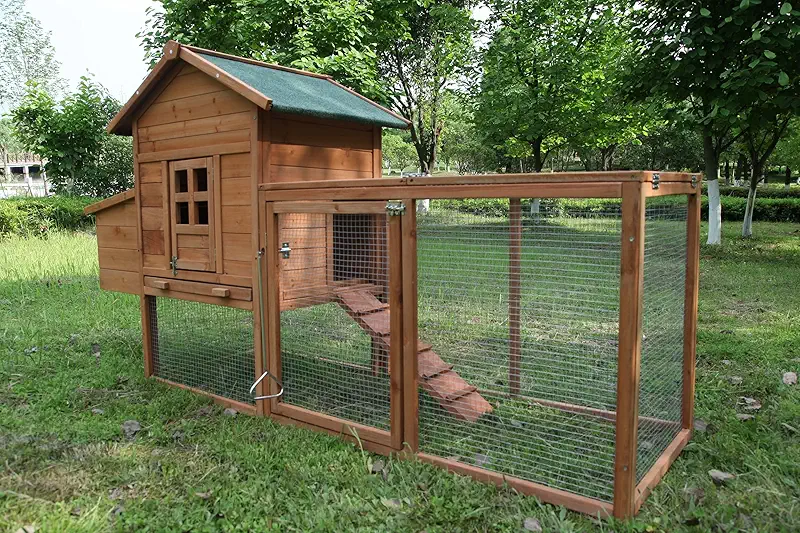
Why 1/2 Inch Hardware Cloth Matters For Your Hens
I’ve raised laying hens for decades, through bad winters, hot summers, and more predators than I’d like to remember. I’ve tried chicken wire, snow fencing, old pallets – you name it. The only thing that’s truly held up year after year is solid 1/2 inch hardware cloth.
Chicken wire is fine for keeping chickens in, but it’s lousy at keeping anything out. Raccoons can reach right through it. Weasels and rats can squeeze through bigger openings. I learned that the hard way when I lost three of my best layers in a single night. After that, I switched every weak spot to 1/2 inch hardware cloth and never looked back.
- 1/2 inch openings keep out most predators’ paws and snouts.
- Sturdy wire gauge stands up to chewing and clawing.
- Small enough to stop rodents from stealing feed and eggs.
- Lets in plenty of light and fresh air for healthy hens.
One old raccoon used to patrol my back fence every night, checking for gaps like he owned the place. After I wrapped the run in 1/2 inch hardware cloth, he still came by, but he left with an empty belly and a very confused look.
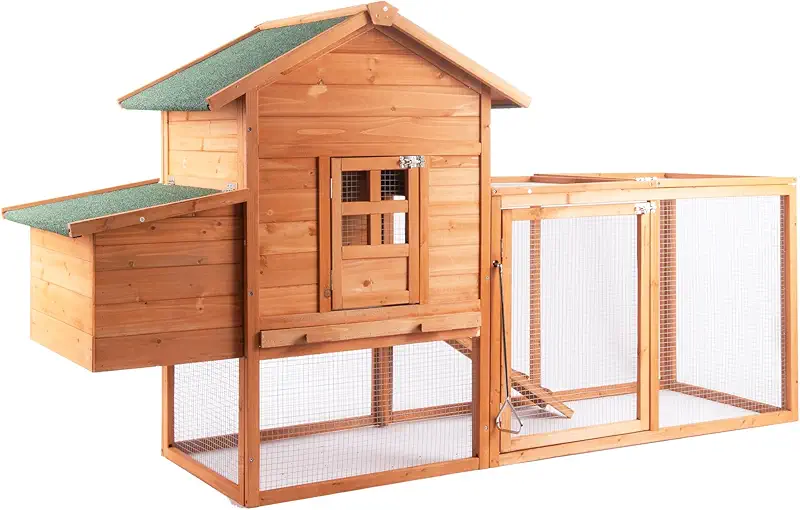
Where To Use 1/2 Inch Hardware Cloth On A Chicken Coop
A good coop is more than four walls and a roof. Predators dig, climb, squeeze, and chew. So when you think about 1/2 inch hardware cloth for chicken coop safety, picture it as armor all around your birds.
1. Windows, Vents, And Openings
Ventilation keeps your coop dry and your hens’ lungs clear. But any opening bigger than a thumb is an open invitation for trouble. I cover every window, vent, and gap with 1/2 inch hardware cloth, screwed down tight with fender washers so nothing can pry it loose.
Tip from my own mistakes: don’t just staple the mesh over vents. A determined raccoon can pull staples right out of soft wood. Use screws and washers so the wire is clamped, not just pinned.
2. Predator-Safe Chicken Run
A lot of folks build a pretty little run and cover it with chicken wire. It looks fine – right up until the first dog or coyote hits it like a freight train. For the sides of my main run, I always go with 1/2 inch hardware cloth from ground level up to at least three feet.
Above that, you can sometimes use lighter wire if you like, but that first three feet is the battleground. That’s where teeth and claws do their worst.

3. Skirting The Ground To Stop Diggers
Most predators don’t jump straight over a fence; they try to dig under it. That’s why I lay a skirt of 1/2 inch hardware cloth flat on the ground, all around the outside of the coop and run. Eighteen to twenty-four inches is a good width.
I pin it down with landscape staples and cover it with a couple of inches of soil or gravel. When a fox or dog starts digging at the fence line, they hit that wire and give up. Once they realize my place is all work and no reward, they move on to easier pickings.
4. Under The Coop Floor
If your coop is raised, predators will try to get in from below. If your coop sits low, rodents will tunnel right inside. Running 1/2 inch hardware cloth underneath, stretched tight and secured to the frame, turns the entire floor into a barrier.
Choosing The Right 1/2 Inch Hardware Cloth
Not all 1/2 inch hardware cloth is created equal. I’ve worked with rolls that bent like wet noodles and others that fought me like a rusty tractor spring but have lasted for years. There’s a sweet spot between strength and ease of use.
Galvanized Vs. PVC-Coated
Most folks, including me, use galvanized hardware cloth. The zinc coating helps it stand up to rain and snow for years before it starts to rust.
- Galvanized: classic choice, tough, usually the best value.
- PVC-coated: wire is coated in plastic, extra protection from rust, often darker and blends in better.
Around my wetter areas, like near the garden hose and the low spot where snow piles up, I like the heavier galvanized or PVC-coated mesh. In drier spots, regular galvanized works just fine.
Wire Gauge And Strength
The lower the gauge number, the thicker the wire. Something in the 19–16 gauge range is common for 1/2 inch hardware cloth. Lighter wire is easier to cut and bend, but thicker wire gives you more peace of mind.
On my first coop, I used lighter mesh on the doors to “save my back.” Next winter a dog pushed hard enough to bend it out of shape. No birds lost, but I got the message. Since then, doors and weak spots get the good, heavy stuff.

Roll Lengths, Heights, And Planning
Before you bring home a roll, grab a tape measure and walk your coop and run. Measure twice, write it down, and then add a little extra for overlap and mistakes. A crooked cut always seems to happen the day you’re short by a foot.
- Choose roll height that matches your fence or wall to avoid lots of seams.
- Plan for at least a few inches of overlap at every join.
- For skirts, add 18–24 inches beyond the fence measurement.
I like to keep a smaller spare roll on hand. Something always needs patching: a chewed corner, a loose spot on an old door, or the “temporary” pen that somehow turns permanent.
How To Install 1/2 Inch Hardware Cloth Without Losing Your Patience
Tools That Make The Job Easier
You don’t need a fancy workshop, but the right tools will save your fingers and your temper. When I’m working with hardware cloth, I keep these close:
- Heavy-duty wire cutters or tin snips.
- Work gloves – the cut edges are like little razor blades.
- Drill or driver, plus exterior screws and fender washers.
- Staple gun for quick tacking (then follow with screws).
- Measuring tape and a marker for clean cuts.
I learned my lesson about gloves when I sliced my finger and bled on a brand-new rooster. He did not appreciate the drama.

Step-By-Step For Coop Walls And Runs
Here’s how I usually put 1/2 inch hardware cloth on a new run or coop wall:
- Measure the panel or opening and add a couple of inches to each side.
- Cut the hardware cloth on flat ground, watching those sharp ends.
- Hold the mesh in place and tack it up with a few staples to keep it from sagging.
- Run screws with washers every few inches around the edges to clamp the wire down.
- Where two pieces meet, overlap them at least one square or two and fasten through both layers.
Take your time on doors and latches. Predators always go for the easy spot, and a sloppy corner is like a welcome sign for a hungry raccoon.
Keeping Egg-Laying Hens Safe, Happy, And Laying
You might be thinking all this talk of wire and predators sounds a bit grim. But here’s the good news: once your hens feel safe, they relax, they roam, and they lay better. A secure coop wrapped in 1/2 inch hardware cloth is the foundation for a calm flock.
Low-Stress Hens Lay Better Eggs
Chickens are tougher than they look, but they don’t handle stress well. A raccoon rattling the fence at night or a dog crashing against the run will rattle them for days. Skittish hens eat less, hide more, and egg numbers drop.
Once I tightened up my coop with hardware cloth, the whole flock mellowed out. Instead of pacing and squawking every time something moved in the bushes, they scratched, dust-bathed, and minded their own business. Egg baskets got heavier, and mornings got quieter.
Healthy Feet, Beaks, And Feathers
Hardware cloth doesn’t just stop predators; it also keeps your hens from poking their heads into trouble. With 1/2 inch openings, they can still look around, but they can’t wedge their necks through and get stuck.
I once had a hen try to stick her head through old fencing to reach a weed. She got stuck, panicked, and by the time I found her she’d rubbed her neck raw. Since moving to 1/2 inch mesh on the lower three feet, I haven’t had that problem.

Ventilation Without Drafts
Good airflow is one of the best things you can give your laying hens, especially in winter. Moist air from droppings builds up fast and can cause frostbite on combs and toes. With 1/2 inch hardware cloth over high vents, I can leave them open all year.
The air moves out, the fresh air moves in, and my birds stay dry. I close off direct drafts at roost height, but those upper vents stay open even in January. The wire keeps everything unwanted out but lets the coop breathe like it should.
Common Mistakes Folks Make With 1/2 Inch Hardware Cloth
Only Protecting “Obvious” Spots
A lot of new chicken keepers cover windows and maybe a door, then call it good. But predators don’t follow our plans. They’ll find that one forgotten corner behind the nesting boxes or the gap above the pop door.
When I build or upgrade a coop, I walk around it like a hungry raccoon: under, over, behind, and in every little dark spot. If I see wood that’s soft or an opening wider than my thumb, it gets 1/2 inch hardware cloth or solid wood.
Relying On Staples Alone
Staples are fast, but they’re not strong enough on their own. Wood swells and shrinks, and predators pull and pry. I only use staples to hold the wire in place until I can run screws and washers around the edge.

Forgetting About Rust And Time
Even the best 1/2 inch hardware cloth won’t last forever if it sits in wet ground year-round. Along the bottom edges and on skirts, I check for rust every spring and fall. If I see weak spots, I patch or replace them before something hungry finds the hole.
I had one stretch along the back of the run where snow drifted all winter. After a few years, the mesh started to thin and crumble. I spotted it during my spring checkup and swapped it out. A week later, I caught a fox nosing around that exact corner. Good timing for me, bad timing for him.
Frequently Asked Questions About 1/2 Inch Hardware Cloth For Chicken Coops
Is 1/2 inch hardware cloth better than chicken wire for egg-laying hens?
For predator protection, yes, it’s far better. Chicken wire is designed to keep birds in, not determined predators out. Raccoons can reach through, and smaller animals can squeeze through the holes in standard chicken wire. With 1/2 inch hardware cloth, the openings are too small for most paws and snouts, which keeps your hens and their eggs much safer.
Do I need 1/2 inch mesh on the whole run, or just the lower part?
The most important area is from the ground up to about three feet, since that’s where predators dig, push, and chew. Above that, some folks use lighter fencing, but I still prefer 1/2 inch hardware cloth anywhere animals can climb or where branches could fall and damage weaker wire.
Will 1/2 inch hardware cloth give my coop enough ventilation?
Yes, as long as you include enough vent area overall. The 1/2 inch openings let plenty of air move through while keeping out pests. I run hardware cloth across long vents near the top of the coop walls, and my birds stay dry and comfortable even in winter.
Is it safe to use 1/2 inch hardware cloth on the floor of a coop?
Under the coop, as a buried layer, yes – that’s a great way to stop tunneling predators. For the actual walking surface, I prefer solid floors with bedding over them. Hardware cloth can be hard on feet if they stand directly on it all the time. If you use it for a raised run, add a thick layer of bedding or sand to protect their feet.
How long will 1/2 inch hardware cloth last on a coop?
With decent quality mesh and proper installation, you can expect many years of service. Areas that sit in wet soil, heavy snow, or standing water will wear out faster. I make it a habit to walk the perimeter and check all panels twice a year. A quick patch now is much easier than chasing a fox out of the henhouse later.
