
14 chicken coop
I have been raising laying hens since before my beard turned gray, and I have bent, nailed, and dragged more coops around the yard than I like to admit. When folks ask me how to pick the right 14 chicken coop, I always smile and say, “Well, let me tell you what I did wrong first.”
On this page I’ll walk you through how to think about a coop for around fourteen hens: space, safety, comfort, and a bit of farmer common sense. I’ll share what has worked on my own place, what I’d never do again, and how you can use ready-made coops without learning every lesson the hard way like I did.
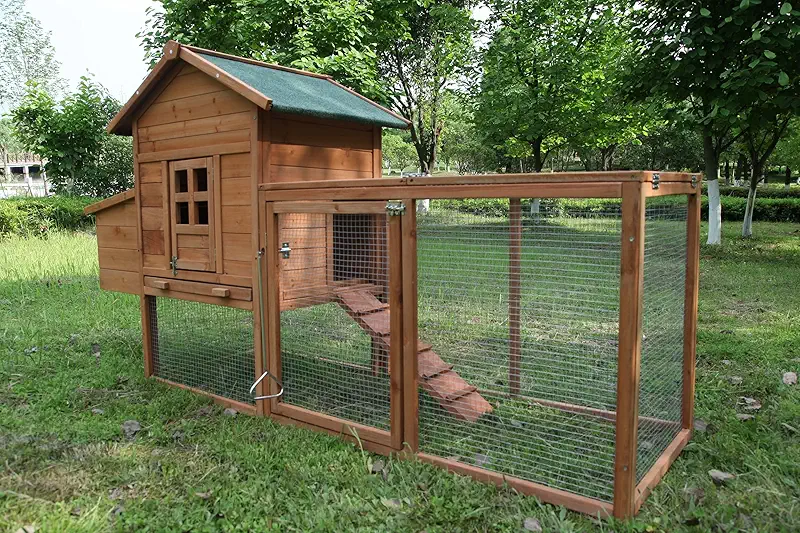
How Many Hens Fit In A 14 Chicken Coop, Really?
Numbers on paper look nice, but chickens do not live on paper. For a 14 chicken coop, most charts will tell you four square feet of indoor space per hen, and at least ten square feet of outdoor run per bird. That means roughly 56 square feet inside and 140 square feet outside for fourteen laying hens.
Out here on my farm, I like to give them a bit more elbow room. The tighter the birds, the faster trouble shows up: picking feathers, fighting, and eggs laid in every place except where you want them. When a coop listing says it “fits 14 chickens,” I read that as “fits 10 comfortably” unless I see generous measurements and a good open run.
When you look at different designs through that lens, you’ll notice some so‑called 14-hen coops are better suited for eight or ten. Others with a wider footprint, taller roof, and smart layout can truly keep fourteen hens happy. That’s the kind of model I look for.
Key Things I Look For In Any 14-Hen Coop
Let me walk you through the checklist I use before I drag any coop into my yard. Whether it is a cute little barn-style model or a long low run, the same basics apply.
1. Solid frame and dry floor
Years ago I tried to save money with a light, flimsy coop. First strong wind that came through, that thing racked like a deck of cards. Hens were fine, but I spent the night in the rain with a headlamp and a bad attitude. Never again.
- Sturdy wood or metal frame that does not wobble.
- Floor raised off the ground to keep things dry and to slow down rodents.
- Roof with a real overhang so rain does not run inside.
2. Real ventilation, not just “cute windows”
Chicken breath, poop, and damp litter make for heavy air, especially in winter. A good 14 chicken coop has vents up high to let warm, moist air rise out, while drafts stay above the roosting hens.
Look for:
- Openings on opposite sides for cross-breeze.
- Hardware cloth over vents, never just decorative slats.
- Ability to partly close vents during storms while still allowing some airflow.
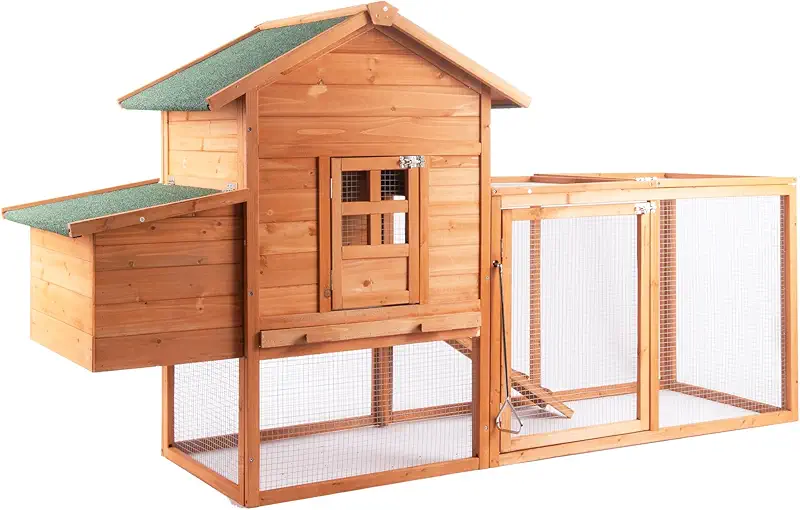

3. Enough roosts and nesting boxes
Chickens are like kids on a school bus: ten empty seats, everyone wants the same one. In a 14 chicken coop, I want roost bars that give at least eight to ten inches per bird. More is better, especially for heavier breeds.
- Roosts higher than nesting boxes, so hens sleep on the bar, not in the nest.
- Bars wide enough that they can rest their feet flat in winter.
- At least four nesting boxes for fourteen hens, five if you can. They will still fight over the same box, but it cuts down on drama.
4. Easy access for cleaning
If cleaning a coop feels like crawling under a porch, you will put it off, and then everyone suffers. I look for:
- Big doors that swing wide open.
- Removable trays or a flat floor I can scrape fast.
- Room for a small rake or broom, not just my hands and a prayer.
Security: Keeping Your 14-Hen Coop Safe At Night
Out here we joke that everything on the farm wants to eat your chickens… except you. Raccoons, foxes, hawks, neighborhood dogs, even rats will test a coop. When I judge a 14 chicken coop, I picture the meanest raccoon I’ve ever met and ask, “Can he open this?”
Wire and hardware cloth
Many pretty coops ship with thin chicken wire. I use chicken wire to keep chickens in, not to keep predators out. For the outside run, I prefer half‑inch hardware cloth, at least along the bottom three feet. A hungry raccoon can rip chicken wire like wet paper.
Locks and latches
I once watched a raccoon open a simple slide bolt with its clever little hands. So now, on every door and hatch, I want:
- Lockable latches or carabiners.
- No big gaps where a hand or paw can reach in.
- Doors that close tight without twisting the frame.
Roof and digging predators
For a 14 chicken coop, the run is usually long enough that you want a roof or at least netting. Hawks watch my place like a drive‑through window, so a covered run is peace of mind. On the ground, I like an apron of wire laid flat around the coop so that digging predators hit wire instead of a way in.

Four Types Of 14 Chicken Coops I See Most Often
After years of looking at coops, I keep seeing the same main styles for flocks around fourteen hens. None of them are perfect for everyone, but each style has its place.
1. Walk-In Barn Style Coop
This type looks like a small shed with an attached run. You open a full‑size door, walk in, and do everything standing up. For a 14 chicken coop, this is my personal favorite. It is simple to insulate, simple to wire for a small light, and easy to clean with a rake.
2. Raised Coop With Under-Run
Here the sleeping area sits above, and the shaded run is under the coop. For a flock near fourteen hens, I like this style only if the footprint is generous. The shade under the coop is handy in summer, and it keeps the floor high and dry in rainy areas.
3. Chicken Tractor For 14 Hens
A tractor is a movable coop with run attached. I pull mine slowly across the pasture with a lawn tractor or by hand. For fourteen hens, you need a larger, heavier tractor, so keep your back in mind. The hens get fresh grass, bugs, and new ground often, which keeps them busy and eggs rich.
4. Stationary Coop With Big Run
This is the classic picture: coop on one end, fenced run attached. For a 14 chicken coop, I want that run long and wide, not just a short little porch. Give them space to scratch, dust bathe, and stay out of each other’s way.
My Daily Routine With A 14-Hen Coop
Let me paint you a simple day. Sun just starting to show, coffee in one hand, bucket in the other. I walk to the coop, hens already talking because they swear I’m always late.
I open the pop door and watch them spill into the run like kids at recess. While they argue over the best patch of ground, I check:
- Feed level in the feeder.
- Waterer clean and full, not slimy.
- Bedding under the roost for wet spots or piles of droppings.
With a good 14 chicken coop, this whole dance is quick. Doors open wide, nothing is out of reach, and I am not crawling or twisting to get to things. Ten minutes in the morning, five in the evening, and everyone is set.
Couple times a week I rake the droppings under the roosts, toss a little fresh bedding, and shake out the nesting boxes. Once a month, if the weather is kind, I do a deeper clean: windows open, vents wide, a bit of vinegar water on surfaces. The easier the coop design, the more likely you are to stick with this kind of light routine.


Seasonal Tips For A 14 Chicken Coop
Winter: keeping combs and toes safe
In winter, folks worry about cold, but damp is the real enemy. In a tight coop with fourteen hens, the air can get wet fast. I do not shut vents all the way; I just shield them from direct wind. I make sure:
- Bedding is dry and fluffy.
- Water is not dripping or spilling.
- Roosts are wide enough so toes are covered by feathers.
A well‑vented 14 chicken coop will smell like dry straw and feathers, not like a swamp. If I see frost on the inside roof, I open more vent space, even if it feels wrong.
Summer: beating the heat
My birds handle cold far better than heat. In summer, I want shade on the roof, good airflow, and cool water always. I hang a simple thermometer in the coop and watch it like I watch my old truck’s gauges.
On very hot days I:
- Open extra doors and windows, always with predator‑proof wire.
- Set up a shallow pan of water for them to stand in if they wish.
- Give them frozen treats and extra shade in the run.
Common Mistakes People Make With 14-Hen Coops
I’ve made most of these mistakes myself, so consider this a friendly warning from someone who has had to chase hens in the dark more than once.
1. Believing the “maximum birds” number
When a listing says “up to 14 chickens,” remember that is often the tightest, bare‑minimum number. Think about your climate, your breed size, and how much time they will spend locked in. If in doubt, call it a 10‑hen coop and enjoy calmer birds.
2. Forgetting about future birds
You say you only want a dozen hens now. But then you meet another pretty breed, or your neighbor shows up with “just a few chicks.” A year later you are adding birds and wishing you had chosen a slightly bigger 14 chicken coop. Give yourself room to grow a little if you can.
3. Ignoring the ground under the coop
A beautiful coop sitting in a low, muddy spot will become a mess in no time. I like to put my coops on high, well‑drained ground, with gravel or wood chips in the run if needed. Dry feet mean healthier birds and less smell.
4. Making it pretty but impractical
I have seen some coops that look like dollhouses. They photograph well, but try cleaning out the corners or reaching that back nesting box without twisting your spine. Pretty is nice; practical keeps your hens healthy and your back happy.

FAQ About 14 Chicken Coops
Large breeds take more space, both on the roost and on the floor. If you keep heavier hens, I treat a typical “14-bird” coop as a 8–10 bird coop. Look for extra headroom, wide roost bars, and a big run. Your big girls will thank you by staying calmer and cleaner.
You can get by with three or four boxes, but I like five if there is room. They will all argue over one favorite box anyway, but the extras cut down on pile‑ups and eggs laid on the floor. Keep boxes dim, cozy, and filled with soft bedding so hens naturally go there to lay.
Yes, one rooster with fourteen hens is a fine ratio. Just make sure the coop has enough space so he can court instead of chase. Watch his manners; a polite rooster calls hens to food and keeps an eye on the sky. A rude one spurs your shins. Those, I turn into stew.
I do a quick tidy several times a week and a deeper clean about once a month, more often in wet seasons. Scrape droppings under the roost, top up bedding, and keep nesting boxes fresh. In a well‑designed 14 chicken coop, that whole job should not take more than a half hour when you keep up with it.
You don’t need it, but it sure is handy. A single light bulb on a timer can help keep egg laying steadier in winter, and a safe outlet lets you run a heated waterer in freezing weather. If you do add power, keep cords out of pecking reach and always use outdoor‑rated equipment.
Choosing Your Own 14 Chicken Coop
Picking the right coop is a bit like picking work boots: it has to fit you and the job, not just look sharp on the shelf. Think about your climate, your space, your back, and the way you like to care for animals. Then look at each design and ask, “Will this make my chores easier or harder?”
When I look over different 14 chicken coop options, I picture my actual hens in there on a cold, wet morning. Is there room for all of them on the roost? Can I reach every corner without swearing? If a storm blows in, will I feel good about them sleeping in that box?
There are plenty of ready‑made coops that do the job well. Some are simple walk‑in sheds, some are tall and narrow, some are long and low with big runs. Take your time, read the measurements, and remember that the birds do not care how cute the roof looks. They care that they are dry, safe, and have room to act like chickens.

If you keep those simple truths in mind, you will end up with a coop that works with you instead of against you. And on those early mornings when you step into a quiet, dry, well‑built coop and gather a basket of warm eggs, you will know you got it right.
When you feel ready, take a slow walk through all the different chicken coops available and picture your own flock scratching around in each one.
Show me every coop