
15 chicken coop
I’ve raised laying hens on my little patch of land here in the States for more than thirty years. I’ve tried tiny tractors, big barn set‑ups, and just about every kind of coop you can imagine. For a flock of around fifteen hens, a well‑planned 15 chicken coop is the sweet spot: big enough for comfort, small enough to keep chores easy.
Let me walk you through how I’d set up and choose a coop for 15 hens if we were standing together out in my barnyard, boots in the mud and coffee in hand.
This looks right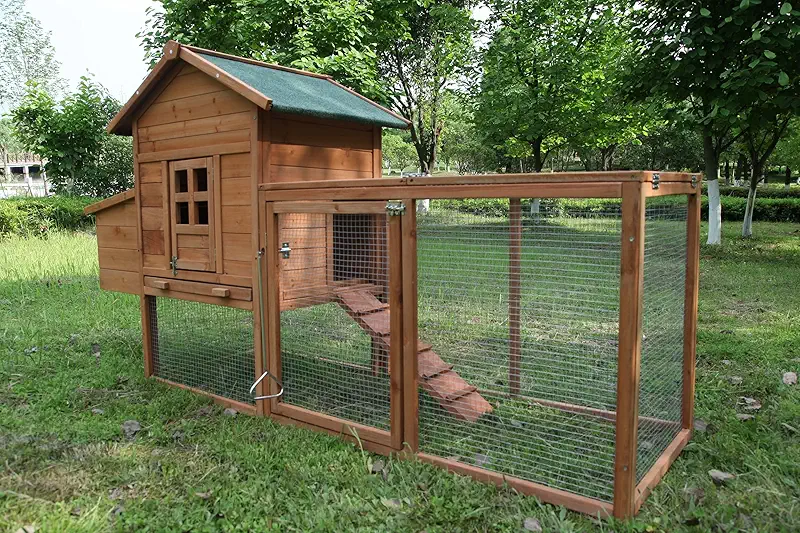
How big should a 15 chicken coop really be?
Folks ask me all the time, “How big does a 15 chicken coop need to be?” My answer is always the same: give them a little more room than the books say, and they’ll pay you back in eggs and peace.
Most charts say 3–4 square feet per hen inside the coop if they also have a run. For fifteen hens, that puts you in the 45–60 square foot range. That’s fine on paper, but I like closer to 5 square feet per bird for layers, especially in places with cold winters where they spend more time indoors.
| Flock size | Coop size (minimum) | My “happy hens” size |
|---|---|---|
| 10 hens | 30–40 sq ft | 45–50 sq ft |
| 15 hens | 45–60 sq ft | 70–80 sq ft |
| 20 hens | 60–80 sq ft | 90–100 sq ft |
Inside a 15 chicken coop, I want to be able to walk in, turn around with a bucket in my hands, and not bump into a cranky hen guarding her nesting box like it’s Fort Knox.
So when you look at any 15 chicken coop, don’t just ask, “Will fifteen hens fit?” Ask, “Will fifteen hens stay kind to each other in here when they’re stuck inside for a week?”
Run space: where your 15 hens really live
The coop is mostly for sleeping, laying, and riding out rough weather. The run is where they spend their day. For a flock of fifteen, I tell folks to aim for at least 10 square feet per bird in the run, and more if you have the room.
That means 150 square feet bare minimum. Something like 10×15 feet is workable, but 12×16 or bigger feels more like the good life for a 15 chicken coop set‑up.
- More run space = less mud, less smell
- More space cuts down bullying and feather loss
- Grass and weeds last longer before turning to dirt
I also like to split the run into two areas if I can. Let one side rest and grow back while the flock works the other. Chickens are great little rototillers, but they’re ruthless. Give them a small patch too long and it’ll look like a parking lot.
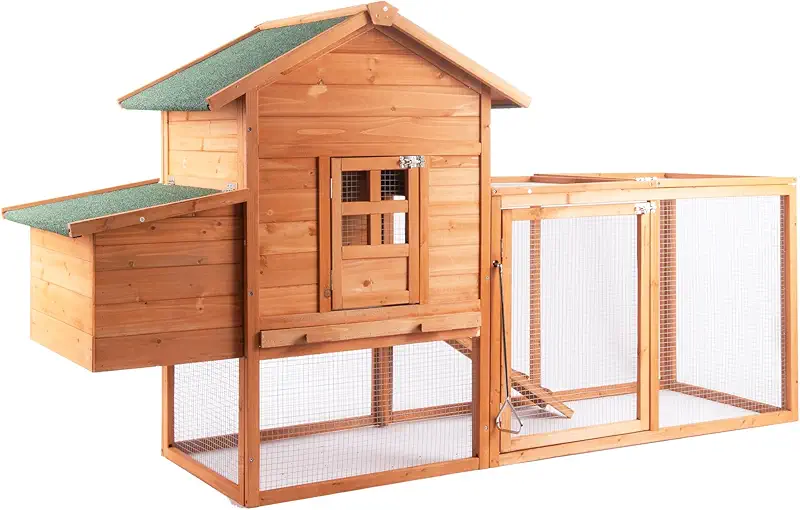
A simple trick: hang a cabbage, a chunk of squash, or a small “chicken toy” in the run on a rope. It keeps them busy, keeps pecking problems down, and it’s pretty fun to watch, too.
Perches, nests, and layout inside a 15 chicken coop
Once you’ve got the size right, the inside layout makes the difference between a coop that’s easy to work in and one that makes you mutter under your breath every morning.
Perch space: where they sleep
For roosts, I plan 8–10 inches of perch per hen. Fifteen hens need around 10–12 feet of total roost space. I like two or three bars across the back wall of the 15 chicken coop at shoulder height or a bit above.
- Use 2×2 or 2×3 lumber with the edges rounded
- Keep roosts higher than the nest boxes so they sleep on the bars, not in the nests
- Leave at least 12 inches between bars so they aren’t tail‑to‑beak
Nest boxes: where breakfast is made
For fifteen layers, eight to ten nest boxes is plenty. They’ll all line up to use the same two boxes anyway—hens love a crowd.
I put the boxes along one wall of the 15 chicken coop at about waist height for me. That way I’m not bending over every day to collect eggs. Put a little lip on the edge to keep bedding in and eggs from rolling out.
Feeders, waterers, and people space
In a 15 chicken coop, I like one long trough feeder or two hanging feeders, plus two water points. That way the bossy hens can’t hog all the food.
And don’t forget room for you. If you can step inside, close the door behind you, and still bend to pick up a bucket, you’ll be more likely to keep things tidy. A 15 chicken coop should work for the farmer as well as the flock.
Ventilation, drafts, and weather in a 15 chicken coop

Chickens handle cold better than damp, still air. The biggest mistake I see with new coops is not enough ventilation up high. In a 15 chicken coop, you’ve got a lot of warm bodies breathing and… well, doing what chickens do.
- Put vents up near the roofline, above roosting height
- Cover vents with hardware cloth, not chicken wire
- Design windows you can open on hot days and close on stormy nights
You want air moving, but no cold wind blowing right across the roosts. Think of it like your bedroom: fresh air feels great, but not if the window’s blasting straight onto your face.
In damp climates, I like a small roof vent or ridge vent on a 15 chicken coop. In drier areas, big side vents with adjustable covers usually do the trick.
Predator‑proofing a 15 chicken coop
Out here, everything likes chicken. Raccoons, foxes, stray dogs, even the neighbor’s “friendly” Labrador. A 15 chicken coop is just the right size for a predator to see as a snack bar.
When I look at any coop for fifteen hens, I check three things first:
- Floor and base: solid or protected from digging
- Windows and vents: covered with hardware cloth, not flimsy wire
- Doors and latches: tight fit and raccoon‑proof latches
If your 15 chicken coop sits right on the ground, run hardware cloth out from the base at least 12 inches in all directions, then bury or cover it. Predators dig at the edge, hit the mesh, and usually give up.

Remember: a predator only has to get lucky once. You have to be right every night. Build and choose your 15 chicken coop with that in mind.
Flooring, bedding, and cleaning a 15 chicken coop
A clean coop doesn’t just smell better; it keeps hens healthier and eggs cleaner. With fifteen birds, you’ll notice fast if your 15 chicken coop is hard to clean, because the work adds up quick.
Floor choices for a 15 hen coop
- Wood floor: easy to work with, but protect it with paint or a liner
- Concrete floor: heavy and permanent, but very easy to clean
- Raised coop with slatted floor: good airflow, droppings fall through if designed right
Most ready‑made 15 chicken coop models use wood floors. I like to seal them and then add a thick layer of pine shavings. Straw looks pretty but holds moisture and can mold if you’re not careful.
Deep litter or frequent clean‑outs?
With fifteen hens, you can either:
- Use a deep litter method, turning and adding bedding regularly, full clean‑out a couple times a year
- Clean more lightly every week, full clean‑out more often
I do a mix: deep bedding under the roosts, and removable dropping boards I can scrape into a bucket in a couple minutes. Makes a 15 chicken coop feel like a small chore instead of a weekend project.
Droppings from the coop are gold for the garden—just age or compost them before putting on plants. Your tomatoes will think they moved to Florida.
Daily and seasonal care of a 15 chicken coop
Once your 15 chicken coop is set up right, the day‑to‑day isn’t hard. It’s just a matter of sticking to small habits.
Daily chores
- Check food and water levels
- Look over the flock for any limping or odd behavior
- Quick glance at the bedding and droppings
- Collect eggs (once or twice a day)
Takes me about ten minutes if I don’t get distracted watching the hens argue over a grasshopper.
Weekly or bi‑weekly
- Stir or top up bedding under the roosts
- Wipe down perches if they’re messy
- Rinse waterers and feeders
Seasonal checks
At the change of each season, I walk around the 15 chicken coop like a nosy neighbor:
- Check roof and seams for leaks
- Look for gnaw marks or digging at the base
- Open and close all doors and latches
- Adjust ventilation for hotter or colder weather

A few minutes spent checking your 15 chicken coop beats chasing loose hens in the dark after a windstorm, ask me how I know.
Choosing the right style of 15 chicken coop
Not every 15 chicken coop suits every yard or every farmer. I’ve learned to match the coop style to the way folks live, not just to the birds.
Walk‑in shed style
This is my personal favorite for fifteen hens. You get a door you can walk through, room for shelves, and space to hang tools. It looks like a small shed with windows and a pop door for the flock.
If you’ve got the space, a walk‑in 15 chicken coop makes chores easier on the back and knees. I’m not twenty anymore, and my joints thank me every morning.
Raised coop with attached run
For smaller yards, a raised 15 chicken coop with the run underneath and out front can work well. The birds get shade and shelter under the coop, and you pick up some extra space without taking more ground.

Mobile or semi‑mobile 15 chicken coop
Mobile set‑ups are handy if you want to keep grass under your hens, but once you get to fifteen birds, moving a big rig gets real interesting unless you’ve got help or good wheels.
I call mine “semi‑mobile”—it can move, but not without a bit of planning and maybe a neighbor with a tractor.
When you look at any 15 chicken coop design, picture yourself using it on a rainy Tuesday in February, not just on a sunny Saturday. If it still seems easy, you’re on the right track.
Good breeds and stocking ideas for a 15 chicken coop
A 15 chicken coop is perfect for a mixed flock. I like to blend steady layers with a few “characters” that make the yard fun.
- Rhode Island Reds / Production Reds: tough, reliable brown egg layers
- Plymouth Rocks or Dominiques: friendly, calm, good in mixed flocks
- Australorps: sweet birds that lay well even in heat and cold
- Orpingtons: big, fluffy, and gentle—like feathered Labradors
- Easter Eggers: colored eggs that keep kids (and adults) smiling
With fifteen hens, I’d run maybe three or four different breeds. Easier to tell them apart, and you’ll notice right away if one type handles your weather better than another.

Whatever mix you choose, build or pick your 15 chicken coop as if you’ll keep it for ten years. Chances are, once you get used to fresh eggs, you’ll be hooked.
Real‑world tips from a tired but happy farmer
After a few decades with layers, here are the things I wish someone had told me before I built my first 15 chicken coop:
- Put the coop where you’ll actually walk to it in bad weather, not where it looks prettiest from the porch.
- Plan for shade—trees, a roof over the run, or a tarp you can stretch on hot days.
- Electricity helps if you can swing it: a light for dark winter mornings and a way to keep water from freezing.
- Leave room to grow; a 15 chicken coop that can stretch to eighteen or twenty gives you breathing space later.
- Make the pop door easy to use from outside. You don’t want to wrestle with a sticky latch at dawn.

Building or choosing a 15 chicken coop isn’t about being fancy. It’s about giving your hens a safe, dry, comfortable home that’s simple for you to look after. Do that, and they’ll do their part and fill your basket.
FAQs about a 15 chicken coop
Yes, most of the time. A single rooster doesn’t add much space need, but I still like to plan a 15 chicken coop for just a little more than fifteen birds—say the comfort size of 70–80 square feet. Roosters like to strut and chase a bit, and the extra space keeps peace in the flock.
Eight to ten boxes is plenty for fifteen hens. They’ll share and take turns. What matters more is that the boxes are quiet, cozy, and away from heavy traffic areas in the coop. Fresh bedding and low light in that corner help, too.
You don’t have to, but it sure makes life easier. A small light helps you see on dark winter mornings and can stretch egg production a bit. A plug‑in water heater can save you from hauling buckets of ice every day. If running a line is safe and legal where you live, I recommend it for any long‑term 15 chicken coop.
With fifteen birds, plan on a quick tidy every few days—scrape droppings boards, top up bedding, and check corners. Then do a deeper clean every month or two, depending on your bedding style and weather. If it smells strong when you walk in, you’re overdue.
Sure, if your area is safe enough and you’re willing to accept a bit more risk from predators. I treat the coop and run as the secure base, then let them free‑range under supervision when I’m around. That way your 15 chicken coop still keeps them safe at night, and they get their scratching and bug‑hunting time during the day.
If you’re ready to see how different layouts and styles might fit your yard, take a slow look through the many 15 chicken coop options out there. One of them will just “feel right” for you and your flock.
Show me all coops