
20 chicken coop
20 Chicken Coop – How I Keep Twenty Hens Happy, Dry, And Laying Strong
I’ve raised laying hens on our little patch of U.S. soil for more years than I care to count. If you’re planning a 20 chicken coop, you’re in the sweet spot: big enough for good egg production, small enough to still feel personal.
Below I’ll walk you through how I’d design, place, and manage a coop for about twenty hens, with the same no-nonsense approach I use on my own farm.
When folks ask me about setting up a 20 chicken coop, I always smile. Twenty hens are like a small choir: loud at sunrise, a bit dramatic at feeding time, but they sing you a basket of eggs if you treat them right. Over the years, I’ve tried tiny coops, big barns, mobile tractors, and just about every cobbled‑together thing you can imagine. Some worked, some… well, let’s just say the raccoons sent me a thank‑you card.
With around twenty layers, you need to think about three things before anything else: enough space, solid protection, and simple daily chores. If you get those right, the rest is just tweaking and enjoying the evening cluck‑talk with a mug of coffee in your hand.
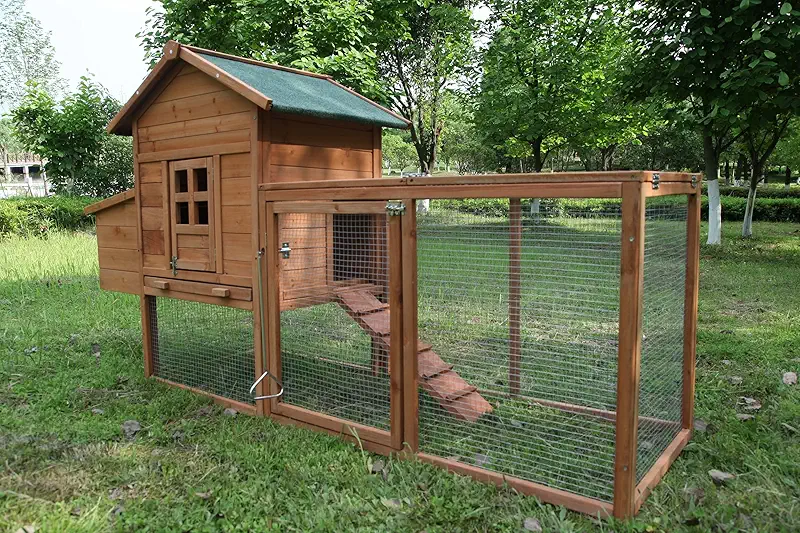
- Comfortable space: hens can stretch, dust-bathe, and gossip.
- Dry bedding and good airflow, without nasty drafts.
- Safe from predators, especially at night.
- Easy for you to clean, feed, and collect eggs.
- Room for a few new pullets later on.
How Much Space Should A 20 Chicken Coop Really Have?
On paper, people throw around numbers like 3–4 square feet per hen inside the coop, and 8–10 square feet per bird in the run. For twenty hens, that means at least 60–80 square feet inside, and 160–200 square feet outside. But I’ll tell you what I tell my neighbors: the birds don’t read the textbooks, and they always act happier when you give them a little extra elbow room.
On my farm, the “official” 20 chicken coop is about 8×10 feet inside. That gives me 80 square feet, plus a run that’s roughly 12×20. In winter when they hang out inside more, the extra room keeps them from picking on the timid hens. I once tried squeezing them tighter during a rough winter; all I got was feather picking, cranky clucks, and a rooster who looked like he wanted to move out.
If you’re between two coop sizes for your 20 hens, choose the bigger one. Extra space saves you vet bills, drama in the flock, and your own sanity when you’re in there cleaning.
Also remember height. A coop you can’t stand up in is a coop you’ll avoid. I’ve crawled into short little boxes in the rain, banging my head, trying to grab eggs from that one hen who insists on the back corner. After a few years of that circus, I only use walk‑in designs for a flock this size.
Roosts, Nesting Boxes, And Layout For Twenty Hens
Chickens like routine and order, even though they pretend they don’t. When you set up a 20 chicken coop, think like a hen: “Where do I sleep, where do I lay, where do I eat, and how quickly can I get into trouble?”
Roost bars: giving everyone a good sleep spot
For twenty hens, I aim for at least 10–12 linear feet of roost space, ideally more. I use 2×4 boards turned flat so the hens can sit with their feet fully covered in winter. I learned that trick the hard way after a cold snap left one of my best layers with frostbite on her toes. Never again.
Set your roosts higher than the nesting boxes, or the girls will sleep where they’re not supposed to and you’ll be scraping poop off eggs every morning. I stagger my roosts like a little ladder, leaving about 12–14 inches between perches front‑to‑back so they’re not dropping manure on the hens below.
Nesting boxes: enough, but not too many
Textbooks say one nest box for every 3–4 hens. For a 20 chicken coop, 6–7 nesting boxes is more than enough. Funny thing is, they’ll probably all still line up for the same two favorite boxes. Chickens are creatures of habit and questionable logic.
I place my nesting boxes about 18 inches off the floor, under a window if I can, with a small lip at the front to keep the bedding in. I’ve used old milk crates, wooden boxes, fancy store‑bought nests – hens don’t care much about looks, just privacy and soft bedding.


Feeding, water, and human paths
I like to keep the feeders hanging or raised on blocks, so the hens aren’t kicking bedding into the feed all day. For twenty hens, two medium feeders or one long trough works well. Same with waterers – two separate water stations mean the lower‑ranked hens still get a drink when the bossy girls are being dramatic.
Most folks forget the most important part of the layout: where you walk. Leave yourself a clear path from the door to the nests and roosts. When it’s dark, raining sideways, and you’re carrying a bucket in each hand, you’ll thank your earlier self for not stuffing every inch of the coop with “extra stuff.”
Predator‑Proofing A 20 Chicken Coop (Based On A Few Painful Lessons)
If there’s one thing country life taught me, it’s this: everything out there loves chicken as much as you do. Raccoons, foxes, coyotes, hawks, neighbor’s dogs, even the occasional weasel. A 20 chicken coop is a big enough buffet to keep them all interested, so don’t skimp on protection.
- Use hardware cloth, not chicken wire. Chicken wire keeps chickens in, but it doesn’t keep hungry critters out. I use 1/2 inch hardware cloth on all lower walls, windows, and vents.
- Bury a skirt around the run. I run hardware cloth 12 inches down, or out in a horizontal skirt, to stop diggers. I learned that after a fox made its own “side entrance” one night.
- Solid latches – no simple hooks. Raccoons have hands like little burglars. I use locking carabiners or double‑step latches on doors and egg boxes.
- Close them up at night. Sounds basic, but we all forget once in a while. I now use a timer light in the coop to remind me when it’s lock‑up time.
One winter, I thought I had everything tight. Woke up to a very proud raccoon on the roof of my coop and feathers everywhere. He’d reached through a gap near a vent that I’d been “meaning to fix.” Lost two good hens that night. Every time I add a vent or window now, I ask myself, “Could a raccoon get a paw through here?” If the answer is maybe, I cover it with hardware cloth.

Every evening I do a two‑minute walk‑around: doors latched, windows secure, no new digging near the fence, everybody on the roost. Takes no time, saves heartbreak.
Ventilation, Smell, And Keeping The Coop Dry
A 20 chicken coop can smell like a Sunday barnyard if you ignore it, or barely smell at all if you set it up right. The trick is good airflow without drafts. I like vents up high under the eaves on at least two sides of the coop. Warm moist air rises, and you want it sneaking out there, not condensing on the walls and making everything damp.
In my own coop, I added a couple of adjustable vents that I can crack open more in summer and close partway in winter. I also keep a window I can open when it’s hot. The birds handle cool, fresh air way better than stuffy, damp air. When I walk into the coop and my eyes sting, I know I’ve got a ventilation problem, not a “too many chickens” problem.
Bedding choices for twenty hens
I’ve tried straw, pine shavings, shredded leaves, and even sand in the run. For the inside of a 20 chicken coop, I keep coming back to dry pine shavings. They soak up moisture, smell decent, and are easy to stir and clean out.
Many years ago, I started using a “deep litter” style in winter – adding fresh dry bedding on top, and turning it with a fork now and then. It keeps the floor warmer and breaks down into pretty nice compost by spring. Just don’t let it get wet; damp litter is a recipe for ammonia, frostbite, and cranky birds.
Run, Yard, And Enrichment For A 20 Chicken Coop
Twenty hens in a bare dirt run get bored fast. Bored chickens start feather picking and looking for trouble, kind of like kids snowed in for three days with no power. So I put as much thought into the run as the coop.
I like a covered run – either solid roof or strong wire with a tarp over part of it. That keeps snow, rain, and hawks off. I toss in leaves, grass clippings (not sprayed), and old garden plants for them to scratch through. A hanging cabbage or a block of scratch in a feeder will keep them busy for hours.

When weather and neighbors allow, I let my flock out to free‑range for part of the day. They come back to the 20 chicken coop at dusk like it’s home base. Sure, they sometimes sneak into the garden and leave “presents” on the porch, but I consider it rent for all the bugs they eat.
Make sure your hens have a dry corner with loose soil or sand to dust bathe in. It looks like they’re rolling in dirt for fun – and they are – but it also keeps mites and lice under control. Happy hens, better eggs.
Daily And Weekly Routine For A 20 Hen Flock
A good coop makes chores simple. With twenty hens, I can handle the whole routine in about ten to fifteen minutes a day, plus a deeper clean now and then. Here’s roughly how I run things.
Every morning
- Open the pop door and let the girls into the run.
- Check feeders, top off as needed.
- Refresh water and peek at the birds – bright eyes, smooth combs, no one limping.
- Quick look for any new holes, loose boards, or suspicious tracks.
Every evening
- Collect eggs (twice a day if it’s hot or freezing).
- Check that everyone’s back inside and on the roost.
- Close and latch all doors – I say the latches out loud sometimes so I don’t forget. Age does that.
Once a week
- Rake or stir the bedding, add fresh shavings where needed.
- Wipe nesting box edges and remove any broken eggs or mess.
- Rinse or scrub waterers so slime doesn’t build up.
When your 20 chicken coop is set up with easy access doors and you can move inside without ducking or tripping on stuff, these chores go quick. If taking care of the birds feels like a wrestling match, it’s not you – it’s the layout.
Choosing A Ready‑Made 20 Chicken Coop Versus Building Your Own
Now, I’ve swung both ways on this over the years. I’ve built coops out of old barn wood and leftovers from someone’s deck project. I’ve also put together pre‑made kits that arrived neatly boxed, with more screws than seemed humanly necessary. Each approach has its place.
If you enjoy tools, have extra lumber, and don’t mind a few weekends of sawdust in your hair, building your own 20 chicken coop can be satisfying and sturdy. You can size it exactly how you like and reinforce every corner. But not everyone has the time, tools, or knees for that.
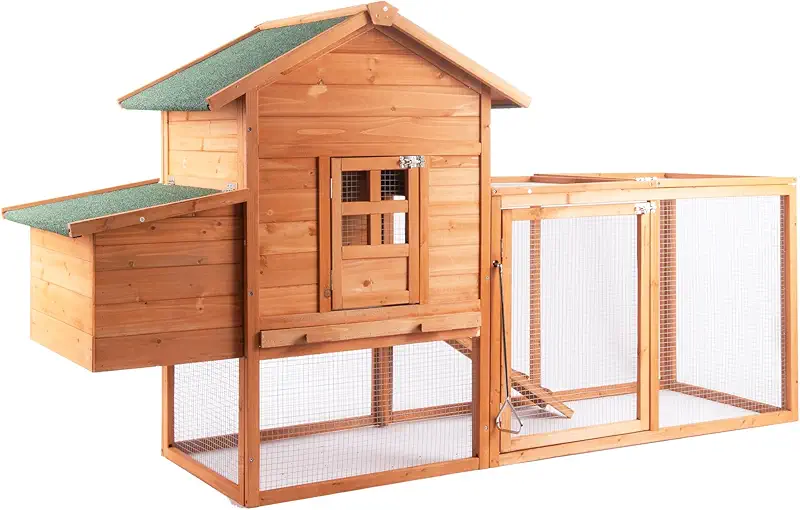
Ready‑made and kit coops have come a long way. Some smaller “cute” ones are more suited for a handful of bantams, not a real 20‑hen flock, so read the capacity claims with a farmer’s skepticism. I always assume those numbers are for birds that are part chicken, part sardine. For twenty hens, I look for walk‑in height, solid framing, and a run that can either be expanded or attached to a fenced yard.

I look at the floor size, roost setup, number of nest boxes, type of wire on the run, and how the roof handles rain and snow. If I can picture myself cleaning it without swearing, it’s on the right track.
If you’re thinking, “I just want something solid that keeps my twenty girls safe and makes chores easier,” you’re in good company. That’s exactly where most of us end up.
I’ll browse some coopsFAQ – Real‑World Questions About A 20 Chicken Coop
1. How big should a 20 chicken coop be?
For twenty hens, I like at least 60–80 square feet inside the coop and 160–200 square feet in the run. An 8×10 foot coop with a 12×20 run is a good starting point. If your winters are long and cold, lean toward the bigger side since they’ll spend more time indoors.
2. How many nesting boxes do I need for twenty hens?
Six to seven nesting boxes are plenty for a 20 chicken coop. Most of your hens will share the same few favorites anyway. Just keep the boxes clean, with fresh bedding, and placed lower than the roosts so they sleep on the perches instead of in the nests.
3. Can a small prefab coop really hold 20 laying hens?
Most of the smaller “cute” prefab coops are not truly sized for twenty full‑grown layers, even if the label says so. They might squeeze that many in on paper, but in real life you’ll have crowding, stress, and health issues. For twenty hens, look for a walk‑in style, or plan to attach the prefab coop to a larger, secure run or shed.
4. How do I keep a 20 chicken coop from smelling bad?
Smell usually means moisture. Make sure you have good high‑up ventilation, dry bedding, and waterers that don’t leak. Stir or rake the bedding weekly, remove wet spots, and don’t let manure pile up in tight corners. When I can walk into the coop and only smell clean wood and a hint of feathers, I know I’m doing it right.
5. Is it harder to care for twenty hens than ten?
Surprisingly, not by much. Once your 20 chicken coop is set up right, the daily work doesn’t double. You’ll carry a bit more feed, collect more eggs, and take a few more seconds to look everyone over, but the routine stays almost the same. The main difference is you need a coop and run sized properly from the start.
When you’re ready to see what’s out there for your own 20 chicken coop, take a quiet minute, think about your birds, your yard, and your back… then look through the different designs with that picture in mind.
Show me all coops