
I’ve raised hens through icy winters, muddy springs, and hot August days. If you’re dreaming about a solid 200 sq ft chicken coop, I’ll walk you through what really matters, the way farmers talk over a fence.
200 sq ft chicken coop
What a 200 sq ft chicken coop really feels like on the farm
When folks ask me about a 200 sq ft chicken coop, I smile a little. That’s about the size where a backyard hobby turns into a “well, I guess we’re chicken people now” situation. It’s big enough to give a good flock some elbow room, but still small enough that you’re not building a barn.
On my place, the first time I moved up to a larger coop, it was a game changer. The hens stopped bumping into each other at the feeder, the low-ranking girls finally got a peaceful corner, and egg production picked up like somebody flipped a switch. Space doesn’t just look good on paper – you can hear the difference. Less squawking, more quiet clucking.
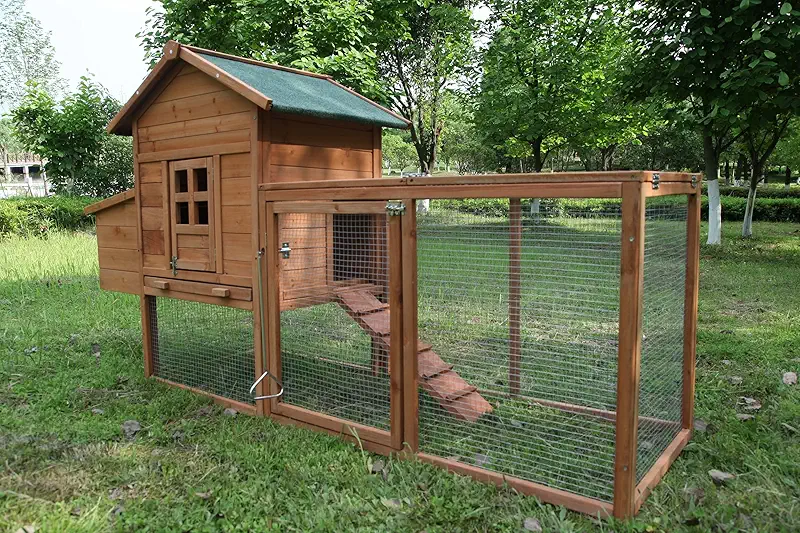
With around 200 square feet to work with, you can plan something that’s easy to clean, safe from predators, and comfortable for your hens. Think of it like building a tiny village for your birds: sleeping area, feeding area, nesting corner, and a good path for you to walk through with a full bucket and tired legs.
Before we talk gear and layouts, let’s first clear up the big question everyone has: how many chickens can actually live well in a 200 sq ft chicken coop?
How many chickens can live in a 200 sq ft chicken coop?
There’s the number people brag about, and then there’s the number that really works. I’m only interested in that second one.
Most “ideal” numbers you see come from folks who’ve never had to chase a mean hen with a bad attitude. On my farm, I always aim for comfort, not just what barely works on paper.
Realistic space guidelines
Here’s the rule of thumb I use:
- Inside covered coop: 4–5 sq ft per hen.
- Protected run (if attached): 8–10 sq ft per hen.
- Free-range most days: you can lean toward the lower end inside.
So with a 200 sq ft chicken coop, here’s what that looks like if we’re talking about the main indoor or sheltered space:
Farmer truth: fewer hens in a 200 sq ft chicken coop usually means more eggs per hen, fewer pecking wounds, and less drama. Hens aren’t big fans of crowds.
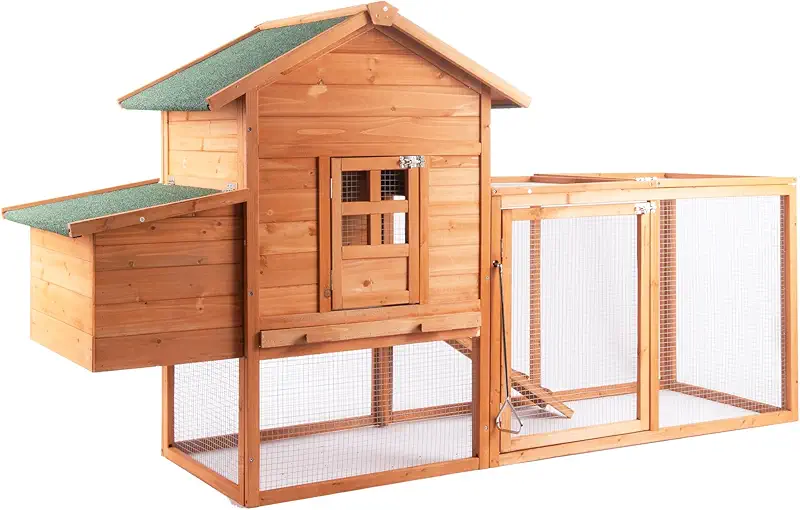
When I pushed my flock count too high one winter, my egg basket told on me. Hens were stressed, and the bullies were having a field day. I rehomed a few birds and opened up more space – egg count came right back. The coop size stayed the same; the crowd size changed.
My advice: start with a smaller number of hens than the charts say. You can always add more later if everything looks calm and quiet, and your 200 sq ft chicken coop still feels roomy.
Planning the layout of a 200 sq ft chicken coop
Layout is where you either thank yourself every morning or curse yourself every weekend. A good 200 sq ft chicken coop lets you do chores in a straight line, without acrobatics or twisted ankles.
A simple farmer-tested layout
Picture walking into the coop with a bucket in each hand. Here’s how I like to arrange things:
- Door near the middle of a long wall so you can see most of the coop at a glance.
- Nesting boxes grouped together on one side, a little darker and quieter.
- Roosts higher than the boxes on the opposite wall, so hens sleep where they should.
- Feed and water near the entrance so you can top them off fast.
- Clear walking path down the middle for your boots and your wheelbarrow.

A 200 sq ft chicken coop gives you enough room to separate “living” and “working” areas. Hens like routine. When they know where to sleep, where to lay, and where to eat, they settle down faster and argue less.
Nesting boxes, roosts, and human space
Use these ratios and you’ll be in good shape:
- Nesting boxes: 1 box for every 3–4 hens. In a 200 sq ft chicken coop with 30 hens, 8–10 boxes is plenty.
- Roost space: about 8–10 inches of perch per hen.
- Human space: at least 24–30 inches of walking space down the middle.
Don’t forget to plan for clean-out access. Big door, or even better, a section that swings wide enough for a wheelbarrow. Future you will thank you when it’s time to muck out the whole 200 sq ft chicken coop after a wet spring.
Keeping a 200 sq ft chicken coop safe from predators
Out here, everything thinks chickens are a snack. Raccoons, foxes, coyotes, neighbor’s dog, even the odd hawk waiting for a careless hen. The bigger the coop, the more tempting it looks.
The three layers of protection I swear by
- Good walls and doors: solid framing, no rotten boards, snug latches.
- True hardware cloth: not chicken wire, especially on windows and vents.
- Ground defense: buried wire apron or raised foundation to stop diggers.
With a 200 sq ft chicken coop, you’ve got more surface area to protect, so pay attention to little gaps. A raccoon only needs an opening about the size of your fist, and they’ve got more patience than a hungry child waiting for dinner.
I like a lockable main door with a latch you can clip shut. If a raccoon can open it, it’s not a latch, it’s an invitation. On my bigger coops, I walk the outside once or twice a year just to look for new gaps or weak spots. Wood settles, seasons change, critters test things.

Ventilation without making the coop drafty
Bigger coops hold more moisture, especially when you’ve got a full flock breathing, pooping, and sleeping in there. You want air exchange without cold wind blowing over their backs at night.
- Place vents high up near the roofline.
- Use hardware cloth over all openings.
- In hot areas, add windows that can be opened during summer and closed in winter.
My 200 sq ft setup has ridge vents up high and windows that I can crack open. You’ll smell the difference between a coop that breathes and one that doesn’t – and so will your hens.
Flooring, bedding, and cleaning a 200 sq ft chicken coop
The bigger the coop, the more time you save if you get the floor and bedding right from the start. A 200 sq ft chicken coop can be a breeze to maintain or a back-breaking chore depending on these choices.
Floor options that hold up
I’ve tried just about everything under a chicken: dirt, wood, concrete, even pallets. Here’s how I rank them:
- Concrete: easy to clean, tough, great for bigger coops. Needs good bedding on top.
- Wood raised floor: warm, comfortable, but keep it dry and protected from rot.
- Packed dirt with deep litter: works, but you must manage moisture and pests carefully.

In my larger coops, concrete or a very solid wood floor with good bedding has paid off year after year. A 200 sq ft chicken coop with a hose-able floor and a big door for a shovel is about as close to easy as chickens ever get.
Bedding that makes life easier
I’m partial to pine shavings for most of the year. They stay fluffy, smell decent, and hens scratch them up nicely. Straw works too but can mat up if it gets damp. In a coop this size, pick something you can easily haul in and out.
For a 200 sq ft chicken coop, plan on:
- A good 2–4 inch base layer over the whole floor.
- Extra, drier bedding under the roosts, where most of the manure collects.
- A simple schedule: light refresh weekly, deeper clean every few months.
Little trick I use: toss a handful of scratch grains on the fresh bedding. Hens will spread it evenly while they “help” you. Free labor, paid in corn.
Feeding and watering a flock in a 200 sq ft chicken coop
With more birds under one roof, food and water become the main traffic jam. Set it up right and everyone eats calmly. Set it up wrong and you’ll know which hen is the bully by name.
Feeders that keep the peace
Instead of one big feeder where everyone fights, I prefer two or three medium ones spread out. In a 200 sq ft chicken coop, you have room to separate them so low-ranked hens have a private spot to grab a bite.
- At least 2 feeders for a medium flock, 3 for larger flocks.
- Keep feed off the ground to cut down on waste and rodents.
- Leave enough space around each feeder so hens aren’t shoulder-to-shoulder.
Water that doesn’t turn into mud
Clean water is half the battle with egg production. Hens can’t lay well if they’re sipping from a muddy soup. I like hanging waterers or nipple systems in a larger coop so the bedding around them stays dry.

When the weather drops below freezing, I use heated water bases so I’m not out there with a hammer breaking ice before coffee. In a 200 sq ft chicken coop, you can tuck the heated setup into one corner and keep cords out of the hens’ reach.
I can tell you this from years of watching flocks: when every hen can eat and drink without hurrying, they act like decent ladies. When they can’t, they act like tiny feathered pirates.
Comfort, lighting, and egg production in a 200 sq ft chicken coop
A good coop does more than just keep the rain off. It keeps hens comfortable. Comfort turns into eggs, plain and simple.
Temperature and drafts
Chickens handle cold better than damp or wind. In a 200 sq ft chicken coop, your size actually helps – more air volume means temperature swings are softer. Focus on:
- Blocking direct drafts at roost height.
- Keeping bedding dry.
- Letting moisture out through high vents.
I’ve had hens laying happily through snowstorms because the coop was dry and draft-free, even if my own fingers were complaining.

Light and steady laying
Hens are built on a daylight timer. In a 200 sq ft chicken coop, it’s easy to add a simple light if you want more consistent winter eggs.
- Use a soft, warm light, not blinding bright.
- Put it on a timer so they get 14–16 hours of total light.
- Let them wake up slowly; don’t snap on light in total darkness if you can help it.
I’m not fancy. A basic bulb on a timer has kept my winter egg basket respectable for years. Just don’t go overboard; hens need nighttime too.
One more comfort trick: give them a little extra space on the roosts in hot weather. A roomy 200 sq ft chicken coop lets them spread out instead of sleeping in a feathery pile.
Choosing a 200 sq ft chicken coop: what I look for
When you’re picking out a coop, especially around the 200 sq ft mark, all the pretty pictures start to look the same. I ignore most of that and go straight to the boring stuff that actually matters after three winters.
My farmer’s checklist
- Solid framing: nothing wobbly, doors hang straight, roof feels firm.
- Real ventilation: not just one tiny window for show.
- Enough access doors: for eggs, cleaning, and catching a sick hen without gymnastics.
- Roof overhangs: to keep rain away from doors and vents.
- Room for upgrades: adding more roosts, extra nesting boxes, or a bigger run.

A good 200 sq ft chicken coop doesn’t have to be perfect out of the box. What matters is that the bones are strong. Hens don’t care what color the trim is. They care if the roof leaks and if something’s trying to dig in under the wall at 3 a.m.
When you look through options, imagine yourself doing chores on a cold, dark morning with gloves on. If the doors, latches, and pathways still make sense in that picture, you’re on the right track.
If you want to see what’s out there and get ideas for your own setup, you can take a quiet stroll through different coop styles and sizes.
I’ll explore some coopsFAQ about a 200 sq ft chicken coop
If you want your flock calm and healthy, I’d look at 25–40 hens in a 200 sq ft chicken coop, depending on how much outdoor run they have. With a big fenced run or daily free-range time, you can lean closer to 35–40. If they’re indoors a lot, keep it nearer to 25–30.
You can squeeze more in, but you’ll pay for it in stress, pecking, and lower egg count. I’ve never regretted giving hens more room than the charts say.
I strongly recommend it. A 200 sq ft chicken coop is a great indoor or sheltered space, but hens still love scratching dirt, picking at grass, and sunbathing like they’re on vacation. A run gives them that freedom while keeping them safer than full free-range.
Even a simple run, attached to the coop and covered on top, will cut down on boredom and feather picking. Think of the coop as the bedroom and the run as the living room and porch.
I like to build or choose coops I can stand up in. For a 200 sq ft chicken coop, that usually means at least 6–7 feet at the lowest point inside. Being able to walk around without ducking saves your back, and it leaves room for higher roosts and better ventilation.
Hens don’t care much about ceiling height, but you sure will when you’re hauling buckets and cleaning out bedding.
Yes, and I often do. A larger coop actually makes mixing easier because you have room to create separate zones – like a corner for younger pullets or a quiet area for a broody hen with chicks.
Just introduce new birds slowly, give them extra hiding spots like low perches or small partitions, and keep an eye on the pecking order for a week or two. Space is your best friend when mixing birds.
Most folks either overcrowd it or forget about ventilation. They see all that floor space and keep adding birds, or they close everything up tight because they’re worried about cold.
The sweet spot: enough hens to keep things lively, but not packed, and plenty of high, protected ventilation so the air stays fresh. Get those two things right, and most other problems get a lot smaller.
When you’re ready to look around and see what kind of 200 sq ft chicken coop might fit your flock, you can wander through the different designs at your own pace.
Show me more coopsReady to explore more chicken coops?
If you’ve read this far, you’re already thinking like a chicken keeper, not just a chicken admirer. That’s a good sign. A well-planned 200 sq ft chicken coop can keep you in fresh eggs, quiet mornings, and happy hens for years, as long as you pick something solid and set it up with care.
Take your time, picture your chores on a muddy Tuesday as much as a sunny Saturday, and choose the coop that makes both of those days easier. Your hens will thank you the only way they know how – with full nesting boxes.
If you’d like to see the different chicken coops available and get ideas for your own flock, you can stroll through them here.
I’ll check them out