
30 chicken coop
30 Chicken Coop Ideas From A Lifetime In The Hen Yard
I’ve been raising laying hens here in the States long enough to see kids grow up, move out, and still come home for fresh eggs. If you’re dreaming of a 30 chicken coop that keeps birds happy and chores easy, pull up a bale and let’s talk like neighbors.
When folks ask me about a 30 chicken coop, I always smile. Thirty hens are right in that sweet spot: big enough to fill the egg basket, small enough that you still know every bird’s personality. I remember when I first grew my flock from a scraggly dozen to a proud group of thirty. I thought I was just building a bigger coop. Turns out, I was building a tiny feathered town.
With thirty layers, little mistakes start to show fast. A drafty corner turns into sniffly hens. A weak latch becomes a midnight snack for a raccoon. And a cramped roost? Well, let’s just say chickens argue like siblings when they’re shoulder to shoulder.
In this guide I’ll walk you through how I plan, size, and manage a 30 chicken coop so the birds stay healthy, the work stays reasonable, and your mornings start with a carton of pretty, clean eggs instead of a headache.
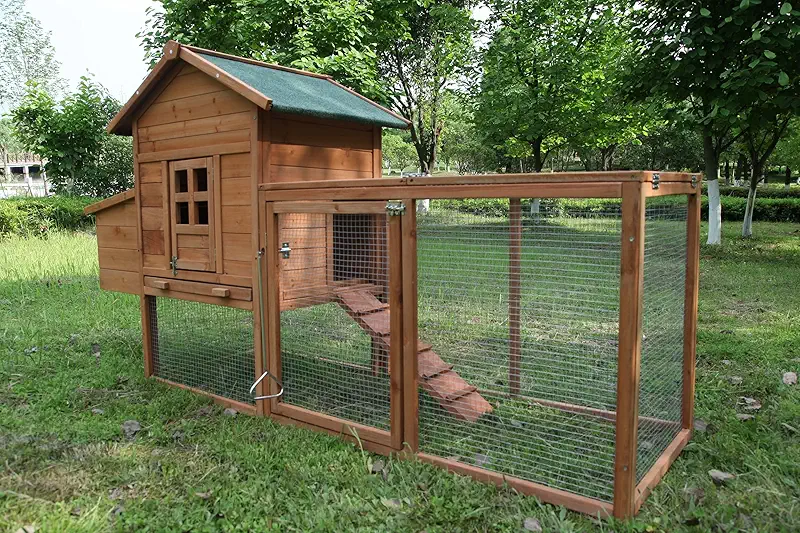
How Big Should A 30 Chicken Coop Really Be?
Coop size is where most people mess up. They buy or build something that “looks” big enough, then realize they’ve basically put thirty hens into a feathered studio apartment. Chickens can’t file complaints, but they sure can stop laying and start pecking.
| Area | Rule of thumb for 30 hens | Why it matters |
|---|---|---|
| Indoor coop floor | 4 sq ft per bird → ~120 sq ft | Reduces fights, stress, and messy birds |
| Outdoor run | 10 sq ft per bird → ~300 sq ft | Gives room to scratch, dust bathe, and stay sane |
| Roost space | 8–10 in per bird → 20–25 ft of roost | Everyone gets a seat on the “night bus” |
| Nest boxes | 1 box per 4 hens → 8 boxes | Prevents “egg traffic jams” and floor laying |
I once tried to “cheat” the numbers a bit during a rough winter and keep too many hens in a smaller building. Within a couple of weeks I had pecked combs, dirty feathers, and hens hollering at each other like kids in the back seat. Lesson learned: wood and wire are cheaper than vet bills.
Layout Tips For A Calm, Easy-To-Clean Coop
A coop for thirty hens needs a good layout, just like a farmhouse kitchen. If you have to climb, crawl, or swear just to collect eggs, you’ll start resenting your flock. I set mine up so almost everything can be reached standing on my own two feet, preferably with a cup of coffee in hand.
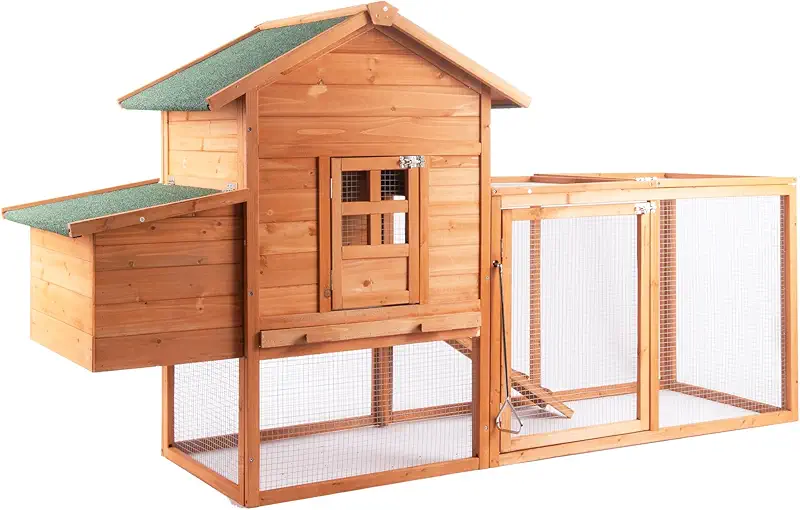
Roosts: Where Your Hens Sleep
Chickens like to sleep off the ground. For thirty birds, I use sturdy wooden roosts about 2×4 inches, wide side up so their toes stay warm in winter. I keep them roughly 18 inches apart, not stacked right above each other, so nobody gets “pooped on from above,” if you’ll pardon the farm language.
Keep roosts higher than the nest box openings. If nests are higher, hens will sleep in them and you’ll get poop-covered eggs. Ask me how I know.
Nest Boxes: The Egg Factory
For a 30 chicken coop, eight nest boxes is just about perfect. They’ll still all decide that one box is “the favorite,” but that’s chicken logic for you. I mount boxes about 18–24 inches off the floor, with a little perch in front. Line them with shavings or straw, and don’t be shy about scooping out any broken egg mess quick, or they can pick up bad habits.
Feed, Water, And People Space
Give yourself a clear path from the door to the feeders, waterers, and nests. Thirty hens rushing to the feeder at once can feel like a feathery stampede. I like hanging feeders and waterers so they’re about chest height on the birds, with enough space that everyone can eat without being bullied away.
Leave yourself a little corner or shelf to store grit, oyster shell, and a bucket or two. It doesn’t need to be fancy, just handy. If everything is close, chores stay simple, and simple chores get done even on cold, dark mornings.
Predator-Proofing A 30 Chicken Coop
Out here, I say, “If it walks, crawls, flies, or slithers, it probably likes chicken.” With thirty hens, you’re setting up a full buffet, so predator-proofing isn’t optional. It’s part of the design.

Use real hardware cloth
Don’t rely on cheap chicken wire for the coop walls. Chicken wire keeps chickens in; it doesn’t keep critters out. I use 1/2 inch hardware cloth for windows, vents, and lower walls.
Bury a dig skirt
Around the run, lay hardware cloth flat on the ground, 12–18 inches out from the fence, then cover with soil or gravel. When something tries to dig, it hits the wire and gives up.
Locks, not latches
Raccoons have nimble little hands. I use carabiners or predator-proof latches on doors and nest box lids. If a clever ten-year-old can open it, a raccoon probably can too.
One fall we started losing a hen every few nights. I tightened fences, walked the perimeter, and scratched my head. Turned out a weasel was squeezing through a tiny gap near the roof vent. Took one evening with the flashlight to spot it, and ten minutes with hardware cloth to fix it. Ever since, I’ve been picky about every crack and corner.
Ventilation: The Quiet Secret Of A Healthy 30 Chicken Coop
New chicken keepers worry a lot about cold. Old chicken keepers worry about damp. Chickens make a surprising amount of moisture from breathing and droppings, and in a 30 chicken coop that adds up fast.

Good ventilation lets moist, dusty air rise and leave without putting a draft on your birds. Think high vents under the eaves, covered with hardware cloth, plus a way for fresh air to sneak in lower. In our winters, I can close some of the vents during a bad storm, but I never seal the coop up tight. Tight coops grow frostbitten combs.
A simple test: step into the closed coop at night and take a deep breath. If it smells sharp with ammonia, or feels heavy and damp, you need more air movement. Your lungs and your hens will both complain about the same things.
Daily And Weekly Chores With Thirty Hens
People worry that a 30 chicken coop will eat all their time. Truth is, once you’re set up right, it’s not that bad. My daily chicken routine often takes less time than my morning coffee – I just drink the coffee while I’m out there.

Daily tasks (10–15 minutes)
- Open the pop door and check that all hens look bright and active.
- Top off feeders and make sure water is clean and flowing.
- Quick scan for anything odd: broken boards, weird droppings, limping birds.
- Collect eggs once or twice – three times on big laying days.
Weekly tasks (about 30 minutes)
- Stir or add fresh bedding where droppings pile up under the roosts.
- Scrape droppings boards if you use them.
- Rinse waterers and scrub if you see any slime.
- Do a “fingernail check” on the coop: loose screws, sharp edges, sagging hinges.
With thirty hens, I like the deep litter method on the floor – layering dry shavings or chopped straw and turning it regularly so it composts slowly. It smells more like the forest floor than a barn, and twice a year I clean it out for some of the best garden fertilizer you’ll ever see.
Choosing A Ready-Made 30 Chicken Coop
Not everyone wants to swing a hammer, and that’s just fine. There are a lot of ready-made coops and coop kits out there now that promise space for thirty birds. Some are honest. Some… let’s just say their chickens must be folding themselves in half to sleep.

When I look at a coop that claims to fit 30 hens, I ignore the number on the label and do my own math based on floor space and roost length. I also look hard at the lumber thickness, the roofing, and how easy it will be to clean and walk into.
Some of my neighbors use sturdy barn-style coops with walk-in doors, metal roofs, and attached runs. Others use modular wooden coops they set on skids so they can drag them to fresh ground now and then. There’s no single “right” answer, just what fits your yard, weather, and back muscles.
If you want to see a wide variety of designs sized for flocks this size – from tall walk-in sheds to low, long runs – have a look around and picture what would make your chores feel simple in your own yard.
This looks promisingPersonal Lessons From Running A 30 Hen Flock
Over the years, thirty hens have taught me a few things they don’t always print on the coop box. They’re small lessons, but they add up to easier days and better eggs.

Give them “something to do”
Bored chickens are like bored toddlers – they’ll find trouble. In a 30 chicken coop, I keep a couple of low perches and platforms in the run, toss in a flake of hay for them to scratch through, and hang cabbages or greens when I can. Quiet hens are usually content hens.
Don’t skimp on the door
Make the human door wide and high enough that you’re not ducking and bumping your head every day. I did that on my first coop. Apparently I’m a slow learner, because it took three bumps before I fixed it. A coop you enjoy walking into is a coop you’ll keep clean.
Plan for mud season
The prettiest coop can turn into a mud pit in spring. If you can, set your 30 chicken coop on a slight rise, use gravel or coarse sand in the high-traffic paths, and keep the run from turning into a swamp. Chickens don’t mind a little dirt, but constant wet is hard on feet and feathers.
FAQ About 30 Chicken Coops
Ready To Shape Your Own 30 Chicken Coop?
Building or choosing a 30 chicken coop isn’t about fancy trim or cute paint, though that never hurts. It’s about giving your hens enough space, fresh air, and safety that they can do what they were made to do: scratch, cluck, nap in the sun, and lay you a steady stream of eggs.

Take the time to think through your yard, your weather, and your own habits. Do you want a tall walk-in coop you can sweep in five minutes? A long low design with a huge covered run? Something light enough to drag to fresh grass from time to time? There’s a design out there that will fit you just right.
I’ve yet to meet anyone who regretted giving their chickens a bit more room and themselves a bit more convenience. But I’ve met plenty who wished they’d gone a size up when they started. Chickens, like potato chips, have a way of multiplying.
If you’d like to look over different sizes and styles and picture thirty happy hens calling one of them home, take a quiet minute now while all this is fresh in your mind.
Let me explore moreWhen you’re ready to wander through all the different chicken coop options and find the one that feels right for you and your flock, you can browse calmly and let your eyes and common sense do the choosing.
Show me every coop