
I’ve raised laying hens on this old patch of dirt for more years than I can count on my fingers and toes. If you’re planning a simple 4 hen chicken coop, I’ll walk beside you like a neighbor over the fence, sharing what actually works when the wind blows, the mud gets deep, and the eggs keep coming.
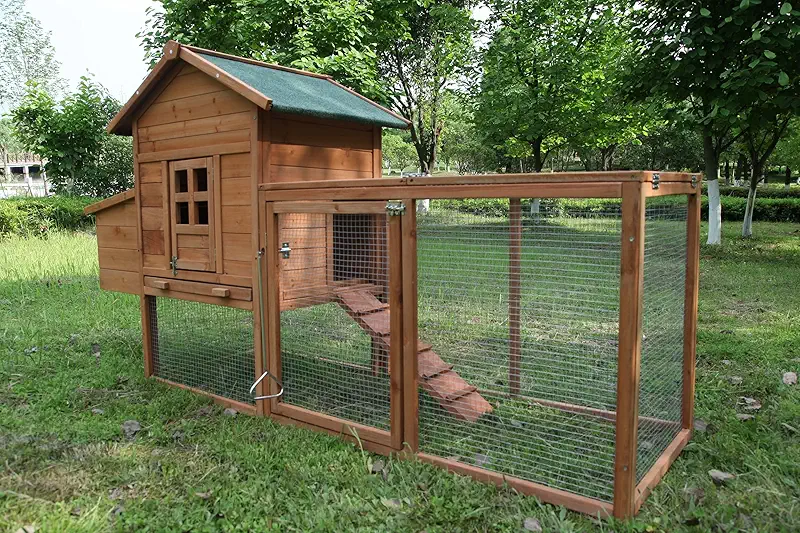
4 Hen Chicken Coop
When folks ask me about starting with chickens, I usually tell them to begin small. A good solid 4 hen chicken coop is just about perfect. Four hens won’t eat you out of house and home, they’re easy to care for, and they’ll still give you more than enough eggs for a hungry family. I started with four myself, many years and many muddy boots ago.
Back then my first coop was a crooked little shed I slapped together from scrap wood and stubbornness. It worked, but it sure taught me what not to do. These days, when I look at the tidy modern coops made for four hens, I shake my head and think, “Boy, I wish I’d had one of those when my back was younger.”
For four hens you don’t need anything fancy, but you do need four things: enough space, dry bedding, strong predator protection, and easy access for you. Get those right, and the rest is just chicken gossip and fresh eggs.
Let me see optionsHow Much Space Do Four Hens Really Need?
I’ve watched a lot of birds in a lot of seasons, and I can tell you this: cramped chickens are cranky chickens. They peck more, squabble more, and lay less. For a 4 hen chicken coop, here’s the simple space rule I’ve settled on over the years.
Indoor coop space
- At least 4 square feet per hen inside the coop.
- That means around 16 square feet total floor space.
- Think something like 4 ft x 4 ft inside as a nice starting point.
Could you go a little smaller? Sure. But every inch you shave off now tends to show up later as noise, stress, and thin egg shells. I’ve never once said, “Wish I’d built that coop smaller.”
Outdoor run space
- At least 8–10 square feet per hen in the run.
- For four birds, I like 40+ square feet if you can spare it.
- More space means less mud, less smell, and happier hens.
When hens have room to scratch, dust-bathe, and strut around, they stay calmer and healthier. If you’ve ever watched hens on fresh grass, you’ll understand why I call it “chicken television.”
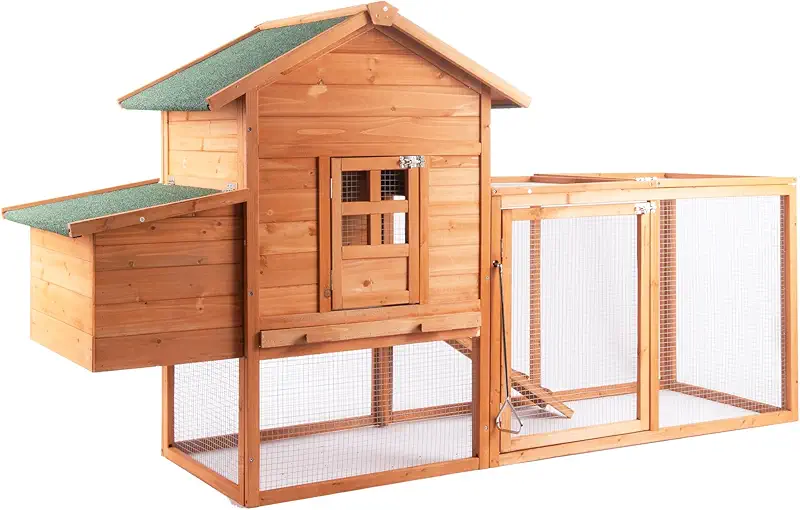
Many ready-made coops sized for a handful of hens include a snug roosting area up top and a little run beneath. When you look at a coop like this, don’t just look at the paint and the roof. Look at how easy it will be to open, clean, and check on your girls when it’s raining sideways.
I want to see moreRoosts, Nesting Boxes, and Layout for Four Hens
A coop isn’t just a little house; to a chicken it’s their bedroom, pantry, and safe cave all in one. The way you lay things out matters. I like to say, “Happy roost, happy rooster,” even though we’re talking hens here.
Roost bars: where they sleep
Chickens prefer to sleep up off the ground. For a 4 hen chicken coop, you don’t need much, but give them:
- 8–10 inches of roost space per bird.
- A sturdy bar about 2–4 feet off the coop floor.
- Rounded edges so their feet don’t get sore.
I’ve used everything from old broom handles to 2x4 lumber turned on edge. These days I lean toward a 2x4 with the wide side up in colder climates so the hens can sit on their feet and keep them warm. Chickens have better sense than we do when it comes to staying cozy.
Nesting boxes: where the magic happens
For four hens, you only need one or two nesting boxes. They’ll all decide one box is the favorite and stand in line like folks at the post office.
- Box size around 12" x 12" x 12".
- One box is usually enough; two is luxury.
- Place the boxes lower than the roost so they don’t sleep in them.
- Keep the inside dim and quiet; hens like privacy for laying.

See how the nesting area in this style of 4 hen chicken coop sits a bit lower and has a simple lid? That’s what my knees call “a blessing” when I’m gathering eggs in the rain. Side or top-access nests save a lot of bending and a lot of cussing under your breath.
This layout makes sensePredator Protection: The Real Test of a Good Coop
I love my hens, but I’m not the only one. Around here we’ve got raccoons, opossums, hawks, the neighbor’s dog, and once a fox who thought he owned the place. A 4 hen chicken coop might be small, but it still has to be a fortress.
Wire and openings
If your coop has a run, I strongly prefer good sturdy hardware cloth over cheap chicken wire. Chicken wire keeps chickens in, but it doesn’t always keep predators out. A raccoon with time on its hands can reach right through.
- Use 1/2" hardware cloth for windows, vents, and runs.
- Cover every opening larger than a fingertip.
- Check latches; if a clever raccoon can open it, it’s not good enough.

When you look at coops like this one, study the wire and the doors. See if the openings are snug and the latches are solid. A nice coat of red paint is pretty, but strong wire and tight doors are what keep you from waking up to a crime scene in the chicken yard.
I should check detailsDigging and climbing predators
Predators don’t always come from the sky or through the door. Some of them come from underneath like furry little miners.
- Bury wire 8–12 inches down, or
- Create a wire “apron” 12–18 inches out on the ground around the run.
- Secure the roof of the run if you have climbing critters.
On my place, an apron of wire laid flat around the run and covered with soil has saved me more than once. The diggers hit that wire and usually change their minds, probably cussing in raccoon language.
Ventilation, Drafts, and Weather
Chickens are tougher than folks think. They handle cold better than heat, but trapped moisture and ammonia will hurt them fast. In a small 4 hen chicken coop, ventilation is your best friend.
Good air, not cold air
You want steady airflow above the hens’ heads without a strong breeze hitting them directly.
- Put vents up near the roofline.
- Screen every vent with hardware cloth for safety.
- Make sure warm, moist air can rise and escape.

On some coops you’ll see little gable vents or a gap under the roof line like this. That’s what keeps the air moving without turning your hens into feathery popsicles. If you live where winters bite hard, you can add a windbreak on the north side and still keep that top ventilation open.
This looks weather smartSun, shade, and placement
Where you park your 4 hen chicken coop matters almost as much as the coop itself.
- Morning sun helps dry out the coop and run.
- Afternoon shade keeps birds cooler in summer.
- Keep the coop on slightly higher ground if you can, to avoid standing water.
I like my coops with their back to the prevailing wind and a door that doesn’t turn into a mud pit every time it rains. Learn from my mistakes: mud plus chicken poop equals a smell you won’t forget.
Bedding, Cleaning, and Smell Control
A clean coop doesn’t have to look like a hospital, but it shouldn’t smell like the wrong end of a cow barn either. For four hens, keeping things tidy is pretty easy once you make it part of your rhythm.
Choosing bedding
Over the years I’ve tried straw, wood shavings, sand, and even shredded leaves. These days I mainly use:
- Pine shavings on the floor of the coop.
- Straw or soft hay in the nesting boxes.
- Occasional handful of dried herbs when I’m feeling fancy.
The trick is to keep it dry. Wet bedding is where smell, flies, and sickness start, and none of those look good on a Sunday morning when family comes by to see your chickens.

When I look at a coop like this, I picture how easy it’ll be to rake out the bedding and add fresh shavings. Wide doors and simple floors save time and your back. Small coops for four hens should still let a grown human get in there without crawling like a raccoon.
Looks easy to cleanCleaning routine for four hens
Here’s what works for me with a 4 hen chicken coop:
- Every day: Scoop the biggest droppings from under the roost; quick and simple.
- Every week: Stir the bedding, add a thin layer of fresh shavings.
- Every month or so: Full clean-out and fresh bedding top to bottom.
I toss the old bedding on the compost pile. After it breaks down, my garden thanks those hens every single summer. Eggs and compost from the same coop—hard to beat that deal.
Feed, Water, and Daily Care
A 4 hen chicken coop doesn’t ask for much each day, but it does ask for consistency. Chickens are creatures of habit; they like their days to run about the same, and to be honest, so do old farmers like me.
Feeding four hens
Four standard laying hens usually eat around a pound of feed a day, give or take.
- Use a good quality layer feed once they’re of laying age.
- Offer oyster shell on the side if egg shells get thin.
- Kitchen scraps are fine in moderation—just skip salty, moldy, or greasy stuff.
Remember, you’re not running a chicken buffet; treats should stay treats. Too many snacks and they’ll lay less and complain more—kind of like people.

I like coops that give me a simple way to hang a feeder and waterer up off the ground, like the setup you might see here. Keeping feed and water at about back-height for the hens cuts down on spilled feed and muddy messes.
I like this setupWater: the quiet key
Clean water does more for a hen than any fancy supplement ever will.
- Rinse and refill waterers daily, more often in hot weather.
- Keep the water in the shade so it stays cool.
- In freezing weather, check several times a day for ice.
On the coldest mornings, I carry warm—not hot—water to the coop. My hens meet me at the door like kids running to the ice cream truck.
Choosing the Right 4 Hen Chicken Coop for You
Not every yard, budget, or back is the same. When I help neighbors pick a 4 hen chicken coop, I ask a few simple questions first.
Questions to ask yourself
- Can I reach every corner of this coop for cleaning?
- Is there enough room inside and outside for four hens to move without fussing?
- Will this stand up to the worst weather we get here?
- Does it have solid ventilation and predator-proof wire?
- Is it easy to collect eggs without twisting like a pretzel?
If you can answer “yes” to those, you’re probably on the right track. Don’t just think about how the coop looks on day one; picture yourself still using it in three winters and a dozen mud seasons from now.
Show me sturdy coops
Coops like this one show how much you can fit into a small footprint: a sheltered roosting box, nesting area, and a safe run underneath. For a starter flock of four hens, that kind of setup can turn a bare corner of your yard into a dependable little egg station.
This could fit my yardFrequently Asked Questions About 4 Hen Chicken Coops
It depends on the breed, age, and season, but a healthy flock of four good laying hens can give you around a dozen to twenty eggs a week in their prime. Spring and early summer are usually their best months. When days get short or they molt, production slows down, so don’t panic if you see a drop in eggs each fall.
No, you don’t need a rooster for eggs. Hens lay eggs whether there’s a rooster around or not. A rooster is only needed if you want fertile eggs for hatching chicks. For a small backyard setup with four hens, most folks are happier without the early morning crowing and extra drama.
Yes, four hens are just the right number for many small movable coops. I’ve used tractors to let birds graze fresh grass while keeping them safe. Just be sure the tractor is sturdy, has shade, and you move it often enough that the ground doesn’t turn into bare, muddy dirt. In hot weather, check that they have plenty of airflow and cool water.
For a small coop, I like calm, medium-sized breeds that handle confinement well. Reliable choices include Australorps, Orpingtons, Plymouth Rocks, and Rhode Island Reds. If you want friendlier “pet” birds, Easter Eggers and Buff Orpingtons are popular. I always tell people: choose temperament first, egg color second, because you’ll be living with these ladies every day.
With decent materials and a little care, a small coop can last many years. Painted wood needs a new coat now and then, and you should keep an eye on the roof and any spots where water might sneak in. I’ve got coops older than some of my neighbors’ kids, still holding strong, thanks to regular cleaning and the occasional nail and board.
If you’re still reading this, I’d say you’re the kind of person four hens will be happy to live with. Take your time, picture your yard, and think about what will make life easier for both you and your birds through heat, cold, mud, and all the days in between.
When you’re ready, you can look over a whole range of sturdy little homes sized just right for a 4 hen chicken coop and see which one feels like it belongs in your corner of the world.
Show me all coops