
4x8 chicken coop
A plain‑spoken guide from a gray‑bearded American farmer who has raised laying hens for decades and learned the hard way what works — and what just looks cute in pictures.
4X8 Chicken Coop: A Cozy Home For Happy Hens
A 4x8 chicken coop hits a sweet spot on a small farm or backyard. Big enough for a solid little flock, small enough that you don’t need a tractor to move it or a loan to build it. I’ve tried all kinds of coops over the years — too small, too fancy, too flimsy. The 4x8 size is the one I keep coming back to for most folks.
Let me walk you through how I think about a 4x8 chicken coop, what it’s really like to live with one day after day, and how to pick a good one so your birds stay safe, dry, and laying strong.
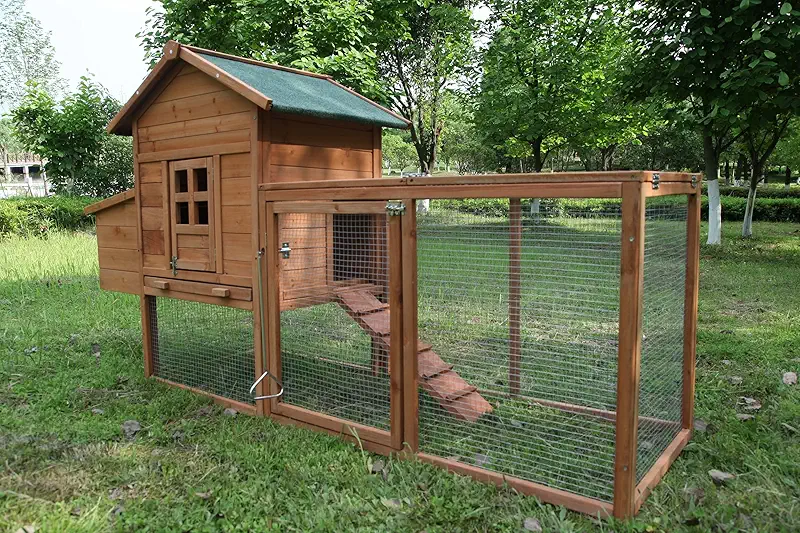
Why a 4x8 Chicken Coop Works So Well
Out here on my place, I’ve built coops from old sheds, horse trailers, and once from a kid’s playhouse my neighbor was throwing away. Some worked better than others. When folks ask me what size to start with, I usually say, “If you’re serious about eggs but don’t want to get in over your head, a 4x8 chicken coop is hard to beat.”
That 4x8 floor gives you about 32 square feet. For standard laying hens, that’s enough room for a comfortable little flock, if they also get some run space outside. It’s a good balance between:
- Enough room so birds aren’t stressed or pecking each other.
- Not so big that you’re wasting materials, time, and heat in winter.
- Manageable weight if you want a coop you can drag or move.
“If you can’t clean it in 20 minutes, it’s too big for a first coop.” — lesson I learned after building a monster barn coop that took half a Saturday just to shovel out.
With a good 4x8 setup, I can step in, grab eggs, change water, and rake shavings without doing farmyard gymnastics. And I’m not crawling on my knees, which my back appreciates more with every birthday.
How Many Chickens Can Live in a 4x8 Coop?
This is the question I hear more than any other. Let me give you the honest answer, not the “on the box” answer. Many fancy listings will claim a 4x8 chicken coop can hold a dozen or even more birds. Technically, you might squeeze that many in there. But you and your hens won’t be happy for long.
Here’s what’s worked for me over the years:
- 6–8 standard hens if they have a decent outside run or free‑range during the day.
- 8–10 bantams (the little feather‑footed troublemakers) with a run.
- 4–5 big heavy breeds (like Brahmas or Jersey Giants) if you want them really comfortable.
Could you stuff more in? Sure. You can also wear boots two sizes too small. Doesn’t mean you should.
I aim for about 4 square feet per bird inside and 8–10 square feet per bird outside in the run. A 4x8 chicken coop with a well‑sized run hits that nicely for most backyard flocks.
When birds have room to move, they stay calmer. That means fewer pecking problems, fewer health issues, and better laying. Cramped hens might still lay, but they’ll be loud about it — and so will your neighbors.
Essential Features to Look For in a 4x8 Chicken Coop
When I look at a 4x8 coop, I don’t start by asking, “Is it cute?” I start with, “Will it keep my birds alive and dry in a January storm?” Fancy trim doesn’t matter much when the wind’s howling and the rain’s sideways.
1. Strong, Weather‑Ready Build
A good 4x8 chicken coop needs solid bones. Thin, wobbly panels might look fine in a sunny product photo, but out in real weather they warp, leak, and sometimes tip. Yes, I’ve chased part of a cheap coop across my yard during a wind storm. The hens were not impressed.
- Framing: Look for sturdy wood or metal supports, not just thin decorative boards.
- Roof: A pitched roof that sheds water, with real roofing material (metal or shingles).
- Floor: Raised off the ground to keep things dry and discourage rats.
2. Ventilation Without Drafts
Chickens breathe out a lot of moisture, and their poop gives off ammonia. In a tight little 4x8 space, that builds up fast. You want air to move, but not blast across their backs at night.
- High vents: Openings near the top of the coop so warm, moist air can escape.
- Protected windows: Covered with hardware cloth, not flimsy chicken wire.
- Draft‑free roosts: No big gaps right at roost height.
If you walk into the coop and your eyes sting or your nose wrinkles, the hens have been breathing that all night. Add more ventilation.
3. Good Roosts and Nesting Boxes
Think of the roosts in a 4x8 chicken coop like bunk beds in a small cabin. They need to be strong and spaced right so everyone can sleep without fighting.
- Roost size: 2x4 boards with the wide side up work great. Hens like a flat surface.
- Height: Around 18–24 inches off the floor is a good starting point.
- Nests: One box for every 3–4 hens is usually enough.
In my coops, the roosts are always higher than the nesting boxes. Chickens head for the highest spot they can. Give them a proper perch so they don’t decide to sleep in the nest and leave you dirty, broken eggs.
4. Easy Access for You
I care about the hens, but I also care about my back and my knees. A 4x8 chicken coop should be laid out so cleaning and egg‑gathering are quick and simple.
- Big enough doors for you to reach every corner.
- Nest boxes you can open from outside are a blessing on rainy mornings.
- Flat, simple interior — less stuff for manure to stick to.
If you’re bending like a pretzel every time you gather eggs, you’ll start putting chores off. A good coop setup makes it easy to stay consistent, and chickens love consistency.
Pictures of 4x8 Coops and What They Teach
Let’s talk through some common 4x8 style coops you’ll see. The photos below might look like pretty catalog shots, but I’ll tell you what I see with my farmer eyes: where rain will run, where predators might test, and how easy it’ll be to live with day to day.
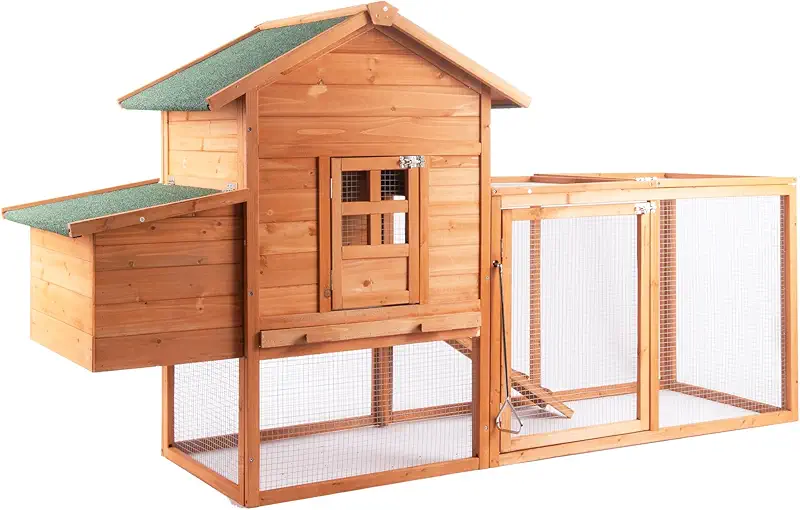
Compact 4x8 chicken coop with attached run. Handy if you want everything in one footprint and not much spare yard.

Taller 4x8 design with human‑height doors. Your back will thank you every time you clean or check on a broody hen.

4x8 chicken coop raised off the ground. Keeps the floor dry and gives birds a shady space to duck under in summer.

Side‑access nest boxes on a 4x8 coop. Nice when you’re grabbing eggs in mud boots and don’t want to step inside.
When I’m looking at any 4x8 chicken coop photo, I ask:
- Where does the rain go?
- Can a raccoon get a good grip anywhere?
- How will this look after a month of real chicken use, not just one clean photo?
If you keep those questions in mind while you browse, you’ll start to see coops the way an old farmer does, not the way a catalog does.
Setting Up Your 4x8 Coop: Location and Layout
A good 4x8 chicken coop in the wrong spot will still give you headaches. A decent coop in the right spot will treat you well for years. I’ve dragged coops around my property enough times to know that picking the right place up front saves a lot of sweat later.
Pick a Dry, Slightly High Spot
Water is your coop’s enemy. A 4x8 footprint can turn into a sloppy mess if it sits in a low place where rain collects.
- Look for a gentle slope where water naturally runs away.
- Avoid the very bottom of a hill where everything drains.
- Consider wind: turn the solid side of the coop toward your strongest winds.
Sun, Shade, and Neighbors
Chickens don’t need privacy fences, but your neighbors might appreciate a bit of distance.
- Morning sun: helps dry things out and encourages the hens to start the day.
- Afternoon shade: from a tree or building keeps the coop cooler in summer.
- Not right under your bedroom window: roosters don’t own watches.
My best‑behaved 4x8 chicken coop sits where it gets good morning light and afternoon shade from an old maple. The birds dust bathe under the tree most of the day, then march into the coop as soon as the shadows stretch. Creatures of habit.
Daily and Weekly Care for a 4x8 Chicken Coop
A coop that’s easy to maintain is a coop that stays clean. And a clean coop means healthier hens and fewer smells. Your 4x8 chicken coop doesn’t need to sparkle — it just needs to stay dry, reasonably clean, and well‑bedded.
My Simple Routine
Here’s how I usually keep up with a 4x8 coop, without turning it into a full‑time job:
- Every day: Check water, top off feed, grab eggs, quick look at droppings for anything odd.
- Every few days: Rake or stir bedding, scrape obvious messes off roost board.
- Every few weeks: Pull out the old litter, add fresh shavings or straw.
- Twice a year: Big clean‑out, check for leaks, patch any chewed spots.
In a 4x8 space, the job goes quickly if everything’s laid out smart. I can clean one of my coops in less time than it takes coffee to cool down enough to drink.
Bedding That Works
I like pine shavings for most of my 4x8 chicken coops. They’re absorbent, easy to rake, and they don’t get heavy and sour like wet straw can.
- Start with a few inches on the floor.
- Top it up instead of stripping it every few days.
- Swap it out fully when it starts to smell strong.
Whatever you use, keep it dry. Wet bedding in a 4x8 coop turns into a stink bomb fast, especially in warm weather.
Keeping Things Rodent‑Resistant
Mice and rats love chicken coops even more than chickens do. A 4x8 coop is just the right size for them to feel cozy if you’re not careful.
- Store most feed in metal cans outside the coop.
- Use solid flooring or bury hardware cloth around the base.
- Don’t leave piles of spilled feed in the run.
One winter I got lazy and left a bag of feed leaning against a 4x8 coop. By spring, the mice had chewed a tunnel right into the wall. Lesson learned.
Predator Protection for a 4x8 Chicken Coop
Out here, everything seems to like chicken as much as people do: raccoons, foxes, skunks, hawks, neighbor’s dogs, you name it. A 4x8 chicken coop needs to be a little fortress at night. You can be kind to animals and still take predators seriously. They just see your hens as dinner on legs.
Stronger Than Chicken Wire
Chicken wire keeps chickens in, but it doesn’t do much to keep predators out. I’ve seen raccoons tear it and reach right through it like it was salad netting.
- Use hardware cloth (that tight, stiff wire mesh) for windows and vents.
- Cover any opening bigger than your thumb.
- Make sure doors and latches are tight — raccoons have clever little hands.
Diggers and Climbers
In a 4x8 run, predators may try two tricks: dig under or climb over.
- Bury wire around the base in an “L” shape, or lay it flat around the coop and cover with soil.
- If you can, cover the top of the run — especially if you’ve got hawks around.
- Keep grass and brush trimmed so you can see tracks and trouble early.
I sleep better when I lock up the 4x8 coops knowing anything short of a bear is going to have a hard time getting in. And if you’ve got bears, well, that’s a whole other conversation.
Raising Laying Hens in a 4x8 Chicken Coop
The real joy of a 4x8 chicken coop is in the rhythm of egg‑gathering. There’s something about reaching into a warm nest on a cold morning that never gets old. Let me share a few things I’ve learned about keeping good layers in a space this size.
Breeds That Fit This Space
In a 4x8 chicken coop, I lean toward calm, steady layers that don’t mind a smaller house:
- Rhode Island Red — tough birds, lay well in cold.
- Buff Orpington — gentle, big golden feather balls.
- Plymouth Rock — friendly, good farmyard personalities.
- Isa Brown / sex‑links — egg machines, though they burn out a bit faster.
Mix a few breeds if you like. It makes egg‑gathering more fun when you get different shell colors in the same little 4x8 coop.
Feed, Water, and Light
In a smaller coop, feeders and waterers take up precious floor space. I like to:
- Hang the feeder just high enough that they don’t kick bedding into it.
- Use a narrow waterer so it doesn’t become a swimming pool.
- Keep both close to the door for easy refilling.
As for light, your hens don’t need a bright house, but a little extra light in winter can help maintain laying. Just don’t run a heater unless you really know what you’re doing — coops catch fire faster than you can grab a hose.
Laying hens in a 4x8 chicken coop do best when things are predictable: same feed, same bedtime, same nesting spots. They’re small birds with big opinions about routine.
Should You Build or Buy a 4x8 Chicken Coop?
I’ve built coops from scratch and I’ve bought ready‑made ones. My hammer and I have both said some words we can’t repeat here. Both paths can work fine; it depends on your tools, time, and how straight you can cut a board.
Building Your Own
If you’re handy and have some tools, building a 4x8 chicken coop is a nice weekend project:
- You can overbuild it a bit and know it’s sturdy.
- You can set doors, roosts, and nests exactly where you like them.
- You may spend about the same as a kit, depending on lumber prices.
Just remember: plans always look easier on paper than in the yard. Measure twice; then let the chickens judge your carpentry. They’re tough critics.
Buying a Coop or Kit
If you’d rather spend more time watching chickens and less time wrestling boards, a ready 4x8 chicken coop can make good sense. When I’m looking at pre‑made coops, I pay close attention to:
- Real photos from different angles so I can see the structure.
- Assembly notes (nobody wants 900 unlabeled screws).
- Reviews from folks with winters like mine — what survives mild weather might not survive a blizzard.
There are plenty of 4x8‑style coops and runs you can look through online, and some of them have surprised me in a good way. Not everything that comes in a flat box is flimsy these days.

Sturdier 4x8 frame style with more lumber and bracing. That “extra wood” feeling usually pays off during storm season.

4x8 chicken coop with extended run and walk‑in access. Clean‑up days go easier when you can just step right inside.

Smaller footprint variation still in the 4x8 family, better suited for tight backyards or starter flocks.
Common Questions About 4x8 Chicken Coops
Final Thoughts From an Old Farm Hand
After decades of chasing feathers, fixing sagging doors, and collecting more eggs than I can count, I’ve come to like the 4x8 chicken coop best for most folks starting out or staying small. It’s the right mix of simple, manageable, and roomy enough for a little flock to live a good life.
Don’t overthink it, but don’t rush it either. Look for something sturdy, easy to clean, and honest about how many birds it can hold. Picture yourself opening that door on a frosty morning, coffee in one hand, egg basket in the other. If the coop you’re looking at makes that scene feel easy, you’re on the right track.
And remember: chickens don’t care if the trim matches your house. They care about dry bedding, safe walls, and a calm place to roost. Get those things right in your 4x8 chicken coop, and the hens will do their part — one warm egg at a time.
When you’re ready to look around, you can browse different 4x8 chicken coop styles and see what fits your space and your birds.
I’ll see what fits