
50 chicken coop plans
I’ve been raising laying hens here in the States for more years than my knees are willing to count. Over the seasons I’ve tried tiny tractors, tall walk‑ins, fancy setups and some real ugly “it’ll do for now” shacks. Let me walk you through 50 chicken coop plans in simple farmer language, so your birds stay safe, dry and busy laying.
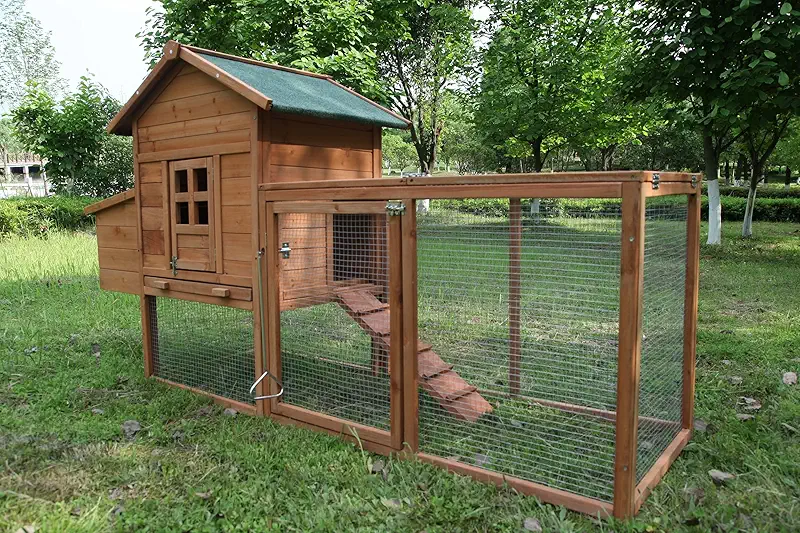
How Many Hens, How Much Space? Start Here
Before we even talk about the 50 chicken coop plans you could follow, we need to talk about space. Every spring I see the same thing: folks rush into chickens, then by fall their birds are crowding each other like kids on the last school bus.
For standard laying hens, I aim for about 4 square feet of indoor coop space per bird, and 8–10 square feet in the run. So if you’re planning on 6 hens, a simple math check says:
- Indoor coop: around 24 square feet (say 4 ft x 6 ft)
- Outdoor run: 60 square feet or more
Can you squeeze them tighter? Sure. Will they pick on each other, pull feathers, and go broody at all the wrong times? Very likely. Hens are like neighbors: a little elbow room keeps the peace.
When you look at any of the 50 chicken coop plans out there, ask first, “Will this still work when I add a few more hens?” Because you will add more. We all say we won’t. We all lie.
From Tiny To Tall: 10 Styles You’ll See In 50 Chicken Coop Plans
Most of the plans you’ll run into fall into a few main styles. Let me walk you through them the way I’d explain it leaning on my barn door.
1. Small Backyard Starter Coops
These are the little houses folks tuck behind a garage or by the garden. Good for 3–6 hens. If you’re just dipping your boots in, a compact coop plan is a nice low‑risk start.
- Easy to clean if the door actually opens wide (watch for that in the plan).
- Good choice if your town has limits on flock size.
- Cheap to build if you’ve got leftover lumber or pallets.
2. Walk‑In Coops
My back loves a walk‑in coop. If you can stand up inside, you’re more likely to keep the place clean. Plans for walk‑ins usually handle 8–20 birds, depending on the footprint.
You get room for:
- Proper roost bars at chest height
- Nesting boxes at waist height
- Storage for feed and bedding inside the coop
If you’ve got the space and a few extra boards, I tell folks to lean toward a walk‑in design. Your future self, and your future eggs, will thank you.
3. Chicken Tractors
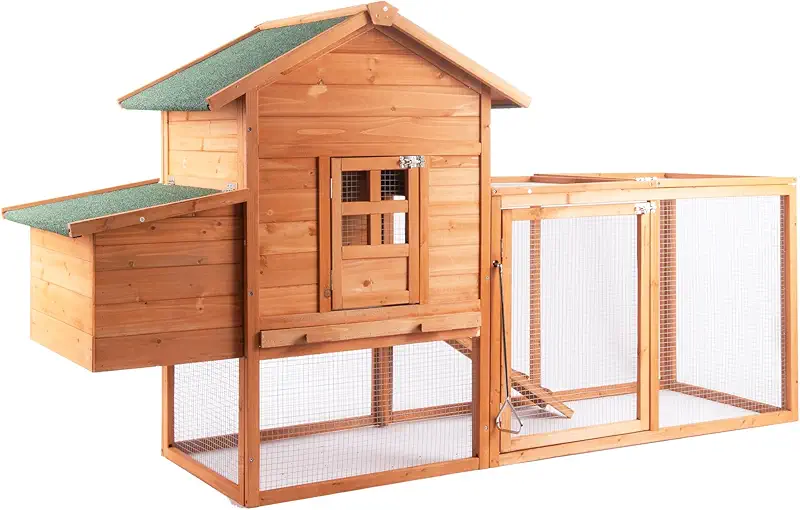
A chicken tractor is just a coop and run you drag around the yard. Back when my kids were small, I called it “mowing with feathers.” The plans for these coops focus on lightweight frames, wheels, and handles.
- Great for fertilizing the lawn or garden.
- Helps hens find fresh bugs every day.
- Needs good hardware cloth on the bottom or solid skirting to stop diggers.
4. Raised Coops On Stilts
I’m partial to coops raised 2–3 feet off the ground. The hens get shade and dry ground under the coop, and you get less bending when you’re collecting eggs.
When you look at raised coop plans, check that the supports are stout. Those birds might be light, but a full coop, wet bedding and a snow load on the roof will test your carpentry.
5. A‑Frame Coops
A‑frames pop up in a lot of 50 chicken coop plans because they’re simple triangles made of two sloped sides. They shed rain and snow nicely and are quick builds.
Just remember:
- Headroom can get tight, especially for roosting space.
- Make sure you have good access doors or your clean‑outs will be miserable.
Choosing The Right Plan: What I Look For First
After you’ve peeked at a pile of 50 chicken coop plans, they start to blur together. Here’s the filter I run every plan through after too many years of trial, error, and one coop that nearly blew to Kansas.
1. Ventilation, Ventilation, Ventilation
If a plan doesn’t show real vents high up on the walls, I move on. A tight coop looks cozy on paper, but in real life moisture and ammonia from droppings build up quick.
In my coops I want:
- Openings up near the roof line on at least two sides.
- Covered with hardware cloth, not flimsy chicken wire.
- Ability to close part of it in harsh winter winds, but never all of it.

2. Predator Protection Built In
Out here I’ve got raccoons that can open latches, foxes that dig, hawks that circle, and neighborhood dogs that think my hens are squeaky toys. Your coop plan needs to assume the worst.
- ½" hardware cloth on windows and vents, not chicken wire.
- Locks that a raccoon can’t flip open like a teenager opening the fridge.
- Ideally, a buried apron of wire fencing around the run.
3. Easy Clean‑Out
Look closely at how you’ll clean the coop. Wide doors? Removable dropping boards? Enough headroom?
I learned the hard way with a low, cute little coop that looked great in the plan. Two months in, I was crawling in there with a bucket, banging my head on the roof and swearing at my past self.
4. Roosts And Nesting Boxes In The Right Spots
A good plan will show roost bars higher than the nesting boxes. Chickens always go for the highest perch. Put nests higher and they’ll sleep there and poop in them all night. Ask me how I know.
I aim for:
- Roosts about 18–24 inches off the floor for standard breeds.
- At least 8–10 inches of roost space per bird.
- One nest box for every 3–4 hens.
My Favorite Types Among 50 Chicken Coop Plans
Let me pick out a few styles from the sea of 50 chicken coop plans that have treated me, my hens, and my aching back the best over the years.
1. The Simple 4x8 Backyard Workhorse
I always come back to a basic 4x8 coop with a shed roof and a secure attached run. It’s big enough for a family flock and small enough to tuck along a fence line.
- Easy to frame using standard lumber lengths.
- Room for 6–8 hens with good space.
- Simple roof pitch that sheds water and snow.
If you’re staring at too many options and your head’s spinning, a tidy 4x8 style is the “meat and potatoes” choice. Not fancy, but it works day in and day out.
2. The Tall Walk‑In With Storage
Once my flock passed a dozen layers, I moved to a taller coop I could walk into easily. Space for a small feed bin and a bale of shavings inside saves a lot of trips, especially in winter.
What I love most is having:
- A people door that doesn’t require ducking.
- Nests along one wall and roosts along the other.
- A little shelf for oyster shell, grit and the egg basket.
When you scan taller coop plans, imagine handling chores during a freezing rain. Anything that keeps you out of the wind a few extra minutes is worth it.

3. The Mobile Tractor For Garden Beds
I’ve used mobile tractor‑style coops to clean up spent garden beds. The hens scratch out bugs, eat leftover plants, and leave behind fertilizer that beats anything you’ll find in a fancy bag at the store.
When I look at tractor plans, I pay attention to:
- Weight – light enough that I can move it alone when the ground’s a little soft.
- Wheel placement – far back enough that it doesn’t tip when you pick up the handles.
- Shade – birds need a place to get out of summer sun.
Building Or Buying: How 50 Chicken Coop Plans Fit In
Some folks love to build from scratch. Others would rather skip the sawdust and start collecting eggs. I’ve done both, and there’s no shame either way.
Plans are useful even if you never pick up a hammer. They teach your eye what works and what causes trouble.

When Building Makes Sense
- You’ve got access to tools and don’t mind a weekend project.
- You want to use rough‑cut lumber, pallets or reclaimed barn wood.
- Your yard is a weird shape, and you need custom sizing.
In that case, digging through 50 chicken coop plans will give you ideas to mix and match. I’ve stolen little details from all sorts of designs: a pop‑door here, a roof overhang there, a clever nesting layout from another.
When Buying Saves Your Sanity
- Your free time is already spoken for by work, kids, or cows.
- You don’t own many tools and don’t want to buy them.
- You want birds sooner rather than “after three weekends if the weather cooperates.”
In that case, I treat pre‑made coops like “physical plans.” I still run them through my ventilation, predator‑proofing and space checklist, then tweak if needed.
If you’re anything like me, it helps to browse real coops while you think through all these options. You can look over many designs side by side, then decide whether to copy, tweak, or build something of your own.
Let me compare coopsPractical Tips For Happy Laying Hens
A good coop is just one piece of the puzzle. Once you’ve settled on a plan, you still need to set your girls up for an easy, steady laying life.
Nesting Box Secrets From A Tired Farmer
I used to overthink nesting boxes. Truth is, hens just want a quiet, dim, comfy spot that feels safe. Some of my best‑used nests have been nothing more than old milk crates with a board across the front.
- Keep nests off the floor but lower than the roosts.
- Add a little lip on the front to hold bedding and eggs.
- Use something easy to remove and scrub if it gets messy.
And no matter how many boxes you offer, they’ll always pick the same favorite one and line up for it. Chickens don’t believe in personal space when it comes to laying.
Feed, Water, And Grit
Layer feed, clean water and access to grit are the basics. I hang my feeders just below head height so they don’t scratch so much junk into them. For waterers, I like to keep at least two around in hot weather, in case one gets tipped.

Light And Laying
Chickens lay best with around 14–16 hours of light. In winter, egg numbers dip as the days shorten. Some folks add coop lights on timers to keep production up. I’ve done it both ways.
These days, I give my older hens a bit of a winter break. I still like to see eggs in the carton, but I also like working with nature instead of against it. If you do add lights, keep them gentle and consistent.
Dealing With Heat And Cold
Where I live, summers get hot enough to make a chicken pant and winters drop well below freezing. A lot of the 50 chicken coop plans you’ll see are drawn for milder weather, so you may need to tweak for your climate.
- In heat: shade, airflow, plenty of cool water, and light‑colored roofing matter.
- In cold: dry bedding, wind blocks, and deep litter help more than heat lamps.
I’m not a fan of heat lamps in coops unless you’re very experienced and very cautious. Too many barn‑burning stories start with a loose clamp and some dusty bedding.
Using 50 Chicken Coop Plans To Learn, Even If You’re New
When you’re just starting with laying hens, digging through 50 chicken coop plans can feel like drinking from a fire hose. Here’s how I’d tell a new neighbor to use them without getting overwhelmed.
- Pick your flock size for the next 2–3 years, not just this season.
- Measure your space and note any slopes, trees or tight corners.
- Choose a coop style that fits that space: small, walk‑in, tractor, raised, or A‑frame.
- Compare 3–5 plans in that style and note what you like in each.
- Check each plan for ventilation, predator‑proofing and clean‑out doors.
By the time you’ve done that, you’ll know more than half the backyard chicken keepers in the country. You’ll see patterns in what works and what just looks cute on paper.

Remember, no plan is perfect straight out of the gate. I’ve never built or bought a coop I didn’t tweak somehow. A window here, a different latch there, a little extra roof over the pop‑door.
That’s part of the fun. Chickens don’t care if the trim matches or the paint is fancy. They care if the coop is dry, safe, and feels like home.
And between you and me, after you finish your first coop, you’ll already be day‑dreaming about the next “improvement” one. That’s how a simple flock of six hens turns into a lifetime hobby.
Common Questions About Chicken Coops And Laying Hens
For a typical small coop, I like 4–6 hens at most. Give them around 4 square feet inside per bird and as much run space as you can spare. Yes, you’ll see pictures online of tiny coops packed full of birds. Those photos don’t show you the pecking, feather loss, or stress. Start with fewer hens in more space and you’ll get better eggs and fewer headaches.
They fall in love with how it looks and forget how it works. Pretty trim and fancy paint won’t fix poor ventilation, awkward doors or weak predator protection. When you compare plans, put function first: air flow, access for cleaning, and a solid structure that can handle your weather. Decorate later if you still feel like it.
For keeping chickens in, chicken wire is fine. For keeping predators out, hardware cloth wins every time. Raccoons and dogs can rip chicken wire like wet paper. I use chicken wire only inside the run where nothing can reach, and hardware cloth for windows, lower walls, and anywhere a hungry critter might test the fence.
For standard laying hens, I like roost bars about 18–24 inches off the floor, and nesting boxes a bit lower than that. The key is simple: roosts higher than nests, nests higher than the floor. That keeps hens sleeping where they should and laying in boxes that stay cleaner. Heavy breeds may appreciate slightly lower bars; lighter birds will happily fly higher if you let them.
Most healthy hens don’t need a heated coop as long as it’s dry and draft‑free. I use deep bedding, block direct wind on roost level, and keep ventilation up high. Insulation can help in very cold areas, but only if it’s covered so birds can’t peck it. Heat lamps worry me more than the cold does, because of fire risk. If you do use any heat, secure it like your barn depends on it—because it does.
Ready To Explore More Chicken Coop Ideas?
If you’ve read this far, you’re already ahead of where I was with my first bunch of hens and a leaky plywood box. Now you know what to look for in 50 chicken coop plans: enough space, good airflow, solid predator protection, and easy clean‑outs.
The next step is simple: keep looking at real coops and let your eye sharpen. You’ll see what fits your yard, your weather, and your flock the best.
Take your time. Hen houses don’t have to be perfect, they just have to be good enough that your birds stay safe and dry and you don’t dread morning chores. The right design—whether built from a plan or brought in on a truck—will feel like it belongs in your yard.
When you’re ready to browse more designs, comparing different shapes and layouts side by side can really help. You’ll quickly spot which ideas feel right and which ones would just be more work.

If you’d like to see how all these ideas come together in real‑world designs, you can wander through a wide range of ready‑made coops and layouts, then decide what feels right for your flock and your backyard.
Show me all coops