
5x5 chicken coop
Straight talk from a farmer who’s hauled more feed bags than emails.
I’ve been raising laying hens for decades out here in the States, through blazing summers, ice storms, and everything in between. A solid 5x5 chicken coop has become my favorite “sweet spot” size for a small backyard flock.
If you keep around 4–6 hens and want them laying steady, staying dry, and living a calm life, that little 25‑square‑foot box can do a whole lot of work—if it’s built and set up right.
Let me walk you through how I think about a 5x5 chicken coop: what it can hold, what to watch out for, and the kind of details that keep eggs in the basket and headaches out of your day.
Let me see options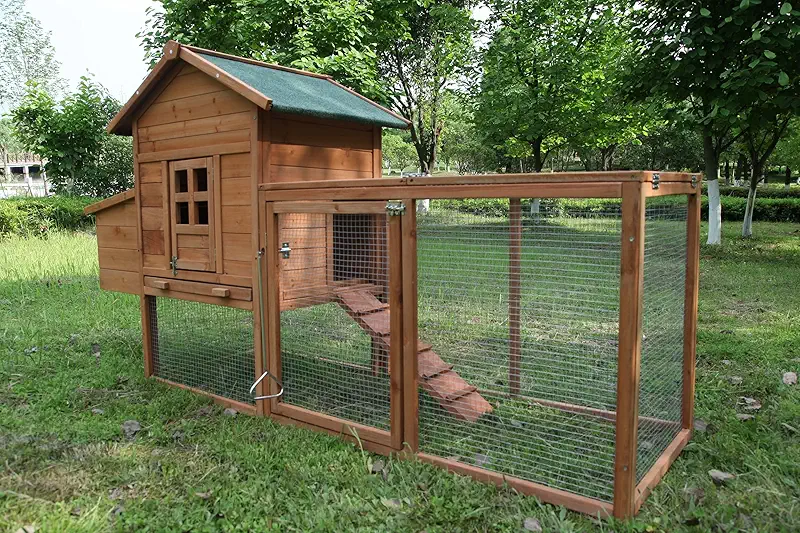
This kind of compact coop works well for a handful of calm laying hens, especially if they have a run or yard to stretch their legs.
Why a 5x5 chicken coop hits the sweet spot
Over the years I’ve tried everything from tiny tractor coops to big walk‑in barns. I keep coming back to the 5x5 chicken coop for small flocks. It’s big enough for comfort, small enough to manage, and it doesn’t eat your whole yard.
On my place, this size has been perfect for neighbors who want fresh eggs but don’t want chickens taking over their life—or their lawn. You can tuck a 5x5 coop beside a shed, along a fence, or behind the garden and still have room to mow around it.
How many hens in a 5x5 chicken coop?
Now, this is where folks argue like it’s Sunday at the diner. I’ll tell you what’s worked for me, not what looks good on a chart:
- 4 hens: Luxury living, easy to keep clean, low drama.
- 5–6 hens: My personal comfort zone, if they also have outdoor space.
- 7–8 hens: Only if they’re out in a run or yard most of the day and you stay on top of cleaning.
Remember, the 5x5 chicken coop is the bedroom, not the whole house. Hens need elbow room outside. A crowded coop turns happy hens into feather‑plucking little grumps, and grumpy hens don’t lay well.
Good fit for backyard life
Most folks I help these days are in suburbs or small towns. A 5x5 coop fits nicely with that kind of life:
- Doesn’t tower over the fence.
- Easy to hide with a couple bushes or a small trellis.
- Light enough to move with a buddy, if needed.
- Simple to wire in a small light or heated waterer.
I always say: if a chore takes too long, it won’t get done on a busy Tuesday. This size keeps chores short and sweet.
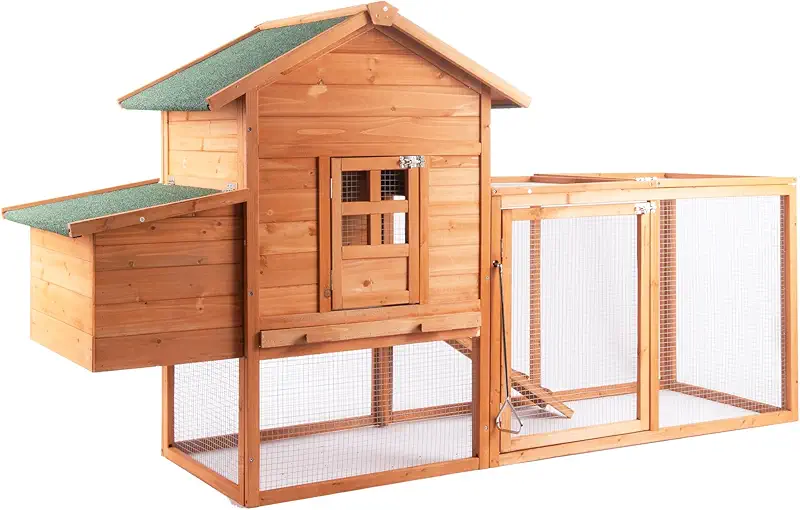
A simple run added to a 5x5 coop makes a world of difference for flock health and egg consistency.
Key features I look for in a 5x5 chicken coop
When I walk up to a 5x5 chicken coop—whether it’s home‑built or store‑bought—I look for the same basic things every time. Hens don’t care how fancy something looks. They care about dry feet, steady air, and quiet places to lay.
1. Strong floor and dry feet
First thing I check is the floor. If the floor is weak, the whole coop is a headache waiting to happen.
- Raised off the ground a bit to keep it dry.
- No big gaps for rats or snakes.
- Solid enough so it doesn’t sag under deep bedding.
I like to lay a good layer of pine shavings or chopped straw. In a 5x5 coop you don’t need much, so it’s cheap to keep fresh.
2. Ventilation without a draft
Hens breathe out moisture just like we do. Packs of damp air inside a coop will give you frostbite and respiratory trouble faster than a cold snap.
On my own 5x5 chicken coop, I aim for:
- Vents higher than roost level so air moves above the birds.
- At least two sides with openings you can close in bad weather.
- Wire‑covered vents so critters don’t turn them into doors.
3. Roosts at the right height
Hens like to sleep up off the floor. Give them a sturdy roost and they’ll hop up every evening like clockwork.
- Roosts a bit higher than nest boxes so they don’t sleep where they lay.
- Rounded edges so their feet rest easy.
- Enough length—about 8–10 inches of space per bird.
In my 5x5 coop, I run two roost bars side by side. Makes it simple and gives them choices. Chickens love choices, almost as much as they love digging up my wife’s flower beds.

A simple, clean layout inside a 5x5 coop keeps daily chores easy and eggs cleaner.
4. Nest boxes that feel like hiding spots
Hens like to feel hidden when they lay. If they don’t trust the boxes, they’ll lay behind the feed can, under the coop, or wherever you least expect it.
- One nest box for every 3–4 hens is plenty.
- Boxes slightly lower than the roosts.
- Soft bedding and a lip to keep eggs from rolling out.
With a well‑set 5x5 chicken coop, I can collect all my eggs from one small spot, usually in under a minute. Makes mornings smoother than my coffee, which says a lot.
Setting up your 5x5 chicken coop step by step
If I were helping you in person, we’d walk the yard together first. Where you set a 5x5 chicken coop matters more than which paint color you pick.
1. Pick the right spot
Here’s what I look for before anything else:
- High and dry: Avoid low spots where rain collects.
- Some shade: Morning sun and afternoon shade is ideal.
- Not right under a big tree: You don’t want heavy limbs dropping in storms.
- Close to water: Hauling buckets all winter gets old fast.
Many backyard folks tuck their 5x5 coop just off the patio so kids can collect eggs in their pajamas.
2. Prepare the base
Even with a prebuilt 5x5 chicken coop, I like to prep the ground:
- Rake it level and firm.
- Add a strip of gravel or concrete blocks under the runners.
- Leave space around it so you can walk and clean.
A level base keeps doors swinging right and helps the coop last longer.

A flat, well‑drained spot will save you from muddy boots and stuck doors when the weather turns nasty.
3. Bedding, feed and water
Inside the coop I keep things simple:
- 2–3 inches of dry bedding on the floor.
- Hanging feeder just high enough that they don’t kick bedding into it.
- Water inside in winter, outside in summer if you’ve got a run.
In a 5x5 space, a small hanging feeder and a compact waterer are more than enough for a handful of hens.
Keeping hens happy in a 5x5 chicken coop
A well‑designed coop is half the story. The other half is how you use it day after day. Chickens are creatures of habit, and a 5x5 chicken coop makes those habits easier to manage.
Daily and weekly routines
Here’s roughly how I work with a small 5x5 setup and 5–6 hens:
- Morning: Open the pop door, quick glance inside, top off water if needed.
- Evening: Count birds on the roost (takes seconds), latch the coop.
- Every few days: Replace nest bedding if it’s dirty, scrape droppings board if you use one.
- Every couple of weeks: Stir or replace floor bedding, look for any damp spots or drafts.
Because the 5x5 coop is compact, I can check every corner without even stepping fully inside some models. That saves time and keeps small problems from turning into big ones.
Dealing with weather
Across the States I’ve seen 5x5 chicken coops handle all kinds of weather, but you have to give them a little help:
- Summer: Open vents wide, add shade cloth if needed, keep water cool and fresh.
- Winter: Close drafts at bird level, keep upper vents open, add extra dry bedding.
- Storms: Check the roof and latches ahead of time; chickens hate flapping sheet metal almost as much as I do.
Don’t be tempted to seal the coop tight in winter. Dry and cool is better than warm and damp.

With good ventilation and dry bedding, a 5x5 coop can handle winter surprisingly well without turning into a frostbite factory.
Common mistakes with a 5x5 chicken coop
After years of helping friends and neighbors, I see the same handful of mistakes pop up with small coops. They’re easy to avoid if you know what to watch for.
Trying to cram in too many hens
Folks see extra floor space and think, “Maybe I can add just two more…” That’s how you end up with pecked backs and bare tails. Remember, room on the roost bar matters as much as floor space. In a 5x5 chicken coop, I like to stop when the roost feels full but not crowded.
Not planning a run or yard
A 5x5 coop by itself is only half the setup. Unless your birds free‑range most of the day, plan some kind of outside area:
- Simple wire run for when you’re not home.
- Portable fencing you can move around the yard.
- A small fenced patch of garden in the off‑season.
Letting small drafts sneak in
On a cold night, a “little crack” at bird level can chill a hen fast. On my coops I run my hand along the walls at dusk. If I can feel a breeze where the birds sleep, I patch it before winter really hits.
Ignoring predators
Everything loves chicken as much as we do—raccoons, foxes, dogs, the works. With a 5x5 coop, that usually means:
- Secure door latches that can’t be bumped open.
- Half‑inch hardware cloth on vents and windows.
- Checking for digging along the edges after heavy rain.

A sturdy little 5x5 coop with good wire and tight latches can stand up well to nighttime visitors.
Forgetting about your own back
Get a 5x5 chicken coop with doors and access that fit you, not just your birds. If you have to crawl on your knees to clean, I give it two weeks before you start skipping chores.
Real‑world example of a 5x5 chicken coop flock
A couple years back, I helped a young family set up their first flock. They had two kids, a small yard, and a golden retriever who thought every chicken was his new toy.
We settled on a 5x5 chicken coop with a simple attached run. Here’s what it looked like in practice:
- Five calm brown egg layers—Buff Orpingtons and a couple Barred Rocks.
- Roosts running the full width along the back wall.
- Two nest boxes mounted on the side with outside access.
- A modest run they could eventually expand if they caught the “chicken bug.”
Within a month, the kids had their egg‑collecting routine down. The parents told me the coop was the easiest part of their day. That’s what I like to hear. When a 5x5 chicken coop is done right, it just quietly works in the background while life goes on around it.

A small, tidy coop makes it easy for kids to help with chores and learn where their food comes from.
What I noticed over time
When I checked back after the first year, a few things stood out:
- The coop floor was still solid—no sagging or rot.
- Ventilation kept the air fresh, even in humid weather.
- The hens stuck to using the nest boxes; no egg hunts in the bushes.
They told me the only “problem” was that neighbors kept asking for eggs and they were thinking about starting a second small coop. That’s how chicken math begins—don’t say I didn’t warn you.
FAQ about 5x5 chicken coop setups
How many chickens can I keep in a 5x5 chicken coop?
For most backyard folks, 4–6 hens is a comfortable number in a 5x5 chicken coop, as long as they have a run or yard to use during the day. I’ve pushed it to 7–8 in mild weather with lots of outside time, but I don’t recommend crowding for beginners. A little extra space makes everything easier.
Is a 5x5 chicken coop big enough for winter?
Yes, a 5x5 coop can be just fine in winter if you keep it dry and well ventilated. I focus on blocking drafts at bird level, adding extra bedding, and making sure there’s still airflow up high. Chickens handle cold better than damp, stale air. In really harsh climates, I sometimes add a windbreak outside the coop to cut the worst gusts.
Do I need an attached run with a 5x5 coop?
I strongly suggest it unless your chickens free‑range most of the day. The 5x5 chicken coop is ideal as a sleeping and laying space, but hens need room to scratch, dust bathe, and socialize. A simple run makes your life easier when you can’t be outside keeping an eye on them.
What kind of maintenance does a 5x5 coop need?
With a small coop, upkeep is quick. I do light cleaning weekly, a deeper clean seasonally, and a once‑over after big storms. You’ll replace bedding, check latches, make sure no critters are chewing at the edges, and keep an eye on the roof. Because everything is within easy reach, it rarely takes more than a few minutes.
Can a 5x5 chicken coop be moved if I change my mind?
Many 5x5 coops can be moved with two adults, especially if they’re built on skids or a simple frame. I’ve helped slide and roll more than a few across yards when folks wanted better sun or drainage. If you think you might move it later, look for designs with a solid but not overly heavy base.
If you’re feeling that itch to hear soft clucks in your backyard and see fresh eggs in your own basket, a simple 5x5 setup is a good, forgiving way to start.
I’ll browse coopsLooking over more 5x5 chicken coop ideas
Every yard, every family, and every flock is a bit different. Some folks want a coop that looks like a little barn, others want something they can tuck out of sight and forget about. The nice thing about the 5x5 chicken coop size is that there are plenty of variations that still fit into that same footprint.
You’ll see coops with taller roofs you can stand under, low profile ones that blend into the garden, and models with runs built right on. When I help someone choose, I always ask the same three questions:
- How many hens realistically are you thinking about?
- How much time do you want to spend on daily chores?
- Do you care more about looks or about easy cleaning?
Once you’re clear on those, it’s easier to pick a design that feels like it belongs in your backyard instead of just taking up space.
You don’t have to overthink it, either. A well‑built 5x5 coop with good airflow, solid doors, and simple access usually outperforms a fancy setup that’s hard to clean. The hens don’t judge; they just want to be safe, dry, and left alone when they’re in the nest box.
If you listen to your birds, they’ll tell you what’s working. Happy hens chatter softly, eat well, and head into the coop on their own at dusk. If they’re pacing the run, roosting in odd spots, or hiding eggs, that’s your cue to tweak the setup a bit.

From simple to polished, there are plenty of 5x5 coop styles that keep chores short and hens content.
When you’re ready to look through different shapes, rooflines, and layouts, it helps to see a whole range side by side.
Show me more coopsReady to explore every chicken coop option?
Whether you’re starting with your first trio of hens or planning to spoil a half dozen seasoned layers, a 5x5 chicken coop gives you a steady, manageable base. From there, you can grow into bigger flocks, add another coop, or just enjoy the simple pleasure of an egg basket that never seems to stay empty for long.
Out here, I’ve seen a lot of trends come and go, but good housing, calm hens, and a setup you can care for on your busiest days never go out of style. Start with something solid, learn your birds, and you’ll be surprised how quickly caring for them becomes the easiest part of the day.
If you’d like to look over all the different chicken coops that fit small flocks and backyards, take a quiet moment and see what feels right for your birds and your yard.
Let me see them all