
5x6 chicken coop
Out here on the farm, a good coop is like a good pickup: not the fanciest thing in town, but it starts every morning and never lets you down. A solid 5x6 chicken coop hits that sweet spot for most backyard flocks.
I’ve raised laying hens for decades, through blizzards, heat waves, and a few stubborn foxes that thought they were invited to dinner. Let me walk you through what I’ve learned about getting the most out of a 5x6 chicken coop, so your birds stay safe, healthy, and laying steady.
Let me see options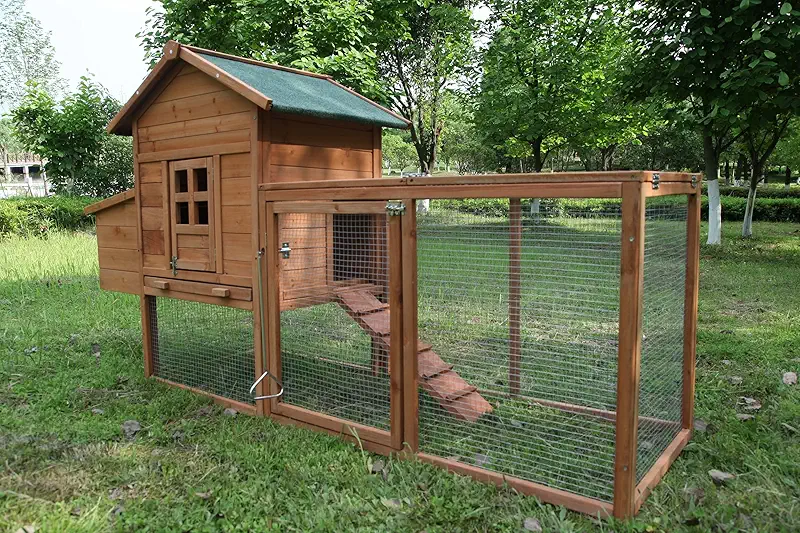
Why a 5x6 chicken coop works so well
A 5x6 chicken coop gives you 30 square feet of indoor space. That’s a very practical size for most folks who want eggs for the family, maybe a few extra dozen for neighbors and church potlucks.
On my place, I’ve run flocks big and small. I’ve had coops crowded enough to sound like a gossip meeting at the feed store, and roomy ones where the hens hardly bumped wings. Truth is, a 5x6 coop, set up right, keeps things balanced: enough room for comfort, but small enough to stay warm in winter and easy to clean.
The real benefits in everyday life
When folks ask me about coop size, they usually expect a fancy formula. I tell them what I learned from cleaning coops at 20°F with a stiff north wind:
- Easier to heat and keep dry in winter.
- Simpler to clean in one quick session on a Saturday morning.
- Enough space for proper roosts and nesting boxes.
- Affordable to build or buy, even if lumber prices act crazy again.
A 5x6 chicken coop is big enough that your hens aren’t bickering all day, but not so big that you spend your whole weekend maintaining it instead of drinking coffee and watching the flock.
Setting up your 5x6 chicken coop the smart way
The first mistake I made as a young farmer was putting a coop where it was handy for me, not where it made sense for the hens. By the first heavy rain, I had a muddy, drafty mess and some very offended birds.
With a 5x6 chicken coop, you don’t just plop it anywhere. A few simple choices up front save tons of trouble later.
1. Choose the right spot
If I were standing in your yard with a mug of coffee, here’s what I’d tell you to look for:
- High, well-drained ground so water runs away, not under.
- Morning sun to dry things out and lift the chill.
- Some afternoon shade if you’re in a hot state.
- Not too far from the house so you actually check on them.
- Room for a run at least as big as the coop, preferably bigger.
- Easy path for hauling feed, water, and bedding.
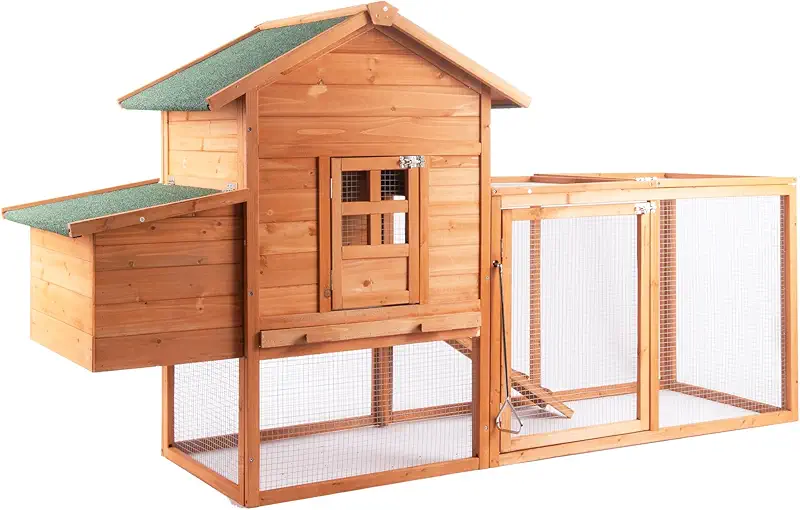
2. Ventilation without drafts
If there’s one thing that quietly ruins more birds than predators, it’s damp, stale air. Hens breathe out a lot of moisture, and their droppings add more. In a 5x6 chicken coop, that builds up fast.
You want vents high up under the roof, ideally on two sides, so air can move without blowing cold wind right across the roosts. Think of it like cracking the truck windows instead of driving with the doors open.
I like to screen those vents with hardware cloth, not chicken wire. A raccoon can tear chicken wire like wet paper, and they work the night shift while you’re sleeping.
3. Roosts and nest boxes for a 5x6 coop
In my 5x6 set-ups, this layout has treated me very well:
- Roosts higher than nest boxes so hens sleep on the roosts, not in the nests.
- Round or slightly rounded 2x4s for roosts, wide side up in cold climates.
- About 8–10 inches of roost space per hen so they can tuck in but not fight.
- One nest box for every 3–4 hens, with a lip so bedding doesn’t spill right out.
I’ve seen twelve hens line up to use the same favorite nest while the others sit empty. They’re like kids arguing over the same chair. Still, having enough boxes keeps peace when everybody wants to lay at once.

How many chickens can live in a 5x6 chicken coop?
This is the question everyone asks, right after, “Will my spouse notice more chickens?” Let me give you the straight answer I give neighbors.
We’ve got 30 square feet of floor in a 5x6 chicken coop. Now, there are two ways to think about flock size: the comfort number and the absolute upper limit.
Comfortable flock size
For everyday living, with normal weather and a decent run outside, I like:
- 6–8 standard hens (like Rhode Island Reds, Barred Rocks, Orpingtons).
- Up to 10 hens if they get plenty of outside time and you keep bedding dry.
At this level, birds have room to move, preen, and spread their wings a bit. You see less picking and bullying, and egg production stays steady because stress stays low.
Upper limit (with a generous run)
If your birds have a big run, maybe even some free-range time most days, you can push it a little:
- Up to 11–12 hens, but only with a good-sized, predator-safe run.
When I tried that many, I had to stay on top of cleaning and watch closely for feather picking. It worked, but it kept me on my toes. If you’re new to chickens, I’d aim lower and make life easier on everyone.

Keeping your laying hens healthy in a 5x6 chicken coop
I raise chickens for eggs, but I keep them because I like them. A good little flock has a way of slowing a person down at the end of a long day. To keep them happy and productive, your 5x6 chicken coop has to work with you, not against you.
Bedding and cleaning routine
In a coop this size, I prefer a deep bedding style. Here’s how I do it:
- Start with a dry base of pine shavings or chopped straw.
- Add a thin layer every week or so, especially under the roosts.
- Keep it stirred with a rake or small fork to let air in.
- Do a bigger clean-out a few times a year, not every weekend.
On cold mornings, that deep bed feels warm when I sink my boots in, and the hens scratch around, turning it for me like tiny feathered tractors.
Feeding and watering inside a 5x6 coop
With 6–10 birds in a 5x6 chicken coop, you’ve got to be smart about feeder and waterer placement, or else you’ll trip over something before the coffee kicks in.
- Hang the feeder just below chest height of the hens to reduce waste.
- Keep water slightly away from bedding so it doesn’t become a swamp.
- In winter, I like a heated base or nipple waterer so I’m not carrying warm water three times a day.
Over the years, I’ve learned that steady access to good feed and clean water does more for egg count than any fancy supplement folks try to sell you.

Light and egg production
Hens are funny creatures. They lay best when they think the days are getting longer and spring is coming. In a 5x6 chicken coop, adding a little light can make a big difference.
I like a simple LED bulb on a timer, coming on early in the morning rather than late at night. That way, if the timer fails, they go to roost with the sunset instead of ending up in the dark confused.
I don’t try to push them too hard in winter. A steady, gentler lay with healthy hens is better than squeezing every last egg out of them.
Predator protection for your 5x6 chicken coop
I’ve lost birds to just about everything with teeth: foxes, raccoons, dogs that “would never chase chickens,” and one very stubborn possum. If there’s a weak spot in your coop, something will find it.
Fence and wire choices
For the coop itself and the first couple of feet around it, I’m a big believer in hardware cloth, not chicken wire. In a 5x6 chicken coop, that means:
- Cover all windows and vents with ½-inch hardware cloth.
- Secure it with screws and washers, not just staples.
- Use stronger wire or boards along the bottom where digging happens.
Diggers, climbers, and flyers
Predators don’t follow our rules. They go under, over, or through anything they can. So, for a 5x6 chicken coop, I like:
- Buried apron of wire around the run, laid flat 12–18 inches out.
- Locks on doors that need fingers, not paws, to open.
- Solid latches on nesting box lids and access doors.
I still remember one night hearing a ruckus and finding a raccoon trying to figure out the latch on my coop like a safecracker. Lucky for the hens, I was a little smarter than he was that time.

Night routine that actually works
In a coop this size, you can do a full check in just a minute or two:
- Count heads on the roosts (you’ll get fast at it).
- Close and latch pop door and people door.
- Quick look at corners for damp spots or drafts.
That simple habit has saved me far more birds than any gadget.
Real‑life tips for living with a 5x6 chicken coop
Let me share a few small things I’ve learned the slow way. Hopefully you can skip some of my mistakes.
Make it easy on future‑you
When you’re fresh and excited, it’s easy to think you’ll always feel that way. But there will be cold mornings, hot afternoons, and weeks when life gets busy. So build or choose a 5x6 chicken coop with your tired self in mind.
- Big door so you can get in with a shovel, not crawl.
- Removable roosts or at least ones you can clean under easily.
- External egg access if you’ve got bad knees or deep snow.
- Gutter or drip edge so you’re not standing in a puddle at the door.

Choosing a ready‑made 5x6 chicken coop
Not everyone wants to spend weekends wrestling with lumber and a stubborn tape measure. There’s nothing wrong with picking up a pre‑built or kit 5x6 chicken coop, as long as you look with a farmer’s eye.
Here’s what I check first:
- Thickness of the wood panels or framing.
- Roof material and how it handles rain and snow.
- Number and placement of vents and windows.
- Real dimensions inside, not just outside including the roof overhang.
- Sturdiness of hinges and latches.
I’ve seen some that looked cute in pictures but felt like they’d blow away in the first good storm. Trust your hands more than your eyes. If it wiggles when you lean on it, your birds won’t be safe in it.

When I look over different 5x6 chicken coop styles, I think about how the birds will use it at 5 a.m. in January and how I will feel about cleaning it after a long workday. If it passes both tests, it’s a keeper.
Show me sturdy coops5x6 chicken coop – common questions
How many chickens can I keep in a 5x6 chicken coop?
For most backyard keepers, a 5x6 chicken coop is just right for about 6 to 8 standard hens. That gives them breathing room and reduces fighting. If they have a large, secure run and daily outside time, you can go up to 10 or 11 hens, but you’ll need to stay on top of cleaning and watch for signs of stress.
Do I still need a run with a 5x6 chicken coop?
Absolutely. The coop is their bedroom and safe house; the run is their living room and yard. I like a run at least as big as the coop, preferably twice the size or more. Even if you free‑range sometimes, a secure run keeps them safe on days when you can’t be there to watch for hawks and dogs.
Is a 5x6 chicken coop big enough for cold winters?
A 5x6 chicken coop actually does well in cold areas if it’s built right. The space is small enough that the hens’ own body heat makes a difference, but big enough for decent airflow. Focus on good ventilation without drafts, dry bedding, and a roof that doesn’t leak. I only add extra heat in the harshest weather, and even then I’m careful, because fire is a bigger threat than cold most years.
What breeds work best in a 5x6 coop?
I’ve had good luck with calm, medium‑sized dual‑purpose breeds in a 5x6 chicken coop: Rhode Island Red, Plymouth Rock, Australorp, Orpington. They handle closer quarters better than wild, flighty birds. If you keep bantams, you can fit more, but I still like to give them space. Crowding is a fast road to pecking and bare backs, no matter the breed.
How often should I clean a 5x6 chicken coop?
In my own 5x6 setups, I do a quick tidy every few days—scrape under roosts, top up bedding where it’s thin. Once a week I give it a better rake‑out, and a few times a year I do a big, full clean and start fresh. With a small coop like this, staying ahead of the mess is easier than playing catch‑up, and your hens will reward you with better health and steadier eggs.
If you’re feeling that itch to hear soft clucking in the yard and crack your own fresh eggs on Sunday morning, a good 5x6 chicken coop is a fine place to start.
I’ll browse all coops