
6 chicken coop plans
I’ve raised laying hens for decades out here in the States. I’ve fixed every kind of bad coop design you can imagine: wet floors, frozen combs, fox raids, you name it. These 6 chicken coop plans are the ones that keep my birds safe, dry, and laying steady.
I’ll walk you through each style, when it shines, and the little details that make the difference between a smelly headache and a coop that just quietly works.
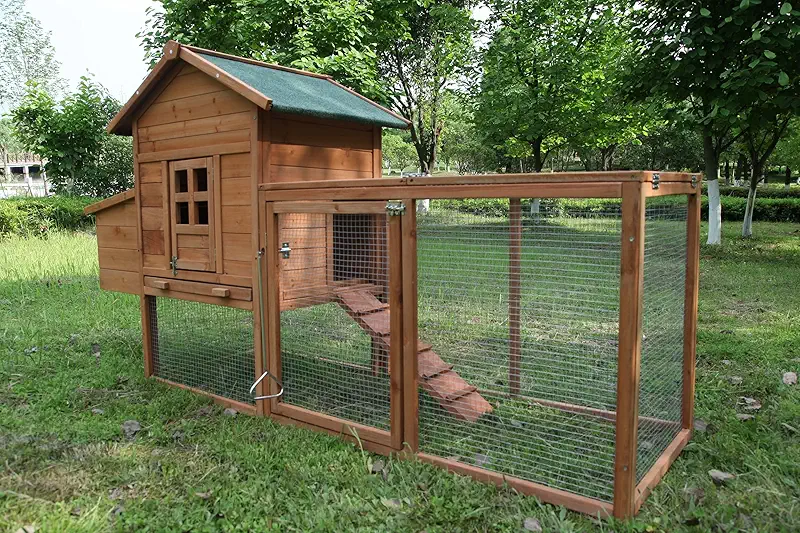
Before choosing from 6 chicken coop plans
When folks ask me for the best 6 chicken coop plans, I always start with the same line: “The best coop is the one your hens forget exists.” What I mean is, they should feel so safe and comfortable that the coop is just home, not a problem.
I’ve built coops out of barn scraps, shiny new lumber, pallets, and once out of an old ice-fishing shack. Some were pretty, some were ugly, but the hens only cared about four things: dry feet, fresh air, solid roof, and no hungry critters sneaking in at night.
Before you pick one of these six ideas, think about:
- Flock size: Hens need around 3–4 square feet each inside the coop, and 8–10 in the run.
- Climate: Hot, cold, wet, windy — all change the way you vent and insulate.
- Predators: Raccoons and foxes are clever; hawks and owls drop from the sky; rats dig from below.
- Time and energy: If you’re busy, you want easy cleaning and simple daily chores.
- Budget: Good doesn’t have to mean fancy, but cheap wood rots fast.
Plan 1 – Compact backyard coop with attached run
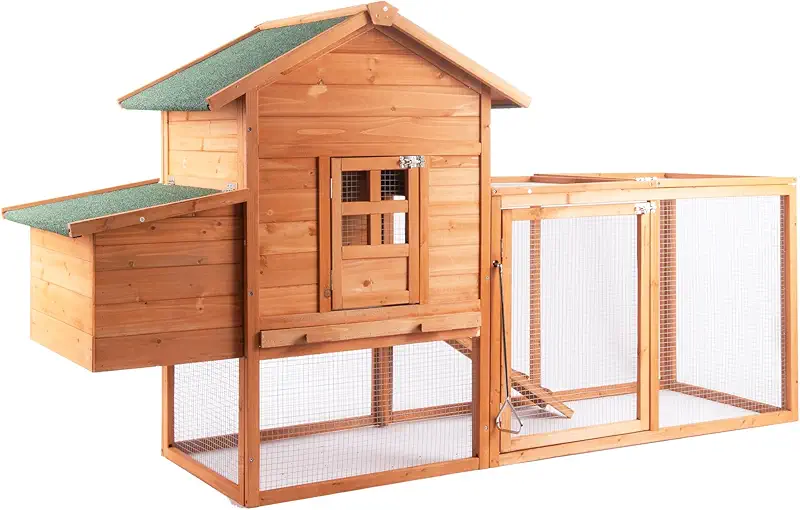
Perfect for 3–5 hens behind the house
If you’re just starting with a small flock, this style is one of my favorite parts of the 6 chicken coop plans. The coop sits up a little off the ground, with an attached run underneath or beside it. It doesn’t eat your whole yard, but still gives the girls room to scratch and gossip.
I built one of these for my niece in town. Her neighbors weren’t exactly “farm folks,” but once they tasted those orange yolks, they started sending over vegetable scraps like a tax payment.
Key features
- Fits in most suburban yards without bothering anyone.
- Easy to cover with wire and roof panels to keep the run dry.
- Nesting boxes at waist height so you don’t bend every morning.
- Strong latches on every door — raccoons have nimble little bandit hands.
Plan 2 – Walk-in coop for 8–12 hens
For folks who like staying upright
Once you have more than a handful of birds, a walk-in coop becomes worth every board. You can step inside, rake out bedding, hang feeders and waterers, and collect eggs without a yoga class first.
My main laying flock lives in a walk-in coop with a big attached run. The building isn’t fancy — metal roof, wooden frame, hardware cloth all around the run — but year after year, it keeps the hens warm, dry, and laying.
What works well in this plan
- Full-size door for humans and a pop door for chickens.
- Roost bars higher than the nests so they sleep in the right place.
- Ventilation up high on two opposite walls for cross-breeze.
- Room for storage buckets, grit, and feed inside if you like.

Plan 3 – Mobile chicken tractor

Fresh grass, fewer bugs, happy birds
The chicken tractor is one of the handiest of the 6 chicken coop plans if you’ve got some grass to share. It’s a movable coop and run combo that you drag or wheel to a new patch every day or two.
I run a tractor across my garden beds after harvest. The hens work over the soil, eat weed seeds, scratch up bugs, and leave little fertilizer gifts behind. I joke that they’re my “feathered tillers.”
Why a tractor might suit you
- Gives hens new ground without building a huge permanent run.
- Reduces feed costs when they can forage.
- Keeps grass trimmed and fertilized, if you move it often.
- Lets you follow a mowing or gardening pattern around the property.
Plan 4 – Elevated coop for wet or snowy ground
When your yard turns into soup
If your land gets soggy in spring or holds snow all winter, an elevated coop is a smart choice among these 6 chicken coop plans. Think of the coop as a little cabin on stilts, with the run under and around it.
My lower pasture floods most years. The hens in that section stay high and dry in an elevated coop, while the run underneath stays useful even when the ground’s messy. The girls like to shelter under there on hot summer afternoons too.
Details that matter with an elevated design
- Use strong posts or legs set deep and braced well.
- Ramp with cleats so hens don’t slip in rain or ice.
- Roof over at least part of the run to keep it from turning to mud.
- Predator-proof skirting or wire down to the ground all around.

Plan 5 – Big barn-style coop for serious egg production

For 15+ hens and year-round eggs
If you’re planning to feed a big family, sell a few dozen eggs a week, or just can’t resist every new chicken breed, a larger barn-style coop starts to make sense.
My main “egg barn” holds layers on one side and a brooder and storage on the other. It didn’t start that big, but like most farm projects, it grew each year as more birds showed up.
Things I’ve learned with bigger coops
- Plan your doorways wide enough for a wheelbarrow.
- Run electricity for lights and a heated water base if your winters are rough.
- Use removable roosts so you can pull them out and scrape them down.
- Keep nests dim and cozy or you’ll have hens laying everywhere but the boxes.
Plan 6 – Simple DIY coop for tight budgets
Sturdy doesn’t have to mean fancy
Maybe money’s tight, or maybe you just like building things yourself. A simple DIY coop round out these 6 chicken coop plans nicely. You can use pallets, reclaimed lumber, old windows, and roofing off an old shed, as long as you stay smart about safety.
My very first coop was an old ice shack with a new roof and a lot of patchwork. It wasn’t pretty, but those hens laid like champions. Over time, I upgraded the doors, added stronger wire, and raised the nest boxes. The birds never cared what it looked like from the road.
Where to spend and where to save
- Spend on: hardware cloth, hinges, latches, roofing.
- Save on: framing lumber, siding, paint, décor.
- Make sure every reused board is solid, not rotten or soft.
- Seal cracks and gaps where wind or weasels can sneak through.

How to choose among these 6 chicken coop plans
When you’re staring at a bunch of 6 chicken coop plans, it’s easy to feel stuck. Let me make it simpler. Picture your life on the busiest winter morning: frozen water, snow on the ground, you’re running late. Now ask yourself:
- Can I reach the waterer without wading through mud or snow?
- Can I collect eggs without crawling or contorting?
- Will this coop still feel sturdy five winters from now?
- Could I ask a neighbor to look after the hens and not feel guilty?
If a design passes that little test, you’re on the right track.
Some folks fall in love with the look of a coop and forget the chores. That’s how you end up with something cute on Instagram and miserable in January. I’m all for nice-looking buildings, but the hens and your back come first.

Practical tips for happy laying hens
Nesting boxes that hens really use
For every 3–4 hens, I like one nest box. Make them about a foot wide and deep, with a lip in front so eggs don’t roll out when a pushy hen comes barging in.
I keep nests a little lower than my chest but higher than the floor, filled with straw or wood shavings. A plastic crate or bucket can work fine if you bed it deep and keep it clean.
Roosts and night-time routine
Chickens sleep up off the ground by instinct. Use boards about 2x3 with the wide side up, so their toes can grip and their bodies cover their feet in winter. Cold toes make for grumpy hens.
Put the roost bars higher than the nests, or they’ll sleep in the boxes and you’ll be scraping poop off eggs every morning. Ask me how I learned that one.
Feed, water, and grit
Keep feed under a roof, either inside the coop or in a covered run. Rainy feed turns into a sticky mess and attracts rodents. Clean water every day is just as important as good feed. In freezing states, a heated base or swapping buckets twice a day keeps things moving.
I like to keep a bowl of oyster shell and a dish of grit out all the time. The hens help themselves as they need it, and eggshells stay strong.
Simple cleaning routine that actually sticks
In my coops, I do a quick once-over every day — scoop wet spots, check waterers, grab eggs, look for anything odd. Once a week I do a deeper scrape under roosts. A few times a year, I pull everything out, dust for mites, and start fresh bedding.
FAQ about 6 chicken coop plans and laying hens
Bringing it all together
Coops don’t have to be complicated. These 6 chicken coop plans cover just about every kind of setup I’ve seen work on real American backyards and small farms — from tiny city plots to wind-blown fields out in the country.
Whether you choose a compact backyard coop, a roomy walk-in, a mobile tractor, or a no-frills DIY build, think like a hen and like a tired farmer at the same time. Dry, draft-free, and predator-proof for the bird; simple, quick, and gentle on your back for you.
If you start with that in mind, the rest is just lumber and screws.