
6 hen chicken coop
On my little farm, a good 6 hen chicken coop has paid for itself over and over in fresh eggs, quiet mornings, and a lot fewer worries at night. Let me walk you through what really matters when you’re setting one up, from someone who’s fixed every mistake the hard way.
Sized right for small flocks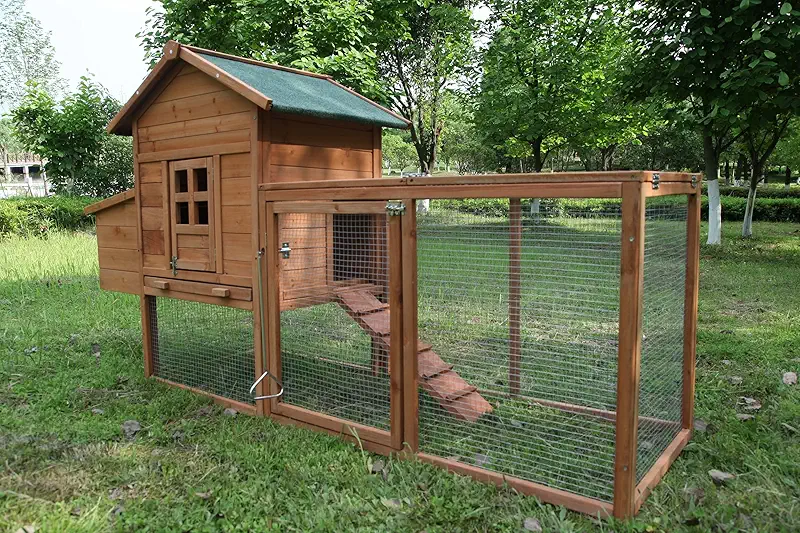
Why a 6 hen chicken coop is the sweet spot
After a few decades of raising chickens here in the States, I’ve tried just about every setup you can imagine: old sheds, homemade coops that leaned like a tired scarecrow, and shiny new ones that my birds hated at first sight. For most folks with a backyard or a small bit of land, a 6 hen chicken coop ends up being the sweet spot.
Six hens give you enough eggs to keep a family well supplied, with a few dozen to share or trade. You’re not buried under chores, but you’re not babying two lonely hens either. With a coop sized right for six, the birds stay calmer, the bedding stays drier, and you don’t find yourself grumbling at feeding time.
When friends ask where to start, I usually say, “Aim for six good hens and a solid, sensible coop. Grow from there if you really get the bug.” Overbuilding from day one can be expensive. Underbuilding just means you’ll be out there in the cold, fixing things with a flashlight between your teeth. I’ve done both. Once is enough.
How much space do six hens really need?
There’s a lot of fancy talk online about square feet per bird, but out here I use two simple rules for a 6 hen chicken coop:
- Inside the coop: at least 4 square feet per hen.
- In the run: at least 10 square feet per hen.
That means you’re looking at around 24 square feet inside and 60+ square feet in the run for six hens. Bigger is welcome; smaller usually just means pecking, stress, and more mess than you care to handle.
I once tried squeezing eight hens into a little coop meant for four “according to the box.” By the end of the week, the head hen, Hazel, had turned into a tiny feathered sheriff, bullying everyone away from the feeder. I rebuilt that setup in a hurry.
| Coop area | Recommended for 6 hens | What I’ve seen |
|---|---|---|
| Indoor floor space | 24–30 sq ft | Less space means more smell and squabbles. |
| Outdoor run | 60+ sq ft | More space, fewer health problems. |
| Perch length | 8–10" per hen | Give them room so no one sleeps in the poop tray. |
| Nesting boxes | 2–3 boxes | They share, but they hate waiting in line. |
When you look through different 6 hen chicken coop designs, picture those numbers in your yard. If it looks cramped to you in the photos, the hens will feel it twice as much.
Key features I look for in a 6 hen chicken coop
Every coop maker claims their model is “perfect,” but chickens have their own opinions. Over the years, I’ve learned to ignore the fancy words and go straight to the basics. Here’s how I judge a 6 hen chicken coop these days.
1. Solid predator protection
Out here we’ve got raccoons with PhDs in breaking and entering, foxes that work night shift, and the occasional neighborhood dog that thinks chickens are squeaky toys. If your coop isn’t tight, you’ll find out the hard way.
- Strong wire: I want 1/2" hardware cloth on the run, not just thin chicken wire. Chicken wire keeps birds in, not predators out.
- Latches that snap shut: Raccoons can open simple slide bolts. I like locks or carabiner clips that need fingers, not paws.
- Sturdy floor or buried wire: If the coop is open bottom, I bury wire in the ground around the run to stop diggers.
One cold November, I got lazy and left a simple hook latch on the coop door. Came out in the morning and found it hanging open, hens all huddled in a corner, scared but luckily unharmed. Since then, every 6 hen chicken coop on my place closes like a bank vault.
2. Ventilation without drafts
Chickens breathe out a lot of moisture. If your coop stays damp, you’ll see frostbite on combs in winter and smell ammonia in summer. Neither is healthy. A good 6 hen chicken coop has fresh air high up, not blowing right across the roosts.
- Vents or windows near the roofline.
- Openings covered with hardware cloth.
- Airflow that carries moist air out, not straight onto the birds.
I judge venting by my nose. If I open the coop in the morning and it smells stronger than a barn boot, it needs better airflow.
3. Easy access for you
This is the part folks forget when they fall in love with cute photos online. You’ll be in that coop every day, sometimes in the dark, sometimes in the rain, sometimes before coffee. Make it easy on yourself.
- Doors wide enough to get both hands inside with a bucket.
- Roosts at a height you can reach without climbing in.
- Roof or side panels that open for cleaning.
I had one little prefab 6 hen chicken coop where the cleanout door was knee-high and the size of a shoebox lid. By the time I’d scraped out the bedding, I looked like I’d wrestled a hay bale. Learned my lesson.
Pictures from a working 6 hen chicken coop
To help you imagine how a 6 hen chicken coop fits into real life, here’s a set of views similar to what I use on my place. When you look at any coop, online or in person, try to picture where your hands, boots, and buckets will go each day.
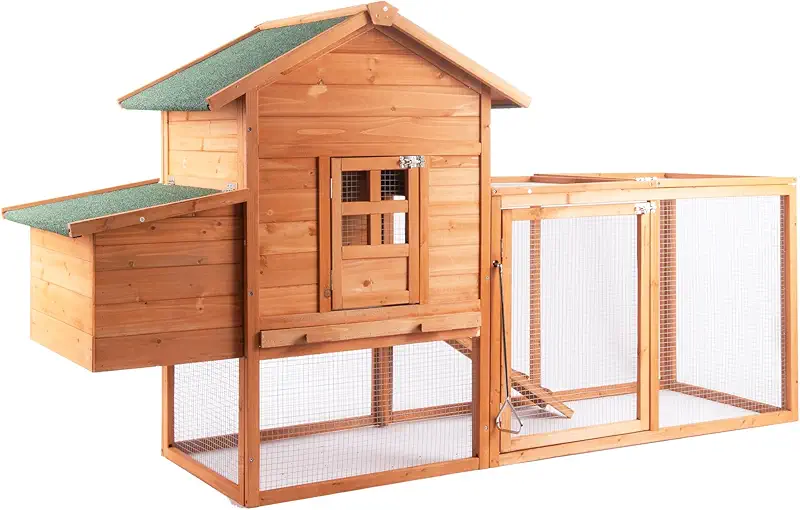


These views show the parts I care about most: run space, nesting box access, and how easy it is to reach inside without crawling on my knees.


A 6 hen chicken coop doesn’t have to be fancy, but it should look like a place you’d be happy to step into at sunrise with a mug of coffee.

Setting up your 6 hen chicken coop step by step
Once you’ve settled on a 6 hen chicken coop, the way you set it up matters just as much as the coop itself. Here’s how I usually do it when I help neighbors get started.
Step 1: Choose the right spot
I like a spot that gets morning sun and afternoon shade. The morning sun dries up dew and wakes the girls up gentle. Shade in the heat of the day keeps them from panting with their wings spread.
- Slight slope: A little tilt helps rainwater run off instead of pooling around the coop.
- Close to the house: Close enough that you can hear trouble, far enough that you’re not smelling the coop at your back door.
- Away from low spots: Chickens hate standing in mud about as much as you do.
Step 2: Build a safe base
If your 6 hen chicken coop doesn’t come with a raised floor, I like to set it on blocks, gravel, or a frame. Wood sitting right on dirt rots faster than milk on a summer porch.
I also run a strip of hardware cloth under the edges of the run and bend it out like a little skirt. That way if a fox or dog tries to dig, they hit wire before they reach your hens.
Step 3: Set up roosts and nests
Chickens like to sleep up off the ground. Give every hen room on the roost, and they’ll settle in quietly at night. Too little space and you’ll hear arguing at bedtime like kids in the back seat.
- Round or slightly rounded roosts around 2" wide.
- All roosts at the same height, so no one gets “the throne.”
- Nesting boxes lower than the roosts, so they don’t sleep in there.
For six hens, I like three nesting boxes. Truth be told, they’ll all pick a favorite and line up there anyway. I’ve seen four hens pile into one box like it’s ladies’ night.
Daily care routine for six laying hens
Folks sometimes think chickens are “set and forget.” Well, they’re easier than cattle, but they still need you every day. With a good 6 hen chicken coop, though, the daily routine is quick and peaceful.
Morning chores
- Open the coop: Let them out into the run once it’s light enough that nighttime predators are headed home.
- Check feed and water: I like feeders high enough that they don’t kick bedding into them.
- Quick look-over: Make sure everyone is bright-eyed, walking steady, and not hiding in a corner.
I can walk out, greet the girls, throw them a little scratch, and have everyone checked in under ten minutes. A well-laid-out 6 hen chicken coop makes that easy.
Evening chores
- Gather eggs from the nesting boxes.
- Top off water if needed, especially in summer.
- Close and latch every door, even if you’re “just running into town.”
One of my favorite sounds in the world is the low murmur of hens settling onto their roosts at dusk. If the coop feels calm and quiet, you’ve done something right.
Weekly and monthly tasks
- Once a week: Stir bedding, scrape droppings boards, check for damp spots.
- Every few weeks: Add fresh bedding, wipe down roosts, and check for any gaps or chewed areas.
- Seasonal: Adjust ventilation covers for winter and shade for summer.
A 6 hen chicken coop is small enough that a deep clean doesn’t feel like a full-day project. Put on some music, grab a shovel, and by the time a pot of coffee is gone, you’re usually finished.
Common mistakes folks make with a 6 hen chicken coop
I’ve made enough mistakes to fill a book, so you might as well learn from mine and save yourself the fuss. Here are the big ones I see with small coops.
Keeping too many birds in a 6 hen chicken coop
It’s tempting: once you see how fun hens are, you want more. But stuffing eight or ten birds into a 6 hen chicken coop turns a cozy home into a crowded bus. You’ll get:
- More pecking and bare backs.
- Wet, smelly bedding.
- Higher disease risk and lower egg quality.
Underestimating predators
The first year I kept hens, I figured my noisy old dog would scare off everything. Then I found tracks right up against the run. Predators are patient. They’ll test that coop until they find the weak spot. Don’t give them one.
Ignoring weather and shade
A 6 hen chicken coop that looks perfect in spring can turn miserable in August if it bakes in full sun. I’ve seen birds panting, holding their wings out like they’re wearing invisible capes. A little shade from a tree or a lean-to roof makes a world of difference.
FAQ about 6 hen chicken coops and laying hens
If you’re picturing fresh eggs on your table and a small flock scratching in the yard, a 6 hen chicken coop is a fine way to start. Take a quiet minute, look through different designs, and pick the one that feels like it belongs on your patch of ground.
Show me all coops