
I’ve spent more sunrises than I can count walking out to the hen house with a coffee in one hand and a bucket in the other. Over the years, I learned something simple: a good 6 nesting box chicken coop can turn egg collecting from a daily chore into a quiet little joy.
Built for steady eggs and calmer hens6 Nesting Box Chicken Coop
When folks ask me why I’m such a fan of a 6 nesting box chicken coop, I tell them this: a calm hen lays better than a stressed hen. Six good boxes give your girls room to breathe, room to choose a favorite spot, and room for you to keep things clean without feeling like you’re always playing catch‑up.
On my farm here in the States, I’ve tried just about everything: homemade plywood boxes, old milk crates, even a busted-up cabinet my wife was trying to throw out. They all “worked” in a way, but once I set up a solid coop with six proper nesting boxes, my mornings got easier and my egg basket got a whole lot fuller.
A good coop isn’t fancy. It’s safe, dry, easy to clean, and built so the hens actually want to use those boxes. That’s where a well-designed 6 box setup really shines.
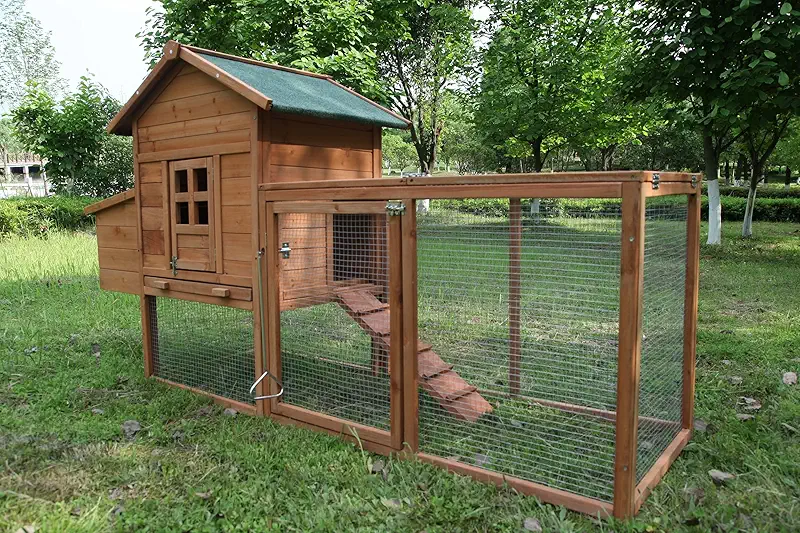
One of the styles of 6 nesting box chicken coop that keeps my hens laying steady and my back from complaining.
- Room for busy layers
- Smoother egg collection
- Less pecking & stress
For most backyard flocks, six boxes hit a sweet spot. Big enough for growing numbers, small enough to keep things simple.
- Great for roughly 12–18 hens
- Lets shy hens pick a quiet corner
- Makes rotation and cleaning easier
Why a 6 Nesting Box Chicken Coop Makes Life Easier
I remember one winter, years ago, when I was stubbornly running only three nesting boxes “to keep things simple.” Well, hens don’t care much for our bright ideas. By mid‑January I had six grumpy birds arguing over the same corner box like it was the last chair at a family reunion.
Once I stepped up to a 6 nesting box chicken coop, the whole flock relaxed. Fewer squabbles, fewer broken eggs, and a lot less of that loud complaining cluck that says, “Farmer, you messed up again.”
1. Less Drama, More Eggs
With six boxes, bossy hens can pick their favorite without bullying everybody else. When hens aren’t chasing each other off nests, they settle down and lay better.
2. Cleaner Nesting Material
When the girls have space to spread out, they don’t stomp through the same spot all day. That means drier straw, fewer poopy eggs, and less scrubbing for you.
3. Room to Grow the Flock
Most of us say, “I’ll just keep six hens.” Then spring comes, and suddenly there are twelve. A 6 box coop gives you breathing room for those “accidental” additions.
A good coop with six nesting boxes is like a small, well-run diner. Enough booths that nobody has to stand, but not so many that you can’t keep the place clean and friendly.
How Many Hens for a 6 Nesting Box Chicken Coop?
I get this question a lot, usually followed by, “Be honest with me.” So here’s my honest farmer answer.
Old rule of thumb is one nest box for every 3–4 hens. With a 6 nesting box chicken coop, that puts you around:
- Comfortable: 12–18 hens
- Still workable: up to about 20–22 hens
- Pushing it: anything over that for regular laying
Now, do the hens follow those numbers like a city building inspector? Of course not. I’ve watched ten birds take turns in the same favorite box while five other boxes sat empty like the unpopular tables at a high school dance.
That’s another reason I like six boxes: the hens have the option to spread out, even if they’re acting cliquey that week.
On one side of my yard, I run 16 layers with a 6 nesting box chicken coop. On a busy morning, four or five boxes are in steady rotation, one box is “the favorite,” and one box is treated like it’s haunted. But I’m getting a steady basket of clean eggs and almost no broken shells. That’s the kind of math I like.
Key Features to Look For in a 6 Nesting Box Chicken Coop
Not all coops are built the same. Some look cute in a picture but fall apart by the third rainstorm. Others are sturdy but a pain in the backside to clean. When I size up a new coop, here’s what I look for, plain and simple.
1. Solid Weather Protection
Hens hate drafts and damp more than I hate stepping on a stray Lego in the dark. A good 6 nesting box chicken coop should keep the wind off their backs and the rain off their feathers.
- Tight seams and decent roofing
- Enough ventilation near the top to let moisture out
- Raised off the ground a bit to avoid soggy floors
2. Easy Access for Egg Gathering
My knees aren’t what they used to be, and I’m not the only one. A six box coop with back doors or a lift-up roof over the nests is worth its weight in breakfast.
- Rear access doors to each row of nesting boxes
- Handles or latches you can open with gloves on
- Enough headroom so you’re not crawling on all fours
3. Removable or Wipeable Nesting Trays
I once had a coop with lovely, built-in wooden nests that were pretty as a postcard. Problem was, cleaning them felt like trying to scrub out your kitchen cabinets without removing the shelves. I don’t suggest that.
Look for nests with:
- Removable trays or liners
- Smooth surfaces that don’t soak up mess
- Just enough lip to keep bedding in place
4. Predator Protection
If you haven’t met the local raccoons yet, trust me, they already know you keep chickens. A good 6 nesting box chicken coop makes their life harder and your hens’ lives longer.
- Strong latches on all doors (not just hooks a raccoon can flip)
- Sturdy wire on any run, not flimsy mesh
- Doors that close tight at night, no big gaps
5. Roomy Interior and Proper Roosts
Nesting boxes are for laying, roosts are for sleeping. Mix those up and you’ll be cleaning poop out of nest boxes every single day, and you’ll think some farmer online lied to you.
- Roost bars higher than the nesting boxes
- Enough floor space so they’re not stacked like firewood
- Easy path from door to roosts to nests
Setting Up Your 6 Nesting Box Chicken Coop the Right Way
You can buy the best coop in the world and still have cranky hens if you set it up wrong. I learned that the hard way when I parked my first coop in the only shady spot I had — right under a walnut tree the hawks loved to sit in. The hens were nervous for weeks.
Pick a Calm, Dry Spot
Your 6 nesting box chicken coop doesn’t need to be fancy, but it does need to make sense to a chicken.
- Slightly raised ground so water runs away, not toward it
- Some shade, especially for hot afternoons
- Not right next to your busiest path or barking dog
Bedding for the Nesting Boxes
I’ve tried straw, hay, wood shavings, and even shredded paper one desperate weekend. My hens made it clear: they like a soft, dry nest that doesn’t slide around.
What’s worked best for me:
- A base of pine shavings for softness and smell
- A top layer of straw shaped into a little bowl
- Enough depth that eggs don’t bump wood when they land
Inside a 6 nesting box chicken coop: simple, dry bedding and quiet corners make hens feel safe enough to lay every day.
Teach Hens Where to Lay
Hens don’t come with a map. Sometimes they pick a nest box on their own, and sometimes they get clever and hide eggs behind the feed bin like they’re planning a surprise.
A few tricks that have helped me:
- Place fake eggs or golf balls in the nesting boxes to give them the idea.
- Keep nest boxes slightly darker and quieter than the rest of the coop.
- Collect eggs at least twice a day so they don’t get too crowded.
Within a week or two, most flocks figure out that those six boxes are the best spot in town.
Day-to-Day Life With a 6 Nesting Box Chicken Coop
Let me walk you through a normal day with my 6 box setup, just like I’d show a neighbor leaning on the fence with a cup of coffee.
Morning Routine
I head out just after sunrise. First thing, I check that everyone came off the roosts fine and that the coop feels fresh — not damp, not stuffy. Then I walk the row of six boxes.
- Gather any early eggs.
- Shake out clumps of soiled bedding.
- Add a pinch of fresh straw where it’s thin.
With six nesting boxes, this takes me five minutes, maybe less. Back when I had too few boxes, I’d spend twice as long cleaning up broken eggs and feather fights.
Midday Check
Sometime around lunch, I peek in again. By then, most of the laying is done. The nice thing about a 6 nesting box chicken coop is that even if the hens all want the same two boxes, there are still empty ones staying clean for late layers.
I’ll usually:
- Collect the bulk of the day’s eggs
- Do a quick scan for damp spots in the bedding
- Check that all latches and doors are still tight
Evening Lock-Up
At dusk, I close everything up. With my current coop, I’ve got solid doors over the nesting area plus a main coop door. I’ll say this plainly: hinges and latches matter just as much as pretty paint.
On a good evening, it’s just:
- Count the hens, out of habit
- Close the doors, secure the latches
- Enjoy the sound of contented clucks settling in
That’s the rhythm a 6 nesting box chicken coop gives you — steady, predictable, and not a lot of drama.
Real Benefits I’ve Seen From a 6 Nesting Box Setup
Over the years, I’ve noticed some clear patterns any time I give the flock six decent boxes to share. It’s not just about looking tidy from the outside; it changes how the birds act and how much work I do.
- Fewer broken eggs: less crowding means fewer accidental stomps and pile‑ups.
- Less bullying: boss hens don’t have as much leverage when there are spare boxes.
- Cleaner shells: eggs spend more time on fresh bedding, not bare wood.
- Simpler cleaning schedule: I can rotate which boxes I deep clean each day.
- More consistent laying spots: no more Easter egg hunts in the bushes.
I like to say that a good coop and enough nesting boxes won’t turn a lazy hen into a champion layer, but they’ll make a steady layer out of any hen that’s got it in her.

A roomy 6 nesting box chicken coop gives layers space to settle without squabbles, which means more whole, clean eggs in your basket.
Different Styles of 6 Nesting Box Chicken Coop
Just like pickup trucks, coops come in more styles than any of us really need, but a few types keep showing up in my yard and my neighbors’ yards.


I’ve seen 6 box coops in compact backyard styles, long low barn shapes, and taller walk‑in designs. Pick the one that fits how you want to live with your flock — not just what looks cute in a picture.
Backyard Compact Coops
These often have the six nesting boxes in a row along one side, with a small run attached. Good for smaller yards, especially in town. Look for:
- Strong enough wood to handle weather
- Easy access from outside to all six boxes
- Room underneath or beside for dust baths
Walk-In Coops With 6 Nesting Boxes
My aging back is partial to walk-in coops. Six boxes set along the wall at waist height make egg collection about as easy as it gets.
- Plenty of headroom
- Storage space for feed and bedding inside
- Room to add or adjust perches
Coops With External Nesting Boxes
Some of my favorite setups have the six nesting boxes jutting off the back or side of the coop, with lids that lift from outside. That way, you don’t have to go inside the coop just to grab breakfast.
Whatever style you lean toward, keep your eye on the basics: safe, dry, roomy, easy to reach, and simple to clean. Hens are honest customers — if you get those things right, they’ll show their appreciation in eggs.

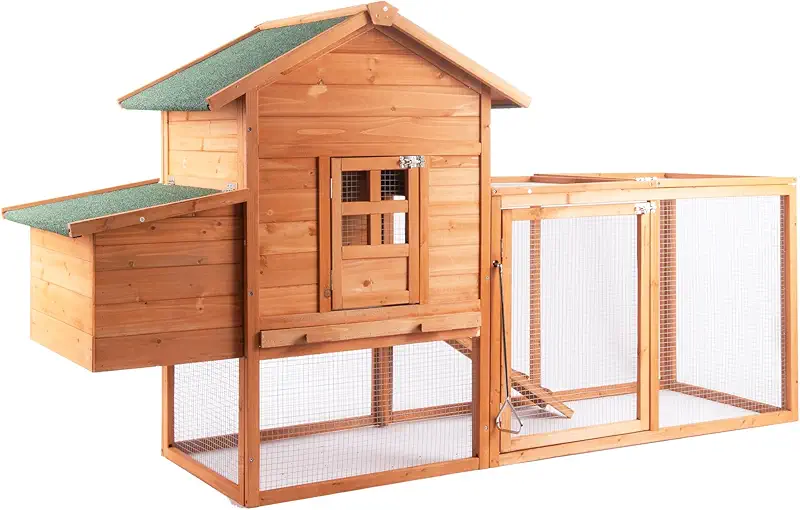
Another take on the 6 nesting box chicken coop: outside access to nests keeps egg collecting quick, even on busy mornings.
FAQ About 6 Nesting Box Chicken Coops
If you’re anything like me, once you see how steady life feels with a good 6 nesting box chicken coop, you’ll start wondering what other setups are out there — taller, wider, or better fitting for your yard.
Take your time, trust your gut, and picture those quiet early mornings with a basket of warm eggs in your hands. That picture will tell you more than any brochure ever will.
Show me more coops