
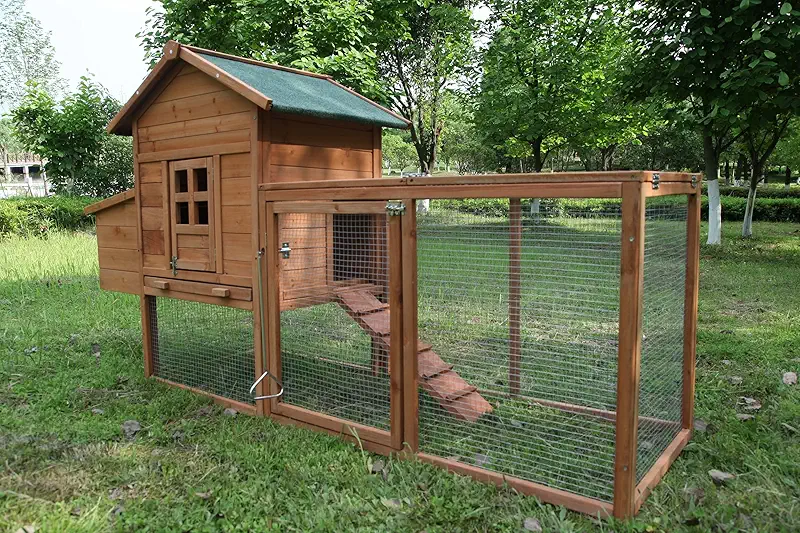
8-10 Chicken Coop

8-10 chicken coop guide

8-10 Chicken Coop: honest talk from a tired but happy farmer

I’ve raised laying hens for more years than my knees are happy about. If you’re planning a cozy 8‑10 chicken coop, let me walk you through what really matters: space, safety, and simple daily chores that don’t break your back at sunrise.

8-10 chicken coop
A snug 8-10 chicken coop style that keeps hens calm, dry, and easy to care for.
Farmer’s plain talk

When folks ask me about an 8-10 chicken coop, I always smile. That’s my favorite flock size for a family: big enough to keep eggs on the table, small enough that you still know each hen’s personality. You’ll get to know who’s bossy, who’s shy, and who insists on laying in the exact same nesting box no matter what you do.

Over the years, I’ve built coops out of scrap wood, bought ready-made ones, and even turned an old garden shed into a chicken palace. Some ideas worked like a charm, others… well, let’s just say the hens looked at me like I’d lost my mind. In this page I’ll share what actually works for 8‑10 hens, so you don’t have to learn all your lessons the hard way like I did.

How much space does an 8-10 chicken coop really need?

Numbers get tossed around a lot, but I’ll give you the simple version I use on my own farm. For standard laying hens (not bantams, not meat birds), I aim for:

  • Indoor coop space: about 4 square feet per hen.
  • Outdoor run space: 8–10 square feet per hen, more if you can spare it.

For 8‑10 hens, that means your 8-10 chicken coop should give you around 32–40 square feet inside. Something like 4x8 feet or 5x8 feet works fine. Bigger is nice, but if you go too big and don’t insulate properly, winter can be harder on them.

I once tried squeezing nine hens into a too-small coop because I “just had to” keep that extra pullet. Within a week, I saw pecking, feather loss, and cranky hens lining up at the door like they were waiting to complain to management. Lesson learned: give them space, and they’ll pay you back in quiet clucks and full egg baskets.

Height and layout: not just a box with a door

Don’t just think in floor space. Height and layout matter too:

  • Enough headroom: You want at least 4 feet of height, 5–6 is nicer. Makes it easier for you to get in there without walking like a question mark.
  • Roosts higher than nesting boxes: Chickens like to sleep high. If the roosts are lower than the boxes, you’ll get “bedroom accidents” in the nests. You don’t want to start your day scraping that off your eggs.
  • Clear walking path: Make sure you can step inside, turn around, and reach corners without gymnastics.

A good 8‑10 coop feels almost like a tiny barn: simple, sturdy, and roomy enough to do chores without muttering under your breath.

Roosts and nesting boxes for 8-10 hens

Your hens spend the whole night on those roosts, so don’t rush that part. For an 8-10 chicken coop, here’s what’s worked well on my place.

Roosting bars: the nighttime bunkhouse

Hens like to sleep shoulder to shoulder, but they still need their personal bubble. I count on:

  • 8–10 inches of roost space per bird for standard layers.
  • For 8‑10 hens, that’s about 7–8 feet of roost total.
  • Use a flat edge, about 2x3 or 2x4 turned so they sit on the wider side for winter warmth.

I used round poles once, thinking I was doing them a favor. They slipped around like they were learning to ice skate, and a couple of them preferred to sleep on the nesting boxes instead. Rectangular roosts with a bit of grip are the way to go.

Nesting boxes: where the magic happens

For 8‑10 hens, I aim for 3–4 nesting boxes. Chickens share better than you’d think, but too few boxes and you get squabbles. Too many and you’re just cleaning extra corners.

  • Size: around 12x12 inches works well for most breeds.
  • Placement: lower than the roosts, in the darkest, quietest area of the coop.
  • Bedding: I like pine shavings with a handful of straw on top. Smells good, stays fluffier.

One of my old Buff Orpingtons, Mabel, insisted on using the same box every day, even if another hen was already in there. I’ve seen two hens squeeze into one box like they were sharing secrets. Moral of the story: give them options, and they’ll still choose the same favorite, but they’ll be less grumpy about it.

Ventilation, warmth, and weather: keeping hens comfy year-round

Chickens handle cold better than damp or heat, as long as the coop is built right. When I think about an 8-10 chicken coop, I picture something that breathes like an old barn but doesn’t draft like one.

Good air, no drafts

Your coop needs fresh air moving through, but the hens shouldn’t feel a breeze on their backs while they sleep. Here’s what I look for:

I once had a coop with poor ventilation and found condensation on the inside during winter. That damp air leads to frostbite on combs and respiratory trouble. Fixing the vents made more difference than any fancy heater.

Weather protection: rain, snow, and hot summers

For 8‑10 hens, you’re often working with a mid-sized coop that might be movable but still solid. Make sure it has:

My birds handle single-digit winters better than mid-summer heat waves. In summer, I like coops with windows or panels I can open during the day, and solid shaded spots in the run so they can get out of the sun when they start panting.

8-10 chicken coop

Raised 8‑10 chicken coop with a sheltered run for stormy days when the yard turns muddy.

Predator protection in an 8-10 chicken coop

I like my chickens. The foxes, raccoons, hawks, and neighborhood dogs like them too—just for different reasons. A good 8-10 chicken coop needs to think like a predator: “Where would I break in?”

Key safety points I insist on

  • Hardware cloth, not chicken wire on windows and lower run areas.
  • Buried or skirted wire around the run to stop diggers.
  • Solid doors and snug latches, not flimsy hooks.
  • Raised coop floor to keep critters from nesting underneath.

Red flags I avoid

  • Large gaps at corners or where roof meets walls.
  • Plain staples holding the fencing (raccoons love those).
  • Doors that flex when you pull on them.

Raccoons are clever little bandits. I had one open a simple latch once. I came out in the morning to feathers and silence. Since then, every coop here gets a latch that needs two motions to open: slide and lift, or push and turn. If you think, “A raccoon couldn’t figure that out,” think again and go one step safer.

8-10 chicken coop

A secure 8‑10 chicken coop with sturdy wire and tight latches keeps hens safe from nighttime visitors.

Daily chores: what living with an 8-10 chicken coop feels like

An 8‑10 bird flock is small enough that chores stay reasonable, but big enough to keep you busy. A well-designed 8-10 chicken coop makes your mornings and evenings smooth instead of a wrestling match with doors and feeders.

My typical daily routine

Here’s how my day usually goes with a flock this size:

A good coop layout respects your aging knees and your patience. External nest box doors, wide human doors, and waist-high perches for feeders all add up to chores that take 10–15 minutes instead of half an hour of climbing and crawling.

8-10 chicken coop

Side egg doors turn collecting into a quick, easy job instead of a full coop crawl.

Cleaning and maintenance

Nobody enjoys coop cleaning, but it doesn’t have to be a punishment. For an 8‑10 hen setup, here’s what’s worked well for me:

Coops with large, low doors or removable trays save your back. When I evaluate an 8‑10 coop, I look at it and ask, “How mad will I be at this design when it’s February and muddy?” If the answer is “not very,” then we’re in good shape.

Choosing the right 8-10 chicken coop for your yard

Not every yard and climate wants the same coop. Before you settle on an 8-10 chicken coop, think honestly about how you live and where you live.

Questions I ask folks before they pick a coop

  • Climate: Do you get harsh winters, heavy snow, blazing summers, or all of the above?
  • Predators: Are coyotes, raccoons, or stray dogs common around you?
  • Space: How big is your yard, and how close are your neighbors?
  • Mobility: Do you want to move the coop around to fresh grass or keep it fixed?
  • Time: Will you realistically clean more than once a week?

Match the coop to your habits, not your best intentions. If you know you won’t move a heavy tractor-style coop every two days, better to pick something more permanent with a larger run.

Show me real options
8-10 chicken coop

An 8‑10 chicken coop that blends into a backyard without annoying the neighbors or the hens.

When my kids were young, we started with a smaller prefab coop for six hens and quickly realized we wanted more eggs and more feathered personalities. Upgrading to a solid 8‑10 coop met that sweet spot: big enough to keep everyone supplied with eggs, small enough that chores still fit into busy days of school, work, and life.

8-10 chicken coop

A larger 8‑10 chicken coop style for families who want room to grow their flock.

8-10 chicken coop – frequently asked questions

Is an 8-10 chicken coop big enough for a family’s egg needs?

For most families, yes. Eight to ten good laying hens can give you anywhere from 4–8 eggs a day on average, depending on breed, age, and season. In peak spring and summer, you may even have extra to share with neighbors. In winter, production naturally dips, but a flock this size usually keeps a steady trickle of eggs coming, enough for breakfast, some baking, and a Sunday quiche if you ration right.

Can I keep 8-10 chickens in a smaller coop if they free-range?

You can get by with slightly less indoor space if they truly free-range most days, but I wouldn’t push it. Bad weather, vacations, or predator pressure can suddenly mean more time locked in. If the coop is too tight, stress and pecking follow. I always size the coop as if they might be stuck inside for a few days of storms. Free-range time is a blessing, not something I want to rely on to fix a cramped setup.

How many nesting boxes do I need for 8-10 hens?

I like 3–4 boxes for 8‑10 hens. You could get by with two, but then you’ll see lines of impatient hens muttering outside the favorite box. With 3 or 4, they have options, but you’re not building a hotel you’ll just be cleaning for no reason. I’ve watched a dozen hens share three well-placed boxes without much fuss, as long as the boxes are cozy, dark, and kept clean.

What flooring works best in an 8-10 chicken coop?

I prefer a solid floor—wood with a good seal or heavy-duty plastic—covered with several inches of pine shavings. It’s warm, easy to rake, and does a good job of absorbing moisture. Dirt floors can work but are harder to clean and invite digging predators if you’re not careful. With an 8‑10 coop, a raised wooden floor with deep bedding strikes a nice balance between comfort and easy cleaning.

Do I need electricity in my 8-10 chicken coop?

You don’t need it, but it sure can be handy. I’ve run coops both ways. A single light makes winter chores and health checks easier. In very cold climates, some folks use safe, low-wattage heaters or heated waterers. If you do run power, keep cords and outlets where beaks and moisture can’t reach them, and never rely on heat to make up for a drafty, poorly built coop. Good design first, gadgets second.

If your heart’s already picturing that first warm egg in your hand, you’re halfway there. The right 8-10 chicken coop just makes the rest of the journey easier on you and kinder to your hens.

Take a slow look at different setups, imagine your mornings and winters in each one, and trust that small, steady choices beat big, fancy ones every time.

I’ll browse coops now