
8x10 chicken coop
Out here on the farm, an 8x10 chicken coop is that sweet middle ground: big enough for a good little flock, small enough to manage without turning chores into a full‑time circus. Let me walk you through what I’ve learned after many early mornings, muddy boots, and more eggs than I can count.
Let me see options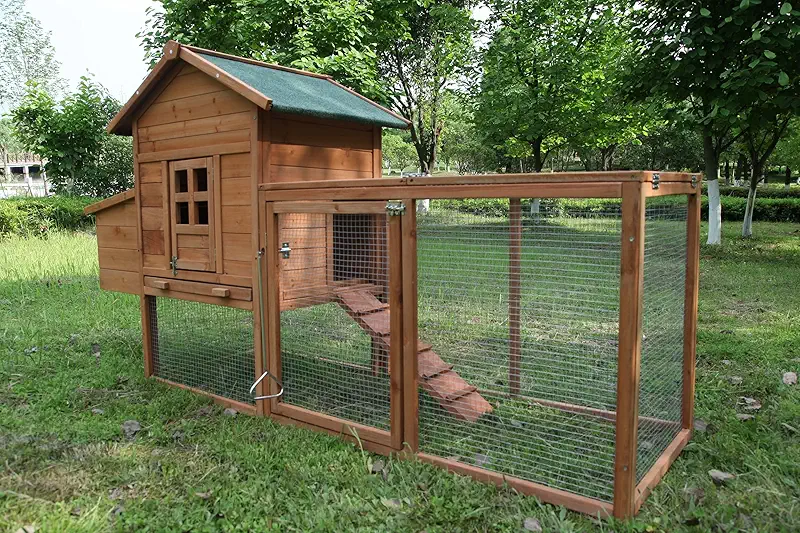
A solid 8x10 chicken coop gives your hens room to breathe, scratch, and lay in peace.
Why an 8x10 chicken coop just works
I’ve raised laying hens since before my beard turned gray, and I’ve tinkered with about every size coop you can imagine. From tiny backyard boxes to sheds big enough to host a family reunion, I’ve tried them. Over time, I keep coming back to the 8x10 chicken coop for small and mid‑sized flocks.
With eighty square feet of floor space, an 8x10 coop hits a sweet spot. It’s comfortable for most folks keeping hens for eggs and a bit of fun, not trying to run a full‑blown operation. You get room for the birds, room for you to walk in, and just enough space to store a few bags of feed and a bucket or two without tripping over everything.
Around here, we follow a simple rule of thumb: at least 4 square feet of indoor space per standard hen, more if you can. That means an 8x10 chicken coop can handle a happy flock of 10–15 hens, sometimes a touch more if they have a generous outdoor run and you’re not squeezed by bad winters all the time.
My neighbor once crammed too many birds into a small coop. Those hens got crankier than my uncle when the coffee runs out. Give them space, and they’ll thank you with eggs instead of drama.
If you’re dreaming of steady baskets of eggs, a coop that’s easy to clean, and hens that greet you instead of squawking complaints, an 8x10 setup is a very practical place to start.
How many chickens fit in an 8x10 coop?
Let’s answer the question everybody asks first. On my place, I treat an 8x10 chicken coop as a good home for:
- 10–15 standard laying hens with a run they use daily.
- Up to 18 smaller breeds like bantams, if they have plenty of outside time.
- Fewer birds in harsh climates where they’re stuck inside for long stretches.
You’ll hear all sorts of numbers online, but I’d rather run a slightly “under‑stocked” coop than push it. When birds are comfortable, they stay healthier, peck less, and lay more. I tell folks:
- If you’re new, start with 8–10 hens in an 8x10 coop.
- Get a feel for space, cleaning, and egg use.
- Then add a few more when you’re comfortable.
Remember, the coop is only half the story. If your hens have a nice secure run or free‑range part of the day, that 8x10 space works very well. If they’re indoors a lot—cold winters, predators, or city rules—keep the numbers on the lower side.
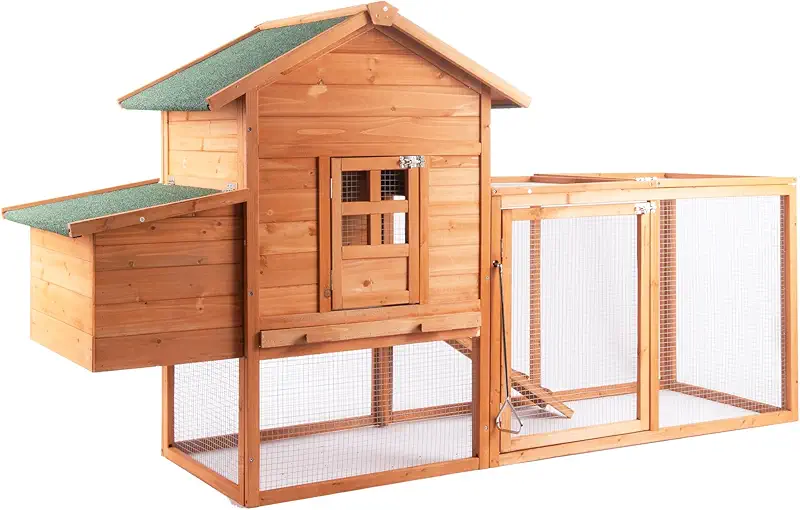
Good space planning inside an 8x10 coop keeps the flock calm and eggs coming steady.
Key features to look for in an 8x10 chicken coop
Over the years, I’ve learned that the fancy paint on the outside doesn’t matter much. It’s the quiet little details inside an 8x10 chicken coop that keep your birds healthy and your chores easy. Here’s what I always look for when I’m helping folks choose a coop.
1. Good ventilation without cold drafts
Chickens breathe out a lot of moisture. In winter, that moisture turns into frostbite on combs and toes if the air can’t move. Your 8x10 chicken coop needs solid ventilation up high, close to the roof, so warm, damp air can drift out while the birds stay cozy below.
- Look for vents or windows up near the roofline.
- Openings should be covered in hardware cloth, not flimsy chicken wire.
- You want steady airflow, not wind blowing directly on the birds.
2. Enough roosting bars, placed wisely
Chickens like to roost off the ground at night. In an 8x10 coop, I like to run sturdy wooden roosts along the back or one long side. A few simple rules from my own coops:
- Allow about 8–10 inches of roost space per bird.
- Place roosts higher than the nest boxes, so they sleep there instead of in the nests.
- Leave enough room under the roost to rake out droppings easily.
3. Nest boxes that are easy to reach
For an 8x10 chicken coop with a dozen hens, I like 4–5 nest boxes. They never use them all at once; they all want the same “favorite” one. But a few extras keep the peace.
I prefer boxes about 12x12 inches for standard breeds, mounted a bit off the floor. Even better if you can open them from outside the coop. That way, you can grab eggs in your slippers without stepping in anything you don’t want to track back in the house.
4. Solid predator protection
I love my hens, and so do the raccoons, foxes, coyotes, and hawks around here—just for different reasons. A good 8x10 chicken coop should be built like you’re trying to keep out a smart, hungry thief:
- Use hardware cloth, not wide‑hole chicken wire, on windows and vents.
- Doors should have sturdy latches, not little hook‑and‑eye clips raccoons can open.
- If there’s a run attached, bury wire or skirt it out to stop diggers.
5. Easy cleaning and good layout
A coop can be beautiful, but if it takes you half an hour just to squeeze in and scoop out droppings, you won’t keep up with it. When I step into an 8x10 chicken coop, I want:
- Human‑sized door so I can walk in upright.
- Space to swing a shovel or push a small rake.
- Flat, durable floor—wood or concrete works fine if you keep bedding down.
The easier your coop is to clean, the better it will smell, and the healthier your birds will stay. Simple as that.
Setting up your 8x10 chicken coop the smart way
When you get your coop, the real fun starts. I always say the birds are the easy part; it’s us humans who overcomplicate things. Here’s how I set up an 8x10 chicken coop so chores stay quick and the hens stay content.
Choose a good spot
On my farm, I like a spot that:
- Gets morning sun to dry things out and warm the birds.
- Has some afternoon shade, especially in hot summers.
- Drains well after rain so you’re not slogging through mud.
If the ground holds water like a sponge, move uphill a little. Wet ground is rough on chickens and rough on boots.
Think through your daily path
Picture your day: you’ll be going out there in rain, snow, and mud, not just those pretty summer evenings. When I place an 8x10 chicken coop, I think about:
- How far I want to carry feed and water.
- If there’s room to park a wheelbarrow nearby.
- Whether I can run a hose there in summer.

A well‑placed coop saves steps and keeps chores quick, even on cold mornings.
Inside layout for easy chores
I like to keep the inside of an 8x10 coop simple:
- Feeders and waterers along one wall so I can fill them in one pass.
- Roosts at the back, nests along a side wall.
- A clear path from the door straight to the back so I’m not stepping over anything.
A little planning now saves a lot of muttered words later when you’re out there before sunrise holding a feed bucket and trying not to trip.

Fresh bedding, dry nests, and steady routines keep hens healthy and calm.
Daily and weekly care for your 8x10 coop
Taking care of chickens isn’t hard work; it’s just steady work. Do a little every day, and your coop never turns into a disaster zone. Here’s the rhythm I follow with an 8x10 chicken coop.
Every morning
- Open the pop door and let the girls out.
- Check waterers and top them off.
- Fill feeders and make sure everybody looks alert.
Every evening
- Count heads on the roosts—takes ten seconds, saves heartache.
- Close and latch all doors.
- Grab eggs if you didn’t already.
Weekly chores
Once a week, I bring in a rake and a bucket:
- Scrape under the roosts where droppings pile up.
- Stir or top up bedding on the floor.
- Freshen nest box bedding if it’s dirty or flattened.
In an 8x10 coop, this doesn’t take long if you keep up with it. Let it slide for a month, though, and you’ll pay for it with smell and flies.
My simple tips for happy laying hens
Over the years, I’ve tried a lot of fancy tricks. Most of them end up in the “nice idea, not worth the fuss” pile. These are the things that really made a difference in my 8x10 chicken coops.
1. Give them consistent routines
Chickens like knowing what to expect. Same time out in the morning, same time closed up at night. When the rhythm is steady, they settle in better, fight less, and lay more.
2. Don’t skimp on feed or water
A coop can be perfect, but if the hens are short on water or good feed, the eggs will show it. I always keep:
- Clean, fresh water available all day.
- A quality layer ration as the main feed.
- Grit and oyster shell on the side, free choice.
3. Keep boredom under control
In an 8x10 chicken coop, boredom creeps in fast if birds are cooped up too much, especially in winter. I like to:
- Toss a little scratch grain into bedding so they dig and scratch.
- Hang a cabbage or leafy greens now and then like a “chicken piñata.”
- Give them a log or branch to hop on and around.
It doesn’t need to be fancy; just something to keep them busy besides picking on each other.
4. Watch their body language
After a while, you can look in an 8x10 coop and tell if things are right. Birds should be:
- Moving around calmly, not frantic.
- Bright‑eyed, with clean vents and feathers.
- Roosting peacefully at night, not piled in a nervous heap.
When something feels “off,” you’re usually right. Check for drafts, check feed, check for mites or lice, and make sure no bullies are harassing the gentle hens.
I once had a hen that would scold me loudly if I was late opening the coop door. She kept better time than my alarm clock. When you care for them right, they start acting like little feathered neighbors.
Building vs. buying an 8x10 chicken coop
I’ve built coops from scratch, converted old sheds, and used pre‑built kits. Each path has its place. Here’s how I think it through when someone asks what they should do for their 8x10 chicken coop.
If you build your own
Building from scratch is great if you:
- Enjoy working with tools and lumber.
- Have time to fuss with framing and roofing.
- Want every little detail exactly how you like it.
Just remember, lumber prices can surprise you, and little details like hinges, latches, and paint add up. It’s not always cheaper when you count your time.
If you use a pre‑built or a kit
Pre‑built coops or solid kits can be a lifesaver if you:
- Don’t have many tools or much building experience.
- Want birds settled in sooner rather than “someday.”
- Prefer a clear plan with all pieces ready to go.
For an 8x10 chicken coop, I like designs that focus more on strong framing and ventilation than on cute trim. The hens don’t care about flower boxes; they care about dry bedding and fresh air.

Sturdy framing, practical doors, and real ventilation matter more than fancy trim pieces.

A secure outdoor run turns your 8x10 coop into a whole little chicken village.
Pairing your 8x10 coop with a good run
A coop is the bedroom and kitchen; the run is the backyard. Even with a roomy 8x10 chicken coop, I like to give my birds a strong, safe run they can enjoy most days.
My rule of thumb: try for at least 8–10 square feet of run space per bird. More is better. The more they can scratch, dust‑bathe, and wander, the happier and calmer they stay.
For the run, I focus on:
- Sturdy posts and wire they can’t push through or under.
- Some kind of roof or netting to discourage hawks.
- A bit of shade so they’re not baking in summer sun.
Attach the run right to the 8x10 coop, with a pop door for the birds. That way, you can open it in the morning, shut it at night, and know they’re safe on both sides of the door.
Weather‑proofing your 8x10 chicken coop
Chickens can handle more cold than we give them credit for, as long as they’re dry and out of the wind. With an 8x10 chicken coop, you’ve got enough room for them to huddle together and share body heat, which helps a lot in winter.
For cold climates
- Seal big gaps, but don’t block high vents.
- Use deeper bedding on the floor for insulation.
- Keep water from freezing with a heater made for livestock if needed.
I don’t rush to add heat unless I really have to. A well‑built coop with good ventilation keeps birds safer than a heat lamp that might start a fire.
For hot climates
- Maximize shade around the coop and run.
- Keep windows and vents open with secure wire.
- Provide cool, fresh water and maybe a shallow pan for them to stand in.
In summer, I sometimes prop open a solid door with a screen or hardware‑cloth door behind it, so the 8x10 chicken coop acts like a breezy little barn without inviting predators.
Common mistakes I see with 8x10 coops
I’ve helped more neighbors than I can count fix up their first coops. The problems are usually the same, and they’re easy to avoid if you know what to watch for.
- Too many birds. It’s tempting, but resist. Crowded birds pick, fight, and get sick.
- Not enough ventilation. People seal the coop to “keep them warm” and end up with damp, stinky air.
- Weak hardware. Cheap latches and flimsy wire are just invitations to raccoons.
- Coop too far from the house. Looks nice in pictures, but not when you’re hiking through snow at 10 p.m.
Start simple and solid. Your birds don’t care if you painted the trim twice; they care if their roosts are dry, their air is fresh, and the door shuts tight every night.

Skip the common pitfalls: focus on space, airflow, and strong doors first.

Choose an 8x10 chicken coop that fits your flock, your climate, and your daily routines.
FAQ about 8x10 chicken coops
If you’re ready to start gathering your own fresh eggs and want to see what an 8x10 setup could look like in your yard, take a slow look through the different coop styles available. Picture where you’d put the feeder, where you’d stand with your coffee, and how those first eggs will feel in your hands.
I’ll browse coops now