
8x12 chicken coop
8X12 Chicken Coop
I’ve been raising laying hens on American soil longer than some of my neighbors have been alive. An 8x12 chicken coop has been one of my favorite “sweet spot” sizes: big enough for a good flock, small enough that it doesn’t take a tractor to manage. Let me walk you through how to make this size work for you.
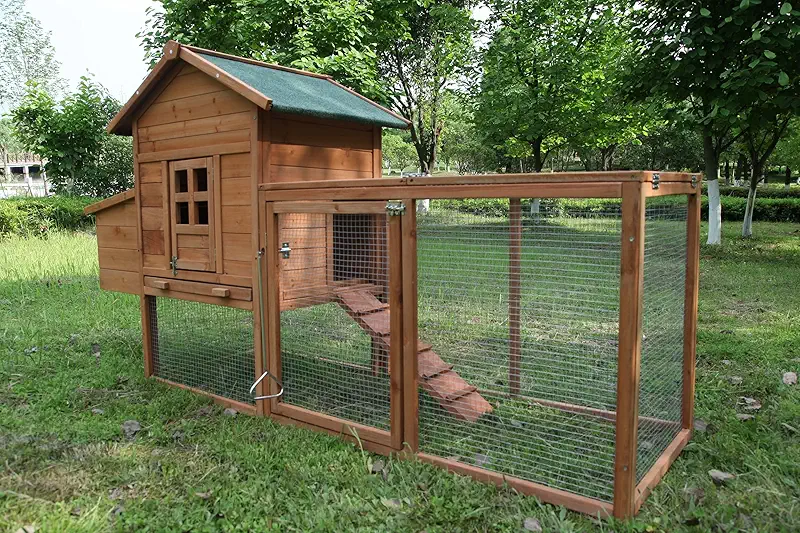
Why an 8x12 chicken coop is a sweet spot
Out here on the farm, I’ve tried about every coop size you can imagine. Tiny little tractors, big old barns, and everything in between. Over the years, an 8x12 chicken coop has proven itself again and again.
It’s like a sturdy pickup truck: not flashy, not tiny, just practical. With the right layout, it gives your hens good space to live, lay, and loaf around, without turning your yard into a full-scale construction site.
If you manage the inside well, this size will handle:
- 10–15 hens in cozy comfort
- Up to around 20 with smart ventilation and good outdoor run
- Plenty of storage for feed, shavings, and tools if you plan it right
I’ve raised many flocks in a coop this size through hot summers, muddy springs, and winters that made the coffee freeze in the mug. It can handle it all, if you set it up with some old-fashioned common sense.
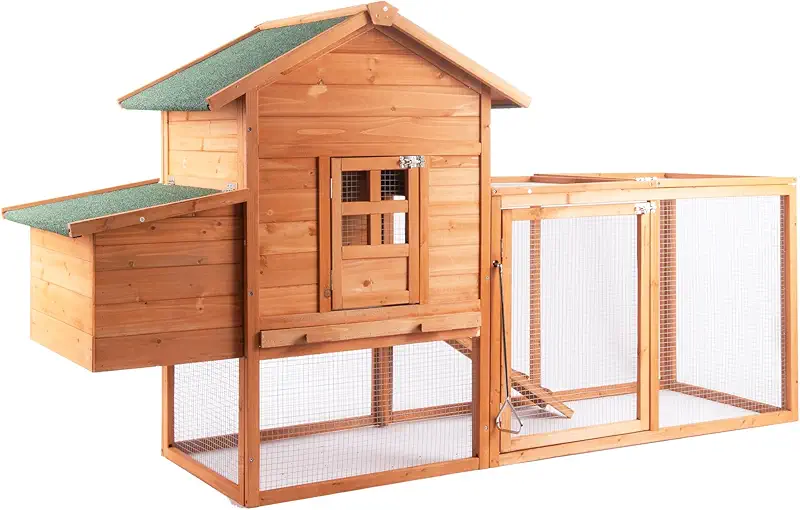
How many hens belong in an 8x12 coop?
Folks always ask me, “How many chickens can I put in there?” And I always answer, “Well, how grumpy do you want them to be?” Overcrowded hens act like tired toddlers in a grocery store. Nothing good comes from it.
An 8x12 chicken coop gives you 96 square feet. Here’s how I break it down from a practical farmer’s view:
My real-world rule of thumb
- Comfortable and calm: 10–15 laying hens
- Still okay with a big run: up to about 18–20 hens
- Beyond that: you’re asking for pecking, stress, and health headaches
When my kids were young, we tried to squeeze “just a few more” birds into an 8x12. Pecking got worse, and egg quality went down. We pulled the flock back to 14 girls, and within two weeks things felt peaceful again. Hens are honest; they tell you when you mess up.
Key features to look for in an 8x12 chicken coop
Not every coop sold out there would last a single winter on my farm. Some look pretty in pictures, but a stiff wind would send them rolling into the neighbor’s yard. Here’s what I’d insist on if you’re looking at an 8x12 chicken coop.
1. Strong frame and solid floor
I want framing that doesn’t wiggle when you lean on it. A good coop feels like a small shed, not a cardboard box. I’ve seen cheap coops sag in the middle like an old mattress within a year.
- Sturdy wood framing or well-built metal structure
- Floor high enough off the ground to stay dry
- No big gaps where wind and critters sneak in
2. Honest ventilation, not just “cute” windows
Chickens breathe out a lot of moisture and ammonia. If it can’t get out, it settles on their lungs and in their bedding. Good airflow high up keeps the air fresh without chilling them.
- Vents up near the roofline on at least two walls
- Windows that can be opened and covered with hardware cloth
- Airflow that moves out the damp without putting a draft right on the roosts
3. Nest boxes that make sense
For an 8x12 chicken coop, I like 4–6 nest boxes for a typical flock size. Hens will share, but they still get fussy. I’ve seen six hens lined up, all waiting for the same favorite box, while four other nests sat empty. Chickens don’t care about efficiency charts.
- Nests slightly lower than the roosts so they sleep on the perch, not in the boxes
- Easy access door outside so you don’t track mud inside just to gather eggs
- A little roof or divider so the nests feel cozy and dim
4. Roosts placed at the right height
Chickens like to sleep up off the floor, where they feel safe. For adult layers, I like roost bars around knee height, with a step or lower bar if you keep heavier breeds.
- Allow at least 8–10 inches of roost space per bird
- Rounded or slightly softened edges so feet don’t get sore
- Roosts higher than the nest boxes so they don’t turn nests into toilets
My favorite 8x12 layouts for happy laying hens
Over the years, I’ve sketched more coop layouts on napkins than I can count. Some worked, some were a mess. Here are two simple ways you can arrange an 8x12 chicken coop that have treated my birds kindly.
“Half and half” layout
This one splits the coop into two informal zones:
- Back 8x6 feet: roost bars, nest boxes, feeders, and waterers
- Front 8x6 feet: human space for feed storage, a little workbench, and room to collect eggs
I like this because in the dead of winter I can step inside, shut the door behind me, and work without snow blowing into everything. Plus, my feed stays dry and I’m less likely to spill a whole sack in the mud. (Only did that twice… so far.)
“All birds, no storage” layout
If all you care about is flock space, you can turn nearly the whole 8x12 into chicken living quarters:
- Roosts along the back wall
- Nest boxes along one side wall
- Feed and water on the opposite side, away from drafts
Then you keep your feed and tools in a separate shed or garage. This is what I do in my bigger flocks, where birds get priority and I accept that I’ll walk a few extra steps for feed.
Old farmer tipWhatever layout you pick, plan where your wheelbarrow and your shoulders will fit. If you can’t walk in with a shovel and a barrow, cleaning day is going to feel a lot longer than it should.


Setting up the outdoor run for an 8x12 chicken coop
The coop is the bedroom and dining room. The run is the porch and backyard. If your birds are going to spend much time outside but still fenced, that run matters almost as much as the coop itself.
How big should the run be?
If I could, I’d give every hen their own little acre. But fence isn’t free, and predators don’t take days off. For an 8x12 chicken coop flock of 12–15 hens, this is what feels right on my farm:
- Minimum: 10 square feet per bird in the run
- Better: 15–20 square feet per bird
- Best: Plus occasional free range time when it’s safe
An 8x16 or 10x20 run pairs nicely with an 8x12 coop and doesn’t eat your whole yard.
Predator protection that actually works
I’ve lost birds to just about every critter that walks, flies, or slithers. Over time I got tired of learning the hard way. Here’s what I insist on now:
- Hardware cloth, not chicken wire: chicken wire keeps chickens in, not predators out
- At least 18 inches of wire skirt or underground barrier to stop diggers
- Solid latches that a raccoon can’t work open like a puzzle toy
One night, years back, I watched a raccoon open a simple hook-and-eye latch like it had done it a hundred times. That was the last night I used cheap hardware on anything that holds chickens.


Daily life in an 8x12 chicken coop
Let me walk you through a normal day in my 8x12 setup, so you can picture how this size really works.
Morning routine
I open the coop in the gray light of morning. Hens hop off the roost and stretch their wings. They know breakfast is coming. Feeders sit along one wall so there’s room for several birds to eat without bullying. Waterers are tucked where they don’t get full of bedding.
In a good 8x12 chicken coop, I can step in, toss down fresh bedding, adjust the feeder, and gather any early eggs without bumping my head or backing out like I’m leaving a crowded closet.
Midday checks
Around midday I pop back in. I grab eggs from the nest box door, top off feed if needed, and just listen. A quiet coop with gentle clucks is usually a healthy one. If I hear sharp squabbles or stressed calls, I know I’ve got something to fix.
Evening lock-up
As the sun drops, hens file back inside on their own. That’s one of the small miracles I never get tired of: you don’t have to chase them. I count heads on the roosts, shut up the coop, lock the run gate, and give the door a good shake to be sure.
A well-planned 8x12 coop makes all of this simple, not a chore that eats your whole evening.


Keeping your 8x12 chicken coop clean and healthy
A coop doesn’t have to smell bad. If it does, something’s off. With an 8x12 chicken coop, you’ve got enough room to manage droppings and moisture without turning it into a full-time job.
Simple cleaning schedule that works
- Daily: scoop under the roosts, quick check of water and feed
- Weekly: stir or add bedding, wipe obvious messes off nest boxes and perches
- Seasonally: deeper clean, fresh bedding from floor to corners, quick inspection for leaks or chewed spots
I’ve tried fancy systems, but in the end, consistency beats complexity. Ten honest minutes a day beats three miserable hours every month.
Ventilation and moisture
Watch for condensation on windows or a heavy smell when you open the door. That’s your sign you need more airflow. In winter, I open the upper vents and keep drafts off the birds themselves. In summer, I open everything that’s predator-safe.
Old farmer tipIf you can walk into your coop, take a deep breath, and not wrinkle your nose, your chickens are probably breathing fine too.
FAQ about 8x12 chicken coop setups
1. Is an 8x12 chicken coop big enough for 20 hens?
It can be, but I only push it that far if the hens have a generous outdoor run and I’m on top of cleaning and ventilation. For most backyard folks, I’d rather see 12–15 hens in an 8x12. They stay calmer, lay better, and cause fewer problems.
2. Do I need insulation in an 8x12 coop?
Depends on your winters. Out here, we get cold, but not Arctic. I focus more on blocking drafts at bird level, keeping things dry, and giving plenty of bedding. In very cold areas, light insulation can help, but don’t seal the coop so tight that moisture builds up.
3. How tall should an 8x12 chicken coop be?
I like to be able to walk in without ducking, so 6–7 feet inside is nice. That gives space for high vents and comfortable roosts. Shorter coops can work, but every time you bang your head on a rafter, you’ll wish you had gone taller.
4. Can I move an 8x12 coop?
Not easily, unless it’s built as a skid-style or on wheels and you’ve got a tractor or strong vehicle. I treat mine as semi-permanent. If you think you’ll want to move it often, look for lighter designs or modular sections made to be relocated.
5. What’s the best flooring for an 8x12 chicken coop?
I’ve used wood floors, packed dirt, and concrete. Wood raised off the ground with good bedding is my favorite for this size. It’s warmer than concrete, easier to shovel than bare dirt, and if you protect it from moisture, it lasts a long time.
If you’re dreaming of fresh eggs and a steady little flock, an 8x12 chicken coop is a fine place to start. Give your hens enough room, keep the air dry and clean, and they’ll pay you back every morning, one egg at a time.