
8x6 chicken coop
8X6 Chicken Coop
Out here on the farm, an 8x6 chicken coop is what I call the “sweet spot” for backyard flocks. Big enough so your hens aren’t shoulder to shoulder, small enough that it doesn’t take your whole weekend to clean. Let me walk you through how to make that size work like a charm, with stories from a farmer who’s chased more than one chicken across the yard at sunrise.
Let me see options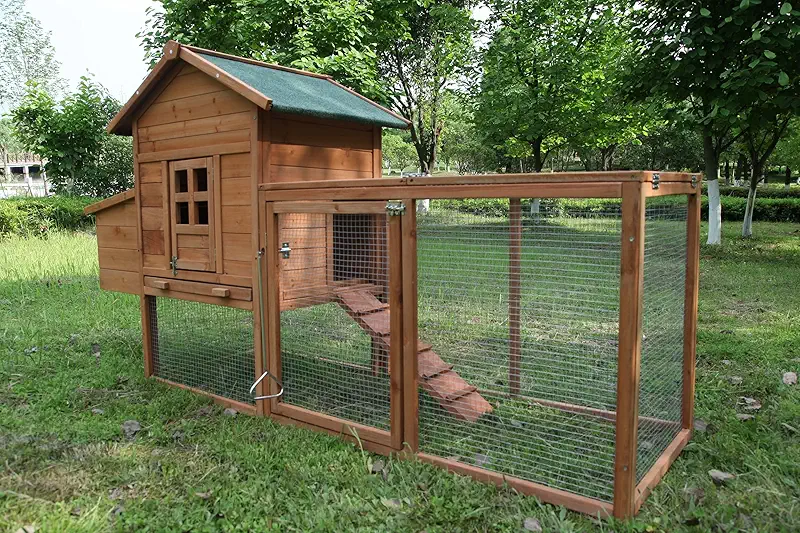
Why an 8x6 chicken coop just works
After a few decades raising laying hens here in the States, I’ve tried about every size of coop you can imagine. From tiny little boxes that looked cute on the internet, to big old barns that took half a day to muck out. Over time, I found myself coming back again and again to the 8x6 chicken coop for small and medium flocks.
On my north pasture, I keep one 8x6 coop as my “starter flock” house. It began with six hens, then eight, then ten. Every time I thought, “That’s it, no more birds,” I’d see another nice pullet at the feed store and, well, you can guess the rest. An 8x6 gives you room for that little bit of expansion without turning your yard into a feathered circus.
If your birds also have a decent run or yard space, an 8x6 coop can comfortably handle a flock of backyard layers in most climates. The trick is how you set it up inside, and that’s where a lot of folks get it wrong at the start.
How many chickens fit in an 8x6 coop?
Now, ask ten farmers this and you’ll get twelve answers. I’ll tell you what’s worked for me in real life, not just on a chart. My rule of thumb, for laying hens that spend part of the day outside:
- 8–10 hens for a very roomy, easy‑to-manage coop.
- 10–12 hens if they have a generous run and you’re on top of cleaning.
- 12–14 hens only if they free‑range most days and you know what you’re doing.
Sure, you can cram more birds in. But crowded hens are noisy, messy, and far more likely to start picking on each other. You’ll see bald backs, bloody combs, and broken eggs. That’s not saving space; that’s buying trouble.
I remember one neighbor who insisted he could keep twenty hens in his 8x6 chicken coop “just fine.” By mid‑winter, those girls were screaming like they’d just seen a fox every time he opened the door. We re‑homed half his flock, opened up the space, and like magic the noise and bullying calmed right down.
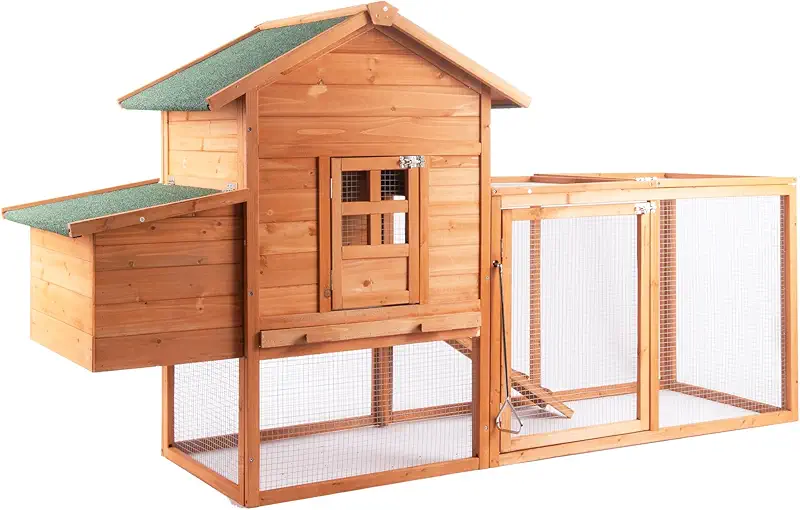
A well‑planned 8x6 coop with a safe outdoor run keeps the flock relaxed and productive.
Key features to look for in an 8x6 coop
When I walk up to a new coop, there are a few things I look at before anything else. Doesn’t matter if it’s homemade, store‑bought, or one of those nice kits you put together in the driveway. These are the essentials I’ve learned from years of wet boots and early mornings.
1. Strong frame and predator‑proofing
Out here, everything likes chicken. Fox, raccoon, possum, even the neighbor’s dog that’s “never done that before.” A solid 8x6 chicken coop needs:
- Sturdy framing (no flimsy, wobbly walls).
- Good latches that raccoons can’t open with their little thief hands.
- Hardware cloth instead of chicken wire on vents and lower openings.
- Strong floor or buried wire so critters can’t dig in from below.
I lost my very first batch of pullets because I trusted thin wire and a cheap latch. Learned that lesson once, and I still feel a twinge in my chest every time I talk about it.
2. Ventilation without drafts
Chickens hate damp, stale air even more than cold. Your coop should have vents up high so warm, moist air can escape, without blowing straight across the birds while they sleep.
In my 8x6 coops, I like a couple of vents under the roofline and maybe a small window I can crack open on mild days. You want it to smell like clean straw, not a high‑school locker room after football practice.
3. Easy access for you
You’ll be in and out of that coop at least once a day, usually more. So think about yourself too:
- A human‑sized door so you’re not crawling on your knees.
- Egg access from outside, if possible.
- Doors that open wide enough for a wheelbarrow or muck tub.
One of my early coops had a low door. I whacked my head on that thing so many mornings that I’m surprised I remember my own name. Don’t do that to yourself.

Big doors and simple layout make daily chores in an 8x6 coop quick and painless.
Setting up the inside of your 8x6 chicken coop
The outside might catch your eye, but the inside is where your hens live their real lives. Think of it like setting up a tiny farmhouse for them. Food here, beds there, bathroom over yonder.
Roosts: where your hens sleep
Chickens feel safest on a perch. In an 8x6 chicken coop, you have enough wall space to set up roosts properly:
- Use 2x3 or 2x4 boards with the wide side up so their feet stay warm.
- Keep roosts a little higher than the nest boxes so they don’t sleep in the nests.
- Allow at least 8–10 inches of roost space per bird.
I’ve seen folks use skinny, round dowels. Chickens aren’t parrots. Give them a nice flat spot to sit. They’ll thank you with clean eggs and fewer frostbitten toes.
Nest boxes: where the magic happens
In my 8x6, I like:
- 1 nest box for every 3–4 hens.
- Boxes about 12"x12", set lower than the lowest roost.
- Some kind of lip or edge to keep bedding and eggs from rolling out.
Don’t be surprised if the girls all pick one favorite box and line up like it’s Black Friday at the farm store. They do that. As long as they’re not breaking eggs, it’s fine.
Feed, water, and “chicken traffic”
Inside an 8x6 chicken coop, traffic jams are real. You want feed and water where hens can get to them, but not right under the roosts, unless you enjoy scraping droppings off everything.
- Hang the feeder and waterer a little off the ground, chest height to the birds.
- Keep a clear path from pop door to roosts.
- Leave yourself standing room to collect eggs and clean.

Smart roost and nest placement keeps the 8x6 coop tidy and your hens calm.
Best flooring and bedding for an 8x6 coop
Floor and bedding are what keep your hens healthy and your nose happy. In an 8x6 chicken coop, the area is small enough that one good system can handle everything with just a few minutes a day.
Floor choices I’ve used
- Wooden floor with good paint or sealant – warm and easy to clean.
- Concrete – heavy, but critter‑proof and easy to hose down.
- Packed dirt – only if you add buried wire and deep bedding.
My favorite for an 8x6 is a raised wooden floor, sealed well, with thick bedding. Keeps things dry, and I don’t worry as much about rats and snakes trying their luck from below.
Bedding that actually works
I mostly use:
- Pine shavings – absorbent, smells nice, easy to stir.
- Chopped straw – good if it’s short and dry.
- Sand under roosts – in some climates, easy to scoop like a litter box.
Avoid cedar shavings; they smell great to you but can be rough on chicken lungs. If I can smell it from across the barn, I assume it’s too much for them.

Dry bedding and a tight floor are the backbone of a healthy 8x6 coop.
Placing your 8x6 coop in the yard
Where you park that coop matters almost as much as how it’s built. I’ve moved mine around enough times to learn this the hard way. A bad spot means mud, smell, and grumpy neighbors. A good spot means happy hens and easy chores.
Sun, shade, and wind
- Morning sun is great to dry things out.
- Afternoon shade keeps the girls from roasting in July.
- Windbreak on the side that gets winter storms.
My favorite layout is to face the pop door east or southeast. The ladies get the sunrise, the coop dries out quicker, and in summer the hot west sun hits the back wall instead of baking the entrance.
Ground drainage
An 8x6 chicken coop doesn’t weigh as much as a barn, but it’s still heavy enough to sink into soft ground over time. Before you set it down, ask yourself, “Where does the water go when it rains hard?”
I like a slight slope away from the coop and a run that doesn’t turn into soup every spring. A little extra work with a shovel before you set the coop can save a lot of boot‑sucking mud later.

A good site gives your 8x6 coop sun, drainage, and easy access for you all year round.
Pros and cons of the 8x6 chicken coop size
No coop size is perfect for everyone. But if you’re like most backyard keepers I talk to at the feed store, an 8x6 comes pretty close. Here’s how it usually shakes out.
Advantages
- Plenty of room for 8–12 hens with a run.
- Small enough to keep chores quick and simple.
- Easy to heat in cold snaps if you must.
- Enough wall space for good roost and nest layouts.
- Fits in most suburban and rural backyards without dominating the view.
Limitations
- Not ideal if you dream of 25+ birds down the road.
- Can feel tight if hens are stuck inside for long winter stretches.
- Some cheaper models skimp on wood thickness and hardware.
- You still need a run or free‑range time; the coop alone isn’t enough space.
For most families who just want steady eggs and a flock that feels like part of the household, the 8x6 chicken coop is a mighty comfortable middle ground.

Well‑built 8x6 coops hit that sweet spot between space, cost, and easy daily care.
Daily care routine for an 8x6 coop
People sometimes think chickens are a lot of work. Truth is, with a sensible setup, they’re easier than most pets. My daily routine in an 8x6 chicken coop takes maybe ten minutes, unless I get to talking to the girls, which I usually do.
Morning
- Open the pop door and say good morning (optional, but recommended).
- Top off feed and water if needed.
- Quick look at each hen – bright eyes, clean vents, normal behavior.
Evening
- Collect eggs and check for any soft‑shelled or broken ones.
- Quick rake under the roosts or scoop if you use trays.
- Close the pop door after everyone’s in; count heads for peace of mind.
Once a week, I give the 8x6 chicken coop a more serious tidy: add bedding, wipe down perches, and check for any weak spots where predators might test their luck. A little routine beats a big disaster every time.

A few calm minutes each day in your 8x6 coop keep the flock healthy and your egg basket full.
8x6 chicken coop FAQ
For most backyard folks, 8–10 hens in an 8x6 chicken coop is a very comfortable number, as long as they have access to a run. You can go up to 10–12 if they get regular outside time and you keep the coop clean and dry. Yes, charts on the internet might tell you more, but I’ve watched real birds in real coops, and they act much happier with that kind of space.
It can be, but you need to manage it smart. In rough weather when they’re stuck inside more, keep the bedding deep, the air fresh, and boredom under control. Toss scratch grains into the bedding so they scratch and hunt. Hang a cabbage or put out a flock block. I’ve overwintered hens in an 8x6 chicken coop many times, and as long as I kept things clean and gave them something to do, they came through just fine.
Need? No. Is it handy? Absolutely. I ran a simple line out to one of my 8x6 coops years ago, and it’s been nice for winter water heaters and a little light when I’m checking birds after dark. Just be sure any wiring is done safely, with outdoor‑rated gear and nothing the hens can peck or knock down. If you don’t want power, you can still do just fine with heated bowls and a good headlamp.
Think like a hungry raccoon that doesn’t give up easily. On my coops, I use strong hardware cloth on every opening, bury wire or apron it out around the run to stop diggers, and make sure every door has a latch that needs two motions to open. If I can open a latch with two fingers, I assume a raccoon can too. Check the coop at dusk sometimes—you’ll be surprised how many little weak spots you can spot before something else does.
When I’m helping friends choose a coop, we go through a simple checklist: sturdy wood (not thin, spongy boards), real hardware cloth instead of cheap wire, enough height to walk in, proper vents near the roofline, and solid reviews from folks who’ve had it through at least one winter. If I see a coop that looks cute but skimps on structure and hardware, I keep scrolling. The hens don’t care how darling it looks on a postcard; they care if it’s dry, solid, and safe at 2 a.m.