
8x8 Chicken Coop Plans
8X8 Chicken Coop Plans
I’m a simple U.S. farmer who’s spent more sunrises than I can count walking out to the coop with a coffee in one hand and a feed bucket in the other. Over the years, an 8x8 coop has turned out to be my favorite size for a happy backyard flock.
In this guide I’ll walk you through what really matters when you follow 8x8 chicken coop plans: how many hens they fit, what to watch out for, and the little tricks that keep birds healthy and you sane. No fancy talk, just barnyard‑tested experience.
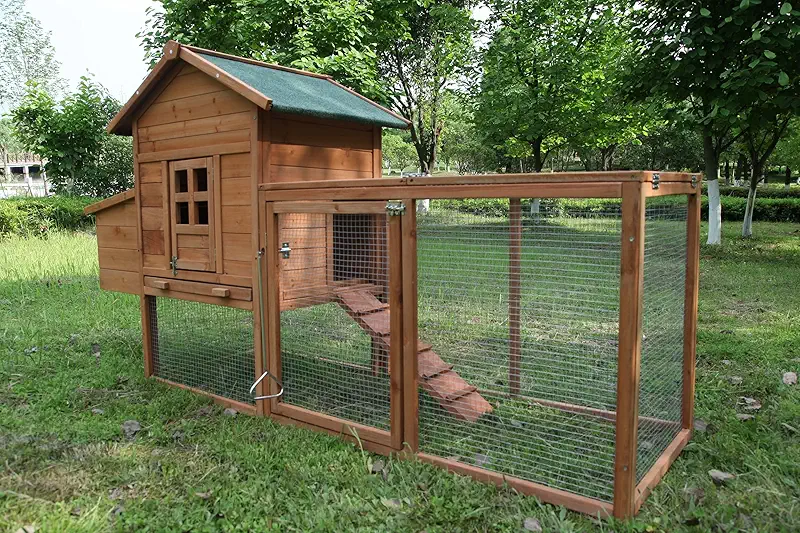
A solid 8x8 footprint gives your hens elbow room and keeps chores from turning into a circus.
Why 8x8 Chicken Coop Plans Work So Well
Over the years I’ve kept chickens in all sorts of setups: too small, too big, too dark, too drafty. If there’s a wrong way to house chickens, I’ve probably tried it by accident. The coop size I keep coming back to is 8x8. Big enough to be comfortable, small enough to manage without turning your weekends into construction season.
With good 8x8 chicken coop plans, you can house a flock that keeps a family in eggs, without creating a monster building. It’s like the “Goldilocks” coop: not cramped, not overbuilt, just right.
Another thing I love about this size is flexibility. You can start with 6–8 hens, then add a few more next year without tearing the whole coop down. Every new chicken keeper I know either ends up with more birds or wishes they had more room. An 8x8 gives you that breathing space.
How Many Chickens In An 8x8 Coop?
Let’s talk numbers. An 8x8 coop is 64 square feet. The old farm rule of thumb is:
- 4 sq ft per hen if they’re mostly inside
- 3 sq ft per hen if they free‑range or have a big run
Using that, you get:
- 16 hens at 4 sq ft each
- 20–21 hens at 3 sq ft each
Now, that’s the math. Out here on the farm, I don’t just trust math. I trust what the birds tell me. Crowded hens get noisy, cranky, and a little bit mean. You’ll see feather picking, dirty butts, and stress. When I see that, I know I pushed the numbers too hard.
From experience, here’s the sweet spot for most backyard folks:
- 8–12 large hens in an 8x8 for easy care and low smell
- Up to 15–16 hens if they free‑range daily and you keep things clean
If you plan on keeping heavier breeds like Orpingtons or Brahmas, think of them as “two‑seat trucks,” not economy cars. They need a little more space. With light, active breeds like Leghorns, you can get away with the higher end of the range more comfortably.
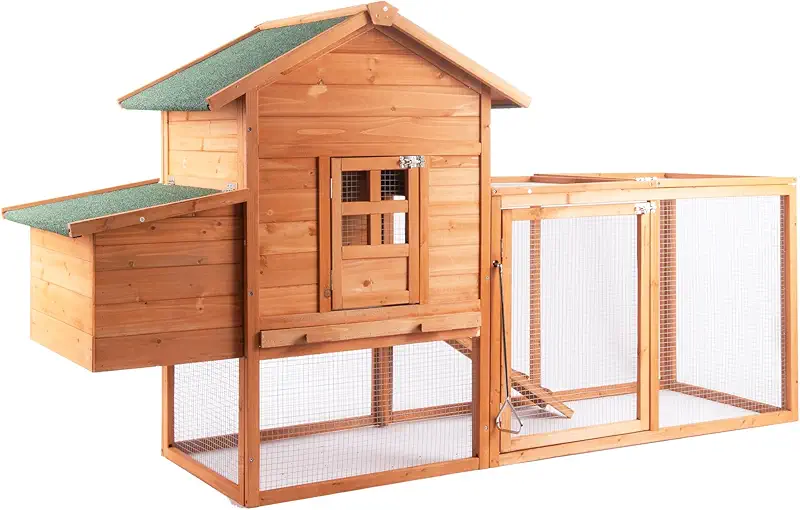
If the hens can all hop on the roost without arguments, you’re close to the right flock size for your 8x8.
Key Features To Look For In 8x8 Chicken Coop Plans
A coop isn’t just a wooden box. It’s more like a tiny barn with plumbing removed and feathers added. When you’re looking at 8x8 chicken coop plans, there are a few things that make the difference between a feathered spa and a feathered disaster.
1. Solid Floor And Predator Protection
I lost my first pullet to a raccoon years ago. I still remember the sound that night. Since then, I’ve gotten serious about predators. A good 8x8 plan should include:
- Raised floor off the ground to keep things dry
- Sturdy material (wood or concrete) that nothing can dig through
- Hardware cloth, not chicken wire, on any openings
Chicken wire keeps chickens in. It does not keep hungry things out. Think like something with teeth when you look at a plan.
2. Ventilation Without Drafts
Chickens breathe out a lot of moisture. If the coop can’t let that out, you end up with damp litter, ammonia smell, and sick birds. Good 8x8 chicken coop plans will show:
- High vents under the roof eaves
- Windows that can open and close with the seasons
- Ventilation above the roosts, not blowing right on the birds
A simple rule: it should never smell bad when you open the coop in the morning. Chickens aren’t supposed to live in a porta‑potty.
3. Easy‑To‑Reach Nesting Boxes
My back thanks me every time I gather eggs without crouching like a teenager tying his shoes. Look for plans that put nesting boxes:
- About waist height from the outside
- With a sloped top so hens don’t roost on them
- Dim and cozy inside, not in bright light
A good rule is one nesting box for every 3–4 hens. But they’ll still all pick one favorite and form a line, like it’s the only restroom at the county fair.
4. Roosts That Feel Natural
Chickens like to sleep up high. It makes them feel safe. The plans should include:
- Roost bars about 18–24 inches above the floor
- Rounded edges or 2x4 boards laid flat so feet stay warm
- Enough room: around 8–10 inches of roost space per hen
I always keep roosts higher than the nesting boxes. Otherwise hens sleep in the boxes, and then your morning eggs come pre‑decorated. Let’s just say you won’t be taking pictures of those.
Layout Ideas For Your 8x8 Coop
An 8x8 coop gives you enough room to lay things out in a way that makes chores quick. The first coop I built had the feeder in the far corner, and I walked through mud every rainy day to get to it. These days, I think like a lazy old farmer when I plan the inside: shortest steps win.
Smart Layout Zones
Divide the 8x8 space into simple zones:
- Front “service” zone: door, feeder, waterer, storage
- Middle “living” zone: open floor, dust bath
- Back “sleeping & egg” zone: roosts and nesting boxes
When your 8x8 chicken coop plans put the roosts and nests toward the back, birds move away from the door at night, and you don’t spook the whole flock every time you open it.
Door Placement
I like a full‑size human door on the long side, and a smaller pop door for the chickens below the roosts or off to one corner. Make sure:
- The human door opens outward so it doesn’t hit anything inside
- You can reach every corner with a shovel or rake
- The pop door leads right into the run or yard, not a muddy swamp

A simple, square layout with clear zones makes chores quick and keeps the birds calm and settled.
Matching Your 8x8 Coop To Your Climate
Chickens handle cold better than heat, but the coop has to be set up for your weather. One size does not fit all, even with 8x8 chicken coop plans. I’ve had birds in blizzards and in August heat waves, and both can be rough if the coop isn’t right.
Cold Climates
If your winters bite hard, look for features like:
- Insulated walls or at least solid sheathing
- Smaller windows with shutters for storms
- Roosts higher off the floor and away from drafts
- Room for deep litter (4–6 inches of bedding)
I don’t heat my coop unless it’s extreme. I focus on keeping things dry and out of the wind. Dry chickens in cold weather are fine. Damp chickens in cold weather are a vet bill.
Hot Climates
Heat can knock a hen flat in an afternoon. In warm areas, your 8x8 chicken coop plans should focus on airflow:
- Big windows with hardware cloth and shade
- Vent openings on opposite sides for cross‑breeze
- Light‑colored roof to reflect sun
- Covered run so hens can get out of direct rays
On the hottest days, I toss a frozen water bottle in the drinker or set out a shallow pan for them to stand in. They don’t thank me in words, but the egg basket stays full.

Shade and airflow matter more than fancy paint colors when the summer sun starts cooking.
Flooring, Bedding And Clean‑Up In An 8x8 Coop
Keeping an 8x8 coop clean is not hard if you set it up right from the start. My first coop had a rough plywood floor and I scraped and cursed my way through more than one spring cleaning. Now I pay attention to flooring and bedding as much as I do the walls.
Best Flooring Choices
For most backyard folks, I recommend:
- Wood floor sealed with outdoor paint or liner
- Vinyl sheet on top for easy scraping
- Concrete if you’re going permanent and predator‑proof
Make sure edges are sealed so spilled water and droppings don’t soak in and rot things out. Future‑you will be grateful.
Bedding That Works
I’ve tried straw, shavings, chopped hay, and sand. For an 8x8, these are my go‑tos:
- Pine shavings for easy raking and good smell
- Straw in nesting boxes for cushion and warmth
I like to run a modified deep‑litter style in winter, stirring things up and adding dry material on top. In spring, I shovel it all into the compost pile and the garden thanks me later.

A clean, dry floor is the quiet hero of any healthy coop. Your nose will tell you when it’s time to freshen up.
Run Size And Outdoor Space For 8x8 Coops
The coop is only half the story. Chickens are little busybodies; they like to scratch, peck, dust bathe, and argue about nothing in particular. Your 8x8 chicken coop plans should tie in nicely with a run or free‑range area.
Run Size Guidelines
If you’re not able to free‑range your hens, aim for:
- 8–10 sq ft of run space per bird, minimum
- More if you live where the ground gets muddy
For a flock of 10–12 hens, that means 80–120 square feet of run. Something like an 8x16 attached run works nicely with an 8x8 coop.
Shade, Cover And Boredom Busters
In the run, I always add:
- A covered area so they can stay dry in rain or snow
- Some stumps or a low perch to hop on
- A dust‑bath corner with dry soil, wood ash, and sand
A bored chicken starts thinking like a little feathered vandal. Give them something to do and they’ll bother the grass instead of each other.

A roomy, covered run attached to your 8x8 coop turns the whole setup into a tiny chicken village.
Common Mistakes Folks Make With 8x8 Chicken Coop Plans
I’ve made enough mistakes for both of us, so you might as well learn from my stubbornness. When I help neighbors set up their first coops, I see the same problems over and over.
1. Too Little Ventilation
People worry about their hens getting cold and close everything up tight. Then moisture builds up, and suddenly you’ve got frostbitten combs and respiratory issues. Fresh air is your friend, even in winter, as long as it isn’t blowing directly on the birds.
2. Coop Too Low To Stand In
If you can’t stand up inside, your knees and back will start sending complaint letters. Choose 8x8 chicken coop plans that give you full height or close to it. You’ll be in that coop every day; make it human‑friendly too.
3. No Thought For Future Birds
You think you’ll just keep six hens. Then you see another breed you like, or a kid shows up with a box of peeping fluff from the feed store. Suddenly that tiny starter coop you built is bursting at the seams. An 8x8 gives you breathing room and lets you add a few more without re‑building.
4. Cheap Hardware
Hinges and latches are not the place to pinch pennies. Raccoons have clever hands. I’ve watched one open a weak latch like it was born with a key. Get solid hardware and use carabiners or predator‑proof latches on any doors.

Sturdy latches and hinges might not look exciting, but they’re often the difference between a quiet night and a bad morning.
Choosing Ready‑Made Coops And Kits Based On 8x8 Plans
Not everyone has the time or the tools to build from scratch, and that’s all right. A lot of folks start with a kit or a ready‑made coop built around 8x8 chicken coop plans. When I help family pick one out, I tell them to ignore the pretty pictures for a minute and look at the bones.
Here’s what I check first:
Sturdy frame Real hardware cloth Enough roost room Easy cleaning- Does the floor look strong enough to hold deep bedding?
- Can you reach all corners for cleaning?
- Are the roosts higher than the nesting boxes?
- Is there real ventilation, not just tiny holes?
A nice thing about browsing different 8x8‑style coops and kits is you can see how other folks solved these problems. Roof style, door placement, nest box height—you can borrow ideas without learning the hard way, like I did.
When you look through options, picture yourself walking out there in January with a bucket, or in July with the sun beating down. If the coop seems easy to use in your head, it’ll treat you better in real life.

FAQ About 8x8 Chicken Coop Plans
For a comfortable flock, I like 8–12 large hens in an 8x8 coop, especially if you’re new to chickens. If they have a good‑sized run or free‑range most days, you can go up to 15–16, but watch for signs of stress or feather picking. The cleaner and drier you keep it, the more birds it can handle peacefully.
Yes, your birds still need outside time. The coop is for sleeping and bad weather, not all‑day living. Even with 8x8 chicken coop plans, I always attach a run or let the flock free‑range part of the day. Plan on at least 8–10 square feet of run space per hen, more if they’re confined often.
If you live where winters get cold and windy, some insulation helps a lot. Focus on walls and ceiling, but don’t block ventilation. In milder climates, solid walls and a draft‑free design are usually enough. I’d rather see good airflow and dry bedding than a sealed‑up coop that sweats inside.
I like a simple sloped shed roof or a modest pitched roof. Both are easy to build and shed rain and snow well. A bit of overhang protects the walls and keeps water away from the door. Whatever style you choose, make sure your 8x8 chicken coop plans leave room for high vents under the roof.
With 8–12 hens, I do a light clean every week or so—scrape droppings off roost boards, stir the bedding, and add fresh where needed. Every few months, or at least twice a year, I do a full clean‑out. Your nose is a good guide: if it smells strong when you open the door, it’s time to freshen things up.
If you’re ready to turn ideas into a real coop, looking through different designs can spark all kinds of good “I could do that” moments.
Show me every coop