
8x8 Chicken Coop
I’ve raised laying hens for decades on our little patch of land, and an 8x8 chicken coop has been one of the most reliable sizes I’ve ever used. Big enough to keep hens calm and laying well, small enough to clean without needing a tractor and a prayer.
On this page I’ll walk you through how to think about an 8x8 chicken coop like a working farmer does: space, layout, predators, winter, summer, and the everyday chores that make the difference between a tired flock and hens that jog to the door to greet you.
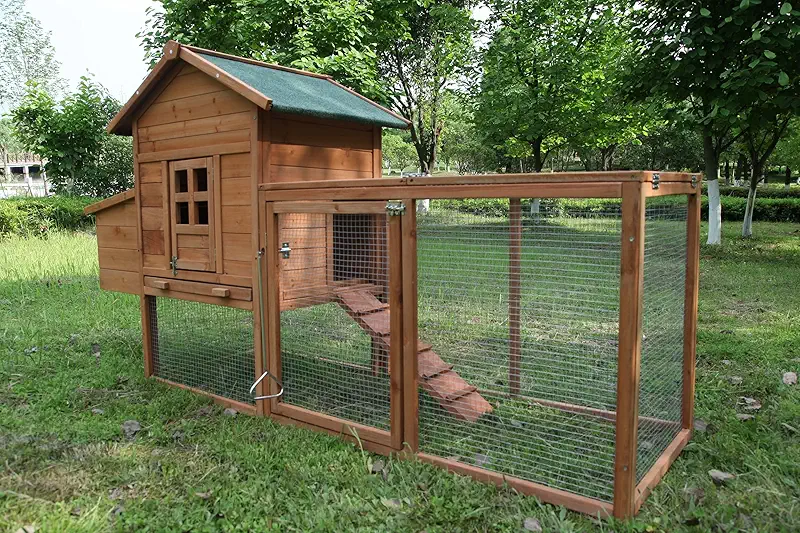
A solid 8x8 chicken coop keeps hens relaxed, dry, and laying steady all year.
Why an 8x8 Chicken Coop Works So Well
Over the years I’ve built, rebuilt, and cussed my way through more chicken coops than I care to count. I’ve had tiny coops that felt like broom closets and big barns that collected more junk than eggs. The 8x8 chicken coop is the sweet spot I keep coming back to.
At 64 square feet, an 8x8 coop gives you enough room for a good flock of layers without turning your yard into a construction site. It’s easy to walk into, easy to ventilate, and simple to wire for a light if you want winter eggs. You don’t need to be a carpenter either; the shape is simple, and most premade 8x8 chicken coop designs follow a straightforward box with a roof pattern.
My hens act different when they’re not crowded. Tails are up, combs bright, and the pecking order stays polite instead of turning into a feather-plucking soap opera. Space inside the coop is a big reason for that.
How Many Chickens Can Live in an 8x8 Coop?
Folks ask me this all the time, usually right after they’ve fallen in love with some cute little breed online and forgotten that those cute little birds also poop, flap around, and argue over roost spots.
The short answer: an 8x8 chicken coop comfortably holds about 12–16 large-breed hens if they have a run, and up to 18–20 smaller breeds like bantams, again with access to outside space.
Could you squeeze more birds in? Sure. You can also squeeze into your high-school jeans if you don’t try to breathe. Crowded hens get stressed, peck each other, lay fewer eggs, and open the door to disease. I like giving each standard hen around 4 square feet inside the coop when they have a run, and more if they’re confined during bad weather.
Good flock sizes for 8x8
- 10–12 heavy breeds (Orpington, Wyandotte, Brahma) with a run
- 12–16 standard dual-purpose hens (Rhode Island Red, Plymouth Rock)
- 18–20 light or small breeds with plenty of run space
- On the smaller side if winters are long and snowy
Roomy perches and calm birds – a good sign your flock isn’t crowded.
One winter, a neighbor stuffed twenty-two big hens into his 8x8 coop. By January they’d eaten every feather off one poor girl’s backside. We spread the flock out, built better roosts, and within a month the pecking calmed down and the eggs came back. Space matters more than cute paint or fancy trim.
Key Features Your 8x8 Chicken Coop Should Have
When you look at any 8x8 chicken coop, don’t just judge it by how pretty it looks on the outside. Picture yourself inside, in mud boots, with a feed bucket in one hand and a waterer banging your knee. If the layout doesn’t work with that picture, it’ll annoy you for years.
Roosts: Where the Ladies Sleep
Hens like to sleep off the ground. In an 8x8 coop, I use simple 2x4 boards turned wide side up so their toes stay warm in winter. Plan on 8–10 inches of roost per hen. Stagger roosts or set them all at the same height to keep bossy birds from pooping on the others.
Keep roosts higher than the nest boxes, or your birds might decide the nests are great places to sleep and… decorate. Nobody enjoys washing poop off eggs at five in the morning.

Simple roosts at the right height keep bedtime peaceful and clean.
Nest Boxes: Egg-Laying Real Estate
For an 8x8 chicken coop with a normal-sized flock, 4–6 nest boxes is plenty. My hens share like kids sharing the “good” swing at the playground. One box will always be the favorite, and they’ll line up for it like a Black Friday sale.
I like nest boxes about 12x12 inches for standard breeds, filled with dry shavings or straw. Put them a bit off the floor, but lower than the roosts. If your 8x8 chicken coop has external nest box doors you can open from outside, your future self, standing in the rain, will be very thankful.
Ventilation: Quietly Saving You From Smell and Sickness
A coop that “holds heat” but doesn’t breathe is just a smelly barn-shaped cough machine. An 8x8 chicken coop needs good ventilation up high, above the birds’ heads when they’re on the roost. You want moist air and ammonia to drift out without putting a draft right on your hens.
I like long vents up near the roofline, covered in half-inch hardware cloth. On one coop I cut slim gutters over the vents so I can leave them open even when it’s snowing sideways. The air stays fresh, combs stay dry, and I smell less ammonia when I step in.
Doors, Access, and Cleaning
Think about how often you’ll be in the coop. For me, that’s every day. So I want:
- A human door that opens wide and doesn’t catch on deep bedding
- A pop door for the chickens, easy to lock each night
- Enough ceiling height to stand upright without inventing new swear words
- At least one panel, big door, or section that makes clean-out simple
Some premade 8x8 chicken coop models have drop-down clean-out doors or removable panels. If you’ve ever tried to shovel wet bedding through a tiny hatch, you’ll understand why I like those features.
Predator Protection for Your 8x8 Coop
Predators are like neighbors: the ones you don’t see are usually the ones you should worry about. Around here we’ve had raccoons, foxes, skunks, hawks, weasels, and one very determined possum that climbed like a circus acrobat.

Sturdy wire, tight gaps, and solid doors keep predators on the outside looking in.
Hardware Cloth, Not Chicken Wire
Chicken wire keeps chickens in, but it does not keep hungry critters out. An 8x8 chicken coop worth its salt uses half-inch hardware cloth on windows, vents, and any opening. Raccoons can reach right through chicken wire, and weasels can slip through gaps that’ll surprise you.
Digging and Climbing Predators
I like to run a hardware cloth skirt about 12–18 inches out from the base of the coop and run, just under the soil. When a fox or dog digs, they hit the mesh and usually give up. It’s simple insurance that’s saved me more than once.
Make sure every door on your 8x8 chicken coop has a latch that a raccoon can’t open. If a raccoon can work a garbage can lid, it can handle a simple slide bolt. I use spring-loaded or double-action latches so I can sleep at night instead of wondering what that noise was.
Designing the Run Around an 8x8 Chicken Coop
The coop is your bedroom; the run is your yard. Both matter. A good 8x8 chicken coop with a lousy run is like a nice house in a parking lot. Your birds need room to scratch, dust-bathe, flap, and argue about absolutely nothing.
I like to give at least 8–10 square feet of run per bird. More is better, especially if your ground turns to mud in winter or you can’t free-range often. If space is tight, consider rotating sections of run so the ground can rest, the way we rotate pasture.

A secure run means your flock can stay out longer without you watching every shadow.
Roofed vs. Open Runs
I’ve tried both. A roofed run costs more up front but saves headaches later:
- Less mud and ice in winter
- Drier litter, which means less smell
- Extra shade in summer
- Some protection from hawks and owls
If you leave the run open, use strong netting or wire overhead. Hawks are patient and faster than you think. I’ve had one grab a pullet while I was turned around fixing a water hose.
Seasonal Care: Making an 8x8 Coop Work All Year
An 8x8 chicken coop can be a four-season home if you plan for the weather you actually get, not the weather you wish you had. I’ve seen -15°F mornings and summer days that bake the dust dry by noon, and the same coop kept birds comfortable through both.
Winter in an 8x8 Coop
Cold isn’t what hurts chickens; damp and drafts do. In winter I:
- Keep ventilation open up high to remove moisture
- Use deep, dry bedding on the floor for insulation
- Block direct drafts at perch height
- Use a simple light on a timer if I want steady eggs
I usually avoid heat lamps. They can start fires, and birds that get used to heat have a tough time if the power goes out. I’d rather build the 8x8 chicken coop tight and dry, then let feathers do their job.
Summer in an 8x8 Coop
Hot weather is tougher on chickens than cold in my experience. For summer I:
- Open every screened window and vent I can
- Provide shade on the run and around the coop
- Move waterers to shady spots and refresh often
- Use light-colored roofing when possible to reflect heat
On real scorcher days I toss frozen water jugs in the run for the hens to sit near. They look at me funny, but they stop panting so hard.
Daily and Weekly Chores in an 8x8 Chicken Coop
A well-set-up 8x8 chicken coop doesn’t take much time each day. Most mornings I’m in and out in ten minutes, unless I stop to chat with the hens, which I usually do. It’s cheaper than therapy.

Good layout means quick chores: feed, water, eggs, and you’re done.
My Simple Routine
- Morning: Open pop door, check water and feed, quick glance at droppings and birds.
- Midday: In hot weather, check water again and look for signs of heat stress.
- Evening: Count heads on the roosts, close the pop door, lock every latch.
- Once a week: Scrape roosts, refresh bedding in nest boxes, spot-clean wet spots.
- Every few weeks: Stir or top up floor bedding, look for gaps, chewed spots, or leaks.
In an 8x8 coop I like to hang feeders so they’re about chest height on the birds. That keeps bedding out of the feed. Waterers go where they won’t freeze in winter or bake in the sun in summer. Plan the layout once and you’ll enjoy it every day.
Choosing the Right 8x8 Chicken Coop for Your Yard
Not every yard or farm is the same, and not every 8x8 chicken coop needs to be either. Before you settle on a design or a ready-made building, walk your yard with a cup of coffee and notice a few things: where the wind comes from, where water stands after rain, and how far you really want to walk in January.
Things to Think About
- Sun and shade: Morning sun is great; all-day blazing heat is not.
- Drainage: Low, soggy spots turn into smelly messes.
- Distance: Close enough for quick chores, far enough from bedroom windows.
- Neighbors: A clean, painted 8x8 looks nicer than a patched-together shack.
I like placing the coop where I can see the door from the house. That way I can glance out and know if I forgot to close up at night without putting on boots.

Set your coop where wind, sun, and drainage work with you instead of against you.
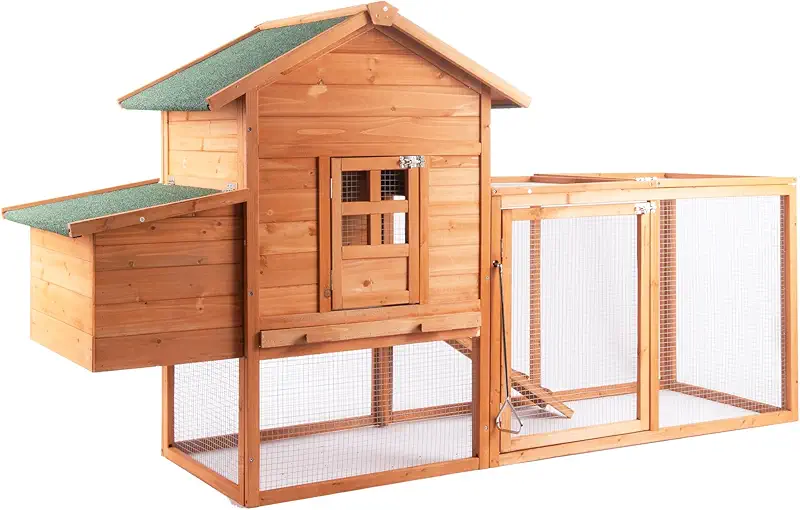
Some 8x8 chicken coop models come with attached runs, windows, vents, and nest boxes all figured out. That can save a lot of tinkering. Others are more basic, which is fine if you like adding your own touches—extra roosts, a feed storage corner, or a covered porch area for muddy days.
Common Mistakes People Make With an 8x8 Chicken Coop
I’ve made most of these mistakes myself, so consider this a little list of “don’t do what I did” lessons from the field.
- Too many chickens: Starts fine, ends in stress, smell, and bare-backed hens.
- Not enough ventilation: Frostbit combs and strong ammonia smell tell on you.
- Chicken wire everywhere: Works until a raccoon decides it’s snack time.
- No plan for mud: The gateway to stink, flies, and unhappy neighbors.
- Tiny doors and low ceilings: Cleaning becomes a chore you avoid, and the coop shows it.

Solid build, dry floor, fresh air: an 8x8 coop that will treat you and your flock right for years.
When you look at different 8x8 chicken coop options, ask yourself: “Will I still be glad to walk into this in five years?” If the answer is yes, you’re headed in the right direction.