
Agricultural lime for chicken coop
I’ve been raising laying hens on our little patch of ground here in the States for a few decades now. One quiet trick that keeps my coop from smelling like the far end of a hog barn is simple: agricultural lime for chicken coop care. Used right, it keeps the floor dry, cuts odor, and helps those hens stay healthy and laying strong.
Let me walk you through how I use it, where it shines, and how to stay on the safe side so your birds stay happy, your boots stay cleaner, and your nose doesn’t complain every time you open the coop door.
What agricultural lime really is (and what it isn’t)
First thing to clear up: when I say agricultural lime for chicken coop, I’m talking about pulverized agricultural limestone, often called calcitic lime or sometimes dolomitic lime. It’s made from ground-up limestone rock and is mostly calcium carbonate, sometimes with magnesium mixed in.
This is not the same as hydrated lime (also called quick lime or slaked lime). Hydrated lime is much harsher, very caustic, and not something I like around living creatures or my own skin. If the bag says “hydrated,” “quick,” or warns about burning skin, that’s not what you want in a coop.
Agricultural lime is mild. It raises pH slowly and helps dry out damp bedding and soil. Used in a thin layer under fresh bedding, it’s like putting a good pair of socks in your work boots: you don’t see it, but you sure notice when it’s missing.
Why use agricultural lime in a chicken coop?
Chickens are little poop machines. A few hens don’t seem like much, but give a flock a couple of weeks in a small coop and you’ll know it. Manure brings moisture, ammonia, and odor.
Here’s where lime helps:
- Reduces odor: Lime helps neutralize acidity and cuts that sharp ammonia smell.
- Helps dry the floor: It absorbs some moisture and keeps bedding from turning to muck.
- Less fly pressure: Drier, less smelly bedding doesn’t call in every fly in the county.
- Improves soil under the coop: If your coop has a dirt floor or run, lime can sweeten sour soil over time.
I like to say lime keeps the coop more like a barn and less like a swamp with feathers.
- Bag clearly says “agricultural lime” or “limestone”
- No “hydrated” or “quick” on the label
- Fine powder or small granules
- Spread thin, not inches deep
- Always cover with bedding before letting birds back in
How I use agricultural lime in my coop, step by step
I’ll walk you through exactly how I treat my coop floor. This is the routine that’s kept my hens laying and my neighbors from complaining.
1. Clean out the old bedding
I start by hauling out the old litter: shavings, straw, whatever I’ve been using. I use a flat shovel and a stout garden fork. The old bedding goes straight to the compost pile or into a future garden bed. That stuff is “brown gold” once it breaks down.
I like to let the bare floor air out for an hour or two if the weather allows. Doors and windows propped open, maybe a fan if the day is soggy.
2. Sprinkle a light layer of agricultural lime
Once the floor is scraped and fairly dry, I take a scoop or old coffee can and sprinkle a light dusting of ag lime across the floor.
- On a wooden floor, I go extra light, just enough to see a haze.
- On a dirt floor, I go a bit heavier, especially in any damp corners.
I don’t want thick piles. You’re aiming for about as heavy as you’d sprinkle powdered sugar on a cake. If you can write your name in it with your boot, it’s probably too thick.
3. Rake or broom it in
I use a stiff broom or rake and work the lime into the top layer of the floor or soil. This keeps it from blowing around and helps it blend with the old fine bedding and soil.
4. Cover with fresh bedding
This part matters. Lime should not be the layer your birds stand in. I always:
- Spread a good base of dry shavings or straw right over the lime.
- Aim for at least 2–4 inches of bedding on top.
Once that’s done, I bring the hens back in. All they see is clean bedding and a farmer who looks like he’s been wrestling a flour sack.
5. Touch-up in problem spots
In the weeks that follow, if I notice a wet corner or under the roost getting pungent, I’ll do a little mid-cycle refresh:
- Scrape out the wet spot
- Sprinkle a bit of lime
- Cover with fresh, dry bedding
Done right, you won’t smell the coop until you’re inside it, and even then it should smell like a barn, not a sewer.
Safety first: using lime without hurting your flock
I’m pretty fond of my hens. They pay the feed bill with eggs, and a few of them would probably follow me into the house if I let them. So I’m careful with anything dusty or strong-smelling.

What I never do with agricultural lime
- I never use hydrated lime in or around the coop.
- I never leave lime uncovered where birds will dust-bathe right in it.
- I don’t pile it thick where their feet will cake up with white powder.
- I don’t spread it on a windy day with birds walking around inside.
How to stay on the safe side
Here’s my simple rule: if I wouldn’t want to kneel in it with bare knees, I don’t make my hens stand in it.
A few habits keep everybody comfortable:
- Keep hens out of the coop while you spread lime.
- Wear a simple dust mask if the powder is fine.
- Ventilate the coop for a bit before birds go back in.
- Always cover the lime with bedding.
Used this way, agricultural lime for chicken coop care has been a quiet helper for me for years without a single issue with eyes, feet, or lungs in my flock.
Lime, bedding, and deep litter: making them work together
Most small farmers I know use one of three bedding approaches: a thin layer changed often, a medium layer topped up weekly, or the deep litter method where you keep building layers and clean out a few times a year.

Using lime with deep litter
Deep litter can be wonderful if you do it right. The floor becomes a slow compost pile, warm and fluffy, and the hens scratch through it like kids in a leaf pile.
Here’s how I mix lime into that system:
- Start with a dry, clean base on the floor.
- Dust a light layer of agricultural lime.
- Add 3–4 inches of shavings, straw, or chopped leaves.
- As manure builds, I top with fresh dry bedding and occasionally a very light sprinkle of lime under that new layer.
I’m not trying to turn the floor into a limestone quarry. Lime is just a helper, not the main ingredient.
Using lime with regular clean-outs
If you’re the type that likes a clean slate every few weeks, lime still fits in:
- Each clean-out, scrape, lime lightly, then re-bed.
- In winter, use a touch more bedding and a touch less lime.
- In humid weather, lime earns its keep by drying and sweetening the floor.
I’ve noticed the hens stay more active in a dry, sweet-smelling coop. They scratch more, dust-bathe more, and spend less time standing around on one foot trying to avoid a damp spot.
Managing odor and flies around the coop
Every summer, about the time the first tomatoes ripen, the flies decide the coop is their favorite hangout. Lime alone won’t solve that, but it plays a big role in a larger plan.

How lime helps with flies
Flies love warm, wet, smelly manure. Lime tackles two of those three:
- Helps keep bedding drier.
- Reduces sharp, strong odors.
Drier litter breaks up easier, doesn’t cake as much, and doesn’t give fly larvae the cozy nursery they’re looking for.
Other habits that work with lime
Here’s my full “keep the coop from smelling like a swamp” routine:
- Good roof and no leaks over the roosts.
- Plenty of ventilation up high, but no drafts right on the birds.
- Regular scraping under the roosts, then lime and fresh bedding.
- Keeping feeders high enough that birds don’t scratch feed into the litter constantly.
Add agricultural lime for chicken coop floors to that routine, and your nose will notice the difference long before your neighbors do.
Where I use agricultural lime around the coop
The coop floor is just the starting point. Over the years I’ve found a few other spots where a little lime goes a long way.

1. Dirt runs and heavy-use areas
Around the pop door, by the waterer, and anywhere hens like to hang out, the ground can turn to bare, sour dirt. When it gets muddy and smelly, I:
- Wait for a dry spell.
- Scratch up the surface with a rake.
- Sprinkle a modest layer of agricultural lime.
- Top with straw, wood chips, or old hay.
It’s not magic, but it freshens things up and keeps the mud from turning into a stinky mess.
2. Around waterers
Water is life, but in a coop it’s also a great way to make mud. Under hanging waterers, I’ll often:
- Spread a bit of lime on the dry ground first.
- Cover with a thick pad of coarse shavings or wood chips.
That way, when the hens splash and drip, the ground doesn’t sour as fast.
3. Around compost and manure piles
If I’m stacking used bedding near the coop before it hits the garden, I’ll dust a little lime between layers. It keeps the pile from announcing itself to the whole county.
Choosing agricultural lime and coop setup that work together
Lime helps, but it can’t fix a poorly built coop. A leaky roof, no airflow, and a tiny run packed full of birds will out-stink any bag of lime you throw at it.

What I look for in agricultural lime
- Clearly labeled as agricultural limestone or garden lime.
- No warning labels about burns from normal handling.
- Fine enough to spread easily, but not so powdery it becomes a dust cloud.
- Stored dry so it doesn’t turn into clumps in the bag.
And what I look for in a coop
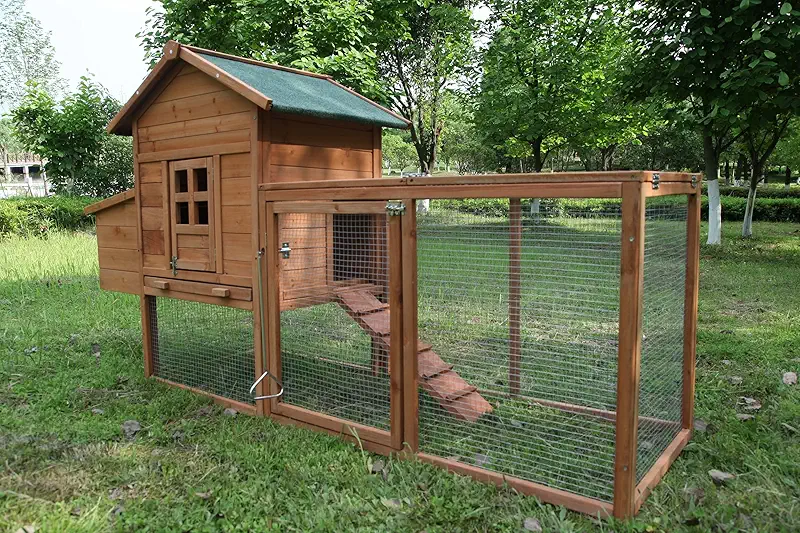
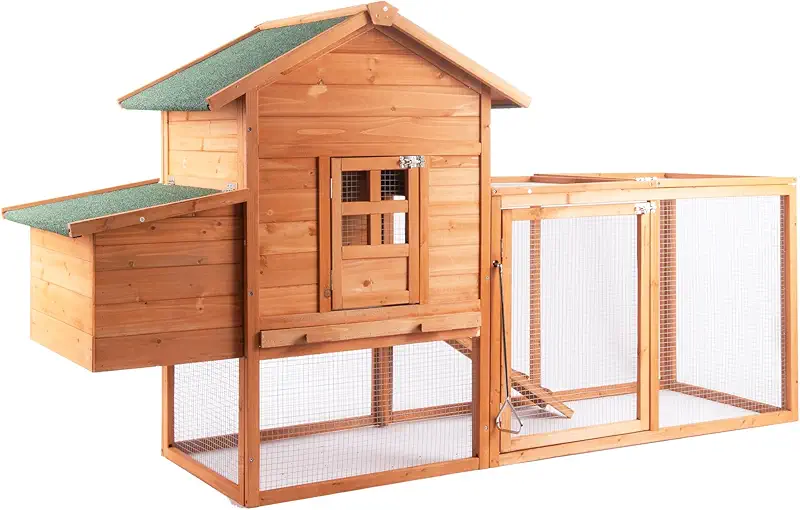
To make the most of agricultural lime for chicken coop floors, I like a coop that:
- Has a good solid roof and no standing water inside.
- Provides at least 3–4 square feet per hen inside.
- Has roosts higher than the nest boxes.
- Has vents up high to let moisture and ammonia drift out.
With a coop built on those simple ideas, lime is the finishing touch that keeps it pleasant for birds and humans.
Over the years I’ve learned that a dry, well-built coop plus a sensible sprinkle of agricultural lime beats fancy gimmicks every time. If you’re looking over your setup and thinking, “These hens deserve a better house than I had in college,” you’re probably right.
Let me look aroundCommon mistakes folks make with lime
I’ve seen a few neighbors get a little too excited with the lime bag. They meant well, but their birds let them know they’d overdone it. Here are the big missteps to avoid.

Mistake #1: Using the wrong type of lime
Grabbing hydrated lime instead of agricultural lime is the biggest one. Hydrated lime is too caustic for what we’re doing. Save that for jobs that don’t involve live birds or bare hands.
Mistake #2: Using way too much
More is not better. If the floor looks like the first snowfall of winter, you’ve gone too far. Heavy layers can be hard on feet and lungs.
Mistake #3: Leaving it uncovered
Chickens love to dust-bathe. If you leave bare lime where they can roll in it, they will, and you won’t like the coughing and sneezing that follows. Always cover lime with bedding.
Mistake #4: Expecting lime to fix poor management
Lime can’t fix a leaking roof, a broken waterer, or a coop crammed with too many birds. It’s a tool, not a miracle.
FAQ: Agricultural lime for chicken coop care
Yes, agricultural limestone used correctly is considered safe for chickens. The key is to use the right product (ag lime, not hydrated lime), apply it in a light layer, and always cover it with bedding before birds walk on it. I keep my hens out of the coop while I’m spreading it and let any dust settle first.
For my flock, I use lime every time I do a full clean-out, which might be every few weeks or every couple of months, depending on the season. In between, if I’ve got a damp or smelly spot, I’ll scrape, sprinkle a little lime, and re-bed just that area. You don’t need to re-lime the whole floor every weekend.
Yes, I use it in dirt runs and around heavy-use areas. I wait for dry weather, loosen the soil, sprinkle a modest amount of lime, then cover with straw, wood chips, or similar. I don’t leave bare lime where birds dust-bathe, and I don’t turn the whole run into a chalk pit. A little in problem spots goes a long way.
It does help. Lime raises the pH and dries the floor, which both cut back that sharp ammonia smell. But it works best as part of a bigger plan: good ventilation, dry bedding, proper bird numbers, and a coop that doesn’t leak. Think of lime as the quiet helper, not the whole solution.
I’ve had good luck with pine shavings, chopped straw, and even dried leaves in a pinch. The main thing is that the bedding is dry and you put a good couple of inches over the lime. Coarse, absorbent material pairs well with a light layer of agricultural lime underneath. Together they make a coop floor that stays drier, smells better, and is easier on the hens’ feet.
Bringing it all together
After years of tending hens before sunrise and locking them up after dark, I’ve learned that the simplest tricks are often the ones that last. Agricultural lime for chicken coop care is one of those quiet, steady helpers.
Used with a bit of common sense, it keeps the floor drier, the air easier to breathe, and the birds more comfortable. That comfort turns into steady egg baskets and fewer health problems.
If you’re standing in your coop wondering why it smells stronger than it should, or if the floor stays damp even when the sky is clear, it may be time to rethink your setup, your bedding, and give lime a spot in the routine.
Your hens won’t thank you with words, but they might just thank you with a heavier egg basket and a coop you don’t mind showing off when friends stop by.