
Automatic chicken coop door
Automatic Chicken Coop Door
I’ve raised laying hens through blizzards, heat waves, and more foxes than I care to count. Swapping to an automatic chicken coop door was one of those small changes that quietly turned into a big blessing for both me and the flock.
If you’re tired of racing the sunrise or feeling guilty when you get home after dark, an automatic chicken coop door can give your hens steady protection and you a bit of your life back.
Let me see options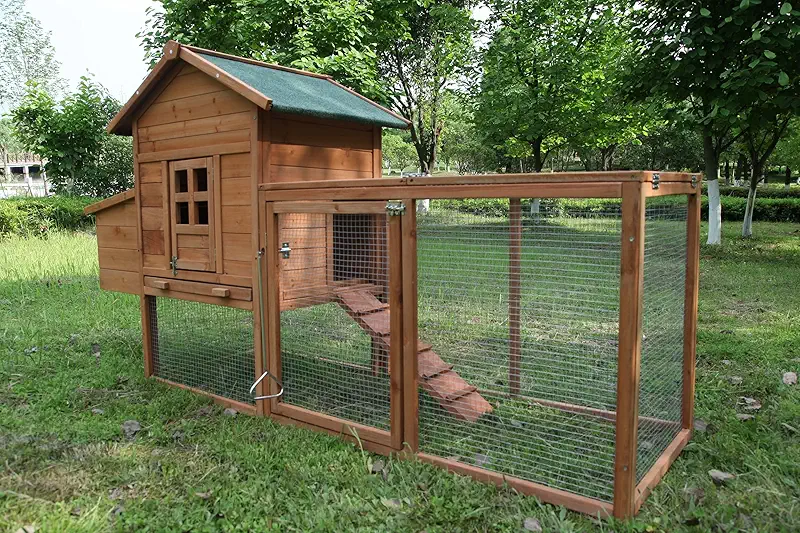
A sturdy automatic chicken coop door can feel like a quiet farmhand that never forgets.
Why an automatic chicken coop door changed my mornings
On my place here in the States, the hens used to run my schedule. Summer sunrise came early, and if I wasn’t at the coop on time, they’d tell the whole county about it. Winter was worse. I remember shuffling through the snow in the dark, coffee half-spilled, trying to beat the coyotes to the coop.
The day I installed my first automatic chicken coop door, I’ll be honest, I was a little nervous. I didn’t grow up with gadgets doing chores for me. But after a week, I wondered why I’d been so stubborn. The door opened with the light, closed at dusk, and the girls settled right into the routine like they’d written the instruction manual themselves.
What I noticed most was the peace. I wasn’t rushing or worrying if I got stuck in town. The hens were locked up on time, every time, no arguments, no “just one more chore” delaying me.
The door shuts at the same time every evening, even when you’re tied up or away overnight.
No more watching the clock at dinner, wondering if a raccoon is casing the coop.
Chickens love routine. A reliable open and close schedule keeps them calmer and laying steady.
Types of automatic chicken coop doors and how they work
When folks ask me about choosing an automatic chicken coop door, I tell them to think about it like choosing a good farm truck. The guts matter more than the paint. Most doors fall into a few simple categories, and knowing the difference can save you a lot of headaches.
1. Light-sensor (dawn-to-dusk) doors
These use a small sensor that watches the daylight. When the sun comes up, the door opens. When it fades in the evening, it closes. It mimics what you’d probably do by hand.
- Nice for folks who want to “set it and forget it.”
- Adjusts automatically as seasons change.
- Can be tricky if you have bright yard lights or a security light shining near the coop.
2. Timer-based doors
These doors open and shut according to a schedule you set. Early morning, later evening, whatever matches your hens and your predators.
- Great if you know when daylight hits your coop run.
- Lets you set slightly later openings so sleepy hens aren’t walking out in deep dawn cold.
- You may need to adjust times a few times a year as seasons shift.
3. Combo doors (light sensor + timer)
My favorite setups give you both options. Maybe you run it on the light sensor most of the year, then flip to a timer when winter storms roll in and daylight gets funny.
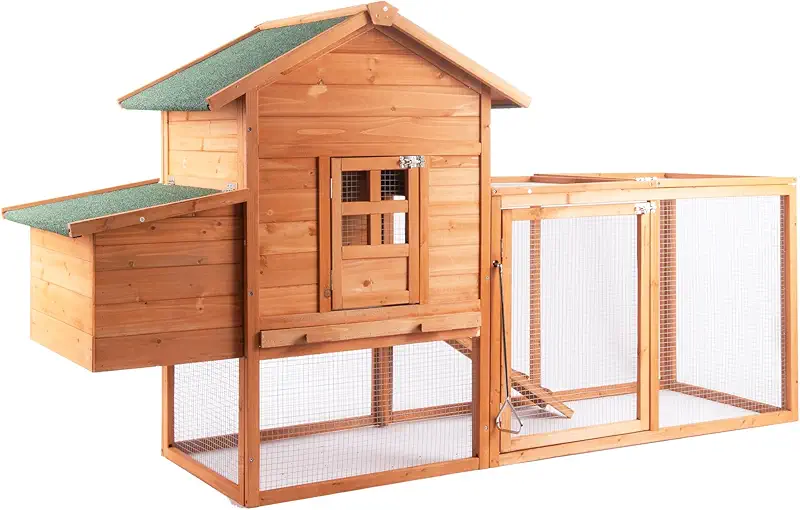
Look for a door with simple controls you’re not afraid to touch twice a year.
Power options: plug-in, battery, and solar
Out here, power isn’t always where you want it, and that’s true for coops too. Automatic doors can run on wall power, batteries, or a small solar panel.
- Wall power: Reliable if you have an outlet nearby and decent weather protection.
- Batteries: Good flexibility; just mark your calendar to check them every few months.
- Solar: Nice if your coop gets sun and you don’t want cords everywhere.
How an automatic chicken coop door protects your flock
A lot of folks think an automatic chicken coop door is just about convenience. That’s part of it, sure, but to me it’s mainly about predator timing. Raccoons, foxes, owls, and neighborhood dogs all love that short window between sunset and full dark.
Before I installed my first automatic door, I lost two good layers in one week. Both times I was only about twenty minutes late getting to the coop. Predators don’t need long. That smart little door closing right on time every night has probably saved me more birds than I’ll ever know.
Common predators an automatic door helps with
- Raccoons and opossums: Great climbers and problem solvers. A solid door is a must.
- Foxes and coyotes: Like to work the edges of dusk and dawn.
- Dogs: A bored neighbor’s dog can do damage faster than any wild critter.
- Owls: Silent and quick. They love hens that dawdle outside after dark.
Pairing the door with good coop habits
An automatic chicken coop door is like a strong latch; it works best with good habits around it:
- Keep the run fencing tight and checked, especially near the bottom wire.
- Close and secure any extra vents or cracks big enough for a raccoon arm to slip through.
- Clear tall grass and junk around the coop so predators don’t have a sneaky hiding place.
- Teach the hens to go in on their own with a little treat right before dusk for the first week.

A strong door and a simple evening routine can turn a risky hour into a quiet one.
You’ll never hear a thank-you speech from a hen, but you can see it. When they tuck in quietly, with no pacing and no panicked clucking after dark, you’ll know they feel safe.
Keeping laying hens happy: simple routines that work
An automatic chicken coop door is just one piece of raising good layers. I’ve been at this long enough to know that eggs don’t only come from feed bags and nest boxes. They come from calm, steady routines that make a hen feel like the world is predictable.
Light and laying
Hens are sensitive to daylight. They like around 14–16 hours of light to keep laying strong. Your automatic chicken coop door can help keep their day consistent, especially in spring and fall when sunrise and sunset are shifting.
- Let the door open with the morning light instead of pitch-black early hours.
- In deep winter, some folks add a gentle coop light in the morning, never blinding bright.
- Try not to shock your hens with sudden big changes in schedule.
Feed, water, and grit
I run my layers on a simple rule: clean water, steady feed, and a bit of grit for good measure.
- Keep a constant supply of layer feed made for hens that are laying.
- Offer crushed oyster shell on the side for strong shells.
- Keep water fresh and not frozen; a heated base helps in colder states.
- Grit helps their gizzard grind feed, especially if they free-range and eat grass and bugs.

Happy layers come from simple, steady habits more than fancy tricks.
Nesting boxes and bedtime
A good automatic chicken coop door works best with a coop that feels safe and comfortable inside.
- Give about one nest box for every 3–4 hens.
- Keep boxes filled with dry shavings or straw and change it when it gets dirty.
- Make roosts higher than the nest boxes so hens sleep on the roosts, not in the nests.
- Watch a few evenings to be sure everyone’s inside before the door closes, especially new birds.
What to look for in a reliable automatic chicken coop door
If we were standing in the farm store together, here’s what I’d point out while we looked at automatic doors. Not the pretty box, but the parts that keep working long after the cardboard is gone.
1. Strong, predator-resistant door
The door itself should feel solid in your hand. Thin metal that bends, or flimsy plastic, is an invitation for raccoons to go to work.
- Look for metal or heavy-duty plastic that doesn’t flex easily.
- Check that there are no big side gaps a paw can slip through.
- Vertical sliding doors are common and work well if the tracks are sturdy.
2. Weather-resistant housing
I’ve seen cheap units crack in the cold or warp in summer sun. Make sure the control box and motor are made to live outdoors.
- Housing should be sealed but still allow a bit of ventilation so moisture doesn’t build up inside.
- Buttons and screen (if any) should feel firm, not squishy or loose.
- Cord entry points should be snug so rain doesn’t seep in.

A tough frame and snug fit help keep curious raccoon hands where they belong—outside.
3. Simple controls you aren’t afraid to use
If the buttons are confusing, you’ll never adjust the settings, and that beats the whole purpose. Look for a control panel that’s clear enough you can understand it without a magnifying glass.
- Clear labels: sunrise/sunset mode, open/close times, test buttons.
- A little manual override button is handy when you need to open or close on demand.
- Settings that stay saved if the power flickers or batteries are changed.
4. Safety features for your birds
One of my worries before I installed my first automatic chicken coop door was a hen getting stuck. Good doors keep that in mind.
- Some doors sense resistance and stop or reopen if something is in the way.
- Slow, steady movement rather than snapping shut.
- Test mode so you can watch a full open/close cycle with the birds locked safely in the run.

Take a few minutes to watch the door cycle before you let the hens rely on it every day.
Installing your automatic chicken coop door without losing your patience
I’m no electrician, and if you’re not either, that’s alright. Most automatic chicken coop door kits are built for regular folks with a drill and a free afternoon. The key is not rushing.
Step-by-step approach
- 1. Measure twice, cut once: Mark your opening a little smaller than the frame, then adjust if needed.
- 2. Choose your height: High enough that bedding doesn’t pile into the track, low enough the hens step through easily.
- 3. Mount the frame: Get it square. A crooked frame makes the door work harder than it should.
- 4. Run the power: Follow the manual. Keep cords away from water and sharp edges.
- 5. Test in daylight first: Run several open/close cycles while you can see what’s happening.

A level frame and a clean opening make more difference than any fancy feature list.
Letting your hens get used to it
Chickens don’t love sudden changes. When I first installed mine, the girls stared at the new door like it was a UFO. Here’s what helped:
- For the first day or two, run the door manually while you’re standing there.
- Toss a bit of scratch just inside the doorway so they walk through it on their own.
- Stay nearby at dusk the first few evenings to make sure everyone’s inside before it shuts.
Caring for your automatic chicken coop door through the seasons
I treat my automatic chicken coop door like any other piece of farm equipment. A few minutes of care here and there keeps it running smoother and longer than ignoring it until something breaks.
Spring and summer care
- Brush off dust, cobwebs, and chicken dander from the tracks.
- Trim tall grass or weeds that might brush the light sensor or block the doorway.
- Check screws and brackets after big storms or strong winds.
Fall and winter care
- Make sure snow and ice can’t slide down the roof and jam the door.
- Clear ice from the tracks gently; don’t yank or force the door.
- In very cold states, check that the motor still runs smoothly on frosty mornings.
- Keep batteries fresh; cold shortens battery life faster than summer does.

A quick seasonal checkup keeps your door working even when the weather’s being stubborn.
I like to give the whole coop, door and all, a little “once-over” at the change of each season. Batteries, hinges, latches, roof, vents—just a slow walk-around with a cup of coffee in hand. It’s easier to tighten one screw today than chase one hen tomorrow.
Automatic chicken coop door – common questions from real backyard keepers
Will an automatic chicken coop door really keep my hens safer?
Nothing is perfect, but a solid automatic chicken coop door closes the biggest weak spot: forgetful humans. Predators learn your habits fast. If you’re late just once in a while, that can be enough time for trouble. A good door doesn’t get distracted, and it doesn’t lose track of time. It closes up every night on schedule, and that consistency is what keeps a lot of flocks safe.
Will my chickens know how to use an automatic door?
They don’t care who pushes the “open” button, they just care that the door opens. As long as the doorway is in the same spot they’re used to, most hens adjust in a day or two. The door simply moves at the time you set instead of you standing there. A little treat inside the coop before sunset helps even the shy ones figure it out.
Can the door hurt a hen if she’s standing in the way?
Good automatic chicken coop door systems move slow and many are built to stop or reverse if they feel something blocking them. I still like to watch the first few evenings after installation, just to be sure everyone is in and settled before it closes. Once you see how your door behaves, you’ll feel a lot more relaxed about it.
What if the power goes out or batteries die?
Most setups let you open and close the door by hand if the power fails. That’s one reason I like simple, sturdy mechanisms. If you go with batteries, get in the habit of checking them on a regular schedule—maybe every time the seasons change. If you’re in an area with shaky power, consider a battery-backed or solar option so the door still works even when the lights flicker.
Is an automatic chicken coop door worth it for a small flock?
I started with a small flock, and that’s exactly when I would have loved one the most. Even with just a handful of hens, your time and their safety are worth something. If there are nights you’re not sure you’ll be home by dark, or mornings when sunrise comes earlier than your bones want to move, that door earns its keep, whether you’ve got five hens or fifty.
If you’re thinking an automatic chicken coop door might make life easier for you and calmer for your hens, take a slow look through the different styles and pick the one that fits your coop and weather best.
I’ll browse the doorsSee more chicken coop setups
Once you’ve sorted out the automatic chicken coop door, the rest of the coop starts to matter even more—roosts, runs, nesting boxes, and little details that keep chores easy and birds comfortable. When you’re ready, take a look at the different chicken coops out there and picture what would work best in your own backyard.
Show me all coops