
I’ve been walking through dusty barns and noisy chicken yards for more than forty years now. Barn lime has been one of my quiet little helpers the whole time, especially when a coop starts smelling more like a swamp than a farm.
Let me walk you through how to use barn lime for chicken coop care the way old‑timers showed me: simple, safe, and kind to your birds.
Barn lime for chicken coop
When folks ask me about barn lime for chicken coop care, I usually smile and tell them, “Well, it’s not magic, but it sure feels close when the heat hits in July.” On my farm, I’ve tried just about everything to keep the coop dry and the smell under control. Fancy sprays, powders with names I can’t pronounce, you name it. I always end up coming back to plain barn lime, a broom, and a little elbow grease.
Before we go any further, I’ll say this as clear as a rooster at sunrise: we’re talking about agricultural barn lime, not the strong, caustic stuff (hydrated lime) that can burn skin and lungs. The mild, crushed limestone kind is what old farmers have used for generations to dry up wet spots and help keep smells from knocking you over when you open the coop door.
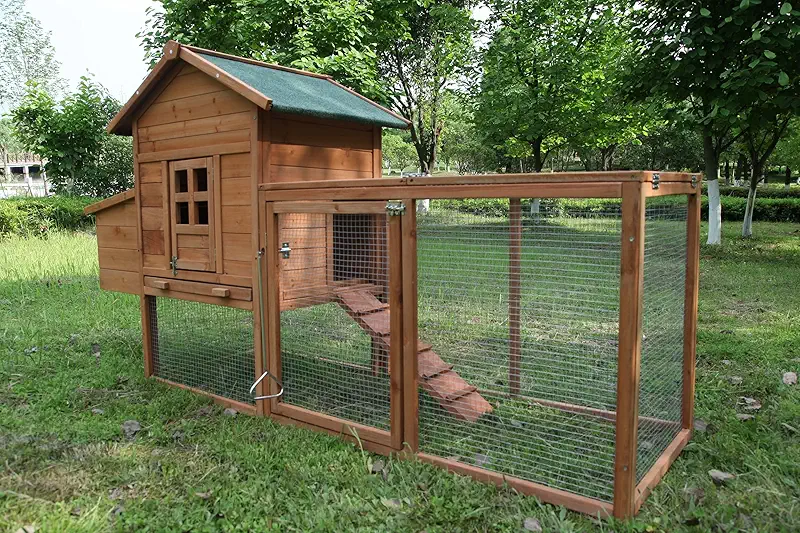
What barn lime really does in your coop
Let’s start by clearing up a common myth. Barn lime doesn’t “sterilize” your coop and it doesn’t magically kill every germ in sight. If anyone told you it’s a disinfectant, they’re talking taller than my sweet corn in August. What barn lime does do is simple:
- Dries out damp spots on the floor so bedding doesn’t turn into a soggy mess.
- Helps control odors by keeping moisture and ammonia in check.
- Makes the floor easier to clean, especially in deep litter systems.
- Creates a less friendly place for flies and some parasites that love wet bedding.
On my farm, I think of barn lime as the quiet worker that never complains. It doesn’t replace good cleaning or fresh bedding, but it makes everything else you do work better. If your coop smells like it could peel paint off the walls, lime alone won’t fix it, but it will help you turn the corner.
Choosing the right barn lime for chicken coop care
When you’re picking barn lime for chicken coop use, there’s one rule I never break: read the bag. You want agricultural ground limestone or barn lime that’s labeled as safe for livestock areas. It’s usually dolomitic or calcitic limestone, crushed into a powder or tiny granules.
I like a medium‑fine barn lime that’s not dusty like flour but not full of pebbles either. Finer lime spreads more evenly, but too much dust makes me cough and the hens don’t look thrilled about it either. A decent, farm‑grade barn lime from the livestock section is what you’re after.
How I use barn lime step by step
Over the years, I’ve settled into a simple routine. It’s nothing fancy, but it works. Here’s exactly how I use barn lime for chicken coop care on my own place.
-
Move the birds out if you’re doing a heavy clean.
If I’m just doing a light sprinkle, I leave them in. But for a big clean‑out, I shoo them into the run or a temporary pen so I can work without them “helping” by standing where I’m sweeping. -
Scrape and sweep first.
Lime doesn’t belong on top of wet piles of manure. I scrape the roost boards, shovel out the worst spots, and sweep the floor so I can see what I’m working with. -
Let wet patches air out.
If there are really wet corners, I let them sit open to the air for a bit, especially on a breezy day. Lime works better when it isn’t trying to soak up standing puddles. -
Sprinkle a light, even layer of barn lime.
I tell folks to think of it like salting a plate of eggs, not burying a snowplow. A light dusting is all you need. I focus on:- Under roost bars where droppings pile up.
- Along walls where moisture tends to sit.
- High‑traffic paths where birds scratch and spill water.
-
Cover it with fresh bedding.
This part matters. I never leave bare lime where birds will stand or scratch. I put down a fresh layer of shavings, straw, chips, or whatever bedding I’m using, usually 1–3 inches depending on the season. -
Wash my hands and call the girls back in.
Once the dust settles and the bedding is down, the flock comes back in like nothing happened, usually just in time to leave me a fresh mess under the roosts by evening.
I repeat that process as needed. In summer, when it’s hot and sticky, I lime problem spots more often. In winter, with deep litter, I might just freshen certain areas while letting the rest build up into a warm composting layer.
How often should you lime the coop?
The honest answer is: it depends on how many birds you have and how wet your coop tends to get. But to give you something solid to work with, here’s what I’ve found works on my farm.
My general lime schedule
- Light backyard flock (6–10 hens): every 3–4 weeks.
- Medium flock (10–20 hens): every 2–3 weeks.
- Big flock or tight space: every 1–2 weeks in heavy use spots.
- Deep litter system: light sprinkle on bare floor at big clean‑outs, plus under roosts as needed.
Warning signs you waited too long
- You catch a whiff of ammonia when you first open the coop.
- Eyes or nose feel irritated after a few minutes inside.
- Bedding clumps together and stays wet underneath.
- Flies and gnats are having a family reunion in your coop.
If your nose wrinkles when you open the door, the chickens’ lungs have been putting up with it for a while already. Chickens are tough, but their respiratory systems are touchy. Keeping things drier with barn lime is one of the kindest things you can do for them, right up there with fresh water and a good feed.
Using barn lime safely around your hens
I’ve raised birds long enough to know they’ll peck just about anything that looks new. When I use barn lime for chicken coop care, I focus on keeping dust down and bare lime out of reach as much as possible.
- Go easy with the dust. I shake lime close to the floor, not from way up high. If I see a cloud, I slow down.
- Keep feeders and waterers covered or moved. I set them outside or toss a towel over them while I’m working so I’m not seasoning the feed with lime.
- Don’t lime the nest boxes. A tiny bit under the bedding on the floor is fine, but I leave laying boxes alone. The hens deserve a lime‑free place to settle in.
- Protect your own lungs. I’m no spring chicken myself, so I either hold a bandana over my nose or use a simple mask if I’m working for a while. No shame in breathing easy.
- Watch the birds after. If they’re acting normal—scratching, talking, laying—you’re doing it right.
Barn lime vs other coop products
These days you’ll see all kinds of shiny bags claiming to keep your coop fresh with magic crystals and secret ingredients. Some of them work fine, but a lot of them are mostly fancy packaging and a higher price tag.
Here’s how I think about barn lime for chicken coop care compared to other options:
- Barn lime vs deodorizing powders: Many coop “fresheners” are mostly clay, baking soda, or limestone with a scent. Barn lime usually costs less and does the drying job just fine. If you like the smell of lavender, that’s up to you.
- Barn lime vs diatomaceous earth (DE): I use a bit of DE in dust bath areas for mites, but not all over the coop. DE is dusty and can be rough on lungs. Lime is more for dampness and smell, DE is more for insects.
- Barn lime vs plain elbow grease: Nothing replaces regular cleaning. Lime is a helper, not an excuse to ignore a dirty coop.

Where I put barn lime inside the coop
Every coop has its trouble spots. After a season or two, you’ll know exactly where moisture and mess like to settle. That’s where barn lime earns its keep.
Under the roosts
This is the main battle zone. Chickens do most of their pooping at night while they’re roosting. I scrape under the roosts, sprinkle a thin layer of lime, and then bed it well. If you’re using poop boards, you can lime the floor under them and scrape the boards regularly.
Around the waterers
No matter how “no‑spill” a waterer claims to be, chickens will prove it wrong. I always get damp spots around the water area. A little barn lime under the bedding here keeps things from turning into a swamp.
Near doors and low walls
Rain, snow, and condensation can all creep in by doors and along walls. I pay special attention to those spots, especially if the coop is on dirt or an older wood floor that sweats in cold weather.

Common mistakes with barn lime (and how to avoid them)
I’ve made a few of these mistakes myself, so I’ll save you the trouble. Here are the things I see people do wrong with barn lime for chicken coop care.
- Using way too much. If your floor looks like a snowstorm hit it, you’ve gone too far. Heavy layers just turn into cakes under the bedding and don’t work any better.
- Leaving bare lime where birds scratch. Always cover with bedding so they aren’t walking and dust bathing directly in it.
- Thinking lime replaces ventilation. You still need good airflow. Lime helps with dampness, but stale air is its own problem.
- Grabbing the wrong kind of lime. I’ll say it again: no hydrated lime in the coop. Check the label like your chickens’ feet depend on it—because they do.
- Skipping regular clean‑outs. Lime in a filthy coop is like spraying perfume on muddy boots. You’ve still got muddy boots.

How barn lime helps laying hens in the long run
A dry, fresh‑smelling coop isn’t just nice for your nose. It pays off in egg baskets too. Hens living in damp, stinky coops tend to have more respiratory problems, weaker immune systems, and more stress. And a stressed hen doesn’t lay like a relaxed one.
When I stay on top of barn lime for chicken coop care, I notice:
- Birds breathe easier and cough less in winter.
- Feet and legs stay cleaner and less irritated.
- Eggshells come out cleaner because bedding is drier.
- Flies don’t take over in summer the way they used to.
Years ago, during one sticky summer, I let the coop get ahead of me. Flies, smell, the whole circus. The hens started spacing out on the roosts, and egg numbers slipped. Once I clawed my way back with fresh bedding, lime under the worst spots, and more airflow, the flock perked up again and the egg basket filled back out. I’ve respected barn lime more ever since.

Pairing barn lime with good coop design
Lime can only do so much if the coop itself works against you. The best results I’ve had using barn lime for chicken coop care always came from combining it with smart design:
- Solid, slightly raised floor: Keeps water from pooling and soaking into the bedding.
- Plenty of ventilation up high: So moisture and ammonia can escape without chilling birds.
- Roosts higher than nest boxes: Keeps most droppings where you can manage them.
- Easy‑to‑reach doors and clean‑out panels: If cleaning is a fight every time, you’ll put it off. I speak from experience.
When those pieces are in place, barn lime becomes the finishing touch—a simple tool that keeps a well‑planned coop running smoothly year‑round.

Quick checklist: barn lime for chicken coop done right
If you like simple lists you can run through in your head while you’re pulling your boots on, here’s the way I think about it each time I reach for the lime bag:
- Is this agricultural barn lime, not hydrated lime? (Check the bag.)
- Did I scrape and sweep before spreading?
- Am I using a light sprinkle, not burying the floor?
- Did I focus on roost, water, and corner areas?
- Did I cover the lime with fresh bedding everywhere?
- Does the coop smell fresh and stay drier a few days later?
If you can nod “yes” to all of those, you’re using barn lime the way old farm hands intended it: as a quiet helper that keeps your hens comfortable and your coop chores less of a headache.

FAQ about barn lime for chicken coop
1. Is barn lime safe for chickens?
Agricultural barn lime—plain crushed limestone—is generally safe when used correctly. The key is to:
- Use only agricultural or barn lime, never hydrated lime.
- Apply a light layer, not a thick pile.
- Cover it with bedding so birds aren’t standing in bare lime.
I’ve used it this way for decades without trouble. My birds still scratch, dust bathe, and lay like they always have.
2. Does barn lime kill parasites or germs?
Barn lime isn’t a disinfectant in the way a cleaner or bleach is. It doesn’t magically wipe out all germs or parasites. What it does is:
- Dry up moist areas where parasites like to hang out.
- Help control ammonia and smell.
For serious disease issues, I turn to proper cleaning, drying, and sometimes disinfectants that are safe for barns, not just lime.
3. Can I mix barn lime directly into the bedding?
I prefer to put barn lime under the bedding, on the floor, rather than mixing it throughout. A light sprinkle on the floor with fresh bedding over the top gives me the best result. That way, it does its drying job without turning the whole coop extra dusty.
4. How much barn lime should I use at a time?
For a small backyard coop, I might use a couple of handfuls to lightly dust the floor under the roost and around the waterer. For a larger coop, it’s still just a thin layer you can barely see through—think “light frost,” not snowdrift. If you see little piles forming, you’re probably using more than you need.
5. Can I use barn lime in the outdoor run too?
Yes, I’ll sometimes sprinkle barn lime in muddy, high‑traffic spots in the run or in front of the pop door, especially during wet seasons. I work it into the soil a bit and keep it light. It helps dry things out so birds aren’t standing in muck all day. As always, stick to agricultural lime and avoid making big dusty areas.
If you’re ready to pair good coop design with simple tools like barn lime, it helps to start with a coop that’s easy to clean, well‑ventilated, and friendly to your daily chores. That way all this little wisdom actually fits your setup.
Let me browse coops