
Best chicken coop
Best Chicken Coop
I’ve been raising laying hens on American soil for more than three decades. I’ve chased birds in blizzards, fixed busted doors at midnight, and seen cheap coops fold like a lawn chair in a summer storm. Let me walk you through what really makes the best chicken coop for happy hens and steady eggs.
When folks ask me what the “best chicken coop” is, they usually expect a brand name. Truth is, the best coop is the one that keeps your birds safe, dry, comfortable, and easy for you to manage on a tired Tuesday night. The model on the box matters less than the small details that most ads never talk about.
Down below, I’ll share how I look at size, layout, ventilation, cleaning, and predators. I’ll also show you different kinds of coops you’ll run into when you browse online and how each one fits different backyards, climates, and flocks.
Let me compareThat link shows a wide range of ready-made coops. I’ll help you sort which ones make sense before you spend a single hard-earned dollar.
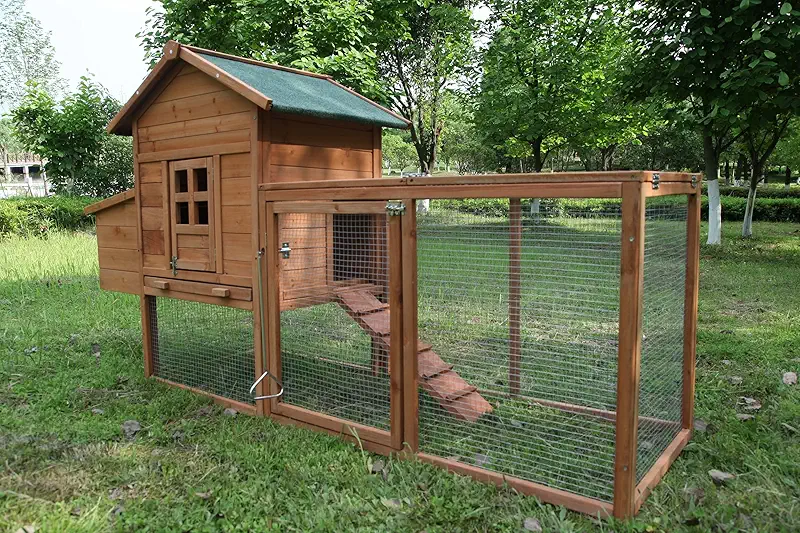
What really makes the best chicken coop
Let me start with this: chickens are tougher than they look, but lazier than you think. They don’t need marble floors or chandeliers, but they do need a coop that respects three simple things: safety, comfort, and routine. If you get those three right, you’ll have eggs, not headaches.
When I built my first coop, I copied a picture out of a magazine. It looked cute as a postcard. The problem? The windows faced the wrong way, the door swelled shut in the rain, and the roosts were higher than the nest boxes, so the hens slept in the nests and turned them into a poop factory. That’s what happens when you chase pretty instead of practical.
Five non‑negotiables for a good coop
- Dry floor, dry birds. Leaky roofs and wet bedding are a one‑way ticket to sick hens and stink you’ll never forget.
- Fresh air without a draft. Good ventilation at the top, calm air at chicken height. Think “barn,” not “wind tunnel.”
- Real predator protection. Raccoons, foxes, dogs, hawks… if you’ve got chickens, you’ve got an all‑you‑can‑eat buffet in their eyes.
- Enough room to move. Crowded birds pick on each other and quit laying. Space is cheaper than vet bills.
- Easy daily chores. You should be able to collect eggs, change water, and close the door in a few easy minutes, even in your pajamas.
How big should the best chicken coop be?
People ask this more than anything else. My answer is always the same: “Bigger than you think you need, and smaller than your dreams.” You might start with four hens and swear that’s enough. Then the first time you see a basket of warm brown eggs, you’ll be planning for six more.
As a simple guide for laying hens:
- Inside coop space: aim for 3–4 square feet per bird if they also have an outdoor run.
- Outdoor run: 8–10 square feet per bird is comfortable; more is always better.
- Roost space: about 8–10 inches of perch per hen.
- Nest boxes: one box for every 3–4 hens is usually enough.
I once tried squeezing ten hens into a coop meant for six “on paper.” Within a week, tails were missing feathers, the low hens were hiding in the corners, and egg production dropped. The math on the box might work on a spreadsheet, but real birds need elbow room.
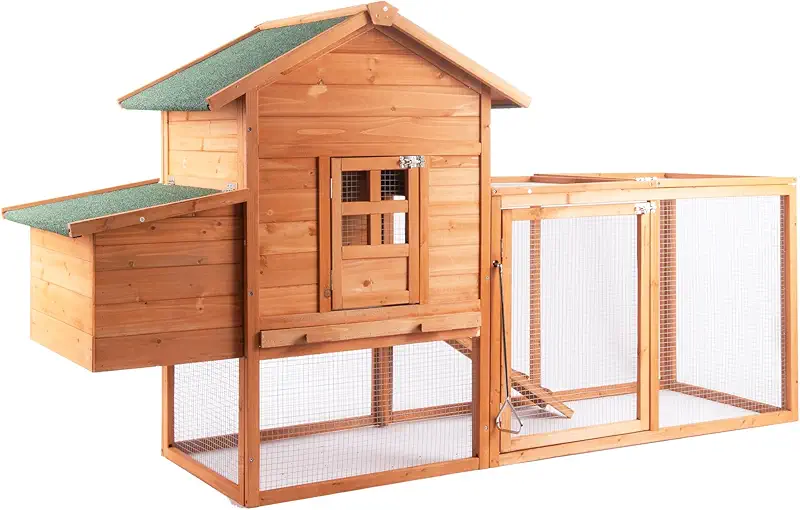
Thinking ahead: flock growth
If you can, plan for the birds you’ll have next year, not just the ones you have today. Upgrading a coop midsummer is about as fun as cleaning the barn on Christmas morning. When you look at any coop online, ask yourself: “If I add four more hens, does this still work?”
Ventilation, warmth, and weather: how the best chicken coops handle the seasons
I’ve kept hens through Iowa winters and sticky Southern‑style summers. The best chicken coop doesn’t chase perfect temperature; it chases steadiness. Chickens handle cold better than damp, and heat better when the air can move.
Winter care
In winter, I see folks wrapping coops in plastic until they look like a baked potato. The thought is kind, but the moisture inside turns to frost on combs. What you want is:
- Vents high up under the eaves on at least two sides.
- Solid walls at bird level so no wind hits them on the roost.
- Dry bedding, stirred or replaced often.
My own best winter coops had small windows I could crack open a bit and fixed vents that never closed. The birds stayed dry, and dry birds stay warm.
Summer care
In hot weather, shade and airflow matter more than insulation. On the hottest days, I open every vent and window that still feels safe from predators. I also like:
- Roosts away from the roof so hot air can rise above them.
- Light‑colored roofs that reflect sun instead of soaking it up.
- Runs with both sun and shade so birds can choose.
I’ve watched hens pant like dogs inside dark metal sheds. That’s not the best chicken coop; that’s an oven with feathers inside. If the coop feels stuffy to you, it’s worse for them.
Predator‑proofing: what separates the best chicken coop from the rest
Let me tell you, nothing will harden your heart faster than coming out at sunrise to find a predator found the weak spot in your coop. I’ve lost birds to everything from raccoons to neighbor dogs. Every time, it was some little shortcut I had taken.
When I look at store‑bought coops, this is where I’m the pickiest. The best chicken coop might look simple, but it has strong bones:
- Solid latches. Raccoons have hands like little burglars. They can flip cheap hooks and weak slide bolts.
- Real hardware cloth. Not chicken wire. Chicken wire keeps chickens in, not predators out.
- Buried wire apron. A skirt of wire on or under the ground keeps diggers from tunneling under your fence.
- Sturdy floor or secure base. If predators can lift or squeeze under a wall, they will.

One spring, I tried “saving money” by skipping the wire apron around a new run. A fox dug under the fence in one night and taught me a lesson I won’t forget. These days, any coop or run I consider has either a wood floor that sits solid, or I plan on adding that apron myself.
Different types of coops and which is best for you
When you search online, you’ll see just about every shape and size of coop. Let’s walk through the main kinds and where they shine. I’ve used all of these at one time or another, depending on how many birds I had and what my back and knees were up to.
Compact starter coops
These are the cute little wooden coops meant for 2–4 hens. Perfect if you’re just dipping your toes in and have a modest yard.
I like these for folks who want to learn the basics without building from scratch. Just be aware: the “up to 6 hens” label is usually wishful thinking.
Walk‑in backyard coops
These are a little bigger, sometimes with a human‑height door and room to stand inside. They make chores much easier on your back.
For a flock of 6–10 hens, this style often hits the sweet spot. Enough room for proper roosts and nests, and easy to clean without crawling on your knees like a toddler.
Mobile tractors
Chicken tractors are coops and runs on wheels that you move around the yard. Birds get fresh grass; you get fertilized lawn without hauling manure.
I ran tractors for years over my garden beds. The hens worked the soil, ate bugs, and paid their rent in eggs. Just make sure they’re light enough to move but strong enough for your wind and weather.

Materials: wood, metal, or plastic?
The best chicken coop for you also depends on what it’s made of. Each material has its own personality, just like old farmers at the diner.
Wooden coops
Most classic coops are wood. They’re easy to modify, hold heat well, and look right at home in a backyard. The downside? Cheap softwood and thin panels can rot or warp fast if they’re not protected from the weather.
I’ve had very good luck with thicker wooden coops raised off the ground a few inches. A little airflow underneath keeps the floor dry and the wood lasts longer. When you browse, look at how thick the boards are and how the roof sheds water.
Metal coops
Metal can be tough and long‑lasting, but it can also turn into a toaster in summer and a freezer in winter if there’s no insulation or shade. In hot states, I tell folks to either add shade cloth and extra vents or stick to wood or plastic.
Plastic coops
Some newer plastic designs clean up beautifully and don’t rot. They’re often lighter and resistant to mites. But they can be pricey, and not all of them handle bitter cold as well as a well‑insulated wooden coop.

My own yard is a mix these days: a big wooden walk‑in coop for the main flock, and a couple of smaller plastic‑style units for grow‑outs and broody hens. Don’t be afraid to mix and match over time. You don’t have to pick one perfect coop for the rest of your life on day one.
Inside layout of the best chicken coop
A lot of problems people blame on “bad birds” are really just bad layout. If hens sleep where they lay, or eat where they poop, your mornings get messy in a hurry. The best chicken coop keeps things in their proper places.
Roosts
Chickens like to sleep up off the floor. Give them:
- Roosts higher than the nest boxes, so they don’t sleep where they lay.
- Flat edges (like a 2x3 laid wide side up) so feet rest comfortably.
- Enough space between perches so birds aren’t stacked like firewood.
Nest boxes
Hens like a dark, quiet place to lay. Put nest boxes:
- Lower than the roosts but off the floor.
- On the side wall or back, away from the pop door.
- With some sort of lip to keep bedding and eggs from rolling out.
Feeders and waterers
I prefer feed and water in the run when weather allows, to keep moisture out of the coop. When I have to keep water inside in winter, I hang it so it sits at about chest height for the hens. That way they spill less and kick less bedding into it.

Cleaning and daily work: thinking with tired‑after‑work you in mind
It’s easy to get excited looking at pictures when the sun is shining and you’ve had your coffee. But the real test of a coop comes when you get home from work in the rain, or when it’s 10°F and pitch dark. The best chicken coop respects that tired version of you.
I look for:
- Big enough doors. Can a five‑gallon bucket or a wheelbarrow get up to the opening easily?
- Removable trays or easy‑to‑rake floors. The less bending and scooping, the better.
- Egg access. Side‑opening nest doors can save you a lot of climbing in and out.
- Simple locks. Secure enough for raccoons, simple enough for frozen fingers.
I once built a picturesque little coop with a narrow man‑door because it looked “cute.” First time I tried to drag a full bedding rake through it, I realized cute wasn’t paying the bills. Now, cute comes second to “Can I clean this without cussing?”
When you look at photos of any coop, picture yourself:
- Carrying a bag of feed.
- Dragging out old bedding.
- Closing the door with gloves on.
- Reaching that last egg in the back corner.
If those steps seem simple in your mind, you’re likely on the right track.

My simple checklist when I look for the best chicken coop online
Whenever I help a neighbor pick a coop from an online list, we sit down and walk through the same simple checklist. You’re welcome to borrow it.
- Is the real capacity about half of the “up to X hens” number in the ad?
- Can I see at least one picture that makes cleaning look straightforward?
- Are vents or windows shown on more than one wall?
- Is the run using hardware cloth, not just thin chicken wire?
- Does the roof clearly shed water away from doors and nest boxes?
- Is there a way to keep birds off wet, muddy ground in long rainy spells?
If a coop passes most of those, we’ll flag it as a “maybe” and compare it side by side with a few others. The best chicken coop for a city backyard won’t be the same as the best one for a windy hilltop or the desert, but the questions are the same.

Frequently asked questions about finding the best chicken coop
How many chickens can I keep in a small backyard coop?
For a typical small yard, I usually suggest starting with 3–4 hens and a coop that honestly fits that number with 3–4 square feet per bird inside and a decent run. If the listing says “up to 8,” I treat it as comfortable for 4–5. Your neighbors will be happier with a few well‑kept hens than with a crowded, noisy flock.
Do I need electricity in my chicken coop?
Not always. For many years I kept birds with no power in the coop at all. If you live where winters are long and dark, a simple light on a timer can help keep egg production steadier. Just remember: if you run electric, keep cords and fixtures safe from pecking and moisture, and never rely on heat lamps as your only plan for cold weather safety.
Is a cheaper coop good enough for beginners?
It can be, if you go in with your eyes open. A budget coop can be a fine starting point if you reinforce the weak spots: upgrade the latches, add some hardware cloth, seal exposed wood, and maybe give it a little roof overhang. I’ve “toughened up” more than one bargain coop and turned it into a solid starter home for hens.
Should the best chicken coop have a floor?
I like a solid floor for most backyard setups. It keeps rodents from tunneling in and makes it easier to manage bedding. Some folks use open‑bottom tractors so birds can scratch the ground, and that can work great if you move them often and don’t have digging predators. If you don’t want a built‑in floor, at least use wire or a buried apron all around the edges.
How far should the chicken coop be from my house?
Close enough that you don’t dread walking out there in bad weather, but far enough that smells and flies don’t bother you. For most yards, that’s somewhere between 20 and 60 feet. I keep mine where I can see the coop from the kitchen window. That way, a quick glance tells me if a door blew open or if somebody feathered is up to mischief.
If your heart’s set on fresh eggs and a flock of easygoing hens, picking the right coop is the first real step. You don’t need perfect, just something solid that fits your yard, your weather, and your everyday life.
Take a slow look through the different chicken coops available, and let your common sense lead instead of the prettiest picture.
I’ll browse calmlyThat link will show you a wide range of chicken coops. Walk through them with the farmer’s checklist you’ve just learned, and you’ll spot the good ones fast.