
Why Sand In A Chicken Coop Changed My Mornings
When I started with chickens, my coop floor was a mess of straw and wood shavings. Looked cozy, smelled… not so cozy. Every few days I was hauling out wheelbarrows of damp bedding. One hot July afternoon I said, “There has to be a better way,” right before my boot disappeared in a wet corner.
That fall I tried sand in part of the coop. Within a week, I knew I was not going back. Droppings dried faster, ammonia smell dropped, and my hens’ feet looked cleaner. I was still tired, but at least I was not gagging while collecting eggs.
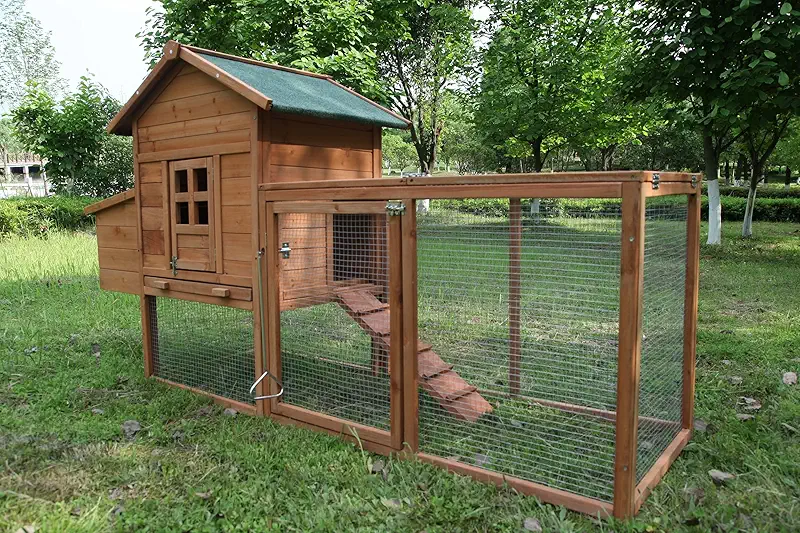
A roomy chicken coop where the right sand keeps feet dry and eggs cleaner.
Now most of my coop and runs use sand, but not just any sand. The best sand for a chicken coop is a specific type, and using the wrong one can cause more trouble than it solves. Let me break down what has worked on my farm, and what I will never use again, no matter how cheap it is.
What Makes The Best Sand For Chicken Coop Floors
Folks will say, “Just grab some play sand from the store, right?” I wish it were that easy. I made that mistake once. The coop turned into a dusty fog bank; my hens sounded like they had smoked a pack a day.
The Type Of Sand I Trust
The best sand for a chicken coop is coarse, construction-grade sand or washed river sand, depending on what you can get in your area. What you are looking for is:
- Grains that are coarse and sharp, not powdery and fine
- A mix of particle sizes, more like tiny gravel than flour
- Washed and low in dust, so you do not choke when you stir it
- Free of clay clumps that turn to concrete when wet
Sands To Avoid In Your Coop
Not all sand is friend to chickens. Some types can be flat-out bad for their lungs and feet. Here is what I stay far away from:
- Play sand: Super fine, dusty, packs tight when wet. Great for toddlers at the park, not great for hens that scratch and breathe inches from the ground.
- Masonry sand: Often very fine and dusty. Some batches are okay, but most times I find it too powdery.
- Beach sand: Tempting if you live near the coast, but can be salty and full of who-knows-what.
- Sandbox leftovers: Old sand from kids’ boxes often has mold, cat droppings, and debris.
Benefits Of Using The Right Sand In Your Chicken Coop
When you use the best sand for a chicken coop, the difference shows up in the smell, the eggs, and how often you have to haul a shovel. Let me walk through the biggest perks I see on my place.
1. Cleaner Eggs And Nesting Boxes
Before sand, my eggs looked like they had survived a mud-wrestling contest. Litter stuck to everything, and I spent evenings wiping each egg one by one. Now, with sand in the coop floor and a dry path to the nest boxes, the girls walk in with cleaner feet.
Less dirt on feet means less mess in nests. Most mornings I grab eggs that barely need a wipe. The hens seem proud of themselves; I am certainly proud of them.
2. Easier Daily Clean-Up
Sand turns the whole coop floor into a big cat box. I keep a metal rake and a scoop (an old kitty-litter scoop works) hanging by the door. Each evening, I walk in, skim off the droppings, and toss them into the compost.
Instead of stripping the whole floor every week, I do small cleanups daily. It takes 5–10 minutes, and the coop stays drier and fresher. My back thanks me, and so does my laundry.
3. Drier Feet, Fewer Foot Problems
Chickens hate wet feet almost as much as I do on a cold morning. Wet, muddy floors are breeding grounds for bacteria that can creep into tiny cuts and lead to bumblefoot.
With coarse sand, droppings dry up instead of turning into a sticky swamp. The grains also help knock mud off toes. I have seen far fewer foot issues since making the switch.
4. Better Odor Control
Chickens are small, but you get enough of them in one spot and they can out-stink a cow barn. The trick is to keep moisture down so ammonia does not build up.
Sand does not soak up moisture the way straw does. Instead, it lets air move around droppings so they dry out faster. Less moisture, less ammonia, and my eyes no longer burn when I bend down to check the nesting boxes.
5. Happy Dust Baths
My hens love nothing more than flopping on their sides and throwing sand over their backs. Coarse sand mixed with a little dry soil and wood ash makes the perfect dust-bath corner.
They wiggle, roll, and chatter like old ladies at the beauty parlor. It is not just cute, either. Dust bathing helps keep mites and lice in check.
How Deep Should Sand Be In A Chicken Coop?
Depth matters more than most people think. Too shallow and you are scraping bare floor; too deep and you are just wasting sand and money.
My Go-To Depths
- Inside the coop: About 2–3 inches of coarse sand over a solid base
- Covered run: 3–4 inches, since it stays drier and gets scratched more
- Open run: 4–6 inches in high-traffic or muddy spots
In my main coop, I started with 3 inches and topped it up a bit each spring. After a year or two, I had a nice even layer that drains well and is easy to rake.
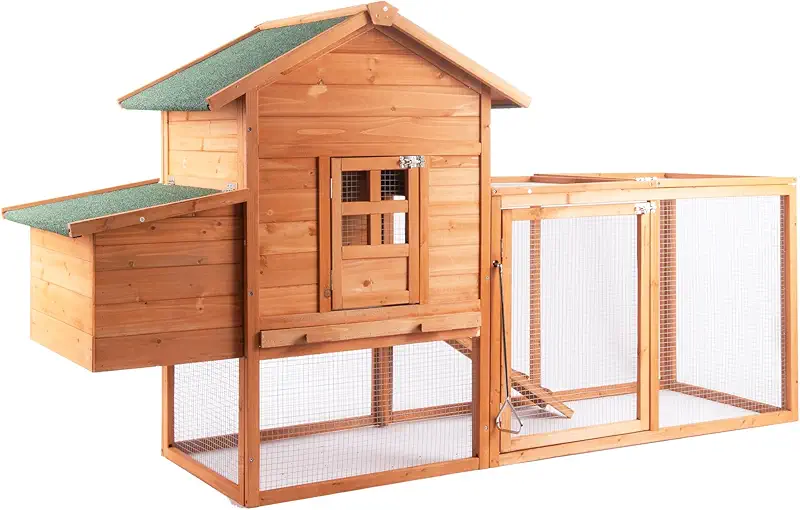
A dry, sand-based run lets hens scratch, dust bathe, and stay out of the mud.
Good Base Layers Under The Sand
If you just toss sand straight on bare clay, it can slowly disappear into the mud. I like to give the sand something firm to sit on:
- Compacted gravel or crushed rock
- Pavers or concrete (especially under roosts)
- Heavy-duty landscape fabric under runs to slow mixing with soil
In one of my older coops, I poured a narrow concrete strip right under the roost line. Then I put sand over it. That is the messiest area, and the solid base makes cleaning a breeze.
Best Sand For Chicken Coop Vs. Other Bedding
I have tried just about every bedding out there. Straw, pine shavings, pellets, leaves—if it can rot, I have probably scooped it out of a coop. Each one has its place, but sand holds its own, especially in smaller backyard set-ups.
Sand Compared To Straw And Hay
Straw and hay feel traditional. They look like something from a painting with a red barn in the background. The problem is, they soak up moisture and pack tight. That traps droppings and makes a perfect home for mites.
Sand does not give mites and lice the same cozy hiding spots. It dries out droppings instead of hugging them. For the main coop floor, sand beats straw hands down on my farm.
Sand Vs. Wood Shavings
Pine shavings are great in nesting boxes and in brooders with chicks. They smell nice, and hens like to burrow into them. But they break down fast and turn into a damp mat if you are not watchful.
Sand holds up longer. In my climate, I can go a couple of years with the same sand, just topping up now and then. With shavings, I was hauling bags in every month.
Deep Litter Vs. Sand
Deep litter with shavings or straw can work well in colder climates, building up compost right in the coop. I have done it in one of my larger barns.
But deep litter needs attention: right moisture, right turning, enough carbon. In smaller backyard coops, deep litter can turn into a wet brick if it is not managed carefully.
For most backyard folks I talk to, the best sand for a chicken coop wins for simplicity: scoop the droppings, stir the surface, and you are done.

Inside a compact coop, sand makes daily raking and spot-cleaning straightforward.
How I Maintain Sand In The Coop All Year
The best sand for a chicken coop is only as good as your daily habits. Luckily, the routine is simple once you get into the rhythm. Here is how I handle it through the seasons.
My Daily And Weekly Routine
- Every day: Scoop droppings under the roosts and any obvious piles
- Every few days: Rake the top inch to break clumps and help it dry
- Every month or so: Check depth and top up thin areas
- Once or twice a year: Remove a few wheelbarrows of the oldest sand and refresh
It is quicker than it sounds. Some evenings I am in and out before the coffee finishes brewing. The trick is to keep ahead of the mess instead of letting it pile up.
Dealing With Rain And Mud
If your run floods, no sand on earth will fix it. On my farm, I fought mud for years before I finally admitted the hens needed higher, drier ground.
Now I:
- Build runs on a slight slope or raised area
- Use gutters and simple trenches to send roof water away
- Lay coarse gravel underneath sand in the muddiest spots
Once I did that, my sand stayed drier and lasted longer. The hens stopped tracking half the backyard into the coop.

Raised runs, roofs, and sand work together to keep mud under control.
Winter Tips For Sand-Floored Coops
Winters here can make a rooster think twice about crowing. Sand does get cold, but it does not freeze into big, uneven chunks like wet dirt.
Here is what helps my flock through the cold months:
- Extra straw or shavings in nesting boxes for warm bellies
- A thick roost, so toes do not wrap all the way around and freeze
- Good ventilation high up, so moisture escapes without chilling the birds
- Keeping entrances shoveled and sanded so they are not stepping into ice
I leave the sand in place all winter. As long as I keep it dry and scooped, it works fine, even in January.
Choosing Bagged Sand Products For Your Coop
Sometimes you cannot get a whole truckload of sand delivered, or you just want to test sand in a smaller coop. That is when bagged products come in handy.
When I check bagged sand online, here is what I pay attention to:
- Words like “construction sand” or “all-purpose sand” instead of “play sand”
- Customer photos that show coarse particles, not powder
- Mention of “washed” or “low-dust” in the description
- Reviews from folks using it in barns, runs, or on patios

Bagged sand can be a good way to try sand floors in a smaller chicken coop.
FAQ: Best Sand For Chicken Coop
1. Is sand safe for chickens to walk and scratch on every day?
Yes, as long as you use the right type. Coarse, washed construction sand or river sand is safe for daily use. My hens scratch, dust bathe, and nap on sand all day long. Their feet stay cleaner than when I used straw, and I have seen fewer scratches and infections.
2. Can chickens eat sand instead of grit?
Chickens will nibble at sand now and then, but sand is not a full replacement for proper grit. Grit is harder stone that helps them grind food in the gizzard. I keep a separate container of granite grit out all the time, even with sand floors.
3. Will sand make my coop too dusty?
That depends on the sand. Play sand and very fine masonry sand can be dusty and rough on lungs, for both you and your hens. Coarse, washed sand has much less dust. In my coops, switching to coarser sand actually reduced dust compared to dry shavings.
4. How often do I need to replace sand in the coop?
Sand breaks down slowly. I scoop droppings daily and remove a few wheelbarrows of the oldest, dirtiest sand once or twice a year. Then I top it up with fresh sand. You are refreshing, not fully replacing, most of the time.
5. Can I use sand in the nesting boxes too?
You can, but I prefer soft nesting materials. I like a mix of straw and pine shavings in nests, with sand on the coop floor leading up to them. That way, hens walk in with clean feet, but they still settle into something soft for laying.

The right coop and sand floor make caring for your laying hens calmer and cleaner.
If your hens are wading through mud or messy bedding, a good coop paired with the best sand for a chicken coop can turn chores into a quick walk-through. Take a quiet minute, picture the kind of coop that would make life easier for you and your flock, and see what feels right.
Let me see options