
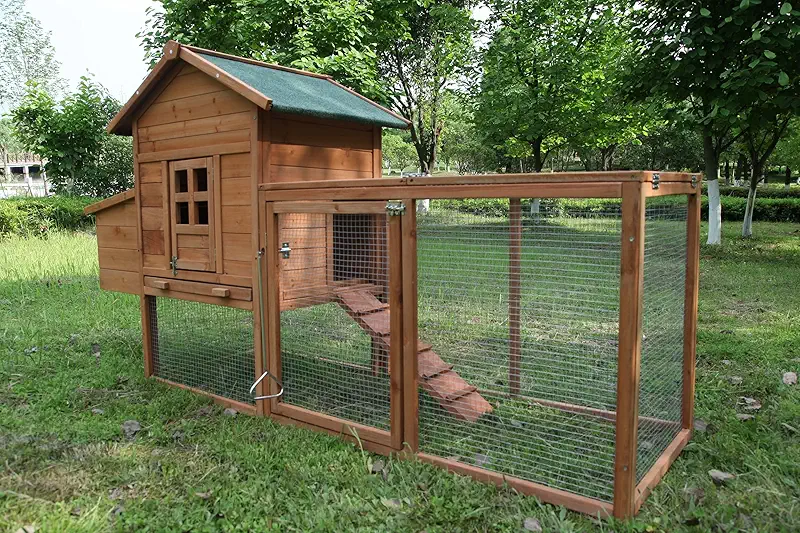
Why a Big Chicken Coop Changed My Mornings
When I first started with hens, I had a tiny, cute little coop. It looked nice in pictures but the birds hated it. They squabbled, picked at each other, and the eggs were few and fragile. I was working harder, scooping more mess, and getting less food in return.
The day I moved my girls into a proper big chicken coop, the whole routine softened. The flock spread out, the noise dropped, and the pecking wounds healed. Hens that used to jump on each other suddenly minded their own business. It was like moving from a crowded city bus into a quiet farmhouse.
That’s why I care so much about space. Not fancy trim, not cute windows. Space, air, and good layout. If you get those right, you’ll feel it every morning when you step into the coop. The birds stay calm, you stay calm, and the egg basket tells the truth.
How Big Should a Big Chicken Coop Really Be?
Folks ask me this all the time at the feed store. The answer is simple and honest: bigger than the box the catalogs try to sell you. Most pictures show eight hens in a coop I wouldn’t put four in.
For full-sized laying hens, here’s what has worked on my farm:
- At least 4 square feet per hen inside the coop.
- 8–10 square feet per hen in the run, more if they can’t free-range.
- One nesting box for every 3–4 hens, no matter what the box label says.
So if you’re dreaming of a big chicken coop for, say, 10 birds, I’d aim for:
- 40+ square feet of indoor space (for example 5×8 feet or 4×10 feet).
- 80–100 square feet of run space.
Give them that, and you’ll notice less bullying, better feather condition, and steadier laying. Chickens stuck in tight quarters act like bored kids stuck in the back of a minivan. Give them space and a few things to do, and everybody settles down.
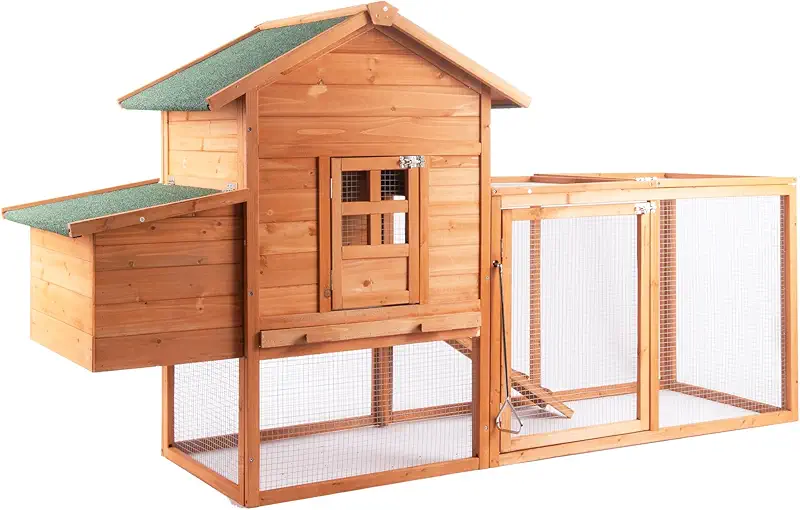
Layout Lessons From a Tired Old Farmer
A big chicken coop isn’t just about square footage. It’s about flow. Where you walk, where they sleep, where the droppings land, and how fast you can get things done when it’s dark, cold, and raining sideways.
1. Doors and Walkways
Make sure you can walk in without stooping and without stepping straight into the dirtiest spot. I like a human door that opens into an open area, with perches and nests off to the side. That way, if I come in with a bucket of feed, I don’t knock anybody off their roost.
I also want a door that closes tight against snow and wind. It doesn’t have to be fancy, but it does need to shut smooth, even after a few seasons of mud and dust.
2. Roosts in a Big Chicken Coop
Chickens are like kids calling dibs on the top bunk. They want to roost higher than their buddies, but not so high they hurt themselves jumping down.
- Set roosts 18–24 inches off the floor for big hens.
- Use sturdy 2×3 or 2×4 boards with the wide side up so they can cover their toes in winter.
- Give about 8–10 inches of roost space per bird.
In a big chicken coop, I like two rows of roosts, stepped like bleachers, but I never put them over the nesting boxes. I learned that lesson the hard way, scraping droppings off eggs before breakfast.
3. Nesting Boxes That Actually Get Used
In a roomy coop, nesting boxes should feel quiet and safe. I like them 12–18 inches off the floor, not too bright, and away from the main traffic line.
- One nest for every 3–4 hens.
- 12×12×12 inches works for most laying breeds.
- A good lip on the front so bedding and eggs don’t roll out.
Don’t be surprised when your hens all pick one “favorite” box and stand in line for it. I’ve seen four boxes empty and six hens arguing over one. That’s just chicken logic, and I quit trying to understand it years ago.

Ventilation: Quiet Air Makes Quiet Birds
A big chicken coop lets you move air without chilling the birds. That’s one of the biggest advantages. A small coop gets stuffy quick, and the ammonia will tell you that as soon as you open the door.
What I aim for is this: air in high, air out higher, and no cold wind blowing across their backs at night.
- Vents up near the roof on at least two walls.
- Hardware cloth over every opening—raccoons have nimble little hands.
- Windows that can open in summer and shut tight in winter.
If you walk in and your eyes water, that coop needs more fresh air. The smell should be earthy, not sharp. Ammonia burns lungs, and hens with burned lungs don’t lay well, no matter how good the feed is.
Keeping a Big Chicken Coop Clean Without Losing Your Weekend
A lot of folks worry that a bigger coop means more work. Truth is, a big chicken coop, set up right, actually makes cleaning easier.
Deep Litter in a Roomy Coop
I use the deep litter method in my larger coops. That means I keep adding dry bedding (pine shavings, chopped straw, or leaves) instead of stripping it all out every week.
- Start with a dry base, 3–4 inches deep.
- Add a fresh layer when it starts to look matted or you see damp spots.
- Turn it with a rake now and then; the hens will help.
In a big coop, the litter has room to stay dry and break down slowly. Done right, it doesn’t smell bad, and come spring you’ve got rich material to compost for the garden. Eggs and fertilizer out of one building—hard to complain about that.

Easy-Clean Features I Won’t Go Without Anymore
After enough years bending and lifting, you learn to think ahead. When I look at a big chicken coop now, I look for things that save my back:
- Big access doors so I can get a rake and shovel inside.
- Removable roosts or dropping boards for fast cleanup.
- Walk-in headroom so I’m not crawling on my knees.
- Nest boxes you can reach from outside are a nice bonus.
I still remember the first morning I collected eggs from outside access nests in the snow. I thought, “Well now, this is living rich.” Small joys keep a farmer going.
Predator-Proofing a Big Chicken Coop
The bigger the coop and run, the more tempting it is for something with sharp teeth. Out here I’ve seen fox, raccoon, possum, hawk, and the neighbor’s dog all test my fences.
Size helps you add layers of protection:
- Hardware cloth, not chicken wire, on openings and lower walls.
- Wire skirt or apron around the run to stop diggers.
- Solid latches that take two motions to open; raccoons are clever.
I walk my coops at dusk like I’m locking up the barn. If you make that a habit, you’ll catch trouble before it catches your birds.

Big Chicken Coop, Big Flock, Calm Hens
People sometimes think more space will make the birds nervous. I’ve found the opposite. A roomy coop lets shy hens keep a little distance, and bossy hens calm down once they realize there’s no shortage of roosts and corners.
In my main big chicken coop, I keep a mixed-age flock. Old girls that still lay now and then, young pullets still figuring out the nest boxes, and a few retired troublemakers who mostly eat and gossip. The reason it works is space. They can sort themselves out without constant wrestling.
I like to hang a few cabbage heads or toss in a flake of hay for them to scratch through. In a bigger coop, those simple “toys” go a long way toward keeping beaks busy and behavior gentle.

What I Look For When I Size Up a Big Chicken Coop
Whether you’re building from scratch or looking at ready-made options, here’s the mental checklist I run through. It’s simple, but it’s been field-tested through hot summers, icy winters, and more muddy springs than I’d like to remember.
- Honest floor space – I ignore the “up to X chickens” claims and do my own math.
- Dry, raised floor – Some elevation to keep rain and meltwater out.
- Sturdy framing – No flimsy pieces that’ll sag after one winter.
- Good roof overhang – Keeps water away from doors and vents.
- Plenty of vents high up – But no drafts at roost height.
- Easy human access – If it’s hard to reach, I know I’ll put things off.
If a coop passes those tests, I start picturing my birds in it: where they’ll roost, where the feeder hangs, where I’ll keep a small bucket of oyster shell. If I can “see” the routine working smooth, that’s usually a good sign.

Big Chicken Coop Comfort: Light, Water, and Feed
Once the walls and roof are sorted, comfort comes down to the basics: light, clean water, and steady feed. A big chicken coop gives you room to set all of that up in a way that works for both you and the birds.
Light
I like natural light from windows during the day. It keeps the coop cheerful and makes it easier to see what’s going on. In winter, a simple light on a timer can help keep egg production steady, but I never push it too hard. The girls deserve some rest.
Water
In a big coop, I keep waterers off the floor on blocks or hanging, with enough space around them so the litter stays dry. Clean, unfrozen water is half the battle for strong eggshells and good health.
Feed
I hang feeders at back height so they aren’t scratching in it as much. With more room, I can spread the feeders out so low-ranking hens get their share. A big chicken coop shouldn’t mean a big, pushy crowd at one feed spot.

Growing Your Flock Without Growing Your Headache
One quiet benefit of a big chicken coop is room to grow a little. Maybe you start with six hens, then you taste those first eggs, and next thing you know, you’re wondering if twelve would be “too many.” Happens more than folks admit.
With enough coop space from the start, you can add a few birds carefully without turning everything upside down. New birds always shuffle the pecking order, but good space and plenty of roosts soften the blows.
If you think there’s even a chance you’ll want more hens down the road, plan your big chicken coop with that in mind. It’s easier to start a bit roomier than to tear things apart and rebuild when the chicken bug really bites you.