
Build your own chicken coop
Build Your Own Chicken Coop
I’ve been raising hens out here in the States for more years than I care to count, and I’ll tell you this: the day you decide to build your own chicken coop is the day your little flock starts to feel like family. On this page I’ll walk beside you, step by step, so your birds stay safe, dry, and laying strong while you keep things simple and down to earth.
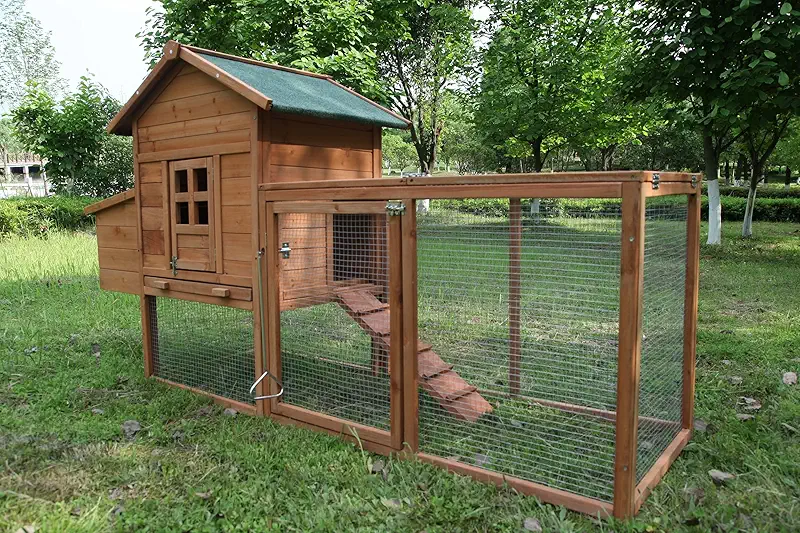
When folks ask me how to build your own chicken coop, I usually smile and say, “Start with your hens, not your hammer.” Before you touch a board, think about the birds. How many do you have now? How many do you dream of having when chicken math kicks in and “six” quietly turns into “twelve”?
I still remember my first little coop. I built it in a weekend, proud as a rooster at sunrise. By fall it was too small, too drafty, and the nest boxes were right where I kept bumping my head. I learned the hard way so you don’t have to. This guide gathers those years of sore backs, muddy boots, and happy hens, all wrapped into plain, honest advice.
We’ll cover size, layout, ventilation, predators, and a few small comforts that make a big difference for your girls. I’ll also point to some ready-made coop options that can save you time if building from scratch starts to feel like wrestling a stubborn old gate.
Inside coop: about 4 square feet per hen.
Run area: 8–10 square feet per hen.
Give them room, and they’ll pay you back in eggs and calm tempers.
If you’d rather start from a basic frame or a kit instead of building every inch yourself, you can find plenty of solid coop designs and structures through specialized selections. I often start from a proven layout and then tweak it for my own birds and climate.
Planning before you swing the hammer
Before you build your own chicken coop, walk your land and listen a little. Watch how the sun moves, where the wind hits strongest, and where water collects after a heavy rain. A coop in the wrong spot will give you more chores than joy.
Out here, I like my coops on a slight slope so water runs away, not under. I face windows toward the morning sun so the birds get a gentle wake-up and the bedding dries out faster. If you live somewhere hot, you might favor shade in the afternoon instead. Your dirt tells you what it needs if you pay attention.
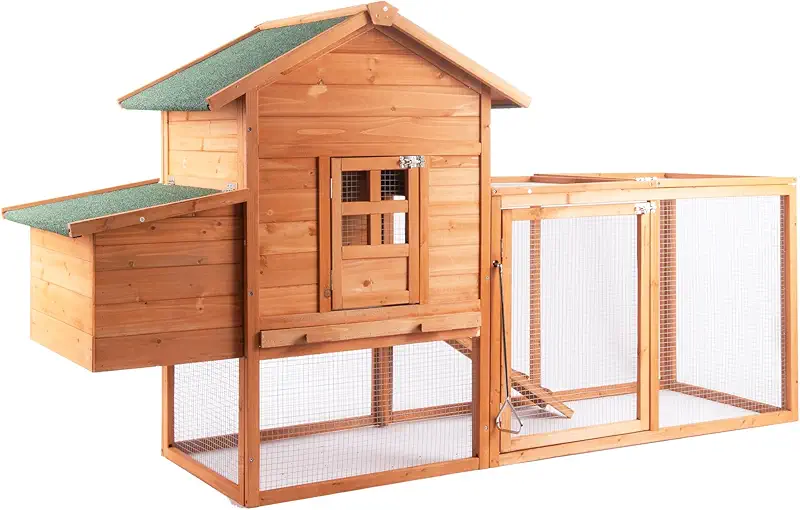
Key questions before you start
- How many hens do you want now, and what’s your honest “maybe later” number?
- Is your climate mostly cold, hot, wet, or a bit of everything?
- Do you have predators like raccoons, foxes, coyotes, hawks, or neighborhood dogs?
- How far do you want to walk in snow, rain, or summer heat to reach the coop?
- Do you prefer a walk-in coop or a smaller raised one you access from the outside?
The better you answer these now, the fewer times you’ll be out there at midnight with a flashlight and a roll of wire saying, “Well, that wasn’t very smart, was it?”
Size and layout when you build your own chicken coop
Space is where most new keepers cut corners, and the hens always notice. When birds are cramped, they peck, they squabble, and they don’t lay as well. Give them room and they move like a relaxed old farmer on a Sunday.
Simple sizing example
Let’s say you want 6 hens. Using that 4-square-foot rule inside the coop:
- 6 hens × 4 square feet = 24 square feet minimum coop space.
- A simple 4×6 foot coop (24 square feet) works, but I’d nudge you toward 5×6 or 6×6 if you can swing it.
For the run, aim for at least 8–10 square feet per hen:
- 6 hens × 10 square feet = 60 square feet of run.
- A 6×10 run is a sturdy, easy-to-build rectangle.

Walk-in vs. low profile coops
I’ve built both, and my knees strongly prefer the walk-in style. A walk-in coop:
- Makes cleaning easier (your back will thank you).
- Lets you inspect birds quickly if one looks off.
- Gives you space for feed storage and tools.
Smaller raised coops are handy if you’ve got a tiny yard or just a few hens, and the space under the coop can double as shaded run. But if you’re in this for the long haul and can spare the footprint, a walk-in coop feels like a tiny barn of your own.
Materials and hardware that stand up to farm life
When you build your own chicken coop, choose materials like you’re planning to hand that coop down to your grandkids. Cheap wood and flimsy wire just turn into more work and worry.
Wood and flooring
- Framing: 2×4 lumber usually does the job. Pressure-treated for the base where it touches the ground.
- Walls: Exterior-grade plywood or solid boards. Seal or paint the outside to handle weather.
- Floor: Raised off the ground helps with rot and predators. I like painted plywood with plenty of bedding on top.
Wire and hardware
If you remember one thing from me today, let it be this: chicken wire is for keeping chickens in, not for keeping predators out. To protect your flock, reach for hardware cloth instead.
- Use 1/2-inch hardware cloth for windows, vents, and lower sections of the run.
- Bury or apron the wire 12–18 inches out from the base to stop digging predators.
- Use sturdy latches you have to open with two hands or at least a bit of thought. Raccoons are clever little bandits.

Ventilation, light, and winter comfort
Most new keepers worry about their hens being cold. The truth is, a healthy chicken handles cold better than damp, stale air. When you build your own chicken coop, think fresh air first.
Good airflow without drafts
- Put vents high up near the roofline so warm, moist air can rise and escape.
- Keep roosts away from direct drafts; hens don’t enjoy a winter breeze on their combs.
- Cover vents with hardware cloth, not chicken wire, to keep uninvited guests out.
In my cold winters, I leave vents open even when there’s snow on the ground. Dry air and deep bedding keep the birds comfortable. A slightly chilly coop beats frostbit combs from trapped moisture every time.
Letting the sunshine in
A bit of natural light lifts everyone’s spirits, feathers or not. Windows set to catch the morning sun help dry bedding and get the hens moving. If you live far north where winter days are short, a small, safe light on a timer can help keep egg numbers steady, but never push them so hard that they can’t rest.
Nest boxes, roosts, and inside layout
The inside of your coop is where the daily rhythm of your flock plays out. Set it up well and chores feel easy; set it up poorly and you find yourself on hands and knees chasing eggs under roosts.

Nest boxes
- Plan for one nest box for every 3–4 hens.
- Keep them lower than the roosts so hens sleep on the perch, not in the nests.
- Make the boxes cozy: about 12×12 inches works for most backyard breeds.
- Outside-access nest boxes with a hinged lid save a lot of muddy-boot trips inside.
Roosts
- Use a rounded 2×4 board with the wide side up so hens can sit flat-footed in cold weather.
- Give about 8–10 inches of roost space per hen.
- Keep roosts higher than nest boxes, but low enough that bigger breeds don’t hurt themselves jumping down.
Predator protection when you build your own chicken coop
If something out there eats meat, it probably likes chicken. I’ve lost a few birds over the years, and each time I could look back and see the gap I’d left in my defenses. The trick is to think like a hungry raccoon while you’re still holding the hammer.
Common weak spots
- Gaps bigger than a finger around doors and windows.
- Soft ground under the fence line where diggers can slip under.
- Loose latches that a clever animal can lift or slide.
- Thin roofs or tarps that won’t stop a determined climber.

Simple ways to toughen your coop
- Use hardware cloth on all openings and along the lower walls.
- Add a wire apron or buried wire around the run to stop diggers.
- Use carabiners or locking latches on doors and nest box lids.
- Check for loose boards, bent staples, and sagging wire at least once a season.
It’s easier to add one more screw and one more staple today than to explain to your kids tomorrow why their favorite hen is missing.
Everyday comfort: bedding, cleaning, and little details
Chickens don’t need fancy, but they do appreciate dry feet, steady routines, and fresh water. When you build your own chicken coop, plan for how you’ll clean it before you plan how it looks on the outside.

Bedding choices
I’ve tried about everything at one time or another. I keep coming back to dry pine shavings and chopped straw. They smell clean, absorb well, and break down nicely in the compost.
- Add fresh bedding regularly where droppings pile up.
- Stir deep bedding now and then to keep things dry and sweet.
- Clean the coop fully when the smell says, “Hey, remember me?”
Doors and access for chores
Big doors may not look impressive in a sketch, but they feel like a blessing on chore day. I like:
- A wide human door for hauling buckets and rakes.
- A pop door for the hens that can close tight at night.
- Easy access to feeders, waterers, and nests without crawling or ducking.
Think of yourself five years from now, in the rain, in a hurry. Build for that person.
Using kits and pre-built coops as a starting point
Not everyone loves measuring and cutting lumber. Some folks would rather spend that time sitting on a milk crate, coffee in hand, watching their hens scratch. I can’t say I blame them.
One smart way to build your own chicken coop is to start with a sturdy base or kit and then add your own touches: extra ventilation, a larger run, stronger wire, maybe better roosts. Think of it like buying a plan and then “farmer-proofing” it.

Looking over coop ideas
If you want to see different coop layouts, sizes, and styles before you commit to your own build, you can browse through a variety of ready-made designs and frames. I like to study how others solve problems, then tweak the parts that matter for my land and my birds.
Let me compare coopsFAQ: build your own chicken coop
Ready to see more coop ideas?
You’ve got the basics now: space, safety, fresh air, and a layout that makes daily chores feel simple. The next step is to look at real examples so you can picture what fits your yard, your budget, and your hens. Take your time, trust your gut, and remember that a well-thought-out coop turns chicken keeping from a hassle into a quiet pleasure at the start and end of each day.
Show me all coops