Buy chicken coop
Buy Chicken Coop – a down‑to‑earth guide from a weathered US farmer who has cleaned more nests than he cares to admit.
Seasoned farmer notes
When folks ask me how to buy chicken coop setups that actually keep hens happy and eggs coming, I always smile. I’ve built coops out of old barns, pallets, and once an upside‑down truck bed. Some worked. Some… let’s just say the foxes wrote me a thank‑you note.
You don’t need a perfect farm to raise good laying hens. You just need a safe, dry, simple coop and a bit of common sense. In this page I’ll walk you through how I think when I choose a coop for my own flock out here in the States. I’ll talk size, materials, predators, cold snaps, and all the little details that only show up after you’ve mucked out a few hundred times.
If you’re ready to turn kitchen scraps into breakfast and turn clucking into your new favorite sound, stick around. We’ll keep the talk plain and the advice honest.
Let me browse
I’ll point out what matters before you settle on a coop.
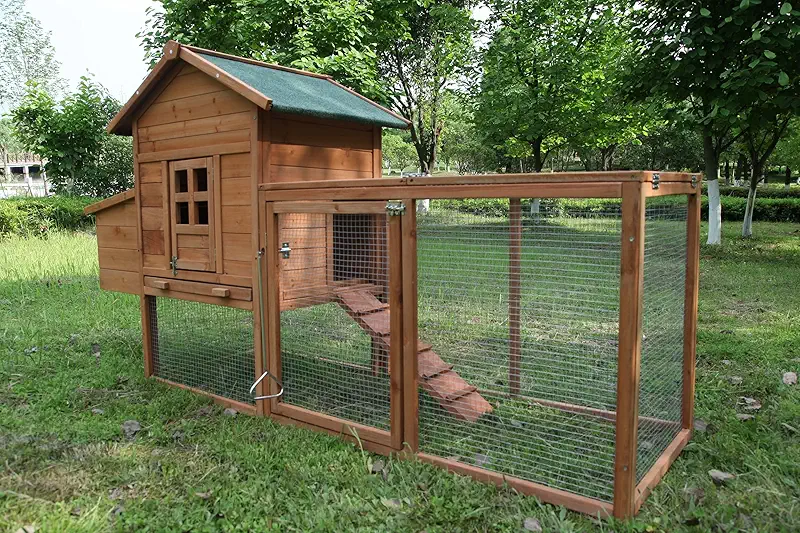
One of those tidy little coops that looks cute in pictures and stays cute if you size it right and keep it clean.
How to think when you buy chicken coop
Long before I hit any “add to cart” button, I step back and picture my grown birds. Not the fluffy chicks everyone falls in love with, but the full‑sized ladies bumping shoulders on a hot July afternoon. That picture will tell you more about the right coop than any fancy description.
Rule of thumb from my farm: for standard laying hens, plan about 4 square feet per bird inside the coop and 8–10 square feet per bird out in the run. If you go smaller, they’ll tell you with pecking, missing feathers, and eggs laid in every corner but the boxes.
The three big questions
- How many hens? Be honest and add a couple. Everyone says “just four” and ends up with eight.
- What’s your weather? I’ve raised birds in icy wind and blistering heat. Your coop must match your climate.
- What’s hunting your hens? Fox, raccoon, hawk, neighbor’s dog – they all design your coop for you.
When you buy chicken coop setups online, pictures are usually taken on a sunny day with no mud, no snow, and no raccoons. So it’s on you to imagine that coop after three storms, one heatwave, and six months of manure. If it still sounds workable, you’re on the right track.
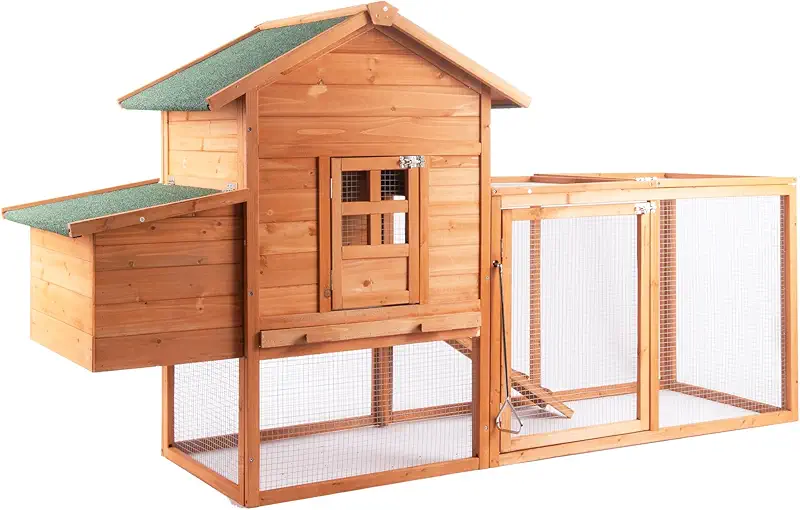
Simple wood, raised off the ground, enough airflow: all the things my older self wishes my younger self had cared about sooner.
Types of coops you’ll see when you buy chicken coop online
If you scroll through ready‑made coops, you’ll notice a few usual suspects. I’ve tried versions of all of them on my own ground. Here’s how they behave once the new‑wood smell wears off.

Small backyard starter coop
These tidy little houses are great for 2–4 hens, especially if you’re dipping your toes into fresh‑egg life. Just don’t believe any tag that says “up to 6–8 hens” in this size – that’s wishful thinking.
This size might fit

Walk‑in coop with attached run
This is close to what I keep for my main laying flock. When you can stand inside, cleaning, refilling water, and checking birds becomes simple. Your back will thank you every single Sunday morning.
I want this comfort

Mobile chicken tractor
These rolling coops let the birds graze fresh grass and spread their own manure. I drag mine a few feet every day with an old rope and a stubborn smile. Good option if you’ve got lawn and no desire to mow all of it.
I like moving birds
No matter which style you lean toward, remember that chickens care about the basics: dry bedding, steady air, safe nights, and easy access to feed and water. Fancy trim boards and cute windows are more for your neighbors than for your hens.
What I look for when I buy chicken coop
Over the years I’ve built up a short checklist. When a coop passes these points, I relax a little. When it fails, I walk away, no matter how nice the paint job looks.
1. Solid floor and dry feet
Wet bedding wrecks a flock faster than most people realize. I prefer raised coops with a solid floor so rain, snowmelt, and mud stay underneath, not in with the birds.
Inside, I cover the floor with pine shavings or chopped straw. In winter, I use a deep‑litter method, stirring the bedding so it breaks down a bit and gives off a gentle warmth.
2. Real ventilation, not drafts
Chickens breathe out a lot of moisture. If that hangs in the coop, you end up with frosty combs in winter and a barn that smells like a middle‑school locker room in summer.
I like openings up high under the eaves, covered with hardware cloth. Air flows, but wind doesn’t blow right across their roosts. When I buy chicken coop setups, I picture a January night. If I can see the birds roosting straight in front of a big gap, that’s a no from me.
3. Roosts higher than the boxes
Birds like to sleep on the highest perch. If the nesting boxes sit higher than the roost bars, your girls will sleep there, and you’ll be collecting eggs from a poop pillow every morning. Ask me how I learned that.

Plenty of roosting space, boxes a bit lower, and doors you can reach into without crawling: little details that make a coop liveable.
On my farm I use sturdy 2x3 or 2x4 boards with the wide side up for roosts. Flat enough that their feet don’t freeze, round enough they can grip. Fancy dowels look nice, but my hens have always preferred the plain boards.
4. Predator‑proofing that I trust at 2 a.m.
Raccoons are clever, foxes are patient, and stray dogs are strong. When I buy chicken coop setups, I check doors and latches like I imagine the worst raccoon I’ve ever met is shopping with me.
- Hardware cloth, not chicken wire. Chicken wire keeps chickens in, but it doesn’t keep much out. Predators tear it like old fabric.
- Buried wire skirt. If the run has a wire skirt that flares out on the ground or is buried a few inches, diggers usually give up.
- Two‑step latches. Simple hook latches are raccoon puzzles. Give them something that takes two steps or a bit of hand strength.
I’ve woken up at 2 a.m. to a ruckus more than once. Every time, I was thankful for solid doors and strong mesh. It’s not the most glamorous part of owning chickens, but it’s the part that lets you sleep.
Matching your coop to your climate
I’ve kept birds through Midwest ice storms and August heat that cooked the paint off my old shed. The best coop for you depends a lot on your zip code.
Cold and snowy winters
- Look for thicker wood walls and fewer big openings, with ventilation placed higher.
- Make sure doors and windows shut tight without big gaps.
- Plan room for waterers inside, so they don’t freeze as fast.
When you buy chicken coop designs for real winters, skip the full‑mesh houses. Your hens grow feather coats, not parkas.
Hot, humid summers
- Choose coops with large windows or mesh panels that can be opened for airflow.
- Dark shingles and no shade turn coops into ovens. Light roofs and shade trees help a lot.
- Make sure the run isn’t all bare dirt. A little grass and some shade stop them from baking.

Plenty of mesh for summer air, with panels you can block in winter – the sweet spot if your seasons swing hard.
Around here, my birds handle cold better than heat. So I put more effort into shade and airflow than insulation. Your place might be the opposite. When you buy chicken coop setups, think more about your worst weather week than your average one.
Setting up your coop for easy egg‑collecting days
Once that new coop shows up and you drag it into place, a few small choices make your life simpler for years. I learned these from sore backs, muddy boots, and more spilled feed than I care to count.
Where to place your coop
- High, not low. Put the coop on the driest, highest spot you’ve got. Mud smells worse than any chicken.
- A bit of shade. Morning sun and afternoon shade is my favorite mix.
- Close enough to the house. If you can see the coop from your kitchen window, you’ll catch trouble early.
Inside layout for happy layers
For laying hens, I aim for one nesting box per 3–4 birds. You can buy chicken coop setups with built‑in boxes, or add simple wooden crates and buckets. Don’t overthink it. Dark, quiet, a bit of bedding, and they’re thrilled.
Keep feed and water easy to reach but not right under the roosts. Unless you enjoy washing droppings off everything at dawn, which I don’t recommend as a hobby.

Side‑access nesting boxes save you from crawling on your knees. Your future self will be very grateful for this little door.
My simple cleaning routine
- Every morning: quick glance at birds, refill water, top off feed, scoop obvious mess from under roost.
- Once a week: stir bedding, scrape droppings board or floor under roost, add fresh shavings.
- Every few months: full clean‑out, let the coop dry in the sun, start fresh.
A coop that’s easy to walk into and reach around makes that routine lighter. When you buy chicken coop designs, imagine doing this on a rainy Monday when you’re already late for work. If it still seems manageable, you’ve picked the right one.
Frequently asked questions when you buy chicken coop
How many chickens can I keep in a small backyard coop?
In real life, less than the box claims. If a listing says “up to 8 hens,” I treat it as comfortable for 3–4 standard layers. My rule: about 4 square feet per bird in the coop and 8–10 in the run. Your birds will be calmer, healthier, and lay better when they’re not crowded.
Is it cheaper to build my own coop or buy one?
If you’ve got tools, scrap lumber, and time, building can be cheaper. I’ve turned old sheds into palaces for pennies. But if you’re buying new lumber and hardware, prices add up fast. When you buy chicken coop kits, you’re paying for convenience and saved weekends. I often do a mix: buy a solid base coop, then add small improvements myself.
What’s the best flooring for a coop?
I like solid wood floors raised off the ground. They stay drier than dirt and are easier to clean than wire. Cover them with pine shavings or chopped straw. Some folks use sand; it can work in dry climates but gets heavy and messy in wet ones. Whatever you choose, keep it dry and stir it often.
Do I need electricity in the coop?
You don’t need it, but it’s handy. I ran a simple line out to one of my coops for a heated waterer and a small light on a timer in winter. If you’re just starting, focus on a safe, sturdy coop first. You can always add power later with outdoor‑rated cables or solar options.
How do I keep predators out of my coop and run?
Think like a hungry raccoon. Use hardware cloth instead of chicken wire, bury or flare the wire at ground level to stop diggers, lock birds in the coop at night, and use good latches that take more than one step to open. When you buy chicken coop setups, inspect all openings in the photos and imagine squeezing a raccoon hand through there. If it looks possible, keep scrolling.
If your heart’s already halfway in the chicken yard, you’re ready. You don’t need to be perfect, just willing to learn and listen to your birds. Start with a coop that keeps them safe and dry, and the rest falls into place, one warm egg at a time.
Show me every coop