
Cheap chicken coop
Cheap Chicken Coop
You can save money on a cheap chicken coop without making your hens pay the price. Let me share what has worked on my own little U.S. farm, after years of trial, error, and a few very opinionated hens.
When folks ask me about a cheap chicken coop, I always say the same thing: “Cheap is fine, flimsy is not.” A good coop doesn’t have to be fancy, it just has to keep birds dry, safe, and calm. Eggs come a lot easier when a hen feels like her house won’t blow away with the first strong wind.
Let me see options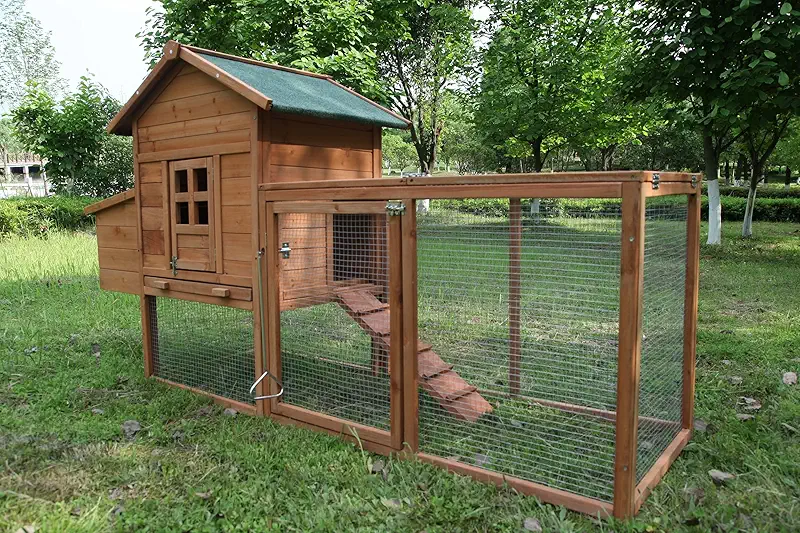
What “cheap chicken coop” really means on a farm
Out here, cheap doesn’t mean junk. It means simple, sturdy, and smart. When I bought my first cheap chicken coop, it was a little wooden number I could drag across the yard. The boards weren’t perfect, the roof had a small wobble, and the instructions looked like a chicken scratched them out. But I made it work, and my hens didn’t file a single complaint.
Over the years, I learned that chasing the lowest price with no plan usually ends with birds roosting in the barn, me holding a broken door, and a raccoon looking very pleased with himself. The trick is to know what corners you can cut, and which ones you never should.
Where you can safely save money
- Skip fancy paint and decorations. Hens don’t care about cute shutters.
- Choose simpler hardware instead of heavy-duty decorative hinges.
- Use recycled lumber for small repairs and interior perches.
- Pick a smaller footprint that truly matches your flock size.
- Start basic and upgrade things like automatic doors later.
I’ve had coops that looked like garden showpieces, and some that looked like a kid’s school project. Funny thing: egg numbers never matched the price tag. The hens only cared about the inside, not how pretty it looked from the road.
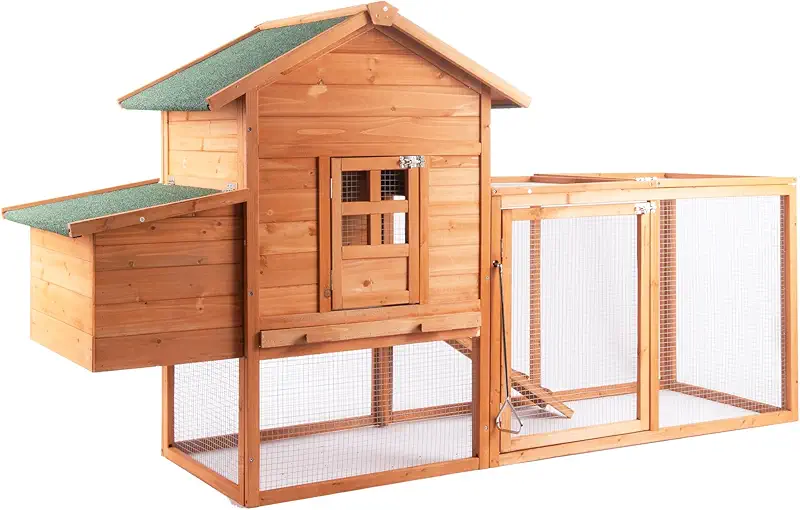
The 5 must-haves in any cheap chicken coop
No matter how tight the budget is, there are five things I never sacrifice. These are the bones of a good coop. If a product nails these, I don’t mind if the handles are plastic or the roof color isn’t my favorite.
A cheap chicken coop that sits right on the ground will rot, stink, and invite every critter around. Look for raised floors or sturdy legs. Even a few inches off the ground makes a big difference when the spring rains hit.
Hens breathe out a lot of moisture. Without vents, the inside gets damp, then cold, then the combs start to get frostbite. You want vents up high, where drafts don’t blow straight on the birds.
Raccoons have clever little hands, and they work night shift. Every door and hatch on a cheap chicken coop needs a latch that you have to deliberately open. If it’s easy for you, it’s easy for them.
I like at least 3–4 square feet per bird inside the coop if they also have a run. Overcrowding turns sweet hens into feather-pulling bullies and drops your egg count fast.
If cleaning feels like wrestling a pig in a phone booth, you won’t do it often. And the hens will let you know by getting sick. Look for doors you can step up to, and floors you can scrape out in a few pushes.
Nesting boxes shouldn’t be fancy, just dark and cozy. One box for every 3–4 hens works fine. Make sure they’re slightly lower than the roosts so hens don’t sleep in them and mess them up.

My early mistakes with cheap coops (so you can skip them)
I’ll admit it: my first “bargain” coop was more optimistic than practical. The pictures looked great. In real life, it felt lighter than a sack of feed. One windy March night, I watched that thing slide a few feet across the yard like it was on ice skates. The hens were not impressed.
That coop taught me plenty. Now, whenever I look at a cheap chicken coop, I run through a mental checklist built from trial, error, and a few embarrassing stories I’d rather the neighbors didn’t remember.
The lightweight wonder
One coop I tried had good reviews but was built with very thin wood. It was fine in calm weather, but once I put eight full-grown hens inside, the floor sagged like an old porch. I ended up bracing it with some leftover 2x4s. Cheap coop, plus a little scrap lumber, turned it into something decent. The lesson? Thin walls can be forgiven if the frame is solid and you’re willing to reinforce a bit.
The cleaning nightmare
Another cheap chicken coop looked sturdy but had tiny doors. I’ve got broad shoulders and not much patience, so climbing in there to scrape out bedding felt like crawling through a doghouse. I cleaned it less often than I should have, and the hens repaid me by catching mites. Learned my lesson there too: good access is worth a few extra dollars.

How to choose a cheap chicken coop online without getting burned
Shopping online is handy, but you can’t walk around the coop, kick the legs, or peek inside. So you have to read between the lines. Over the years, I’ve figured out a simple way to judge a cheap chicken coop from behind a screen.
1. Read the bad reviews first
I always look at the lowest ratings first. If folks complain about thin wood, missing parts, or doors that fall off, that’s a red flag. But if the main complaint is “smaller than I thought,” I just check the measurements and keep considering it. People often don’t measure their space and then blame the coop.
2. Study the photos from other buyers
Buyer photos are gold. That’s where you see how the cheap chicken coop holds up once it’s been through a season. I look for:
- Close-ups of the hinges and latches.
- Pictures taken after a few months, not just on day one.
- Photos that show real hens inside, so I can judge space.
3. Check the measurements like a hawk
Product titles like to brag about “8–10 chickens,” but often that number fits only if the birds stand shoulder-to-shoulder like they’re in line at the diner. Ignore that and look at square footage instead. Count your hens, then give them breathing room.

4. Plan for a little reinforcing
With a cheap chicken coop, I always assume I’ll add a few screws here, maybe a brace there. A handful of deck screws and a scrap board or two can turn a “just okay” coop into a solid one. It’s still cheaper than buying the top-shelf model, and you get the pride of fixing it up right.
Keeping hens happy in a cheap chicken coop
A coop is just the shell. What really keeps hens laying strong is how you manage the inside. I’ve kept birds in little budget coops and in big barns, and I can tell you the cheap coop can work just fine if you treat it right.
Make the inside calm and cozy
Chickens like routine and quiet. Too much noise, light, or crowding and they stop laying. In a cheap chicken coop, I keep things simple:
- Roosts placed higher than the nesting boxes.
- Soft bedding in nests: straw, shavings, or dried grass.
- A calm corner where they’re not disturbed all day long.
I had one hen, old Rosie, who refused to lay in the new nest boxes when I moved her to a different coop. She kept slipping back to the old one. Once I added a little curtain on the nest, just a scrap of burlap, she settled right in. Sometimes hens are like us: they like a bit of privacy.
Ventilation without drafts
A cheap chicken coop can get stuffy, especially in summer. I like to keep vents up near the roof and leave solid walls at perch height. That way, air moves, but birds don’t sit in a cold draft. In winter, I check for tiny cracks around doors and plug the worst ones, leaving the main vents open.
Cleanliness on a budget
You don’t need fancy disinfectants. I clean my coops with a good scraper, some elbow grease, and a mild soapy rinse a couple times a year. For everyday work, I use what I call the “lazy farmer method”:
- Scrape droppings off roost boards once or twice a week.
- Stir bedding regularly so it dries out and composts slowly.
- Swap out nesting material as soon as it gets messy.

Cheap chicken coop vs. DIY build
Folks often ask whether they should buy a cheap chicken coop or build one from scratch. I’ve done both, and they each have their place. The truth is, DIY is not always cheaper once you count your time, tools, and all the “extra” hardware trips you didn’t plan on.
When a prefab cheap coop makes sense
- You’re starting with just a handful of hens.
- You don’t own many tools or don’t enjoy woodwork.
- You want to get started this weekend, not next season.
- You’re okay adding a brace here and there to strengthen it.
When DIY might win
- You already have spare lumber and hardware lying around.
- You need a custom shape or a very big coop.
- You enjoy building as much as you enjoy fresh eggs.
On my place, I started with a cheap chicken coop, then later built a larger shed-style coop once I knew chickens were going to be a long-term thing. That first little coop still gets used as a grow-out pen for young birds. Nothing wasted.

Feeding and caring for laying hens in a budget coop
A cheap chicken coop doesn’t mean cheap care. The coop just keeps the weather off their backs. What really shows up in the egg basket is feed, water, and how calmly they live.
Feed for strong eggs
I keep it simple: a good layer feed, clean water, and some extras from the garden. Kale stems, squash guts, and the odd handful of corn go a long way. Shells too thin? I dry out eggshells, crush them fine, and offer them back in a separate dish. Doesn’t cost a thing, and the hens act like it’s a treat.
Routine makes calm birds
Chickens are creatures of habit. Even in a cheap chicken coop, if they know when the door opens, when they eat, and when things quiet down, they relax. I open up at about the same time each morning and close up just after dusk. If I’m late, they all sit inside, staring at the door like I’m the slow waiter at a diner.
Watching for trouble signs
I take a quick look at my hens every evening as they roost:
- Are they breathing easy, no wheezing or rattling?
- Are combs bright and firm, not pale or shriveled?
- Is everyone up on the roosts, not sulking alone in a corner?
If something looks off, I know to check the coop for drafts, damp bedding, or a leak. Cheap coop or not, small problems caught early are easy to fix.

FAQ about finding a good cheap chicken coop
Ignore the big number in the product title and look at the measurements. I like 3–4 square feet per hen inside the coop if they also have an outside run. So if the inside floor is about 12 square feet, I’d keep no more than 3–4 hens in there. They might physically fit more, but crowding means stress, pecking, and weak egg production.
It can, if you help it along. A cheap chicken coop with decent framing and a dry floor will do fine in winter if you:
- Block direct drafts at roost height.
- Keep vents open up high so moisture escapes.
- Use deep, dry bedding on the floor.
Chickens handle cold better than damp. I’ve had birds do just fine in uninsulated coops during snow, as long as I kept the inside dry and out of the wind.
Some are, some are not. Safety depends more on hardware than price. Look for strong wire (not thin chicken wire for the main run), solid latches on every door, and no big gaps along the edges. On my cheaper coops, I always add extra screws in the corners and swap out weak latches for better ones. A few dollars of hardware can turn a bargain coop into a safe one.
With a little care, I’ve had budget coops last 4–6 years or more. The ones that died young were the ones I set right on wet ground or never re-stained. If you:
- Keep the floor dry and off the soil.
- Touch up paint or stain now and then.
- Tighten loose screws each season.
you can get plenty of seasons out of a cheap chicken coop before it needs big repairs.
Not at all. Starting small and cheap is smart, as long as you stay picky about the basics: dry, safe, and well-ventilated. Many new keepers find out they love chickens, then later upgrade to a bigger or sturdier coop. That first cheap coop can become a hospital pen, a broody hen house, or a grow-out area for young birds. Around here, nothing goes to waste.