
When folks ask me about a chicken coop 10-15 chickens, I always smile. That’s my favorite flock size. Big enough to keep the egg basket full, small enough that you still know every hen by her attitude. You’ll have the bossy one, the quiet one, the escape artist, and the one that always finds the only muddy spot in the yard.
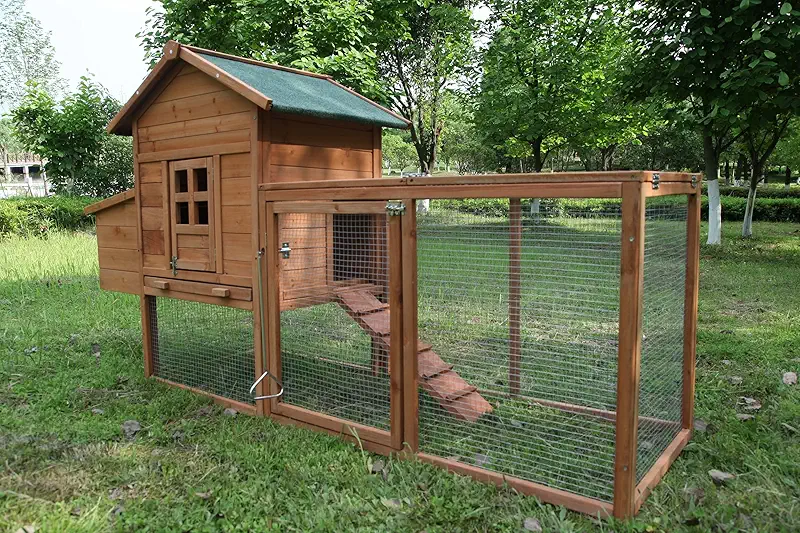
The right coop for 10–15 birds isn’t just about how many chickens you can stuff in a box. It’s about how much space they need to stay healthy, keep laying, and not fight like kids stuck inside on a rainy day. I’ve seen coops that looked cute but smelled like a swamp and stressed the birds so much they almost went on strike. You don’t want that.
Let me lay things out like I would if you were standing here by the fence with a cup of coffee in hand. We’ll talk about space, layout, safety, weather, and the little details that matter way more than the paint color.
How much space a 10–15 chicken coop really needs
Space is where most people get talked into something too small. Pictures online make coops look bigger than they are. Chickens are polite about it, but they hate being cramped. When birds are crowded, they peck, they bully, and egg production goes downhill.
- 4 square feet per bird inside the coop (minimum)
- 8–10 square feet per bird in the run (the outside pen)
| Flock size | Indoor coop area (min.) | Outdoor run area (min.) |
|---|---|---|
| 10 hens | 40 sq ft | 80–100 sq ft |
| 12 hens | 48 sq ft | 96–120 sq ft |
| 15 hens | 60 sq ft | 120–150 sq ft |
Could you squeeze them tighter? Sure. But I’ve never once met a farmer who said, “I wish I’d built the coop smaller.” Extra space gives you room for winter, for a few surprise chicks, or for that one rooster your neighbor will eventually give you.
Inside the coop: layout that keeps peace in the flock
A chicken coop 10-15 chickens works best when everything inside has a purpose and a place. Chickens like routine. They go to the same roost, the same nests, and even the same waterer if you let them. If your layout is messy, they’ll be messy too.
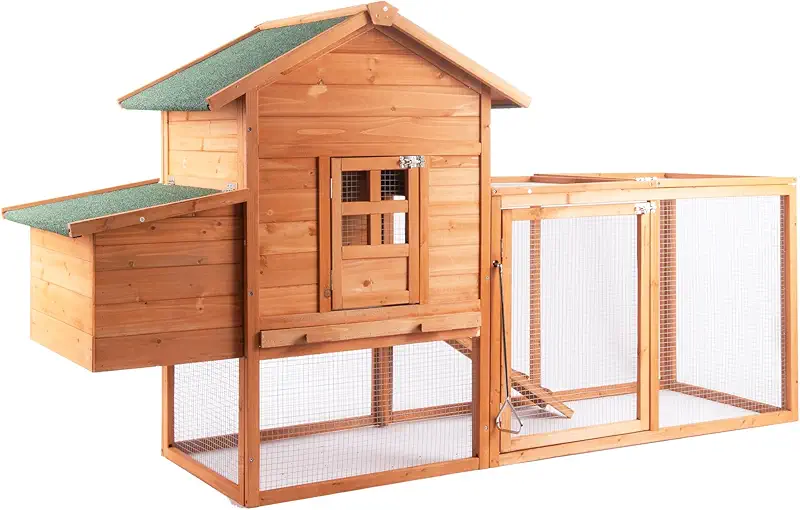
Roost bars: where they sleep
At night, your hens want to roost up off the ground. It keeps them feeling safe and their feet dry. Plan for:
- 8–10 inches of roost space per bird (they do like to cuddle, but not too tight)
- Roosts higher than the nest boxes, or they’ll sleep in the nests and poop in your breakfast
- Rounded edges on the roosts so they don’t hurt their feet (2×4 laid flat works great)
Nest boxes: where the magic happens
For 10–15 hens, you don’t need a nest for each bird. They’ll all wait in line for the same one anyway, like it’s the “special” box. I see it every morning.
- 1 nest box per 3–4 hens is usually plenty
- Mount them lower than the roost bars
- Make them cozy, a little dim, and line them with straw or shavings
If hens start laying on the floor, it usually means the nests don’t feel private enough, or they’re too bright, too drafty, or too high-traffic.

Ventilation: fresh air without a cold draft
If I had to pick the most overlooked part of a coop, it’s ventilation. Chickens put off a lot of moisture and ammonia. If that builds up, you’ll smell it before they complain, but their lungs and combs will pay the price.
- Add vents up high, above the roosts, so drafts don’t blow right on the birds
- Use hardware cloth over openings, not flimsy window screen
- In cold areas, make vents adjustable but never shut everything tight
A coop should smell like dry straw and feathers, not like a barnyard on a hot July afternoon. If your eyes water when you open the door, something’s wrong.
Run and outdoor space for 10–15 hens
Your hens will spend most of their day scratching, dust bathing, and gossiping in the run. That space matters just as much as the inside. A good run keeps them busy and out of trouble. Bored chickens are like bored teenagers: they start picking on each other.

For 10–15 hens, more outside space is always better, especially if you can’t free-range them. I like to give them logs to climb on, stumps to hop, and a corner for dust baths. Toss a flake of straw in there, and they’ll be busy all afternoon.
Predator-proofing the run
Around here, I say, “If it walks, crawls, flies, or slithers, it wants your chickens.” Raccoons, foxes, hawks, neighborhood dogs—every one of them is thinking “chicken dinner.”
- Use hardware cloth, not chicken wire (chicken wire keeps chickens in, not predators out)
- Bury wire or a skirt around the run to stop digging predators
- Secure every latch—raccoons can open simple hooks like a kid with candy wrappers

I lost my first hen to a raccoon because I trusted a cheap latch. Never again. These days, anything guarding my birds gets the same respect as the front door of the house.
Weather: building for real seasons
A chicken coop 10-15 chickens has a bit of an advantage in winter. The more birds you have, the more body heat they share. Still, you want the coop to handle your climate, not just survive it.
Cold weather considerations
- Focus on wind protection more than heavy insulation
- Keep bedding dry and deep—dry shavings or straw hold warmth
- Use wide roosts so they can cover their feet with feathers
I’m not a fan of heat lamps. I’ve seen too many barns burned down. A well-built coop, plenty of birds, and proper ventilation usually do the job without extra gadgets.
Hot weather considerations
Heat is harder on chickens than cold. If you’re in a hot state, this part matters:
- Shade the coop and run as much as possible
- Make sure you have cross-ventilation up high
- Keep water in the shade and refresh it often

On the hottest days here, I’ll toss a few frozen water bottles in a pan and let the hens stand around them. Looks silly, but they appreciate it. Chickens don’t mind looking silly.
Common mistakes when picking a chicken coop 10-15 chickens
Over the years I’ve helped a lot of new chicken keepers fix problems that started with the wrong coop. It’s easier to start smart than to tear things apart later. Here are the big missteps I see all the time.
1. Falling for “too cute, too small” coops
Some coops look like little farm dollhouses. Nice paint, tiny windows, tiny doors, tiny everything. The box might say it fits 10–15 chickens, but they must be counting cartoon birds. Always check the actual floor space, not the marketing line.
2. No room to walk in
A coop you can stand up in is worth every penny. One winter morning, I had to crawl into a short, cheap coop to grab a sick hen. I backed out of there covered in bedding, looking like a breaded pork chop. Since then, I prefer coops with human-sized doors.
3. Forgetting about cleaning
For 10–15 hens, you’ll have a steady flow of manure. Not the glamorous part, but it makes great garden fertilizer later. Make sure:
- You can easily reach all corners with a shovel or scraper
- Doors and nest lids open wide and stay put
- The floor is smooth enough to sweep but not slick for the birds

Every time you save 10 minutes on coop chores, that’s more time to stand at the fence, sip your coffee, and watch the hens argue over the same exact bug.
Daily life with 10–15 laying hens
With a good chicken coop 10-15 chickens, the daily routine gets simple. That’s what you’re really buying: less fuss, more enjoyment.
Most mornings around here go like this: I open the coop, the ladies spill out talking to each other, and I check feed, water, and the general mood of the flock. In the evening, I count heads on the roosts and shut the door. A solid coop makes those two moments calm instead of chaotic.

- Door that opens and closes smoothly, even in mud or snow
- Latch I can work with gloves on
- Easy access to nests from outside the coop
- Room to add a feeder and waterer inside if the weather turns nasty
Once your coop is dialed in, you can focus on enjoying the birds themselves. Hens are better entertainment than half the shows folks stream these days, and they pay you in eggs. Hard to beat that.