
Chicken coop 10 hens
Chicken Coop 10 Hens
When folks ask me how to keep ten hens happy, safe, and laying steady, I always say: “It all starts with the coop.” A chicken coop 10 hens can share in peace is a whole lot more than four walls and a pretty roof.
I’ve raised layers through blizzards, summer heat, and more than a few curious coyotes. Let me walk you through what really matters when you’re choosing or planning a coop for a small backyard flock.
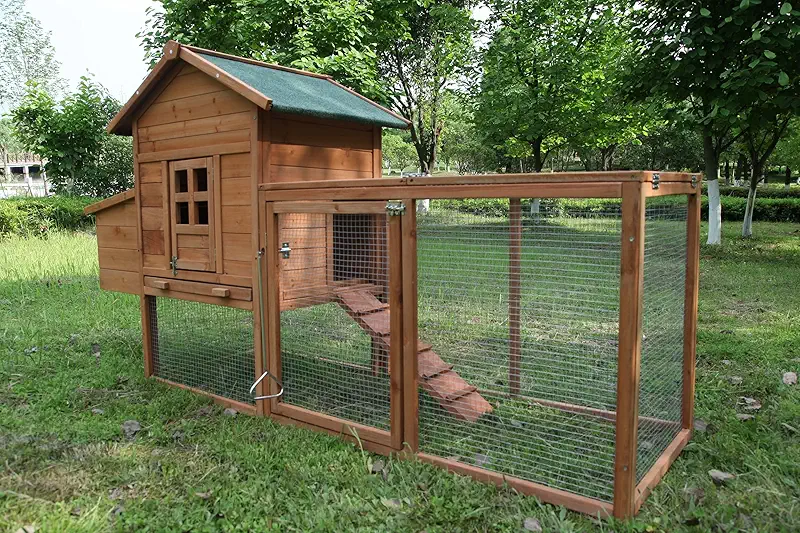
What a chicken coop 10 hens really needs
A chicken coop 10 hens can live in without fuss needs to fit three big needs: space, safety, and comfort. If you get those right, the rest is just daily chores and a bit of common sense.
Over the years I’ve tried cramped little houses, homemade shacks, and tidy prefabs. The hens are blunt critics. If something’s wrong, they tell you with pecking, noise, or eggs in all the wrong places. When the coop is right, the flock is calm, the eggs are clean, and you don’t dread stepping in there with a shovel.
Practical sizing for ten hens
For a chicken coop 10 hens can share, I don’t like to go below 4 square feet of indoor space per hen. More is better, but that’s my hard floor. So for ten birds:
- Indoor coop: 40 square feet minimum (for example 5x8 feet or 4x10 feet).
- Outdoor run: 80–100 square feet if they’re confined most of the day.
- Free range part-time: you can lean a little smaller on the run, but I still like elbow room.
Every time I tried to “get away with” less space, the hens reminded me why that’s a bad idea: more squabbles, dirty litter, and feather picking. Ten hens in tight quarters is like ten kids in a tiny tent on a rainy day. Sooner or later, someone gets pecked.
Designing the inside of a coop for ten hens
Once you’ve got the size of your chicken coop 10 hens will live in, the inside layout makes the difference between “cozy farmhouse” and “crowded bus stop.” Think like a hen: “Where do I sleep? Where do I lay? Where do I eat without being shoved?”
Roosts: where the ladies sleep
Hens like to sleep up high. For ten hens, I aim for at least 8–10 inches of roost space per bird. I usually build two parallel roost bars, about 12–16 inches apart, all at the same height so the dominant hens don’t grab the high seats.
- Use a 2x3 or 2x4 laid flat. The wide side gives their feet a good perch and protects toes in winter.
- Keep roosts higher than nest boxes. Otherwise they’ll sleep in the boxes and you’ll get poopy eggs.
- Leave headroom. I like 12–15 inches above the roost to the ceiling for air flow.
In my first coop, I made the roosts too narrow and too close to the wall. It took about two weeks for one hen to scrape her comb and teach me that lesson.
Nest boxes that stay clean
For a chicken coop 10 hens, three to four nest boxes is just right. They’ll all use the same favorite box anyway (chickens like to “stand in line” for the popular spot, just like at the grocery store).
- Size: around 12x12x12 inches, a bit larger for big breeds.
- Height: lower than the roosts, but high enough to keep out floor litter.
- Privacy: a little lip or curtain helps shy hens settle down.
- Litter: straw, wood shavings, or chopped hay about 3–4 inches deep.
I keep a small bucket of spare nesting material right in the coop. When I collect eggs, if I see a bare corner in a nest, I top it up right then. Two minutes of work saves a lot of cracked eggs later.
Ventilation, light, and temperature
A chicken coop 10 hens share will build up a lot of moisture and ammonia if you don’t move the air. People worry about cold, but honestly, stale wet air is more dangerous than chilly air.
Good air without drafts
You want vents up high, above the roost level, so the warm moist air can escape without a breeze blowing across their backs. That means:
- Windows that open, covered with strong hardware cloth.
- Ridge vents or gable vents near the peak of the roof.
- No big gaps at roost height in winter climates.
In my northern winters, I keep the top vents open year-round. I close off any low drafts when the wind bites, but I never seal the coop airtight. Dry birds are healthy birds.
Natural light and egg laying
Chickens don’t like dark, gloomy houses. For a chicken coop 10 hens, I like at least one decent-sized window toward the east or south. Morning sun gets them moving and laying.
If your winters are long and you want steady eggs, a simple low-wattage light on a timer can help, but don’t overdo it. I prefer to let my hens slow down a bit in the darkest months. They’re not machines; they’re feathery little ladies with attitudes.
Keeping ten hens safe: predators, weather, and neighbors
A chicken coop 10 hens can live in should feel like a fortress to raccoons and foxes, and like a warm barn to you. Predators are patient, and they only need you to be careless once.
Predator-proofing the coop
Over time I’ve learned that anything weaker than hardware cloth is just a polite invitation to the local wildlife. For ten hens, a loss hurts, so I don’t take chances.
- Use 1/2" hardware cloth on windows, vents, and any openings.
- Cover the run walls with hardware cloth, not chicken wire alone.
- Secure doors with latches that require two motions (raccoons can open simple hooks).
- Consider burying a skirt of wire 8–12 inches down or flared out to stop diggers.
One summer I lost three pullets to a clever raccoon that figured out a simple barrel bolt. After that, I switched to carabiner clips and spring-loaded latches. No more midnight visitors.
Weather protection for a chicken coop 10 hens
Hens handle cold better than heat, as long as it’s dry and not drafty. For a chicken coop 10 hens, solid walls and a tight roof matter more than fancy paint.
- Rain and snow: make sure the roof pitches enough to shed water and that the run has at least one dry corner.
- Sun: provide shade in the run and avoid full metal roofs without insulation in hot climates.
- Wind: site the coop where it’s sheltered, or plant shrubs or build a windbreak.
I once put a coop in what looked like a perfect flat spot, but it turned into a puddle every spring. Moving a coop in mud is a memory I don’t need to relive, so now I always pick a slightly raised site.
Pictures of practical setups for ten hens
When you’re planning a chicken coop 10 hens can call home, pictures help more than blueprints. Here are different styles I’ve used or helped neighbors set up, all workable for a ten-hen flock when sized right.
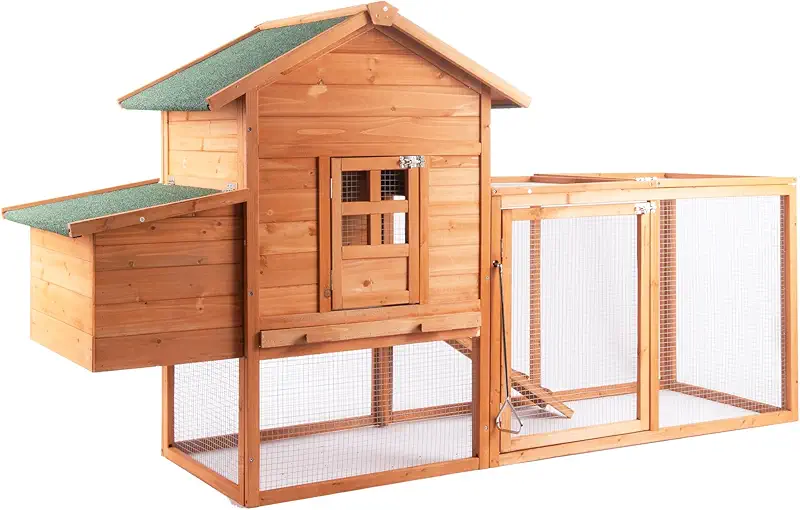


Some folks love a tall walk-in barn style coop, others like compact raised houses with a run underneath. As long as you hit the space, safety, and comfort notes, your hens don’t care if the trim matches the porch.
Daily life in a chicken coop 10 hens share
Let me walk you through a normal day on my farm with a flock of about ten layers. It’ll give you a feel for how the coop gets used, and what details really pay off.
Morning routine
I head out just after sunrise. The girls are already awake, lined up on the roosts like feathery commuters. I open the pop door to the run and they spill out, talking over each other like they’re comparing dreams.
In the coop I check:
- Feed level in the hanging feeder.
- Waterers (one inside, one in the run for ten hens).
- Litter on the floor and under roosts.
With a chicken coop 10 hens share, droppings build up fast under the roosts. I use either a “poop board” I can scrape every couple days or deep litter that I stir. A five-minute cleanup every morning beats an hour of nasty work once a month.
Afternoon and egg collection
Most of my hens lay before lunchtime. I prefer outside-access nest boxes so I don’t track mud inside as often. In a chicken coop 10 hens, you can easily see if somebody’s developed a habit of laying on the floor or in a corner.
If I spot that, I’ll:
- Make that corner less cozy (a bucket or crate there).
- Refresh the real nests with extra soft litter.
- Maybe add a fake egg to show them where to go.
Chickens aren’t geniuses, but they’re smart enough to follow a good example—especially if it looks like someone else’s favorite spot.
Evening lock-up
At dusk, the hens march back into the coop on their own. I just close the pop door, latch the main man-door, and take a quick look at the roosts. If anyone’s still on the floor, I gently place her up on the bar.
With a chicken coop 10 hens, it’s still small enough that you recognize each bird’s habits and can spot if somebody’s off her game—fluffed up, hanging back, or not eating. That’s another quiet benefit of keeping the flock at this size.
Feeding and watering ten hens
A chicken coop 10 hens live in needs room for a sensible feed and water setup. Too tight, and the bossy hens guard the feeder while the shy ones go hungry.
Feeders that cut down on waste
I like a hanging feeder at chest height for the hens. For ten, I either use one good-sized feeder or two smaller ones, depending on the coop layout.
- Keep feed dry and out of the path of rain blowing in.
- Don’t fill to the brim; they just scratch it out.
- Use a lip or design that makes it harder to bill feed onto the floor.
Every scoop of feed you’re raking out of the bedding is money tossed to the mice. Ask me how I know.
Water in every season
For ten hens, I like at least two water stations, especially in summer. One inside the coop and one out in the run keeps the peace and gives them options.
In winter, I use a heated base or a simple system I can swap out morning and afternoon. Dehydrated hens are stressed hens, and stressed hens stop laying.
Choosing a ready-made chicken coop 10 hens will fit in
Not everyone wants to spend weekends with a saw and tape measure, and that’s fine. There are plenty of prefabs that can work as a chicken coop 10 hens can use—if you watch the numbers and look past the paint.
When I help friends pick out a coop online, I ignore the marketing pictures and check four things:
- Real floor measurements: not “good for 12–15 chickens,” but actual length and width.
- Run size: is there enough room for ten hens to stretch, or will you add a bigger run later?
- Materials: decent wood, solid hardware cloth, a real roof—not cardboard disguised as roofing.
- Access for you: big enough doors to shovel, clean, and grab a hen without becoming a contortionist.
Many coops listed as “for 8–10 hens” are, in my opinion, more like “comfortable for 4–6.” If the numbers seem too generous, assume they are.
Here are more examples and styles a lot of backyard keepers start with when they’re setting up a chicken coop 10 hens can use:


Any of these kinds of layouts can work, as long as you stay honest about how many birds you keep in there. Starting with ten hens in mind and giving them the room they deserve will save you headaches, vet bills, and hard lessons later.
Chicken coop 10 hens – common questions
Is a small prefab really enough for a chicken coop 10 hens?
Sometimes, but not usually without help. Many small prefab units are cozy for 4–6 hens, even if the label says 10 or 12. For a true chicken coop 10 hens can live in, you’ll often need to:
- Add an extra run or extend the included one.
- Limit your flock size to match the real floor space.
- Reinforce the wood and hardware cloth for long-term use.
I treat the manufacturer’s capacity number as “maximum on a sunny brochure day,” not as how I’ll actually stock it.
How many nest boxes do I need for ten hens?
For a chicken coop 10 hens share, three nest boxes are usually plenty, four is generous. They prefer to lay where others have already laid. More boxes won’t really change that, but clean, comfortable boxes will.
Make sure the nests are lower than the roosts, partly shaded from bright light, and lined with dry, soft material.
Can I mix different breeds in one chicken coop 10 hens flock?
Yes, and I often do. Mixing breeds can be fun: different egg colors and personalities all in one coop. The important part is similar size and temperament. Tiny bantams with big, pushy hens in a tight coop is asking for trouble.
Give them enough space, and pecking order scuffles stay mild and short-lived.
What’s the easiest bedding for a chicken coop 10 hens?
I like pine shavings or chopped straw. They absorb moisture, don’t mat up too badly, and are easy to rake. For a chicken coop 10 hens use, I tend to:
- Spot clean under the roosts as needed.
- Stir the bedding weekly to keep it dry.
- Do a bigger clean-out a couple of times a year.
The “best” bedding is the one you can manage easily and keep dry. Wet bedding is where smells and health problems start.
How often should I clean a chicken coop 10 hens live in?
With ten hens, I like a simple rhythm:
- Daily or every other day: quick scrape under roosts, check water and feed.
- Weekly: stir or top up bedding, wipe obvious messes.
- Seasonally: big clean-out, inspect for wear, repaint or reseal if needed.
A few minutes often is far easier than waiting until the coop smells like the back of a barn truck.
If you’re dreaming about that first morning basket of warm eggs, you’re already halfway there. The right chicken coop 10 hens can share peacefully will do the rest, day after day.
Let me see more coops