
Chicken coop 12 chicken capacity
Chicken Coop 12 Chicken Capacity might sound like just a number on a box, but for a farmer like me it means a small, well‑run flock, good eggs, and birds that stay healthy through snow, rain, and hot summers. Let me walk you through what really matters when you choose a coop for a dozen hens.
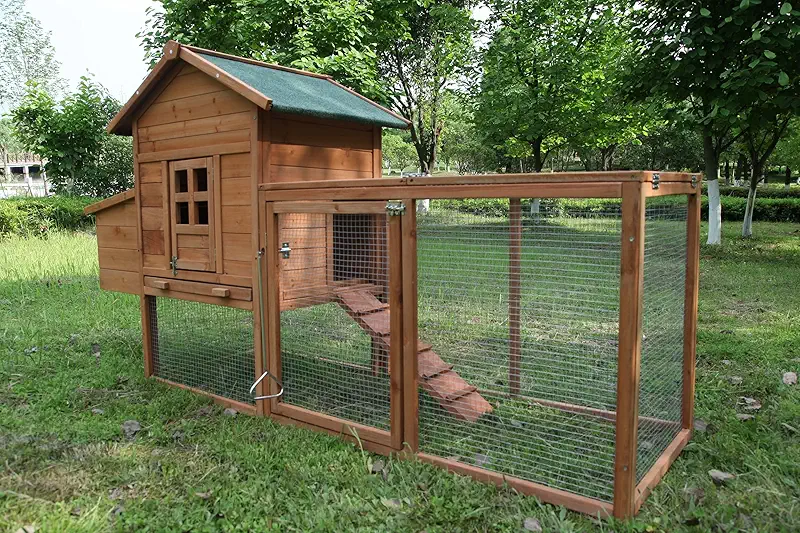
What a good 12‑hen coop should give you
- Enough floor and roost space so hens don’t bully each other.
- Dry, draft‑free shelter for tough winters and hot summers.
- Nesting boxes that keep eggs clean and easy to reach.
- Sturdy doors and latches to keep raccoons, dogs, and hawks out.
- Easy cleaning, because chores should take minutes, not hours.
How much space do 12 hens really need?
I’ve raised laying hens here in the States for more years than I care to count. One thing that never changes: cramped birds mean trouble. With any chicken coop 12 chicken capacity, I like to see around 4 square feet of indoor floor space per bird if they also have an outside run.
For 12 hens, that means about 48 square feet inside as a comfortable target. That could be a coop around 6x8 feet. Some prefab coops will advertise “12 chickens” but only give you enough space for 6 polite hens who sign a peace treaty every morning. Chickens aren’t that polite.
Space matters for three big reasons:
- Pecking and bullying: When birds are crowded, the bossy hens get mean. You’ll see bare backs, bloody combs, and stressed birds.
- Air quality: More birds in a small space means more moisture and more ammonia from droppings. That leads to breathing problems and frostbite in winter.
- Egg production: Stressed hens don’t lay steady. Give them room and they’ll thank you with a basket of eggs.
Now, you can push it a little tighter if your hens free‑range most of the day and only sleep in the coop. On my farm, when the weather’s good, the flock barely uses the indoor space except at night and during storms. But I still size the coop like they might be stuck inside for a week of bad weather, because sooner or later, that week always comes.
I still remember one February storm when my 12 hens stayed inside for 6 straight days. If I had believed the “up to 15 chickens!” sign on the box, those birds would’ve been miserable. Instead, they just grumbled at me and ate more feed than usual.
Roosts, nesting boxes, and layout for a dozen hens
A chicken coop 12 chicken capacity isn’t just four walls and a roof. It’s how the inside is laid out that makes chores easy and hens content.
Roosting bars: bedroom for your flock
Chickens like to sleep up off the floor. For 12 hens, I aim for 8–10 inches of roost space per bird. That’s roughly 8–10 feet of total roost bar, though I prefer to break it into two or three bars at the same height.
Keep roosts higher than the nesting boxes, or you’ll find hens sleeping (and pooping) where you want clean eggs. And don’t stack roosts like a ladder, or the birds on top will decorate the birds below, and that never ends well.
Nesting boxes: where the magic happens
For 12 hens, 3 or 4 nesting boxes are plenty. They all pick a favorite box and take turns anyway. It’s like Sunday church parking. One hen lays, hops out, the next one hops in, and so on.
What I look for in nests:
- Dark and cozy, not in a bright, noisy corner.
- Easy to reach from outside, so I don’t climb into the coop with muddy boots.
- A small lip on the front so bedding and eggs don’t roll out.
Good internal layout makes chores faster
When I walk into a coop designed for 12 hens, I like to see a clear path to:
- Feed and water spots that aren’t under roosts (no droppings from above).
- Nesting boxes I can reach without ducking and crawling.
- Doors that open wide enough for a shovel or wheelbarrow.
Think about how you move. You’ll be in and out of that coop hundreds of times a year. The time saved with a smart layout is time you can spend drinking coffee and watching hens instead of wrestling a manure fork.
Ventilation, weather, and keeping 12 hens comfortable
Folks worry about cold, but for a coop built for 12 laying hens, I worry more about moisture and heat. Chickens handle cold better than damp air and drafts.
When you look at any chicken coop 12 chicken capacity, keep an eye out for:
- High vents or windows along the top of the walls, letting warm, moist air escape.
- Intake openings above bird level, so fresh air comes in without blasting directly on the hens.
- Roof overhangs or covered vents that let air move without letting rain and snow blow inside.
Here in the U.S., I’ve seen coops get wet just from hen breath and droppings on a cold night. That moisture settles on combs and wattles and then freezes. That’s when you get frostbite. Good ventilation clears that out.
On the summer side, twelve hens in a small coop can turn it into an oven. I like coops with windows I can open, shaded by a roof or tree, and a run with at least one solid roof panel where the birds can hide from the midday sun.
Predator protection for a 12‑hen coop
Nothing ruins your day faster than walking out at sunrise and finding feathers everywhere. A chicken coop 12 chicken capacity is a sweet‑sized meal for almost every predator in the countryside: raccoons, foxes, coyotes, neighborhood dogs, even weasels and rats.
Wire matters more than you think
Look for ½‑inch hardware cloth on windows and runs, not just thin chicken wire. Chicken wire keeps chickens in; it doesn’t keep hungry critters out. I’ve seen raccoons pull birds right through wider wire.
Doors and latches
I joke that raccoons are nature’s little burglars. They can open simple hook latches like they’re reading instructions. That’s why I like:
- Pad‑lockable hasps or carabiner clips on main doors.
- Solid, snug‑fitting pop doors (the small door the hens use).
- Strong hinges with long screws that bite into solid wood.
Floor and ground protection
If your coop for 12 hens sits directly on the ground, think about what can dig. Plenty of critters are happy to go under instead of through.
- For runs, I like hardware cloth buried or laid outward around the edges like a skirt.
- For coops, solid wood floors or thick, raised bases beat bare dirt in most areas.
I lost my first batch of pullets years ago to a weasel that squeezed through a knot hole in an old barn. After that, I stopped trusting “good enough” and started looking at coops like a determined thief would.
Why a 12‑hen coop is a sweet spot for backyard flocks
There are all kinds of flock sizes, but a chicken coop 12 chicken capacity hits a nice balance for most families and small homesteads.
Here’s why 12 birds work so well in my world:
- Eggs for the household and a little extra: With 12 good layers, you’ll often get 8–10 eggs a day in their prime. That’s breakfast, baking, and a few dozen to hand to neighbors.
- Manageable chores: Cleaning a coop for 12 is still a small job. You’re not shoveling like you’re working a big commercial barn.
- Stable flock dynamics: With a dozen hens, pecking order settles in and stays mostly peaceful, especially with enough space.
It’s enough birds to justify a proper coop and run, but not so many that you feel chained to the feed bin morning and night.
Most prefab coops labeled for “10–12 hens” will work fine if you treat that number as the upper limit and your birds have access to a run or yard. If the label screams “up to 20 chickens!” but the footprint looks small on the photos, I take that with a whole shaker of salt.
Comparing different 12‑chicken coops
When I look at options for a chicken coop 12 chicken capacity, I’m not dazzled by the paint color. I look for what will still be standing straight after a couple of winters and a few playful kids hanging on the door.
Here are a few styles you’ll usually see when you check out coops sized for about a dozen hens:
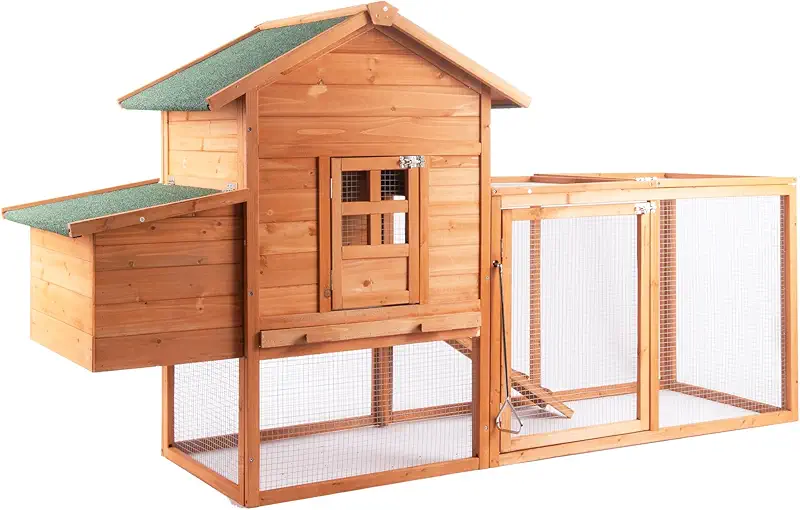


Walk‑in coops
These let you stand inside, which my back appreciates more every year. For 12 hens, a small walk‑in coop is often the easiest to care for because you can step in, rake, refill, and step out without crawling around on your knees.
Coop‑and‑run combos
Many kits include a small elevated house with an attached run. These can work fine for a dozen birds if:
- The run is large enough, or you plan to extend it or free‑range.
- The house section has enough roost and floor space.
- The roof gives both the house and at least part of the run solid cover from rain and snow.
Mobile tractors
Some folks like to move their birds around the yard. A 12‑hen tractor is possible, but it needs to be sturdy. I’ve dragged more than one flimsy tractor that felt like it might fold in half if I hit a bump.
If I were picking for someone new to chickens, I’d point them toward a simple walk‑in style or a stout coop‑and‑run combo. Easy to clean, easy to understand, and hard to mess up.
Show me solid optionsDaily life with 12 hens: feed, bedding, and cleaning
Having a good chicken coop 12 chicken capacity isn’t just about the structure; it’s about how it fits into your daily routine. A coop that fights you every morning will end up neglected. A coop that works with you stays tidy and healthy.
Feeding and watering
For 12 hens, I like feeders and waterers that hold at least a couple days’ worth, but I still check them daily. Mount them so the lip sits at about back‑height on a grown hen. That keeps them from kicking as much bedding into it.
Bedding and cleaning
I’ve used straw, wood shavings, and even dried leaves in a pinch. For a dozen hens, a good layer of dry bedding on the floor soaks up droppings and makes cleanout easy.
- Spot clean under the roosts every day or two.
- Stir bedding once a week to keep things dry.
- Full cleanout every month or two, depending on your climate and flock.
If your coop has doors that open wide and a floor you can scrape, cleaning 12 hens’ worth of mess is a 15‑minute job, not an afternoon project.


My simple checklist for a chicken coop 12 chicken capacity
Whenever a neighbor asks me to look at a coop they’re thinking about for a dozen hens, I run through the same mental list. You can use it too when you look at different models.
- Space: Around 48 square feet indoors, with extra run space outside.
- Roosts: At least 8–10 feet of total roost bar, all higher than the nests.
- Nests: 3–4 boxes, easy to reach for egg collection.
- Ventilation: High vents or windows that can be open without soaking the birds.
- Predator‑proofing: Hardware cloth, solid latches, secure floor or dig‑proof apron.
- Cleaning access: Doors wide enough for you and your tools, not just the chickens.
- Weather sense: Roof and walls that handle your local winters, rains, and summers.
If a coop checks these boxes, I don’t care if it’s fancy or plain. Your hens care about safety, dryness, and a steady routine, not matching trim and cute paint.


FAQ about coops for 12 chickens
It can be, if the numbers are honest. You’re looking for around 4 square feet per bird inside plus a decent run. Many products stretch their capacity claims. If the footprint is small, treat “12” as more of a wish than a promise. I always plan like the birds will be inside for a week of bad weather, not just for sleep.
Three or four nesting boxes are plenty for a dozen hens. They tend to share their favorites anyway. What matters more is that the boxes are quiet, a bit dark, and easy for you to reach so you’re not crawling into the coop every morning.
If your birds are outside all day, you can get by with a slightly smaller coop, but don’t push it too far. Storms, snow, or predators can keep them inside longer than you expect. I still recommend sizing the coop as if they’ll be stuck indoors for several days each season.
I like pine shavings for most situations—affordable, absorbent, and easy to clean. Straw works too if you stay on top of moisture. For 12 hens, a deep, dry layer and regular stirring will keep things smelling fine and make cleanout much easier.
You don’t need it, but it can be handy. A small light on a timer helps with chores on dark mornings. In freezing climates, some folks use a safe heated waterer so their drinkers don’t turn into chicken popsicles. If you do run power, do it safely, just like you would in a shed or garage.
If you’re ready to see what’s out there for a chicken coop 12 chicken capacity, take a slow look through the different styles, pictures, and details. Picture your hens in there on the hottest day, coldest night, and muddiest week of spring.
I’ll explore all coops