
What I learned raising a dozen hard‑working hens on a small American farm.
Chicken coop 12 chickens
When folks ask me how big a coop they need, I always smile and say, “Well, how much do you like quiet mornings?” With twelve hens, the right chicken coop makes the difference between peaceful coffee and a feathered mutiny at sunrise. A good chicken coop 12 chickens can keep birds safe, dry, and laying steady, even when the weather and the predators don’t play nice.
I’ve been raising layers for more years than I care to count, and I’ve made just about every mistake one can make with coops. Overcrowded birds, damp corners, nests in all the wrong places… I’ve seen it. In this guide I’ll walk you through how I’d plan and set up a coop for twelve hens today, if I was starting fresh, using simple, practical farmer sense.
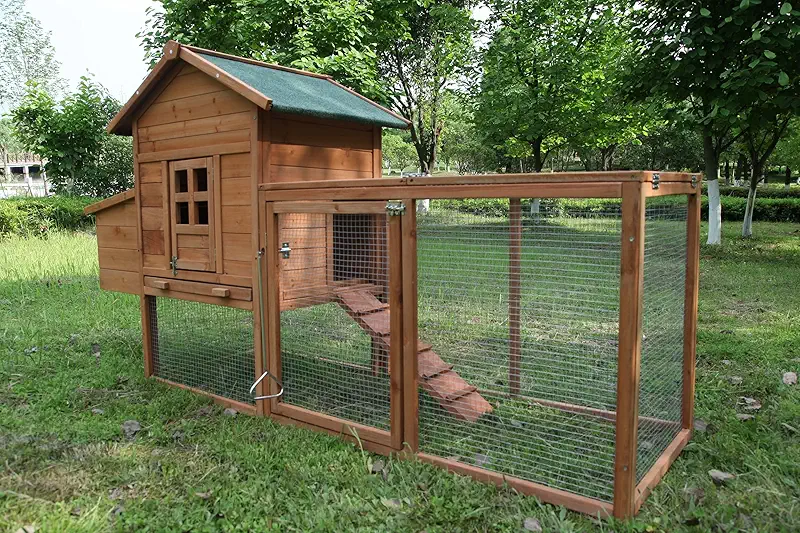
How much space does a chicken coop 12 chickens really need?
Let’s start with the big question: space. Around here, I like to give my layers more room than the charts say. Crowded hens bicker, peck, and go off laying. Comfortable hens lay like clockwork and hardly fuss at all.
For a chicken coop 12 chickens will share, I’d aim for:
- Indoor coop space: at least 48–60 square feet (4–5 sq ft per bird)
- Outdoor run space: at least 120 square feet (10 sq ft per bird), more if you can
- Headroom: tall enough for you to stand or at least work comfortably
Years back, I tried stuffing ten birds into a little shed that would have done better as a tool closet. Eggs dropped, tempers rose, and one hen started pecking the others’ tails. The day I added a few extra square feet and a bigger run, it was like someone flipped the “calm” switch back on.
If you’re on the fence about coop size, go one size larger than you think you need. Chickens have a way of multiplying, and extra space is cheaper than building a second coop later.
Nesting boxes and roosts for twelve hens
Nesting boxes and roosts are where most new chicken keepers either overbuild or underbuild. A good chicken coop 12 chickens doesn’t need a dozen nest boxes. Hens share like kids sharing the “good” chair in the living room.
Nesting boxes
Here’s what’s worked best for me:
- Number of boxes: 4–5 nest boxes for 12 hens is plenty
- Size: about 12" wide × 12" deep × 12" high
- Height: 18–24" off the floor, lower than the roosts
- Fill: dry pine shavings or straw, topped up often
I once built a coop with eight nest boxes for ten hens, thinking I was a real gentleman farmer. Most days, all ten hens lined up for the same two boxes. One old Rhode Island Red even waited in line, grumbling, instead of using the empty box right next door.
Roost bars
Roosts are where your birds sleep, and that’s prime real estate. For twelve hens, you’ll want:
- Perch space: at least 8–10" of roost per bird
- Total length: 8–10 feet of roosting bar
- Height: 24–36" off the floor, higher than the nests
- Material: 2×2 or 2×4 with the edges rounded
Flat side up on a 2×4 keeps their toes warmer in winter, because they can sit on their own feet. Chickens don’t read design magazines, but they sure appreciate warm toes.
Designing a safe and sturdy chicken coop for 12 chickens
A chicken coop 12 chickens can attract twelve predators too, if you’re not careful. Raccoons, foxes, hawks, stray dogs—you name it, they’ve all tried their luck on my place. Over the years, I’ve learned not to skimp on safety.
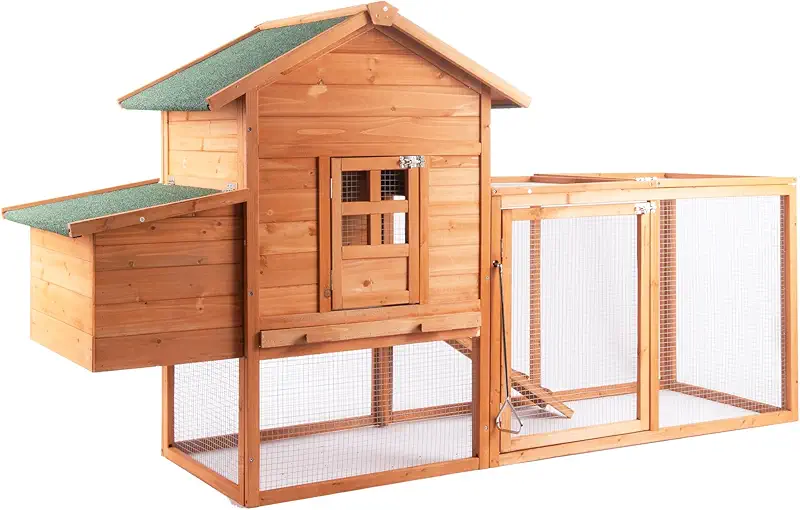

Predator‑proofing the coop
Think of raccoons as little burglars with fur and clever hands. If they can pull, pry, or dig, they will. Here’s what I insist on for any chicken coop I trust with a dozen hens:
- Wire: 1/2" hardware cloth, not flimsy chicken wire
- Buried skirt: wire apron 12–18" into the ground or bent outwards
- Locks: latches that require at least two motions to open
- Solid floor or strong wire: to stop digging predators and rats
I lost my first little flock to a raccoon that figured out a simple hook‑and‑eye latch. That was the last time I underestimated them. These days, if I can open it in one sleepy motion in the dark, I assume a raccoon can too.
Ventilation without drafts
Twelve hens put out a lot of moisture and ammonia. If the air doesn’t move, their lungs suffer and your coop smells like something crawled in and never left. A well‑planned chicken coop 12 chickens will have:
- Vents high up near the roof line, above roost level
- Intake on one side, exhaust on the other, for cross‑ventilation
- All openings covered with hardware cloth
In winter, I keep vents open but block direct drafts across the birds. Think of it like your house windows: fresh air without the wind blowing across your pillow at night.
Flooring, bedding, and cleaning routine
When you’ve got a chicken coop 12 chickens full of layers, the floor tells you everything. Dry bedding, light smell, clean feet—good. Sticky, damp, and strong ammonia—time to change something.


Best floors for a small flock
I’ve tried dirt, wood, and concrete floors. For twelve hens, my preference these days is:
- Solid floor: wood or concrete, easy to rake and scrape
- Thick bedding: 3–6" of pine shavings or straw
- Easy access: big clean‑out door you can fit a shovel through
Dirt floors are fine if you’ve got deep bedding and serious predator protection, but I sleep easier with something a raccoon can’t dig under overnight.
Cleaning schedule that actually works
With twelve hens in a coop, here’s the rhythm I’ve settled into:
- Every morning: quick glance, pick out any wet spots
- Once a week: scrape droppings under the roost, fluff bedding
- Every 1–3 months: full clean‑out, fresh bedding, light dusting of DE if needed
I used to wait “until the weekend” to clean. The weekend never came, and I paid for it with respiratory issues in one batch of pullets. Now I treat it like brushing my teeth—do a little every day and you avoid big problems.
Feeders, waterers, and daily flow in a chicken coop 12 chickens
If you want calm hens and steady eggs, make feeding and watering as smooth as a Sunday stroll. A good chicken coop 12 chickens setup lets every bird eat and drink without a daily rodeo.


Feeders
For a flock this size, I prefer:
- One long trough feeder or two hanging feeders
- Feeders placed at back height, so they don’t scratch bedding in
- Enough edge space so timid hens can eat too
If the boss hens can guard the whole feeder at once, the design’s wrong. I learned that the hard way when one big Barred Rock ran off two smaller pullets for a full week. A second feeder fixed that in a day.
Waterers
Water is where a lot of backyard coops fall down. Twelve hens can empty a small waterer in hot weather faster than you’d think. I like:
- At least 2–3 gallons of water available at all times
- One water point in the run, one inside if winters are harsh
- Raised base or hanging waterer to keep bedding out
I tell beginners: check water levels every time you walk by. It’s a small habit that’s prevented more problems on my farm than any fancy supplement ever did.
In the morning, I open the coop, check water, Quick look at the girls’ behavior, and collect any early eggs. In the evening, I refill feeders if needed, count heads on the roosts, and latch up the coop tight. Two short visits a day, and everything stays steady.
Planning the outdoor run for a chicken coop 12 chickens
Birds locked inside too much turn sour, just like people. A chicken coop 12 chickens really shines when the run is planned well. Sun, shade, dry footing, and room to scratch make a world of difference.

Run size and layout
For twelve layers, I’d call 120 square feet of run space a bare minimum, and 200+ square feet downright pleasant. I like long, narrow runs better than little square pens—they give the birds more “road” to travel.
If you can, include:
- Both sunny and shady spots
- Dry areas with gravel or wood chips near the door
- A covered corner to keep feed and dust baths dry in rain
Dust baths and boredom busters
Chickens don’t just bathe in dust because it’s fun—though it sure looks like they enjoy it. Dust baths help control mites and keep feathers in good shape. With a flock of twelve, I like to set out a low box or framed‑in area filled with:
- Dry soil
- Some sand
- A scoop of wood ash when I have it
Tossing in a cabbage head on a string or a flake of hay now and then keeps them busy and less likely to pick on each other. Chickens are like some folks I know—if they’re bored, they start gossiping and pecking.
FAQ: Chicken coop 12 chickens
1. How many nest boxes do I need for a chicken coop 12 chickens?
You only need 4–5 nest boxes for twelve hens. They naturally share and often prefer the same few boxes anyway. Focus on making the boxes cozy, dark, and quiet rather than building one for every bird. I’ve had days where eight hens all used the same two boxes and still laid just fine.
2. How big should the run be for twelve hens?
Aim for at least 10 square feet per hen in the run, so 120 square feet minimum for a chicken coop 12 chickens will use. If you’ve got the room, more is better. Extra space means less mud, fewer fights, and happier birds. When I doubled the run on my first coop, the feather‑picking stopped in about a week.
3. Can I mix different breeds in one chicken coop for 12 chickens?
Yes, you can mix breeds in the same coop, and I often do. Just try to keep bird sizes similar so big heavy breeds don’t bully tiny bantams. Different breeds in one chicken coop 12 chickens can even help you tell who’s laying which eggs by shell color and size. Variety keeps the flock—and the egg basket—more interesting.
4. What’s the best floor for a chicken coop 12 chickens in a wet climate?
In a wet climate, I lean toward a raised wooden floor or concrete with good drainage, covered in plenty of dry bedding. Dirt floors can turn into a soggy mess unless the coop is on very high ground. A solid floor under a chicken coop 12 chickens will make cleaning easier and keep your birds’ feet dry, which matters a lot in cold, damp weather.
5. Do I really need hardware cloth, or is chicken wire enough?
For walls and windows, I always choose hardware cloth, not chicken wire. Chicken wire is made to keep chickens in, not predators out. A determined raccoon or dog can rip through chicken wire faster than you’d think. On any chicken coop 12 chickens are sleeping in, I use 1/2" hardware cloth on vents and openings, and save chicken wire only for light interior dividers if I use it at all.
If you’re ready to give your flock a safe, comfortable home, take a slow look through the different coop styles available and picture where they’d sit on your land. Let the birds, the weather, and your daily routine guide you—then choose the coop that fits your life, not just your lawn.
Show me all coops