
When folks ask me about the right chicken coop 4-6 chickens, I always smile. That’s the sweet spot. Big enough for a steady basket of eggs, small enough that chores don’t eat your whole day. I’ve had tiny backyard coops and big barn setups, and I’ll tell you, four to six good hens can feed a family just fine if you treat them right.
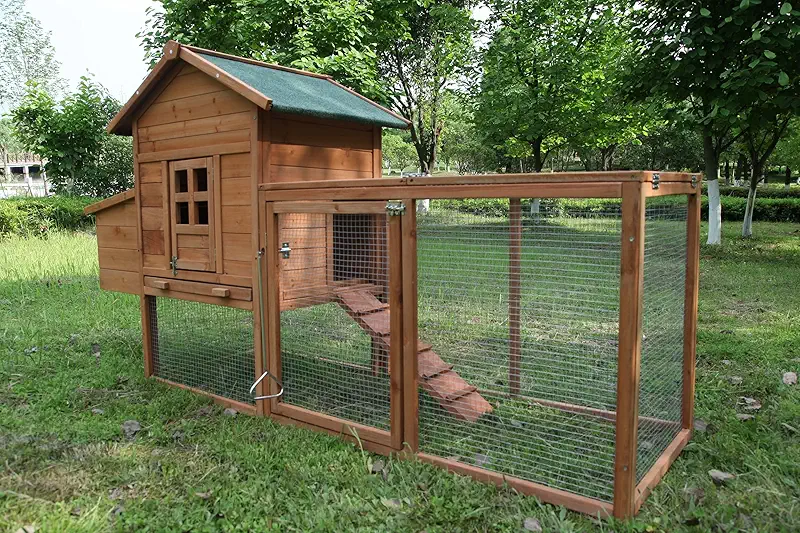
Before we dive deep, let me share a quick story. Years ago, I tried to “save space” with a coop that looked cute in the catalog but turned into a headache in real life. The hens were cramped, feathers were flying, and egg production dropped. My old neighbor Earl looked over the fence and said, “You didn’t build a coop, you built a chicken apartment complex on rush hour.” He was right. I learned the hard way so you don’t have to.
How much space does a chicken coop 4-6 chickens really need?
For a chicken coop 4-6 chickens, I like to plan for comfort, not bare minimums. You’ll hear a lot of numbers, but here’s what has worked steady for me:
| Area | Comfort guideline | Why it matters |
|---|---|---|
| Inside coop floor | 4 sq ft per hen | Prevents pecking and stress, especially in bad weather. |
| Outdoor run | 8–10 sq ft per hen | Room to scratch, dust-bathe, and stay busy. |
| Roosting bar | 8–10 in per hen | They like to sleep off the ground, shoulder to shoulder. |
| Nesting boxes | 1 box per 3 hens | Enough for everyone without wasting space. |
For four hens, you’re looking at around 16 square feet inside the coop. For six hens, closer to 24 square feet is comfortable. If your winters are long or you’ll keep them inside more, add a little extra. Chickens stuck inside too tight get bored, and a bored hen is like a bored teenager: she’ll find trouble.
If you’re unsure between a smaller and a slightly bigger chicken coop 4-6 chickens, choose the bigger one you can reasonably maintain. Space you’ll always be glad you have.
Key features I look for in a chicken coop 4-6 chickens
I’ve bought, built, and patched up more coops than I care to admit. When I scan a new coop, I run through a mental checklist. You can use the same one when you look through options.
- Solid floor and raised base: keeps drafts and dampness off the hens.
- Predator-proof wire: ½ inch hardware cloth, not flimsy chicken wire.
- Good ventilation: small vents high up, without putting hens in a draft.
- Easy-to-clean design: big access doors, removable trays if possible.
- Sturdy roof: handles rain, snow, and the occasional falling branch.
- Secure latches: raccoon-proof, not just “kid-proof.”
One fall, I skimped on latches. Just cheap little hook-and-eye jobs. First night a smart raccoon slid one open like he’d done it a hundred times. Lost a good hen I’d raised from a chick. Since then, if I wouldn’t trust the latch on a toolbox full of cash, I don’t trust it on my coop.
Roosts and nesting boxes: the “bedroom” of your coop
Think of the inside of your chicken coop 4-6 chickens like a little bunkhouse. Hens want a safe place to sleep and a quiet corner to lay.
Roosting bars
For 4‑6 hens, I like one main roost bar, about 2–4 inches wide, with rounded edges. A 2×2 or 2×3 board turned flat works better than a skinny dowel. Gives their feet a good grip. Place the roost higher than the nesting boxes so they don’t sleep in the boxes and dirty them.
Nesting boxes
Two good boxes are enough for six hens. They’ll all argue over the same favorite box anyway— hens love to line up and wait for the “good spot,” even when the next box over is empty.
- Size: around 12" x 12" x 12".
- Height: a little off the floor, but lower than the roost.
- Filling: straw, shavings, or chopped hay about 2–3 inches deep.

If your coop has outside-access nesting boxes with a lid, that’s a real back-saver. On cold mornings, it’s nice to lift one lid, gather eggs, and be back inside before your coffee cools off.
Ventilation, warmth, and weather protection
Hens handle cold better than dampness. The trick with a chicken coop 4-6 chickens is to let bad air out without freezing the hens.
- High vents: openings up near the roofline let moist air rise and escape.
- No direct drafts: don’t put vents right at perch height. Cold air blowing over their backs leads to sick birds.
- Dry floor: slope or design so water can’t collect underneath.

I’m up in a place where winter likes to test your character. I don’t heat my coops, but I do block harsh winds, use deep bedding, and keep water from freezing. The hens puff up like little feathered footballs and do just fine. Wet, drafty birds, though, won’t fare well.
Predator protection for a chicken coop 4-6 chickens
No matter where you live, something out there looks at your hens like a lunch special. Dogs, raccoons, foxes, hawks, weasels—seen them all. A good chicken coop 4-6 chickens keeps your flock in and everything else out.
- Use ½" hardware cloth on windows, vents, and run—not just thin chicken wire.
- Bury wire skirt or apron 8–12" deep or lay it flat around the run to stop diggers.
- Secure doors with two-step latches; raccoons have clever little hands.
- Close the coop door every night. Don’t trust “they’ll be fine just this once.”

Once, I got lazy about closing the door because “I’d never seen predators around.” Turned out they’d seen me. Lost two birds in one night. Now, locking the coop is as routine as brushing my teeth.
Daily care: living with a chicken coop 4-6 chickens
Four to six hens won’t take over your life, but they do need steady, simple care. With the right coop layout, chores become quick little moments instead of a burden.
My typical daily routine
- Early morning: open the coop, check water, top off feed.
- Midday or evening: collect eggs, quick look at each hen.
- At dusk: close and latch the coop door, glance over the run.
A well-designed chicken coop 4-6 chickens makes all that easy: doors that open wide, feeder space, water set so you’re not bumping your head or crouching in the mud.

I like the “little and often” approach: a quick tidy every few days and a deeper clean every month or so. It keeps smells down and flies uninterested, and it keeps me from facing a mountain of mess.
Choosing the right spot for your coop
A great chicken coop 4-6 chickens can still be a headache if you park it in the wrong place. Hens don’t complain much, but they do better with:
- Morning sun, afternoon shade if possible.
- High, dry ground so you’re not slogging through mud after every rain.
- Close enough to the house that you’ll check on them, even in bad weather.
- A bit of windbreak from trees, fences, or buildings.

I keep one coop close enough that I can see it from my kitchen window. I like knowing, with one glance, that everything’s where it should be: hens scratching, door closed, no surprises.
Breed choices and temperaments for a 4-6 hen flock
A chicken coop 4-6 chickens is perfect for mixing a couple of breeds if you want variety. I usually tell new keepers to start with calm, dependable layers.
- Rhode Island Reds: tough, good layers, a little sassy.
- Buff Orpingtons: big, gentle, “golden retrievers” of the flock.
- Plymouth Rocks: friendly, hardy, steady eggs.
- Australorps: great layers, handle heat and cold well.
Four to six hens from these breeds can easily give you a dozen to two dozen eggs a week, depending on season and feed. Enough to keep you, the neighbors, and the occasional weekend pancake party happy.

When a pre-built coop makes sense
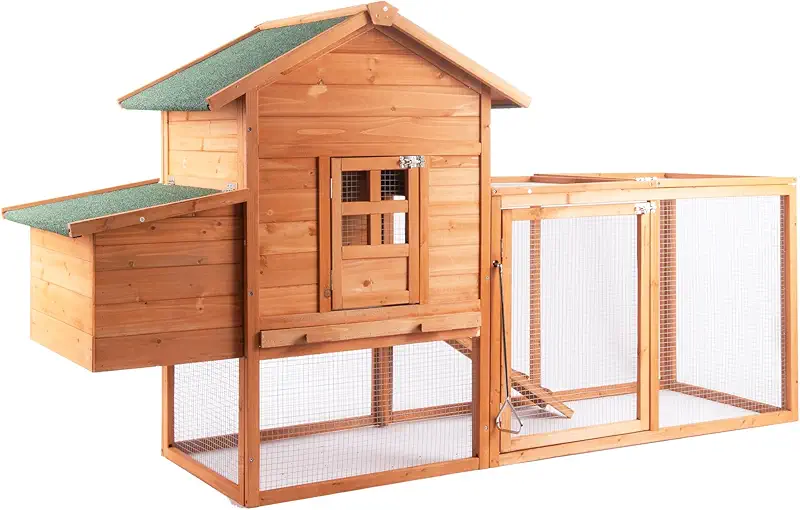
I’ve built coops from scrap wood, and I’ve brought home ready-made ones. Both have their place. If your time is tight or carpentry isn’t your idea of fun, there’s nothing wrong with choosing a solid pre-built chicken coop 4-6 chickens and personalizing it.
I like to look for:
- A run sized properly for 4‑6 hens.
- Roof over the whole run or at least part of it.
- Side doors for easy cleaning.
- Nesting boxes with outside access.
- Room underneath the coop for shade and extra scratching.
Once it’s set up, I’ll often add a few touches: extra hooks for feeders, a dust bath area, maybe a little windbreak panel where winter hits hardest. A store-bought coop plus a few farmer tweaks can serve birds well for years.