
Chicken coop 6-8 chickens
Chicken Coop 6-8 Chickens
I’ve been raising hens long enough to know this: if your coop is wrong, nothing on the farm feels right. When the size fits, the air smells fresh, and the birds feel safe, those eggs come steady as the sunrise.
Here’s a down-to-earth guide to choosing a chicken coop 6-8 chickens that keeps your flock happy, healthy, and laying strong.
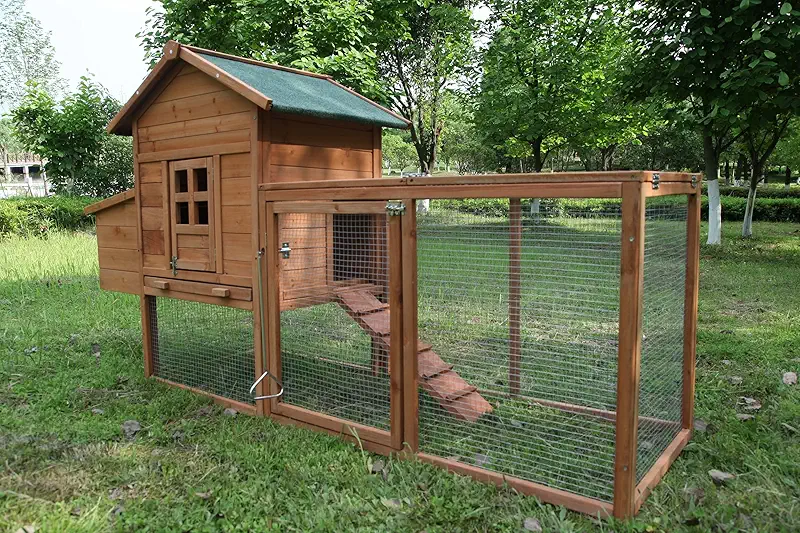
How much space does a chicken coop 6-8 chickens really need?
Folks argue about square feet the way old farmers argue about weather forecasts. But I’ll tell you what has worked on my place year after year.
For a chicken coop 6-8 chickens, I like to see:
- Indoor coop space: at least 4 square feet per bird if they get outdoor time every day.
- Run space: bare minimum 10 square feet per bird, more if you’ve got the room.
- Roost space: about 8–10 inches of perch per hen.
- Nest boxes: 1 box for every 3–4 hens (so 2–3 boxes for 6–8 birds).
Could they “survive” with less? Maybe. But I don’t want birds that just survive. I want them calm, glossy, and giving me eggs without a fuss. When the coop is big enough, they pick fewer fights, stay cleaner, and handle hot and cold weather much better.
If I walk into the coop and feel cramped, it’s too small. If I can bend, turn, and clean without cussing, the hens will be comfortable too.
Key features I look for in a chicken coop 6-8 chickens
When I look at a new coop, I don’t care much about fancy trim or cute windows. I care about how it works at 5 a.m. in January when I’m half awake, wearing muddy boots, and trying not to spill the feed bucket.
1. Strong structure and smart materials
First thing: is this coop going to outlast a couple of hard winters and a few clumsy wheelbarrow bumps? I check:
- Frame: sturdy lumber or solid metal, not wobbly, no shaking when you push the side.
- Roof: sloped so rain and snow slide off, no flat tops that hold water.
- Floor: raised off the ground if possible, to keep things dry and discourage rats.
- Hardware cloth: real 1/2" metal mesh, not chicken wire on predator areas.
My first coop was cheap and pretty. It also rotted in two years and leaned like it had been drinking. I spent more time fixing it than enjoying my birds. Never again.
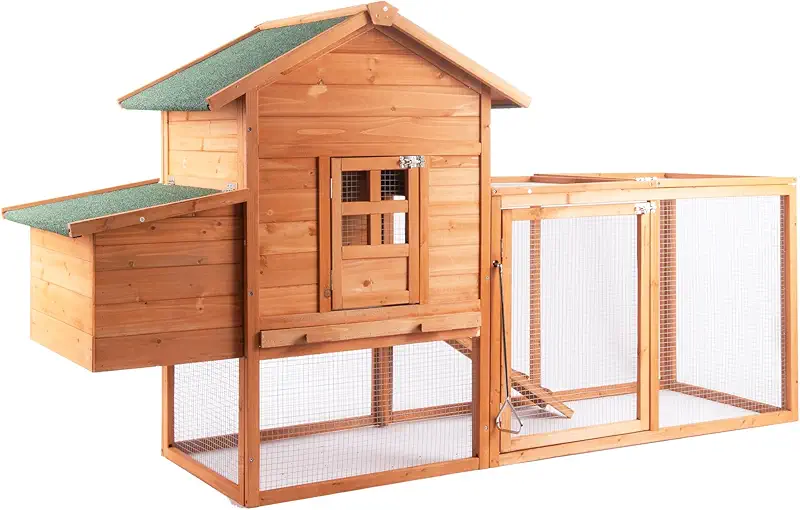

2. Ventilation without drafts
Chickens handle cold better than damp, stale air. A good chicken coop 6-8 chickens breathes like a barn, not like a sealed plastic box.
- Vents high up under the roof line to let moist air escape.
- Windows or openings that can be screened with hardware cloth.
- Fresh air flow above the birds’ heads, not blowing straight onto the roosts.
On my farm, I’d rather add an extra bale of straw in January than shut every crack and have frostbit combs from damp air and ammonia.
3. A run that keeps everybody where they belong
The run is where your hens spend most of their day scratching, dust-bathing, and gossiping about you. For 6–8 birds, look for:
- Secure, tall sides (I like at least 5–6 feet if possible).
- Roof or netting over the top if you’ve got hawks or flighty breeds.
- Solid gate with a latch you can work with gloves on.
- Dry spots for dust baths and shady spots for the heat of the day.
My birds know every inch of their run. If I change something, they notice. Give them room to roam and they’ll reward you with calmer behavior and better egg production.
Nest boxes and roosts: comfort is egg-shaped
A chicken coop 6-8 chickens really shines or fails when you look at how the nests and roosts are set up. This is where your hens spend their nights and lay your breakfast.
Getting nest boxes right
Most of my girls will all lay in the same two favorite nests, even if I give them five. Still, having enough boxes cuts down on traffic jams and cracked eggs.
- 2–3 boxes for a flock of 6–8 hens.
- Each box roughly 12" x 12" x 12".
- Placed lower than the roosts to keep them from sleeping in there.
- Filled with dry bedding: straw, shavings, or chopped hay.
I like nest boxes I can reach without crawling on my knees. External access doors are a blessing on wet mornings when I just want to grab the eggs and get back to coffee.
Roosts that feel natural
Chickens are tree birds at heart. When the sun starts to drop, they want to climb up and sleep off the ground. Good roosts in a chicken coop 6–8 chickens should:
- Be higher than the nest boxes.
- Use 2" x 3" lumber laid flat (wide side up) or rounded thick branches.
- Offer at least 8–10 inches of linear space per hen.
- Be placed far enough from the wall so tails aren’t rubbing.
I’ve noticed that when my roosts are comfortable and level, the birds settle quicker at night, and I don’t hear as much evening squabbling.


Predator protection for a chicken coop 6-8 chickens
Where I live, everything with teeth seems to like chicken: raccoons, foxes, hawks, stray dogs, you name it. So I treat a chicken coop 6-8 chickens like a little fortress.
What I insist on
- Real hardware cloth over windows, vents, and weak spots.
- Buried or skirted wire around the run so diggers can’t tunnel in easily.
- Solid latches that a raccoon can’t open with little “hands.”
- Snug doors with no big gaps at the bottom.
One summer I got lazy and didn’t lock the pop door just one night. Lost three birds to a raccoon before dawn. These days, I treat that evening check like locking the front door of the house.
Every evening, I walk to the coop, count heads on the roost, shut and latch the pop door and run gate, and do a quick look for anything “off.” Takes two minutes, saves a lot of heartache.


Daily life with a chicken coop 6-8 chickens
When you look at a coop online, you see the pretty side. What you really need to imagine is the muddy-boot, cold-hands, wrong-side-of-6-a.m. side.
Cleaning and access
A coop that’s hard to clean will end up dirty. A dirty coop ends with sick birds, smelly mornings, and you wondering why you ever wanted eggs in the first place.
Good coops for 6–8 birds usually have:
- Big access doors so you can reach every corner.
- Removable trays or floors under the roosts.
- Simple, smooth surfaces inside that don’t trap muck.
- Room to step inside if you need to catch a hen.
I like to do a quick clean weekly and a deeper clean when the season changes. Takes less time than brewing a second pot of coffee if the coop is set up right.
Feed, water, and egg flow
Think about how your day goes. You don’t want to weave around posts and duck under low beams twice a day just to feed the girls.
- Place feeders where birds can’t roost above and poop into them.
- Hang waterers or raise them a bit to keep them cleaner.
- Keep feed and water close to the coop door for quick checks.
- Make egg collection easy; outside nest doors are a real luxury.
I tell people: if it feels like too much hassle in your head, you’ll skip it on busy days. Set up the coop so the easy way is also the right way.

My simple checklist before choosing a chicken coop 6-8 chickens
After a few decades around hens, I’ve boiled my decision down to a short list. When I’m looking at a chicken coop 6-8 chickens, I ask myself:
- Space Is there enough room for 6–8 birds to live, not just stand?
- Safety Can raccoons, foxes, and hawks be kept out day and night?
- Dryness Will the floor and bedding stay reasonably dry after a week of rain?
- Airflow Is there good ventilation without a cold wind on the roosts?
- Eggs Are nest boxes easy to reach, and will the hens want to use them?
- Cleaning Can I clean it without turning into a contortionist?
- Future If I add two more hens, will this setup still work?
If a coop passes those tests, I don’t worry too much about paint color or cute decorations. The hens don’t care about trim — they care about comfort. And if they’re comfortable, they’ll keep your egg basket from looking empty.
Many folks start with 4–5 hens and end up at 8–10 before long. If you suspect “chicken math” might hit you too, lean toward the roomier chicken coop 6-8 chickens so you don’t have to start over next year.
FAQ about a chicken coop 6-8 chickens
Two boxes is usually enough, three is comfortable. My hens love to share their favorite spot, so you’ll often find three birds lined up waiting for one box while the others sit empty. As long as you’ve got 1 box for every 3–4 hens, you’re fine.
You can get away with a slightly smaller coop if they’re out all day, every day. But weather and life happen. One week of storms or a loose dog in the neighborhood, and they may be stuck inside more than you planned. I’d still aim for at least 4 square feet per bird inside in a chicken coop 6-8 chickens, even with free-ranging.
You don’t need it, but it can be handy. I ran without power for years. Now I use a low light on the darkest winter mornings so I can see what I’m doing, and a heated water base when it really freezes. If you can run a safe line or use a good outdoor-rated setup, it makes winter chores a lot more pleasant.
That depends on your bedding and climate, but with a typical chicken coop 6-8 chickens, I like to:
- Do a quick poop scrape and tidy once a week.
- Refresh nests when they start looking flattened or dirty.
- Do a deeper clean every couple of months, or when the season shifts.
If you can smell ammonia when you step in, you waited too long. Your nose is a better gauge than any calendar.
Yes, I do it all the time. I’ve had big buff orpingtons, sharp little leghorns, and a few oddballs all sharing the same coop and run. The key is space. Crowded birds pick on each other more. Give them enough room, enough feed and water stations, and a few hiding spots, and different breeds usually get along just fine.
Ready to find your chicken coop 6-8 chickens?
If you’ve read this far, you’re already ahead of where I was with my first flock. Back then I picked a coop because it looked “cute” in a picture. The hens didn’t care about cute. They cared about dry bedding, safe nights, and a bit of elbow room.
Now, when I help neighbors choose a chicken coop 6-8 chickens, I tell them to picture those birds in the worst weather they get, on the busiest day of their life. If the coop still makes sense in that picture, they’re probably choosing well.
Take your time, think about how you’ll use it every single day, and trust your gut. The right coop doesn’t just make your hens happier; it makes your mornings quieter, your chores faster, and your egg basket a whole lot fuller.