Real farm talk · 6 hens
Chicken coop 6 chickens
Chicken Coop 6 Chickens is right in that sweet spot: big enough for steady eggs, small enough to manage without turning your backyard into a full‑time job. I’ve raised hens out here in the States for more years than my knees like to remember, and I’ll walk you through how to pick and set up a coop that keeps six girls safe, dry, and laying like clockwork.
If your dream is six happy hens, clean eggs, and a coop that doesn’t smell like a barnyard bar fight, you’re in the right place.
When folks ask me about a chicken coop 6 chickens, I always smile. Six hens is where the fun really starts. It’s enough birds to fill a carton in a couple of days, but you still know each girl by her personality. I’ve run everything from tiny backyard setups to long barn rows, and honestly, my favorite seasons were with a small flock of five or six hens scratching behind the house.
Before you choose a coop, you need to think about space, safety, weather, and how much time you want to spend with a shovel in your hand. I’ll share what’s worked for me, what’s failed miserably, and what I wish someone had told me before I chased hens around at midnight in the pouring rain because I thought “eh, they’ll be fine without a proper coop.” They were not fine. And neither was I.
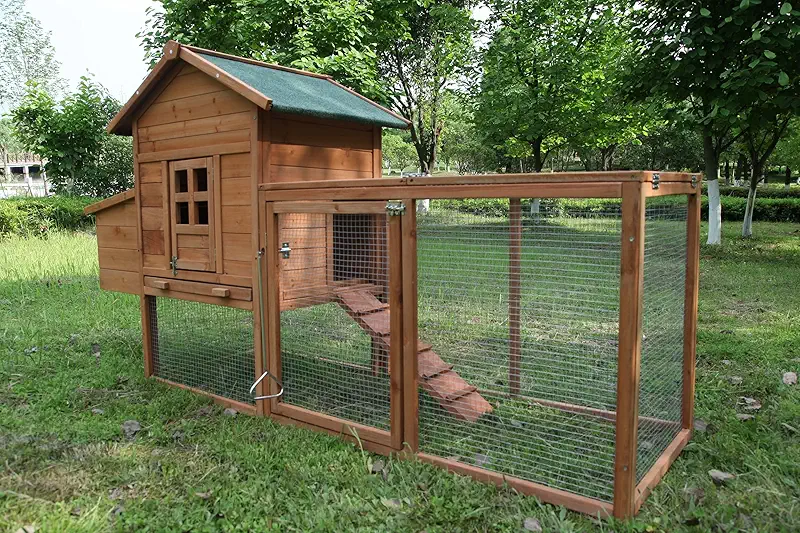
A sturdy backyard coop sized for six hens, with safe roosts and a dry roof, will save you a lot of headaches and muddy boots.
How much space does a chicken coop 6 chickens really need?
Coop makers like to brag about big numbers. You’ll see “up to 10 chickens” slapped on a box that I wouldn’t stick four birds in. Out here on the farm, we use a simpler rule of thumb that actually keeps hens healthy.
My personal space rule for six hens
- Inside coop space: 4 square feet per hen is my baseline. For six hens, I aim for 24 square feet or more. Think 4x6 ft as a minimum.
- Outdoor run space: 8–10 square feet per hen. For six hens, that’s 48–60 square feet. More is always better if you’ve got the room.
- Headroom: Hens don’t care about décor, but they do appreciate good height for roosts and airflow.
I once tried to “make do” with a coop that was technically big enough on paper. The box said it fit eight. My six girls said it fit about three. They started pecking at each other like grumpy old ladies at a yard sale. Once I moved them into a larger coop, feather picking dropped, egg laying picked up, and everyone’s mood improved—mine included.
If a coop for six chickens looks tiny and “cute,” be careful. Cute doesn’t keep birds from fighting, and it sure doesn’t make your life easier when you have to get in there to clean. When you’re looking at a chicken coop 6 chickens, imagine yourself inside it, bent over with a rake. If the thought makes your back ache already, you might want the next size up.
Key features I look for in a coop for six hens
Over the years, I’ve learned to ignore the marketing talk and focus on simple, practical features. Hens don’t need chandeliers. They need somewhere dry to sleep, safe to roost, and easy for you to manage.
1. Solid frame and weather‑worthy roof
On my farm, the wind loves to test every structure I build. A chicken coop 6 chickens needs a steady frame and a roof that laughs at rain and snow.
- Frame: Look for thick, sturdy wood or strong metal. If it feels wobbly when you nudge it, a winter storm will finish the job.
- Roof: A sloped, waterproof roof with an overhang is worth its weight in eggs. Water draining away from doors and nest boxes is a must.
- Floor: Raised floors keep the coop off the damp ground and slow down rot and rodents.
I had one coop early on with a flat, cheap roof. First good rain, the whole thing turned into a leaky mess. The hens were fine, but they gave me a look that said, “Really? This is what we get?” I fixed that roof fast.
2. Safe wire and predator protection
Out here, everything wants chicken dinner: raccoons, foxes, neighbor’s dog—you name it. Your coop is their obstacle course. Build something they can’t win against.
- Hardware cloth over chicken wire: Chicken wire only keeps chickens in. Hardware cloth (the small square wire mesh) keeps predators out.
- Secure latches: Raccoons are clever with their little hands. Use two‑step latches or carabiners on doors.
- Buried apron: If possible, extend wire 8–12 inches into the ground or outward to stop digging predators.
I still remember the night a raccoon figured out a simple hook latch on an old coop. Lost two good hens before sunrise. I stopped underestimating critters that day.
3. Ventilation without drafts
Fresh air is a big deal. Six hens breathe, poop, and kick up dust every day. If your coop traps moisture, you’re asking for respiratory problems.
- High vents: You want vents or windows up near the roofline so air can move out, but cold air doesn’t blow right on roosting hens.
- Screened openings: Cover vents with hardware cloth to keep pests out.
- Cross‑breeze: Openings on opposite sides help in summer, especially in hotter states.
In winter here, I close up the lower cracks, but leave those high vents open. Dry, cool air is healthier than warm, damp air. The hens handle the cold better than most people think.
Roosts and nesting boxes for six hens
Roosts and nests are where the real work happens—sleep and eggs. Set these up right, and your hens settle into a comfortable routine. Set them up wrong, and you’ll find eggs in every corner but the one you expect.
Roosting bars: let them sleep like birds, not like ducks
- Height: I like roosts about 18–24 inches off the floor for a coop this size.
- Space: Plan for about 8–10 inches of roost space per bird. For six hens, that’s roughly 4–5 feet of roost total.
- Shape: A flat edge (like a 2x3 on the wide side) is easier on their feet than a skinny round dowel.
My first roost was too skinny and too close to the wall. The hens kept bumping into each other and smearing droppings all over the boards. A wider roost, a few inches out from the wall, fixed that in one evening.
Nesting boxes: keep the eggs clean and in one place
- How many: For a chicken coop 6 chickens, I like 3 nesting boxes. Two can barely keep up on their busy days.
- Size: Around 12x12x12 inches works for most breeds.
- Placement: Nesting boxes should be lower than the roosts so hens sleep on the roosts, not in the boxes.
A good deep layer of straw or shavings keeps eggs cleaner. When the bedding gets dirty, I just scoop and refresh. Takes a few minutes, saves a lot of scrubbing later.
Real‑world picks: styles of coop that work well for six hens
Every backyard and budget is different, but there are a few “types” of coops that fit six hens nicely. I’ve used all three of these at one point or another, depending on where I was living and how much time I had for building.
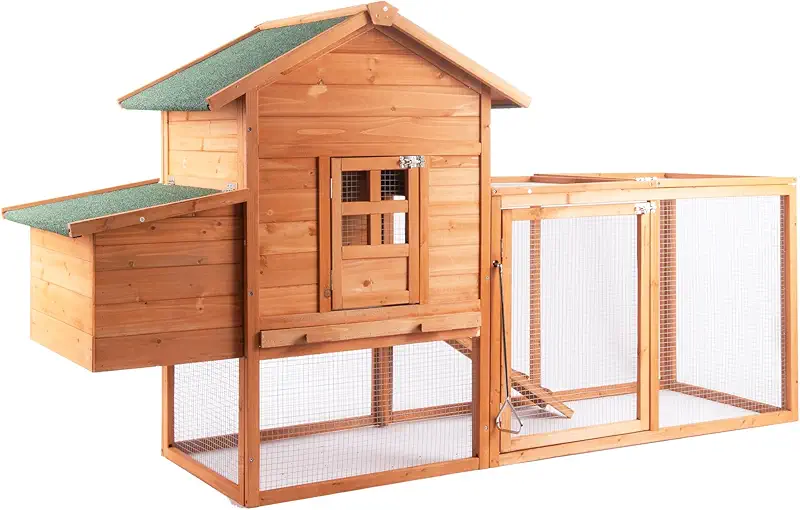
Walk‑in coop with attached run
This style lets you walk in upright, which your back will thank you for. Great for six hens if you like to spend a little time inside checking birds and cleaning.
Easy cleaning
Roomy run
Good for families
Let me peek inside

Raised coop with stairs or ramp
Handy for smaller yards. The coop is up top, the run is underneath. Keeps the floor dry and gives the girls shade in summer.
Space‑saving
Dry floor
Shady spot
This might fit me

Mobile tractor‑style coop
Good if you want the hens to graze fresh grass and you don’t mind moving the coop now and then. Six hens do well in a sturdy tractor with enough run space.
Fresh grass
Fewer bare spots
Flexible placement
Show me options
Farmer’s note: However pretty a coop looks in the picture, imagine it after three months of mud, rain, and chicken droppings. Doors should still open easily, roof should still shed water, and you should still be able to reach every corner without needing circus skills.
Setting up a chicken coop 6 chickens the right way
Once you have the coop picked out, half the battle is in the setup. A good coop in the wrong place or filled with the wrong bedding can turn into a chore real fast.
1. Choosing the right spot in your yard
- Drainage: Avoid low, soggy spots. Wet ground turns into a muddy mess and smells worse than my boots after a storm.
- Sun and shade: Morning sun, afternoon shade is perfect. It dries out the coop early and keeps the hens cooler later in the day.
- Wind: If you get strong winter winds, park the coop where a fence, trees, or building can take some of the bite out of the breeze.
2. Bedding and cleaning routine
For six hens, you don’t need fancy gadgets. You just need a simple, steady routine.
- Bedding: I like pine shavings in the coop and straw in the nest boxes. Easy to scoop and replace.
- Deep‑litter method: In cold climates, you can layer clean shavings over old ones through winter and clean out fully in spring. Just keep it dry and not too packed.
- Weekly touch‑ups: I scrape the droppings from under the roosts once or twice a week. Takes 10 minutes, saves days of stink.
One of my neighbors thought skipping cleaning would “build immunity.” It built flies. A little steady work is better than a big nasty job later.
3. Feeders, waterers, and daily care
A chicken coop 6 chickens doesn’t need a huge setup, but it does need reliable feed and water spots.
- Feeder size: I like a feeder that can hold at least a day or two of feed for six hens. Keeps you from running out on busy days.
- Water: Clean water is non‑negotiable. Use a waterer that’s easy to rinse and hard for hens to kick bedding into.
- Height: Hang or prop feeders and waterers at about back‑height on the hens to keep debris out.
Common mistakes I see with coops for six chickens
I’ve made most of these mistakes myself, so if you recognize one, you’re in good company. The trick is to learn fast and fix what you can.
Too many birds in a “cozy” coop
Overcrowding is the fastest way to turn sweet hens into bullies. If birds can’t get out of each other’s way, they start pecking, and the lowest in the pecking order pays the price.
- Watch for: Bare patches on the back or tail, hens hiding in corners, loud squabbling at roost time.
- Fix it: More space, more perches, more boredom breakers like hanging cabbage or scratch scattered around the run.
Underestimating predators
On paper, your neighborhood might look peaceful. At night, it’s a whole different story. I’ve had predators show up in suburban backyards that seemed as calm as a church picnic.
- Always lock the coop at dusk. “They’ll be fine tonight” are famous last words.
- Check wire and latches every so often. Time and weather loosen everything.
- Don’t rely on a dog alone. A good farm dog helps, but a solid coop is still the main defense.
Ignoring your future self
Right now you’re excited, energized, ready to fuss over every board. But think about yourself on a cold, dark Tuesday in February. Make choices that future‑you will thank present‑you for.
- Doors big enough for a wheelbarrow or at least a shovel.
- Nesting boxes you can reach without crawling on your knees.
- A roof you don’t have to duck under every single time.
I’ve built coops that looked clever on paper and cursed them a year later. Now I plan for lazy days, not just the enthusiastic ones.
A quick look at different chicken coop 6 chickens layouts
If you’re still picturing things in your head, these examples might help you see how the space can work for six hens.

Compact backyard layout
Good if you’re working with a smaller suburban yard but still want six hens and a run that doesn’t turn to mud.
Let me picture this

Spacious country layout
More room to spread out, bigger run, easy for kids to walk in and gather eggs without spooking the hens.
This feels like me

Moveable grazing layout
For folks who like the idea of fresh grass and moving the birds around to different patches of the yard.
Show me this style
Little joke from the barn: Build the coop nice, and the hens will still try to lay under the one bush across the yard—just to keep you humble. A good coop just means you win the argument most days.
Living with six hens day‑to‑day
Once your chicken coop 6 chickens is set up and the girls have settled in, the daily rhythm gets pretty simple. Feed, water, check for eggs, quick look over the flock, and enjoy the show.
What I love about a six‑hen flock is how manageable it is. You can spot when someone’s “off” pretty fast. If one hen is hanging back, keeping her tail down, or not rushing the feeder like she usually does, you notice it. In a big flock, it’s easy to miss those little signs.
Egg‑wise, with six healthy hens, you’ll see anywhere from three to six eggs a day depending on breed, season, and age. In the peak of spring, I sometimes felt like they were trying to out‑lay each other just to see if I’d keep up with collecting them.
Simple weekly checklist I use
- Top off feed and water, rinse waterers.
- Scrape droppings under the roosts.
- Fluff or change nesting box bedding.
- Walk the fence and run, check for weak spots.
- Quick glance at every hen: eyes, comb, feet.
That small bit of time each week keeps the coop from ever getting overwhelming. It’s like washing a couple of dishes at a time instead of letting the sink overflow.
FAQ about coops for six laying hens
1. What is the minimum size for a chicken coop 6 chickens?
I’d call 24 square feet inside the true minimum for six hens, and I’m much happier with closer to 30 square feet if you can manage it. On top of that, give them at least 8–10 square feet of run space each. Manufacturers often overstate capacity, so if something says “for 8–10 chickens,” I treat it as a decent size for six.
2. Do I need a run if my hens free‑range?
Even if they free‑range most days, I like having a secure run attached to the coop. Weather, vacations, sick birds, or predator problems can all make free‑ranging a bad idea for a while. With six hens, a well‑fenced run gives you options and a backup plan when life gets busy or the hawks get bold.
3. How many nesting boxes for six laying hens?
I’ve had good luck with three nesting boxes for six hens. They love to share boxes anyway—like everyone lining up for the same restroom when there’s three open. Two can work, but three keeps the peace better and gives you room if you add a bird or two later on.
4. Can I keep roosters with six hens in the same coop?
You can, but with only six hens I wouldn’t keep more than one rooster, and only if you really want him. Too many roosters and not enough hens leads to worn‑out backs and stressed birds. For simple eggs and a quiet yard, six hens without a rooster is often the easiest path.
5. What kind of coop is best for beginners with six hens?
For most first‑timers, a walk‑in style coop with an attached run is the friendliest option. Being able to stand up to clean, check birds, and gather eggs makes a world of difference. Look for solid materials, proper ventilation, safe wire, and enough inside and outside space for six hens to live without stepping on each other’s toes all day.

If your mind’s already picturing six happy hens scratching around and a basket of fresh eggs on your kitchen counter, you’re close. The right coop just makes that picture easier to live with day after day.
Let me see all coops