
I’ve raised laying hens for decades out here in the country. If you’re thinking about a chicken coop 8-10 chickens can live in comfortably, let me walk you through what really matters: space, safety, and simple daily chores that won’t break your back.
I’ll talk to you the way my granddad talked to me: plain words, honest lessons, and a few stories from the farmyard. By the end, you’ll know exactly what to look for in a coop so your birds stay safe, dry, and laying strong.
Let me see optionsYou’ll see different styles and sizes, but keep this guide handy so you know which ones can truly handle 8–10 hens.
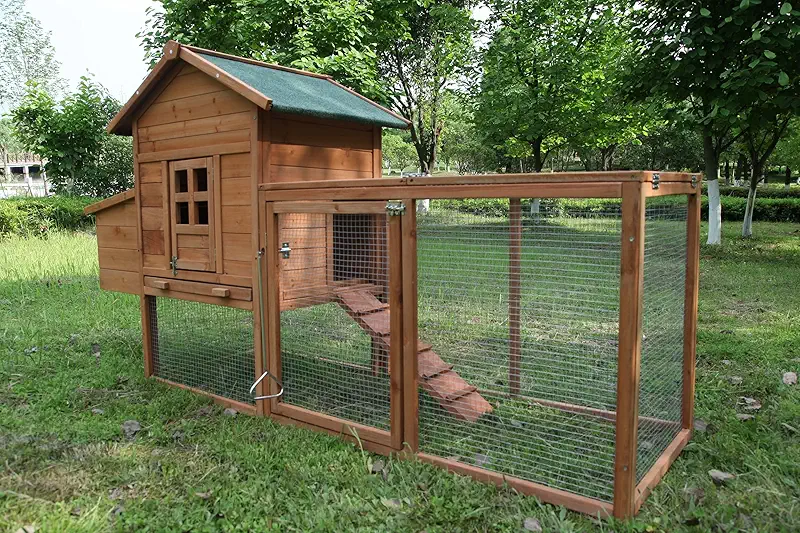
Chicken coop 8-10 chickens
Out here on my little patch of dirt, I’ve tried just about every kind of chicken house you can imagine. Big sheds, tiny tractors, homemade contraptions that looked like they’d fall over in a stiff breeze. When folks ask me what size they need for a chicken coop 8-10 chickens can live in, I tell them this: “Plan for the hens you’ll have next year, not just the hens you have today.”
Chickens have a way of multiplying. You start with six “just for eggs,” then you see a few more at the feed store, and next thing you know you’re bartering extra pullets for pie at church. So, when you’re looking at a coop for 8–10 layers, think about comfort, not just bare minimums written on a box.
• Inside coop space: 4 square feet per hen (32–40 sq ft)
• Outdoor run space: 8–10 square feet per hen (64–100+ sq ft)
• Nest boxes: 1 box for every 3–4 hens (3–4 boxes)
• Roost space: About 8–10 inches of perch per hen
How Much Space Do 8–10 Chickens Really Need?
I learned about space the hard way. Years back, I tried to tuck ten hens into a cute little coop that looked great in the catalog. The box said it was “perfect for 8–10 birds.” The hens disagreed. Within a week, they were picking feathers off each other like kids fighting over the last biscuit.
Truth is, chickens handle cold better than crowding. Give them elbow room, and they stay calmer, cleaner, and lay better. Pack them in tight, and you’ll spend your evenings playing chicken referee.
Inside Coop Space
For a chicken coop 8-10 chickens will use year-round, I like 4 square feet per bird inside. That means:
- 8 hens → at least 32 sq ft (for example 4x8 feet)
- 10 hens → at least 40 sq ft (for example 5x8 feet)
Could you squeeze them into less? Probably. Should you? Not if you want good eggs and quiet mornings. Extra space helps with:
- Less pecking and bullying
- Cleaner bedding and better air
- Room for feeders and waterers without blocking the door
Outdoor Run Space
Now, if they’re getting out to free-range most days, you can cheat a little inside. But if your hens will spend lots of time in the run, give them 8–10 square feet per bird out there. The more, the better.
I like to say, “Happy hens walk laps.” If I see my birds strolling, scratching, and dust bathing, I know I sized the coop right.
Quick Size Guide for 8–10 Hens
What I Look For In A Chicken Coop 8-10 Chickens Can Thrive In
When I walk up to a new coop, I’m not thinking about how pretty it looks. I’m thinking about what’s going to give me trouble after three winters and a couple of stubborn raccoons. Let me walk you through my mental checklist.
Predator Protection
Out here, everything thinks chickens are a snack. I want strong wire, tight latches, and solid doors. If I can wiggle a panel or lift a corner, a raccoon can, too.
Dry Floor, Dry Birds
A wet coop is a sick coop. I look for a roof that doesn’t leak, a floor that stays dry, and a little slope so rain doesn’t puddle right under the door.
Easy To Clean
If it’s a pain to clean, you’ll put it off. I want wide doors, maybe a removable tray or big access panel, and nothing that requires a yoga pose to reach.
Using A Prefab Coop For 8–10 Hens (And Making It Work)
A lot of folks these days start with a prefab coop, and there’s nothing wrong with that as long as you know what you’re getting. Many of the coops you’ll see sized for “8–10 chickens” are more honest for 4–6 birds unless you add some upgrades.
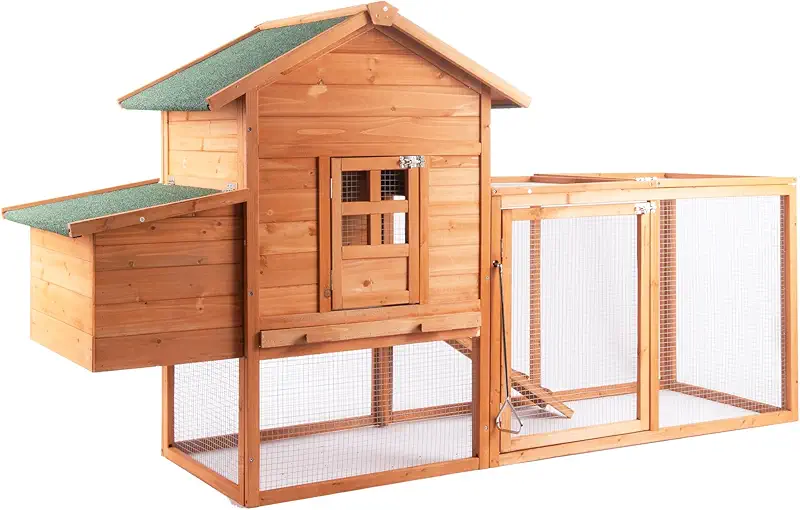
How I Judge A Prefab Coop
- Framing: Do the boards feel solid, or do they flex when you push?
- Roof: Real roofing or thin wood that will soak up water?
- Wire: Sturdy hardware cloth or flimsy chicken wire?
- Door size: Can I get inside without crawling on my knees?
- Run height: Can the birds flap and jump, or is it low and cramped?
With a chicken coop 8-10 chickens can use, I often tell people to treat the prefab as a starter and then:
- Add extra run space with a simple fenced area
- Double up the wire with hardware cloth on the lower 2–3 feet
- Seal cracks and joints against drafts and leaks
- Raise the whole unit a few inches off the ground
Nest Boxes And Roosts For 8–10 Laying Hens
Nest boxes are where the magic happens. If you set them up right, you’ll gather clean eggs in the morning instead of hunting for them under bushes like an Easter egg hunt no one invited you to.
Nest Box Setup
For 8–10 hens, 3–4 nest boxes is just right. They’ll still all pick the same favorite box, of course, because chickens are stubborn like that. But the extra boxes help when more than one hen decides it’s time to lay.
- Size: about 12x12 inches each
- Height: lower than the roosts so they sleep on the perches, not in the nests
- Fill: clean straw, shavings, or chopped hay
- Shade: eggs stay cooler in dimmer boxes
Roost Perches
Chickens like to sleep off the ground. For a chicken coop 8-10 chickens will roost in, I aim for:
- 8–10 inches of perch per hen
- Rounded edges so they can grip comfortably
- Higher than the nest boxes
- Enough headroom so they aren’t bumping the roof

Ventilation, Weather, And Where To Put Your Coop
A lot of folks worry about cold, but in most places I’ve lived, moisture and summer heat hurt chickens more than low temperatures. A chicken coop 8-10 chickens share can build up a lot of steam from breathing and manure overnight.
Good Air Without Drafts
I want vents up high so warm, moist air can rise and escape, but I don’t want wind blowing straight across the birds at night. Think of it like this: let the coop breathe, but don’t let it whistle.
- Vents up near the roof on at least two sides
- Covered with hardware cloth to keep critters out
- Option to close or partly cover vents in harsh storms

Picking The Right Spot In Your Yard
Where you park that coop matters more than most folks think. I’ve made about every mistake there is, from placing a coop in a low spot that turned to soup every spring, to setting one where the summer sun turned it into a little oven.
- Avoid low, soggy spots. Wet ground means muddy runs and smelly feet.
- Give some shade. A bit of afternoon shade keeps hens more comfortable in summer.
- Face the door away from prevailing winds. Less rain blasting straight in.
- Stay close enough to the house. You’ll visit them more, and predators dislike activity.
If you’re not sure, watch where water sits after a hard rain. Don’t put your coop there unless you enjoy wearing boots year-round.
Daily Life With 8–10 Laying Hens
Once your chicken coop 8-10 chickens can live in is set up right, the daily chores aren’t bad at all. Honestly, checking the hens is one of the gentlest parts of my day. They don’t care about the news, the markets, or your email inbox. They just want feed, fresh water, and a dry place to sleep.
Morning Routine
- Open the pop door and let the hens out
- Check feeders and top off if low
- Dump and refill waterers with clean water
- Quick look for anything odd: limping, missing feathers, or strange behavior
Evening Check
- Count hens on the roosts (takes 15 seconds)
- Close and latch all doors
- Gather any last eggs
Ten hens don’t take much more work than four do. You’re already making the trip out there; another scoop of feed isn’t a big deal.

Keeping The Coop Clean
With 8–10 hens, I like to use a deep bedding method. I put down a good layer of shavings, then add fresh on top as it gets dirty. About every few months, I clean it all out and let the garden have a feast.
- Spot clean droppings under roosts weekly
- Add fresh bedding as needed
- Full clean-out a few times a year
A coop that’s easy to rake and shovel makes this ten times nicer. When I’m looking at a new chicken coop 8-10 chickens will use, I picture myself standing there with a shovel. If it looks cramped even in my imagination, I move on.
Different Styles Of Coops For 8–10 Hens
There’s no single “right” style of chicken coop 8-10 chickens must live in. The best choice depends on your yard, your weather, and how you like to work. Let me run through the main types I’ve used.
Walk-In Coops
These are my favorite past a certain flock size. If I can stand up inside, I’m happier cleaning, checking birds, and fixing things. For 8–10 hens, a small walk-in shed with a fenced run is hard to beat.
- Easy to clean and inspect
- Room for storage of feed and tools
- Simple to add more roosts if the flock grows
Coop + Attached Run Units
These are the classic “little house with a run under it.” They can work fine at this flock size if you:
- Double-check the square footage claims
- Add extra fenced run space if it looks small
- Reinforce weak spots for predators

Mobile Tractors
A big chicken tractor you can drag to fresh grass works well for people who don’t want a muddy patch in one spot. For 8–10 hens, make sure the frame is sturdy enough that you can move it without falling apart.
I love tractors, but I’ll be honest: moving them in wet spring ground can feel like you’re dragging a stubborn cow. If you go this route, pick one with good wheels and balanced weight.
FAQ – Real Questions About A Chicken Coop 8-10 Chickens Can Use
1. Is a coop labeled “for 8–10 chickens” always big enough?
Not always. Many manufacturers use tight numbers that might work for small bantams or for birds that free-range all day, every day. For full-size laying hens kept in the run a lot, I’d rather see the inside measurements and do the math myself. If the square footage seems small, plan to add more run space.
2. Can I start with 6 hens in a chicken coop 8-10 chickens and add more later?
Yes, that’s actually a smart way to do it. Starting with 6 gives you time to learn the ropes. Just make sure the coop is truly big enough for 8–10 hens so when “chicken math” happens, you’re ready. Adding birds is easier if you have extra roost and nest box space from the start.
3. How many nest boxes do I really need for 10 hens?
Three is usually enough, four is comfortable. Chickens share nest boxes in shifts. You don’t need one box per hen, and even if you did, they’d all argue over the same favorite corner anyway. What matters more is that the boxes are clean, safe, and located in a calm, darker spot.
4. Will 8–10 hens smell bad in a backyard coop?
They don’t have to. Smell comes from wet bedding and poor airflow more than from the birds themselves. With dry flooring, good ventilation, and regular bedding refresh, neighbors often tell me they smell the flowers long before they smell the hens. The bigger the coop and run, the easier it is to stay ahead of odors.
5. How long will a prefab chicken coop 8-10 chickens last?
That depends on the quality and how you treat it. I’ve seen light-duty coops start sagging after a couple of rough winters, and I’ve seen sturdier ones last many years with a little care. If you:
- Keep it painted or sealed
- Fix small leaks before they rot the wood
- Protect the base from sitting in mud
you can easily get several good seasons before you ever think about replacing it. I treat a prefab coop as a solid head start that I might reinforce and improve over time.
Final Thoughts From An Old Farm Hand
Raising 8–10 laying hens is a sweet spot. Big enough to keep your egg basket full, small enough that you still know each bird’s personality. A good chicken coop 8-10 chickens can call home doesn’t have to be fancy, but it does need to be safe, dry, and easy to work with.
When you look through different coop options, don’t let the paint or pretty windows fool you. Check the space, the wire, the doors, and picture yourself out there on a rainy evening shutting things up. If it seems simple in your mind, it will be simple in real life.
Over the years, my birds have paid me back in eggs, fertilizer, and quiet company while I walk the fence line. If you give them a well-sized coop, they’ll pay you back too. You’ll start recognizing the sound of a proud hen announcing her egg, and maybe even find yourself leaning on the gate a little longer each morning, just watching them scratch.
However you end up housing your flock, remember: a coop is more than a box. It’s the little barn for your girls. Build or choose it with that in mind, and you’ll be in good shape for many seasons.

If you’re ready to see what’s out there, take your time, keep these notes close, and pick the coop that feels right for you and your birds.
Show me all coops