
Chicken coop and run for sale
Set up a happy, safe home for your hens
I have been raising laying hens on US soil for more years than I care to count, and I can tell you this: a good coop and run will fix more “chicken problems” than any fancy supplement ever will. If you are looking for a chicken coop and run for sale, let me walk beside you like an old neighbor over the fence, and share what has actually worked on my own farm.
We will talk about size, safety, weather, egg production, and day‑to‑day life, so you end up with a setup that keeps your birds dry, clean, and laying steady, without making you hate chore time.
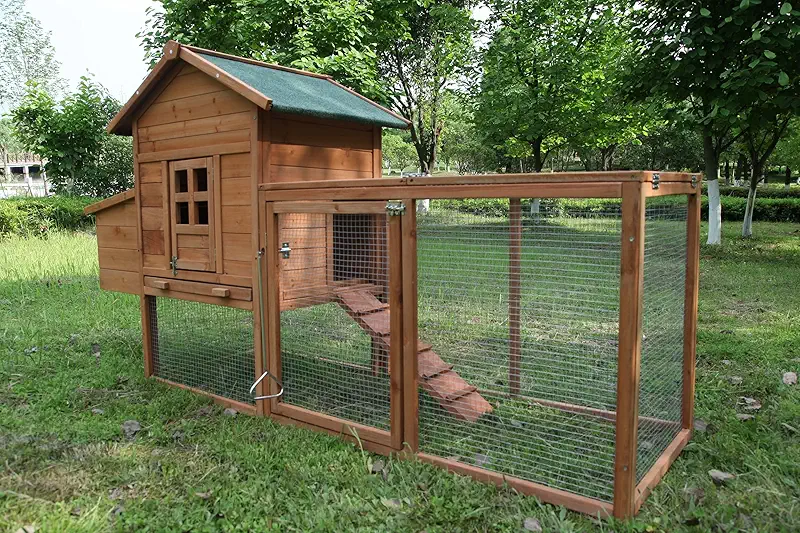
What I look for when I see a chicken coop and run for sale
When I see a chicken coop and run for sale, my brain does a quick scan. I picture my flock inside it. I imagine January wind, August heat, muddy springs, and late‑night predator visits. If the coop only looks cute in the photo but fails that little mind test, I move on.
Over the years, I have made most of the mistakes already, so you do not have to. I have bought coops that were too small, runs that sagged, roofs that leaked, and doors that raccoons treated like drive‑thru windows. Let me share the simple checklist I use now.
1. Size: how many chickens, really?
The box might say “up to 6 chickens,” but here is the honest version: those numbers are often written by someone who has never met a full‑grown hen in January. My rule of thumb is:
- Inside the coop: about 4 square feet per bird for standard breeds.
- In the run: 8–10 square feet per bird if they are not free‑ranging.
If you live where winters are long and the birds stay in more, aim bigger. A little extra space now is a lot cheaper than dealing with pecking, stress, and sickness later.
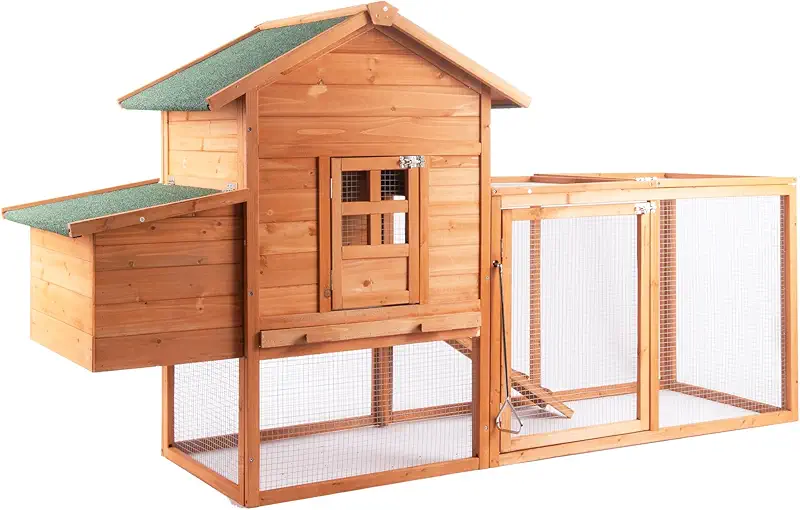
2. Safety: predators do not play fair
Out here, everything seems to like chicken as much as we do. Raccoons, foxes, hawks, owls, dogs, even rats will test your coop. When you browse a chicken coop and run for sale, look past the paint and check the bones:
- Wire mesh: I prefer hardware cloth (½ inch) over simple chicken wire. Chicken wire keeps chickens in, but it does not always keep teeth out.
- Locks and latches: If a five‑year‑old could open it, a raccoon can too. Choose something that “clicks” firmly.
- Floor and gaps: Small gaps invite weasels and snakes. A solid floor or buried wire skirt helps keep diggers out.
I learned this the hard way years ago when a clever raccoon discovered the “easy mode” latch on my old coop. One bad night cost me three good layers. Since then, I buy coops and runs as if a raccoon is my building inspector.
Coop layout that keeps eggs coming and chores simple
A coop is not just a box with a door. It is a little house that you and your hens share in different ways. They sleep, lay, and gossip in there. You clean, gather eggs, and check them over. When looking at any chicken coop and run for sale, picture those daily routines.

Roosts, nests, and doors
Hens are like people: they like a comfortable bed, a quiet place to “do their business,” and a front door that does not slam in their face.
- Roost bars: For standards, about 8–10 inches of roost space per bird, higher than the nests, and made of wood so their feet do not get cold.
- Nesting boxes: One box for every 3–4 hens is fine. Keep them slightly darker and lower than the roosts so hens are drawn to them for laying, not sleeping.
- Human access door: Make sure you can easily reach every corner. If you need yoga training just to clean, you will put off cleaning, and the hens will pay the price.
My favorite coops have external nest box lids. I can gather eggs in a snowstorm without stepping inside. My hands get cold, but at least my boots stay cleaner.
Ventilation: fresh air without a draft
Chickens handle cold better than damp. Poor ventilation builds up ammonia, moisture, and frostbite risk. When I judge a chicken coop and run for sale, I look for:
- Vents up high, near the roof line, where rising moist air can escape.
- Openings protected with hardware cloth, not big screened windows at bird level in winter climates.
- A way to reduce airflow in harsh winds, but never fully seal the coop tight.
I have spent enough early mornings chipping ice from waterers to tell you: a dry coop smells like clean wood shavings, not a bus station restroom.
Choosing the right run: room, roof, and ground
The run is where your hens live most of their waking hours, especially if you cannot let them free‑range in the yard. A run that is too small or poorly built will turn into a muddy, smelly mess. When scanning a chicken coop and run for sale, I pay close attention to the run area.
Space and height
Enough ground space keeps peace in the flock. Enough height keeps peace in your back. I always lean toward a run that I can mostly stand up in, or at least not crawl through like a tunnel.
Look for:
- Height: 5–6 feet if possible. Your spine will thank you later.
- Access doors: A wide gate or big panel you can open to rake, freshen bedding, and catch the one hen that thinks she is a track star.
Roof and weather
A covered run is a luxury that pays off every rainy season. Even a simple roof sheet or tarp over part of the run keeps mud down and feathers dry.

Predator protection in the run
Do not forget what lives under your soil. Foxes and dogs love to dig. When you weigh one chicken coop and run for sale against another, notice:
- Whether there is a buried wire skirt or boards around the bottom edge.
- If the mesh goes roof‑high to stop climbing predators.
- How strong the frame feels — flimsy frames twist and open gaps with time.
One trick I use is to gently shake the run panels when I first set them up. If they rattle like old barn tin in a windstorm, I add bracing, or I move on to sturdier designs.
Materials: wood, metal, or plastic?
When you look at a chicken coop and run for sale, you will usually find three main types of material: wood, metal, and plastic. Each has its own personality, kind of like the hens.
Wood looks classic and fits nicely in most yards. It is easy to repair and insulates well. On the flip side, it needs some care, can rot if left in wet spots, and mites love to hide in cracks if you never clean.
Metal is tough and long‑lasting. Great for dry climates and folks who want less maintenance. But in hot sun, thin metal can turn into an oven. Shade and ventilation become extra important here.
Easy to hose down, lighter to move, and less inviting to mites. They can be a bit pricier, and not all models handle deep freezes as well, but I like them for backyard flocks in many climates.

Think about your weather and your back
If you move things a lot, a lighter coop is your friend. If you have strong winds, a heavier, solid coop is better. Where I live, we see hot summers and icy winters, so I lean toward wood or well‑insulated designs with good cross‑breeze.
Also think about who is doing the cleaning. If it is mostly you and a sore lower back, smooth surfaces and big doors might matter more than fancy trim.
Real‑life daily chores with a coop and run
It is easy to fall in love with a pretty picture of a chicken coop and run for sale. But I want you to picture a Tuesday morning in February instead. You, half awake, boots on, coffee still on the counter. That is when design really matters.
Morning and evening routine
My daily rhythm looks like this:
- Open pop door, quick head count, check water and feed.
- Glance at droppings board or bedding for anything unusual.
- End of day, close pop door, quick scan for limping or ruffled birds.
A good coop makes all that fast. Doors swing easy, latches work in gloves, and everything you need is at arm’s reach.
Cleaning and bedding
I have tried all the methods — deep litter, frequent clean‑outs, and everything in between. Whatever you choose, your coop should give you:
- Enough floor space to rake and shovel without fighting the walls.
- A clear path to haul out old bedding without tracking half of it into your kitchen.

How coop design affects egg laying
Happy hens lay better. It is not magic, it is just comfort and low stress. With any chicken coop and run for sale, ask yourself:
- Will the hens feel safe from drafts and predators at night?
- Do they have quiet, cozy places to lay?
- Can they get away from bossy birds if they are low in the pecking order?
I once tried squeezing too many pullets into a “recommended for 10 hens” coop. Well, it may have been recommended for 10 pigeons, but my birds were not so thrilled. The day I upgraded their space, egg numbers bounced right back. Lesson learned.
My simple buying roadmap for a chicken coop and run for sale
To keep it practical, here is how I personally walk through choosing a chicken coop and run for sale. Nothing fancy, just the way a tired farmer likes it.
Step 1 – Count birds and future birds
Start with your current flock size, then add how many you realistically plan to have next year. We both know chicken math: “just three hens” turns into “maybe a few more colors” real fast.
Step 2 – Match to climate
Cold, windy, wet, hot, or some mix — your weather decides a lot. In the north, solid walls, good ventilation, and wind protection matter more. In the south, shade and airflow come first.
Step 3 – Think about your yard
Do you need a compact footprint? Something movable? Or a permanent setup with room to expand later?

Step 4 – Compare build quality and details
Once you are looking at a specific chicken coop and run for sale, slow down and read the details. Look at:
- Measurements in feet and inches, not just “fits X chickens.”
- Type of wire, thickness of wood or panels, and roof style.
- How the nest boxes open, where the perches are, and how you will secure the doors.
I like to imagine myself cleaning it after a week of rain. If I can picture the mud, the smell, and still feel okay about it, that model stays on my list.
FAQ about finding the right chicken coop and run for sale
Ready to find a chicken coop and run for sale that fits your flock?
If you have read this far, you are already ahead of most folks who just pick the first cute little house they see in a picture. Your hens will thank you with quieter nights, healthier feathers, and steadier egg baskets.
When you look at any chicken coop and run for sale, remember: picture your weather, your yard, your chores, and the flock you will likely have next year. Trust your gut. If something looks flimsy or too small, it probably is.
Over the years, I have learned that well‑chosen coops do not just keep birds safe. They also keep peace in the family. The fewer times you have to chase hens at dusk or fight with frozen latches in the dark, the more everyone enjoys having chickens around.
Take your time, read the details, and choose the setup that feels like it could live in your yard for a good long while. Your hens are not temporary guests; they are noisy, feathered coworkers, and they deserve a solid little home.

If you would like to look over different styles, sizes, and materials with these ideas in mind, you can browse a range of sturdy chicken coops and runs that other keepers have put to the test.
I’ll browse coops now