
Chicken coop and run
Let me walk you through how I set up a chicken coop and run that keeps my hens safe, happy, and laying steady eggs, without turning my yard into a muddy mess.
I’ve been raising hens on my little patch of U.S. soil for more years than my knees are willing to admit. Over time, I learned one simple truth: a good chicken coop and run is less about fancy looks and more about smart details. Dry bedding, tight fences, enough space, and a door that actually closes on a windy night will do more for your flock than any cute paint color.
The nice thing these days is you don’t have to build everything from scratch like I did with my first crooked coop. There are plenty of solid ready-made coops and runs that you can set up in an afternoon. Then you can spend your time where it matters most: watching your hens scratch, dust-bathe, and turn kitchen scraps into breakfast.
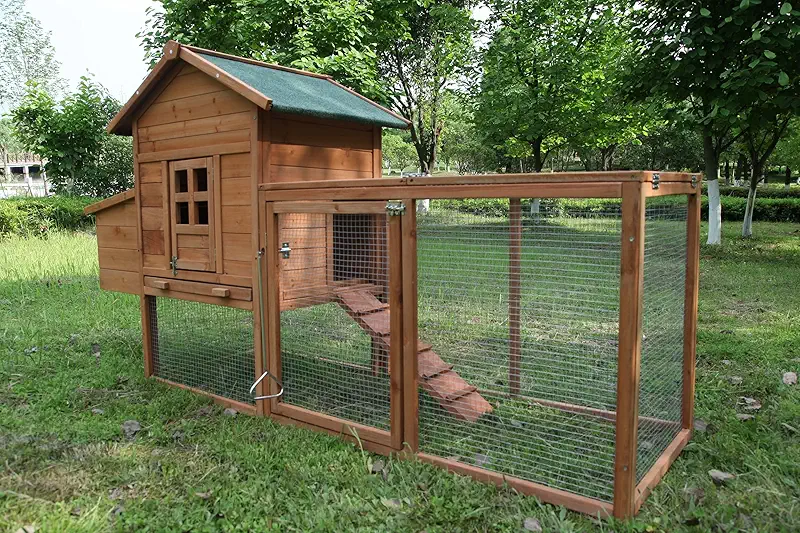
What a good chicken coop and run really needs
When folks ask me, “What should I look for in a chicken coop and run?” I don’t start with color or cute windows. I start with the basics that your hens actually care about. If you get these right, your flock will be calmer, cleaner, and much easier to care for.
Enough space so nobody gets pecked to pieces
Chickens aren’t too different from people. Pack them too tight and everybody gets cranky. I’ve learned to plan for at least:
- 3–4 square feet per hen inside the coop if they have an outdoor run.
- 8–10 square feet per hen in the run, more if your space allows.
When I tried squeezing too many hens into a small coop years ago, the bossy ones started bullying the shy ones. Feathers flew, combs got pecked, and egg laying dropped. Once I added space and an extra perch, everybody settled down, like kids after you give them each their own chair at the table.
Dry floor, dry hens, dry eggs
Water is great in the drinker and terrible on the floor. A damp coop smells bad, draws flies, and invites disease. I like a coop that sits off the ground a bit or has a solid floor with no leaks around the edges.
On my place, I spread a good layer of pine shavings inside and rake it out as needed. In the run, I like sand, wood chips, or rough mulch that drains well. Mud is the enemy. If your run turns into a swamp after every rain, your hens will march it back into the coop on their feet.
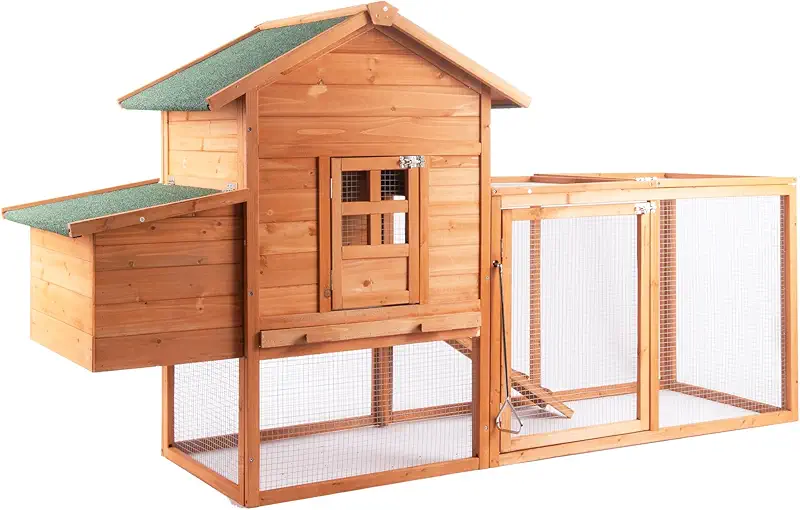
Ventilation without turning your birds into popsicles
A lot of new keepers worry about cold, but on my farm, damp air is what really hurts chickens. You want vents up high, under the roof line, so the warm, moist air can drift out while the hens stay out of the draft.
I look for a chicken coop and run design with:
- Vents or windows that are above roost height.
- Sturdy wire over openings to keep critters out.
- The option to close some vents in howling winter storms.
In summer, good airflow keeps the coop from turning into a sauna. I’ve seen hens pant with wings spread when a coop has poor ventilation. Once I added bigger vents to an old shed I converted, the birds calmed down and egg production picked back up.
Designing a run hens will love (and predators will hate)
The run is where your hens do their real work: scratching bugs, dust bathing, and turning yesterday’s salad into tomorrow’s omelet. A solid run keeps them safe from trouble above and below ground, while giving them room to act like, well, chickens.
Predator-proofing from all directions
If there’s one thing I’ve learned on my farm, it’s this: if you keep chickens, something out there would like to eat them. Raccoons, foxes, coyotes, neighborhood dogs, even hawks. Your chicken coop and run should be built with that in mind from day one.
Here’s what I insist on now, after learning a few hard lessons:
- Strong wire mesh (hardware cloth) on the lower parts of the run, not just thin poultry netting.
- Buried wire apron or skirt around the run, about 12–18 inches out, to stop diggers.
- Secure latches that require more than a raccoon’s clever little fingers to open.
- Roof or cover on the run to block hawks and keep snow and rain off.
Back when I built my first run, I just used chicken wire and called it good. A raccoon passed by one night and taught me that “good” wasn’t good enough. Since then, I’ve used sturdier mesh down low, and I sleep a lot better.

Shade, shelter, and places to explore
Think of your run like a little chicken playground. Bare dirt works, but a few simple touches make it much better:
- A patch of shade in the afternoon, whether from a roof, tarp, or nearby shrubs.
- A dry corner where feed and water won’t get flooded when it rains.
- Logs, old stumps, or low perches so hens can hop and explore.
- A spot with loose soil or sand where they can dig a dust bath.
My hens love an old wooden pallet I set low in the run. They dart under it when a hawk flies over, and they hop on top of it to see who’s coming down the path. Simple things like that keep them busy, and busy hens are less likely to peck on each other.

Nesting boxes, roosts, and smart little details
A chicken coop and run can look nice from the outside and still be a pain to use every day. The small details decide whether morning chores take ten minutes or turn into an hour of chasing hens and wiping muddy eggs.
Nesting boxes where eggs stay clean
I like to give my hens about one nesting box for every 3–4 hens. They all seem to have a favorite box anyway, but having extras cuts down on squabbles and broken eggs. My favorite setups have:
- Nesting boxes a little lower than the main roosts, so hens sleep on the roost, not in the boxes.
- A lip on the front so bedding and eggs don’t roll out.
- Easy access from the outside for collecting eggs, especially in the rain.
I still remember the day I upgraded from climbing into a cramped old coop, banging my head on a low beam, to a coop where I could just lift an outside lid and reach the eggs. My back thanked me, and I started checking eggs more often.
Roosts that feel natural to your hens
Chickens like to sleep at the highest safe spot they can reach. A good chicken coop and run should offer sturdy roosts inside the coop where all your birds can perch comfortably.
Over the years, I’ve settled on a few rules:
- Use boards or rounded edges about 2–4 inches wide, so their feet rest flat.
- Allow at least 8–10 inches of roost space per hen.
- Keep roosts all about the same height so the top birds don’t shove others off.
I once put in a “ladder” of roosts at different heights. The boss hens all crowded the top, and the lower ones got pooped on from above. Lesson learned.

Doors, feeders, and other everyday helpers
When you look at a coop and run, picture your daily chores. Ask yourself, “Can I reach everything without crawling on my hands and knees?” A few features make life a whole lot easier:
- A people-sized door you can walk through without ducking too much.
- An easy way to hang feeders and waterers at chest height for the hens.
- A pop door between coop and run that shuts firmly at night.
- Removable trays or wide doors so you can clean out bedding without a wrestling match.
I like to hang my feeders just a little above back level of the hens. That keeps them from scratching so much bedding into their feed. Same idea with waterers—high enough to stay clean, low enough that even the smaller birds can drink.
My own chicken coop and run setup (and what I’d do differently)
Let me tell you about my current setup and the trial-and-error that led to it. I started with eight hens and a tiny hand-built coop that looked like a crooked little barn. It did the job, but it was tight, dark, and a pain to clean. Over time, I adjusted until I landed on a chicken coop and run that really works for both me and the birds.
The layout that keeps things simple
These days, my coop sits a little off the ground, with the run attached along one side. I can step right into the run, open the coop door, and reach food, water, and roosts without bending much. On cold mornings, I really appreciate not having to crawl under anything.
The run is long and narrow rather than a little square. That gives the hens more room to move and spread out. I’ve noticed when they have a straight stretch, they like to trot up and down it like they’re on patrol. It also means when one grumpy hen is feeling bossy, the others can get away from her.

Little mistakes that taught me big lessons
I’ll be honest with you—I’ve made just about every chicken-keeping mistake in the book. Maybe sharing a few will save you some trouble:
- Too low roof: One coop had a low ceiling. I hit my head so many times I started keeping a hat just for chicken chores.
- No shade in the run: On hot days, the hens panted and clumped in one corner. I added a simple roof panel and a shrub, and they spread out and calmed down.
- Weak latch: A simple hook latch once let a raccoon help himself. Now I use latches that take two motions to open.
- No wind break: The run was wide open to winter winds. A few boards and some plastic panels on the north side made a world of difference.
These days, when I look over any chicken coop and run, I mentally check those lessons: headroom, shade, latches, and wind protection.

How the right setup helps egg production
Happy hens lay better. It’s that simple. When they have a clean coop, dry run, and a little room to scratch, they “talk” more, squabble less, and gifts in the nesting box are steadier.
When I finally got my layout right, I noticed:
- Less broken eggs thanks to quiet, cozy nesting boxes.
- Cleaner eggs because the hens weren’t sleeping in the boxes.
- More consistent laying across the week, instead of big ups and downs.
I won’t promise you miracles, but I can tell you this: the right chicken coop and run makes caring for your hens feel satisfying instead of stressful. And that’s worth a lot more than fancy trim and paint.
Daily care routine for your chicken coop and run
You don’t need to spend hours every day to keep a chicken coop and run in good shape. A simple routine does the trick. Here’s how my mornings and evenings usually go, somewhere between coffee and sunset.
Morning: quick check and fresh water
First thing, I head out with a mug in hand. The hens hear the gate latch and start clucking like I’m a celebrity. I:
- Open the pop door if it was closed overnight.
- Check waterers and top them up with clean, cool water.
- Shake feeders to make sure nothing is clogged or moldy.
- Glance around the run for signs of digging or loose wire.
This whole routine can take five to ten minutes with a well-designed chicken coop and run. It used to take me twice that when I had to duck into awkward corners and move things around.
Evening: counting beaks and closing up
At dusk, the hens usually put themselves to bed. I just make sure they stayed put. I:
- Count hens on the roosts to be sure nobody is missing.
- Close and secure the pop door.
- Check latches on the run and main gate.
- Pick up any leftover treats that might attract pests.
Chickens are creatures of habit. Once your chicken coop and run is set up right, they’ll march in on their own every night like clockwork. My job is just to play doorman and bodyguard.

Weekly and seasonal chores
Besides the daily habits, I like to:
- Rake or stir bedding weekly, adding fresh shavings as needed.
- Wash waterers and feeders with mild soap and rinse well.
- Trim back plants near the run so predators can’t hide right next to the fence.
- Check screws, hinges, and latches every few months.
Before winter, I look over the whole chicken coop and run and ask, “Is anything going to leak, freeze, or blow open?” Before summer, I ask, “Will they have enough shade and airflow?” Those two questions alone have saved me a lot of headaches.
Chicken coop and run – common questions
For a small backyard flock of 4–6 hens, I like at least 18–24 square feet inside the coop and 40–60 square feet in the run. More space is always better if you can spare it. I’d rather have a slightly bigger chicken coop and run and add a couple more hens later than wish I had built bigger from the start.
In my experience, yes, a covered run is worth it. The cover keeps hawks away, keeps snow and rain off the birds, and helps the ground stay drier. A covered chicken coop and run also makes chores nicer for you on wet days. I’ve done it both ways, and I don’t miss standing in the mud with soggy feed.
If you enjoy building and have the tools, doing it yourself can be rewarding. But I’ll tell you, many ready-made coops and runs these days are sturdy, well thought out, and faster to set up than cutting every board yourself. I’ve done both. On busy years, I’m grateful for a kit that goes together in an afternoon so I can get birds settled quickly.
Smell mostly comes from wet bedding and poor airflow. Keep things dry, use enough bedding to soak up droppings, and make sure your coop has good ventilation at the top. In the run, avoid standing water and heavy mud. When I see or smell trouble, I add dry material like wood chips or rake things flat. A well-kept chicken coop and run smells more like clean straw than a barnyard.
Yes, if you choose a lighter or wheeled design, you can move it and let the hens work different patches of grass. I’ve used mobile setups and fixed ones. Mobile runs keep grass fresher and spread out the manure. Fixed runs are simpler to secure against predators. Think about your yard, your predators, and how much moving you really want to do in January when the wind is howling.