
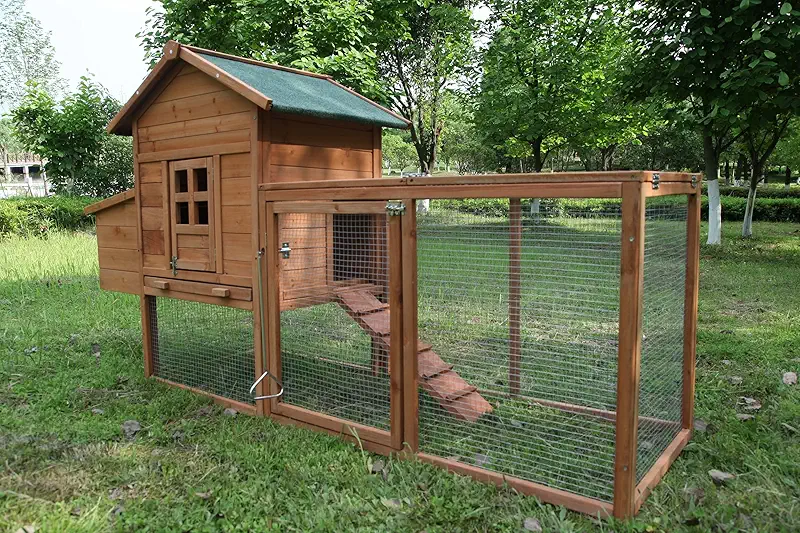
Why a chicken coop auto door is worth it
Let me tell you how I used to do it. Every single evening I’d stop whatever I was doing, grab a light, and go shut the coop. In summer, that meant waiting until late to make sure all the hens were in. In winter, that meant trudging through snow at 4:30 p.m. If I was late, I worried about owls and raccoons. If I forgot, I didn’t sleep well at all.
A good chicken coop auto door solves three big problems: timing, safety, and human forgetfulness. The timer or light sensor opens the door at dawn and closes at dusk, even if you’re sick, away, or just finally sleeping in on a Saturday. The hens don’t care if you’re tired. Predators don’t either. An automatic door keeps their schedule tighter than any human can.
I remember the first winter after installing mine. We had an ice storm, roads slick, power flickering, and I stayed inside by the woodstove. The door still did its job. No slip, no fall, no freezing fingers on a metal latch. Just a quiet little motor doing what I used to do, only better and on time.
Real benefits I’ve seen in my flock
- Fewer predator scares around dusk and dawn.
- More consistent egg laying thanks to steady routines.
- Less stress for the hens and for me.
- Freedom to stay out late or leave early without guilt.
- No more “Did you shut the coop?” arguments at bedtime.
A chicken coop auto door isn’t about laziness. It’s about building a simple bit of reliability into a job that really can’t be skipped, even once.
Types of chicken coop auto door systems
Not all automatic doors are the same, and I’ve tried more than one over the years. Some are tough as a tractor, some are more delicate than a broody hen’s mood. When you look through different options, you’ll see a few main types.
Timer-based doors
These doors open and close at times you set. Simple idea, and it works well if your day and your daylight hours line up pretty consistently. I used a timer door for years. I just adjusted the schedule a few times a year as the seasons changed.
The big plus is control. You decide the exact open and close times. The downside is you have to remember to tweak it when daylight shifts. I like to set mine a bit after sunrise and a bit after dark, so I know all the hens have wandered in.
Light-sensor (dusk-to-dawn) doors
These use a small sensor that watches the light levels. When morning comes, the door opens; when evening darkens, it closes. I moved to this style later, and it feels a bit more “set it and forget it” for the seasons.
The trick is making sure the sensor isn’t sitting under a bright yard light or porch light that confuses it. I had to move one sensor once because my barn light kept telling it it was still daytime. Once I fixed that, it matched the natural routine of my hens even better.
Hybrid systems with manual override
Many of the better chicken coop auto door kits give you both options: timer, light sensor, and a manual button. That’s my favorite setup. Most of the time, I let it run on the light sensor. But if I know a bad storm is rolling in early, I can close it ahead of time with a tap.
What to look for in a reliable automatic door
Over the years, I’ve seen doors swell in the rain, motors give up in the cold, and cheap strings snap when a hen bumped them. When you’re looking through different options, there are a handful of things I always pay attention to.
Strong door material and smooth track
I like doors made from sturdy metal or tough plastic that won’t warp when the weather changes. If the door sticks, the motor strains, and sooner or later something gives. A smooth track or rail is just as important as the motor itself.
I run my hand along the edges and imagine dust, feathers, and ice getting in there. The simpler and smoother the design, the longer it will keep working without fuss.
Weatherproof housing
Your chicken coop auto door control box is going to sit out there through rain, snow, dust, and probably a flying bit of manure or two. Look for weather-resistant casings, tight seals, and clear proof it’s meant for outdoor use.
The first unit I ever bought had cheap plastic that cracked in our first real freeze. I learned my lesson. Now I look for tougher builds and actual weather ratings when I choose one.
Power source: battery, solar, or plug-in
I live in an area where power flickers now and then, so I like battery or solar-powered doors. Battery units are simple: replace the batteries once or twice a year. Solar setups can work well if the panel gets enough light.
If you go with a plug-in, make sure the cord is safe from chewing critters and not sitting in mud or standing water. I’ve seen more than one cord get chewed by bored rodents.
Safety features that actually matter
- Anti-squash or auto-reverse: If a hen is under the door, it should stop or reverse.
- Manual control: A simple button or switch to override the system.
- Clear status lights: So you can see at a glance if it’s open, closed, or stuck.
- Predator-resistant design: Doors that don’t leave gaps for raccoon fingers.
Trust me, raccoons are smarter than we give them credit for. If there’s a lip or a loose edge, they’ll find it.
Installing a chicken coop auto door without overthinking it
I’m a farmer, not an engineer, and if I can install one of these, you probably can too. The main thing is to take your time, measure twice, and think like a chicken and like a raccoon while you work.

Choose the right door opening
Most folks mount the automatic door on the existing pop door hole, the little doorway your hens already use. Check the size. You want the auto door to fully cover the opening with no gaps at the sides or bottom.
If your current opening is odd-sized, you might frame it smaller or larger with a bit of lumber so the new door sits square and tight. A crooked mount today is a jammed door tomorrow.
Height, ramp, and hen traffic
Watch how your hens move in and out now. If your ramp is steep or wobbly, it’s a good time to fix that. The bottom of the auto door should sit just above the floor or ramp, high enough not to drag through bedding or snow, but low enough that even your chubby hens don’t struggle to step in.
Line of sight for the sensor or timer
If your door uses a light sensor, think about where sunrise actually hits your coop. Mount the sensor where it gets natural light, not buried under a roof or inside the run. If it uses a timer only, make sure you can easily reach the controls from outside the coop.
Training your hens to trust the new door
Chickens don’t love change. If you suddenly swap their entrance, they might stand outside yelling about it. I’ve had more than one hen look at a new automatic door as if it were some kind of government project.

First week: gentle introduction
For the first couple of days, I like to leave the automatic door in “manual” mode, propped open, so they get used to the new doorway. I’ll toss a little scratch grain just inside to encourage them to walk through.
After they’re using it freely, I’ll start the auto-closing at night, but I’ll be there at dusk, watching. If a hen looks confused or lingers outside, I’ll shoo her gently in and maybe leave the door open a bit later the next evening.
Listening to your flock
Each flock has its own rhythm. Some run in at the first shadow; some like to wander until it’s nearly dark. Once you see their pattern, you can fine-tune the timer or sensor settings if your door allows it.
I always say: technology is there to serve your flock, not the other way around. If the door is closing too tight on their routine, adjust it.
Predator protection: why the door matters so much
Predators learn patterns. When they realize your hens go in at dusk and that little door closes, they might start showing up five minutes earlier every night. A reliable chicken coop auto door helps you stay ahead of that game.

I’ve had raccoons, possums, skunks, foxes, and even the occasional wandering dog poke around my runs. They usually come at the same hours: right after dark or right before sunrise. That’s exactly when humans are most likely to miss a door.
Keeping the bottom edge tight
A strong door isn’t enough if there’s a gap at the bottom big enough for paws to work at. When you install, look at that bottom edge like a predator would. Can anything dig, pry, or squeeze under it?
I’ve added a small threshold board under one of my doors to close up a gap. Cheap fix, and it stopped an opossum from working his nose under there.
Side-to-side security
Doors that slide in tracks or channels on both sides are harder to pry open. Raccoons have nimble fingers. If the door just swings or sits loose, they can sometimes tug it open enough to cause trouble.
When you look through different options, imagine a determined raccoon hanging off that door like a little burglar. If he can’t get any leverage, you’re on the right track.
Daily and seasonal care for your auto door
Even a good chicken coop auto door needs a little care. Not much, but enough to keep it from getting sluggish or clogged up. I treat mine like any other farm tool: a little regular attention keeps it from failing when you need it most.

Weekly quick check
- Brush off dust, cobwebs, and loose feathers around the door.
- Check for bedding or mud piled up at the threshold.
- Watch one full open and close cycle while you’re nearby.
I usually do this while I’m topping up feeders and waterers. Only takes a minute, and it’s saved me from surprises more than once.
Seasonal deep check
- Replace or recharge batteries before the coldest part of winter.
- Check screws, hinges, and tracks for rust or shifting wood.
- Test the safety stop or auto-reverse if your door has it.
- Make sure the sensor or control screen is still sealed and dry.
Out here, we say wood moves more than some people. Coops settle and shift. Giving the door a good look each season keeps it running like it should.
Matching your chicken coop auto door to your coop and flock
Every coop is a little different. I’ve had small backyard coops, converted sheds, and a big walk-in coop we built from rough-cut lumber. The right automatic door for a tiny suburban flock isn’t always the right one for a big mixed-age barnyard herd.

Small backyard flocks
If you’ve got half a dozen hens in a tidy coop, you don’t need anything huge. A compact, reliable door with basic timer or light control is enough. Quiet operation is nice if your coop is close to a bedroom window.
Larger or mixed flocks
Bigger flocks mean more traffic at the doorway and more dust in the air. For those setups, I like a slightly wider opening and a sturdier motor. If you’ve got hefty breeds like Brahmas or Orpingtons, give them enough room so they don’t bump and hesitate at the door.
Cold-climate and hot-climate coops
In cold places, look for motors rated for low temperatures and housings that won’t crack. In hot and sunny spots, weatherproofing and UV-resistant plastics matter more. My first southern summer nearly cooked the cheap plastic on an older unit.

How an automatic door fits into good laying hen care
A chicken coop auto door is just one piece of the puzzle. Healthy, steady egg production depends on routines, safety, feed, and calm birds. The door helps with the first two.
When hens know the coop closes at night and opens every morning on time, they settle into a quiet pattern. They roost better, they stress less, and they put their energy into eggs instead of panic. That calmness shows up in the nest boxes.
I also like that an automatic door keeps the flock inside on rough, windy mornings until the light is up. They’re less likely to wander into trouble, and the coop keeps its warmth a bit longer. On hot days, I sometimes adjust things so the door opens earlier, letting cool morning air in.
If you’re browsing different doors right now, take your time, think about your weather, your coop style, and your own habits. Pick something that fits your life, not just the prettiest picture. Out here, the quiet little tools that work every day are the ones that matter most.