
Chicken Coop Automatic Door
Chicken coop automatic door
I’ve been raising laying hens in the States for more years than I care to count, and I’ll tell you this: the day I put a chicken coop automatic door on my main coop was the day my sleep got a whole lot better. Coyotes, raccoons, stray dogs, and my own forgetful brain stopped keeping me up at night.
If you’re tired of racing the sunset to shut the coop, or dragging yourself out of a warm bed at dawn to let the girls out, an automatic door can feel like a quiet farmhand that never complains and never takes a day off.
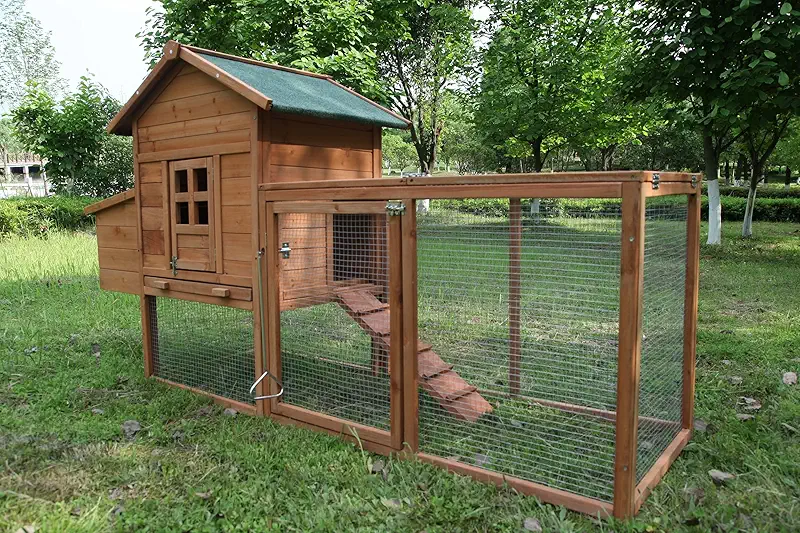
Why a chicken coop automatic door changed my chores
When my kids were little, I used to set an alarm on my phone that said “CHICKENS!” around sunset. One evening I was fixing a tractor tire, the phone was in the truck, and the sun went down faster than my memory. I remembered the hens when I heard a racket by the coop. Raccoon had already grabbed one, and I still feel bad thinking about that night.
After that, I decided I’d let machines help where my brain clearly needed backup. A chicken coop automatic door doesn’t make you lazy; it makes you consistent. And with chickens, consistency is the whole game: same bedtime, same wake time, same sense of safety.
Since installing automatic doors on my main coops, I’ve seen:
- Fewer predator problems, especially in late summer and fall.
- Calmer hens at night, less flapping and fussing.
- More steady egg production because their routine is solid.
- Less guilt when I’m stuck in town after dark or sleep past sunrise.
How a chicken coop automatic door actually works
Folks sometimes think these doors are complicated gadgets, but they’re really just a simple frame, a moving panel, and a little brain that tells it when to open and close. Let me break it down in farmer terms.
Main parts you’re dealing with
- Door panel: usually metal or heavy plastic, slides up and down.
- Tracks or rails: guide the door so it doesn’t jam and catch.
- Motor or gear unit: pulls the door up, lets it down steady.
- Controller: the little brain where you set time or light levels.
- Power source: batteries, plug-in, or solar panel.
Once you mount it over the opening of your coop, that’s about it. From then on, your main job is just checking batteries and making sure the opening isn’t packed with ice, mud, or shavings.
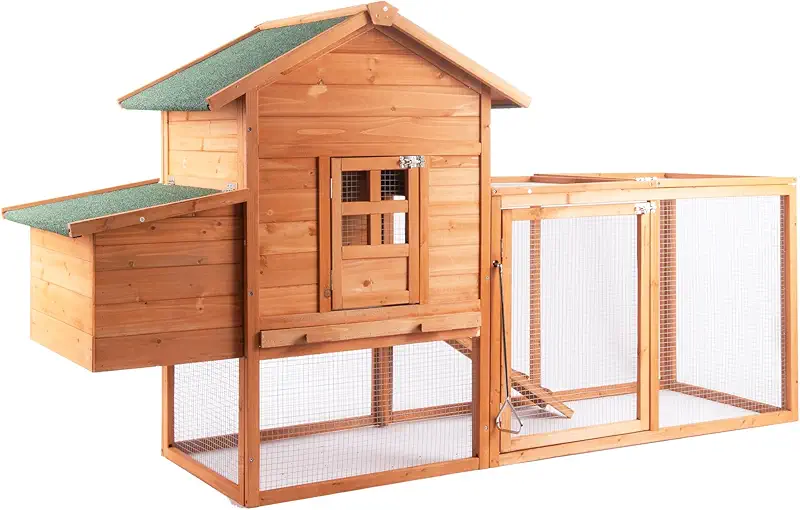
Two ways these doors “know” when to move
Most chicken coop automatic door models use one or both of these:
- Timer based: You tell it what time to open and what time to close. Good if your sunrise and sunset are pretty steady or you like full control.
- Light sensor: The door reads daylight and makes the call. It opens when it’s bright enough and closes when it’s getting dark.
On my main layer coop, I use a mix: light sensor to open in the morning, fixed time to close at night with a small delay after dark to make sure slow hens are tucked in.
Key benefits for your flock and your sanity
When folks ask if a chicken coop automatic door is really worth the money, I don’t start with convenience. I start with predators. Convenience is just the gravy on top.
1. Better predator protection
Predators don’t punch a time clock. Raccoons and opossums like late evening. Coyotes and foxes will test you at dawn and dusk. If your birds are shut in tight at those times, you’ve already won half the battle.
- Door closes reliably even if you get busy or stuck away from home.
- No more “just ten more minutes” before going out to lock up.
- Less chance of that one night you’ll remember for years for the wrong reason.
2. Routine for stronger egg laying
Chickens are creatures of habit. They like the same thing, the same way, every day. When you keep bedtime and wake-up time steady, they settle better on the roosts, stress goes down, and steady hens lead to steady eggs.
I noticed fewer “mystery eggs” in weird corners of the run once my doors started opening at a predictable time. Hens went straight for feed, water, then nest boxes, not wandering around wondering when the old farmer was going to roll out of bed.
3. Less daily pressure on you
Life happens. Ball games run late, roads ice over, tractors break, bosses hold long meetings. With a chicken coop automatic door, your hens don’t pay the price for your human schedule.
On our place, the doors mean my wife doesn’t have to worry if I’m away, and I don’t have to call a neighbor every time we sneak in a weekend trip. The birds still get their sunrise and sunset, whether I’m there or not.
Now, will you still go out and say goodnight to them some evenings? Of course. I do. But it’s because I want to, not because I have to.
Different types of chicken coop automatic door setups
Not every coop, or flock, needs the same kind of door. Over the years I’ve used a few types and helped neighbors put in their own. Here’s how I think about it when I’m standing there, measuring a coop wall with a pencil behind my ear.
Mounting style
- Standard vertical slide: The door goes straight up and down. Simple, proven, and what I use on most of my coops.
- Horizontal slide: Less common, used where there’s no room above the opening. Handy for low roofs or weird layouts.
- Full kit with frame: Good if your current opening is rough-cut or you’re building a new coop and want it neat and square.

Power and control
- Battery powered: My favorite for most backyard folks. No wires to run, and a good unit will run months on a set of batteries.
- Plug-in (AC power): Works if your coop already has power for lights or a heated waterer.
- Solar assist: Nice if you’re far from the house and don’t want to track batteries as often.
- Timer only vs. light sensor: Some doors give you both, which is handy in places with big seasonal daylight swings.
I tell folks this: pick the power style that matches how you already run the coop. If everything else is battery-based and off-grid, stay with that. If you’ve already got power, a plug-in unit is fine.
Things I always look for before choosing a door
A chicken coop automatic door isn’t something I want to fiddle with every weekend. I want it to work, keep working, and not mind a little dust, feathers, and farm language.
1. Strong build and weather sense
- Metal or tough plastic door that won’t warp with moisture.
- Sealed electronics so a rainstorm doesn’t end your coop security plan.
- Hardware that stands up to winter freezing and spring mud.
I live where we see hot summers and cold winters. A flimsy unit might work fine in a catalog picture, but it won’t last long once the wind starts howling.
2. Safety features for your hens
- Obstacle detection: Some doors stop or reopen if a hen is in the way. That’s peace of mind.
- Slow and steady closing: Fast slamming doors are for barns, not for birds with little toes.
- Manual override: So you can hold it open or closed for cleaning or moving birds.
3. Easy setup and simple controls
If a door takes a college degree to program, it won’t get used right. I like:
- Clear buttons and a simple screen or dial.
- Instructions that don’t assume you’re a computer engineer.
- Mounting holes that match normal lumber sizes.
Last thing I want is to be standing in the yard at dusk, reading a manual the thickness of a Sunday paper while the hens yell at me from inside the run.
4. Backup and reliability
A good unit will warn you about low batteries or show a clear error if something’s wrong. I check on mine during regular chores, but I like knowing it’s watching itself, too.
Installing a chicken coop automatic door without losing your patience
I’m no carpenter from the big city, but I’ve hung enough doors on old crooked sheds to know what really matters. It’s not perfection; it’s making sure the door can move freely and safely.
Basic steps I follow
- Measure the opening and compare it to the door kit’s frame size.
- Square up your opening with straight boards so the tracks aren’t twisted.
- Mount the frame level, checking both sides so the door doesn’t bind.
- Attach the motor unit as the instructions show (usually above the door).
- Run the door up and down a few times by hand or test mode.
- Set your open and close times or adjust the light sensor sensitivity.
Take your time on the mounting step. A straight, smooth track is the difference between a door that runs for years and one that groans like an old barn floor.
Little farmer tricks that help
- Put a small roof or awning over the door if your weather comes in sideways. Keeps rain and snow from packing in the tracks.
- Keep shavings or straw raked back from the inside of the opening, so the bottom of the door doesn’t sit on a pile of bedding.
- For winter, check the lower edge for ice. A light tap with a boot in the morning solves a lot of problems.
- Write the battery install date on a strip of tape inside the coop, so you’re not guessing six months later.
The first install will take you a bit longer. The second one, you’ll be giving advice to neighbors.
Everyday care to keep your automatic door running
A chicken coop automatic door doesn’t need much pampering, but like any piece of farm gear, a little attention now and then saves you headaches later.
My simple maintenance routine
- Weekly glance: While feeding, I watch it open or close once, just to be sure it’s moving smooth and straight.
- Monthly clean: I brush off dust, cobwebs, and feathers around the tracks and motor.
- Battery check: Every few months, or before the coldest part of winter, I swap in fresh ones.
- Winter watch: After ice storms, I make sure the bottom edge isn’t frozen into the ground or bedding.
This sounds like a lot written out, but in real life it’s about a minute here and there while I’m already doing chores.

What I do if something acts funny
If the door doesn’t open or close right, I don’t panic. I:
- Clear out any packed bedding or ice from the bottom of the door.
- Check batteries or power first; low power causes more problems than anything else.
- Reset the controller and run a test cycle with the hens still inside or outside safely.
And no matter what, if I think anything’s wrong, I close the coop by hand that night. It’s worth the extra walk.
Picking the right chicken coop automatic door for your own setup
The “best” door for me might not be the best for you. I run several coops, some closer to the house, some out by the back pasture. Over time, I’ve learned to match the door to the flock and the coop.
Think about your flock and coop
- Number of birds: Bigger flocks may need a larger opening so everyone can move in and out without crowding at dusk.
- Coop height and design: Low coops might favor horizontal or compact units.
- Climate: Wet or very cold areas call for sturdier housing and sealed electronics.
- Predator load: If foxes, raccoons, or weasels are common, I like heavy doors and tight frames that don’t leave gaps.
Think about your own habits
- If you’re often home at dawn but late at night, maybe you just care most about reliable closing.
- If you travel, or work shifts, an automatic open and close both become important.
- If you’re not “techy,” look for a door with simple buttons and clear labels.
I like to say: choose a door you won’t be afraid of on a dark, cold morning when your coffee hasn’t kicked in yet. Simple wins.

FAQ about chicken coop automatic doors
Final thoughts from an old farm hand
I grew up in a time when everything was done the hard way because that’s how it’d always been done. We shut coop doors by hand, rain or shine, sick or healthy, in boots or bare feet. These days, I’m not ashamed to let a little technology step in where it makes sense, especially if it keeps my birds safe.
A good chicken coop automatic door doesn’t mean you care less about your hens. It means you care enough to make sure they’re protected even on the days when life pulls you in six different directions. It means your birds get a steady routine, and you get a bit of breathing room.
If you’re on the fence about it, think about the value of one healthy hen over a full laying season, or the cost of losing a couple of birds to a raccoon that slipped in on that one late night. In my book, the math leans heavy toward giving the birds a solid, dependable door.

Whether you’re just starting with a handful of backyard hens or you’re running a growing flock, there’s likely a door style that fits your coop, your climate, and your way of doing chores. Take a look at what’s out there, picture it on your own coop wall, and choose the one that makes those morning and evening chores feel a little less rushed.
When you’re ready to let a sturdy little helper take over opening and closing chores, you can look through the different styles and setups available now.
I’ll explore the doorsWant to see more than just doors?
Doors are just one piece of the puzzle. The coop itself, the layout, the ventilation, and the way your run connects to the building all matter for healthy, steady egg production.

I like to think of the coop as the house, the automatic door as the front door with a good lock, and the run as the front yard. When all three are set up right, you spend a lot less time fixing problems and a lot more time just enjoying the sound of contented clucking and the sight of a full egg basket.
If you’re curious about different coop layouts, sizes, and setups that work well with automatic doors, there are plenty of designs to look over and learn from.

Ready to check every chicken coop available?
If your mind is already on bigger plans than just one more gadget for the wall, you’re not alone. Many of us start with a small flock, then realize we want a sturdier, roomier coop that works hand in hand with an automatic door, good ventilation, and a smart run layout.
Take your time, think about how many birds you truly want long term, and picture how you want your morning chores to feel a year from now. Calm. Quiet. A steady door opening, hens stepping out, and you sipping your coffee instead of sprinting in your boots.