
Chicken coop between $200 and $450
I’ve raised laying hens for more years than I care to count, through blizzards, heat waves, and one downright embarrassing rooster mutiny. If you’re looking for a chicken coop between $200 and $450, you’re right in the sweet spot where a small backyard flock can live safe, dry, and calm without draining your wallet.
Stick with me. I’ll talk to you like we’re leaning on a fence post, coffee in hand, sorting out what really matters for your hens.
What a $200–$450 coop really gives you
When folks ask me about a chicken coop between $200 and $450, they usually expect me to say, “you’re cutting it close.” Truth is, that range is where a lot of good, honest backyard coops live. You won’t get a palace, but your hens sure don’t need a palace. They need something solid, dry, and safe from the kind of critters that don’t bother knocking before dinner.
In this price range you can usually expect:
- Room for a small flock, usually 3–6 hens, sometimes 8 if the run is generous.
- Basic weather protection, good enough for most U.S. climates with a little farmer tinkering.
- A mix of wood and wire, sometimes a bit light, but fixable with a handful of screws and some common sense.
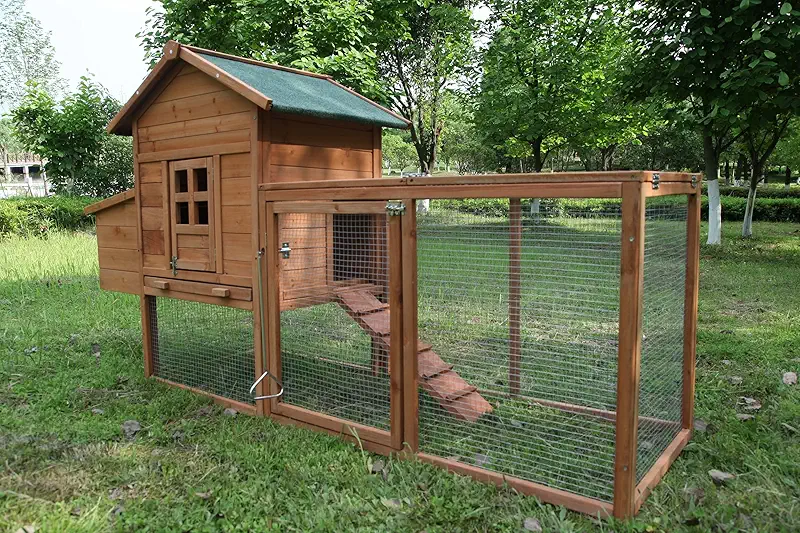
The fancy trim and cute windows you see in pictures might catch your eye, but your hens don’t care about décor. They care about staying dry, breathing fresh air, and not being on the menu for the local raccoons. So as we walk through this, I’ll talk more about strength and comfort than I will about how pretty the thing looks.
How many hens fit in a chicken coop between $200 and $450?
I see a lot of product pictures with twenty hens crammed around a tiny coop like they’re at a county fair sale table. Don’t believe it. I’ve watched hens long enough to know they like their elbow room — or wing room, I guess.
Here’s a simple way I explain it when neighbors stop by asking about coop sizes:
- Inside the coop (sleeping, nesting): 3–4 square feet per hen is decent.
- Outside run: 8–10 square feet per hen keeps them from turning the ground into a muddy mess too fast.
Most ready-made coops in the $200–$450 range are honestly suited for:
- 3–4 hens if you want them comfortable and calm.
- 5–6 hens if they free-range part of the day and only sleep inside.
I remember one summer when I tried to stretch a small coop to hold seven hens. By week two, the pecking order looked more like a full-blown political campaign. More squabbles, more bare backs, and a lot less eggs. Once I moved two hens out, everything quieted down, and my egg basket filled back up.
So when you look at any chicken coop between $200 and $450, take the advertised number of hens and subtract at least two. That’s usually the real capacity if you want healthy, steady layers.
The bones of a good coop: what matters most
When I judge a coop, I don’t start with the color or the cute little porch. I look at the bones. Same as looking at an old barn: if the frame is true and the roof doesn’t leak, you can fix almost anything else.
1. Frame and floor strength
In a chicken coop between $200 and $450, the frame is often light. Not junk, but not exactly tornado-proof either. Here’s what I pay attention to:
- Thickness of the wood: Thicker than a pencil, for starters. Thin wood splits quick.
- How it’s joined: Screws hold better than staples or tiny nails.
- Floor support: A raised floor helps with moisture and rats.
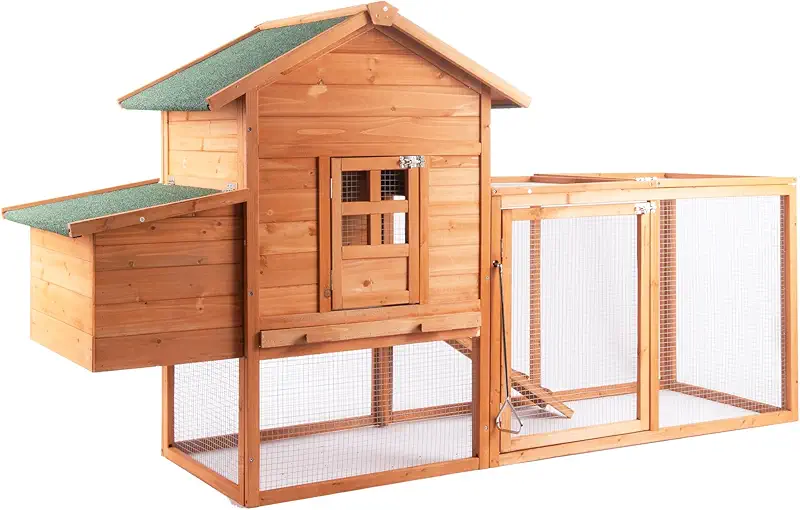
I had one bargain coop years ago that sagged in the middle like my uncle’s old pickup. A couple of 2x4s and some extra screws turned it from wobbly to solid in an afternoon. That’s the kind of tuning you should expect to do in this price range.
2. Roof and weather protection
Hens handle cold better than damp. It’s the wet drafts that put them in trouble. When you’re checking a chicken coop between $200 and $450, pay attention to:
- Roof overlap: There should be at least a little overhang so rain doesn’t run inside.
- Roof material: Shingles or solid panels beat thin felt alone.
- Gaps: Tiny cracks are fine; big gaps above roost height are not.

On my place, I’ve taken more than one prefab coop and added a small strip of metal or extra shingle along the edge of the roof. Cost me just a few dollars and saved me from soggy bedding and unhappy hens.
3. Doors, latches, and “varmint logic”
Coyotes, raccoons, possums, stray dogs — they all think a coop is a late-night snack bar. Raccoons in particular are clever little bandits. If you think, “No way they can open that,” they usually prove you wrong.
- Latches: Simple sliding bolts are a bare minimum. I like to add a snap hook or carabiner.
- Gaps around doors: You shouldn’t be able to slide more than a couple of fingers through.
- Wire type: Hardware cloth (small squares) beats thin chicken wire every time.

I still remember the night a raccoon figured out the cheap latch on my old side coop. Next morning, feathers everywhere and one very shaken hen up a fence post. After that, every door on my coops got upgraded latches, no exceptions.
Keeping your layers happy: space, roosts, and nest boxes
A good chicken coop between $200 and $450 can keep hens safe, but if you want eggs and calm birds, you need to think about how they live inside that box. Hens are creatures of habit and drama. Give them the right setup and they’ll reward you. Get it wrong and they’ll complain in their own ways.
Roosts: where hens sleep
Hens like to sleep up off the ground. In my barns, they always fought for the highest spot like kids fighting for the top bunk. Most coops in this price range come with at least one roost, but sometimes it’s too low or too skinny.
- Height: 18–24 inches off the floor works well for most backyard flocks.
- Shape: A rounded edge or a 2x2 laid flat is easier on their feet than a thin dowel.
- Space: Plan about 8–10 inches of roost bar per hen.
I like to watch them settle at dusk. If they’re crowding and shoving, I know I need to add or adjust the roosts. A calm roosting routine in the evening usually means calmer hens the rest of the day.
Nest boxes: where the magic happens
A nice quiet nest box is where your breakfast starts. In a chicken coop between $200 and $450, you’ll normally see 2–4 nest boxes for a small flock. That’s usually plenty.
- Number: One nest box for every 3–4 hens is fine.
- Height: Just lower than the roosts so hens don’t sleep in there and poop it up.
- Comfort: A lip on the front to keep straw and eggs from rolling out.

I had a hen once who refused every fancy nest box I built and insisted on laying her egg behind an old shovel. That’s chickens for you. But most of the time, if the box is dark, dry, and cozy, they settle right in.
Ventilation: fresh air without drafts
Chickens breathe out a lot of moisture, and their droppings do too. Without some fresh air, the coop can smell sharp and burn their lungs. But too much wind on them at night, especially in winter, is trouble.
When I look at any chicken coop between $200 and $450, I want to see:
- Vents or small windows up high under the roofline.
- A way to close or partly close vents during storms.
- No big open gaps at roost level during cold nights.

On my farm, I’ve nailed pieces of hardware cloth over vent openings, then added simple wooden flaps I can swing down when the weather turns mean. Doesn’t look fancy, but the hens don’t mind one bit.
Predator protection on a budget
No matter how quiet your neighborhood feels, the minute you bring home chickens every predator within a mile starts checking its calendar. A chicken coop between $200 and $450 can be made plenty safe, but you’ve got to think like a hungry raccoon for a minute.
Below the coop: digging predators
Foxes, dogs, and coyotes are like determined contractors — they’ll dig if they have to. If your run just sits on bare ground, you might as well hang a “dig here” sign.
- Bury hardware cloth or wire mesh 8–12 inches into the soil around the run.
- Or lay it flat on the ground like a skirt, 12–18 inches out, and cover it with soil or stones.
- Check corners and gates; that’s where they usually test first.
On the sides: chewing and pulling
Thin chicken wire keeps birds in, but it doesn’t always keep teeth out. I’ve seen raccoons reach right through cheap wire and grab what they can. Not the morning you want to wake up to.

- Prefer hardware cloth (the small square stuff) on lower 2–3 feet of the run.
- Reinforce weak-looking panels with extra staples or screws and washers.
- Check for any place a small hand could reach in near the roosts.
Above: wings and climbers
Some coops in this price range come with covered runs. Some don’t. An open-top run is an invitation for hawks, owls, and neighborhood cats to shop for dinner.
- If the run is open, stretch netting or wire across the top.
- If trees hang over, keep an eye out for climbing predators.
- Close hens into the secure coop at night, every night. No exceptions.

I’ve lost more birds when I got lazy about evening lock-up than any other way. Now, I treat closing the coop like brushing my teeth — just something that happens every single night, no debate.
Day-to-day life: making your chores easier
A chicken coop between $200 and $450 can either make your mornings peaceful or turn them into a muddy wrestling match with doors and feeders. A little planning on the front end saves you a lot of grumbling later.
Easy cleaning keeps eggs coming
Chickens are generous with two things: eggs and manure. If the coop is hard to clean, you’ll put it off, and your hens will sleep in a damp, smelly house. That’s when health problems start creeping in.
- Look for a door big enough to get a shovel or rake inside.
- Removable trays make daily clean-up simple, even if they’re a bit flimsy.
- Plan your bedding: wood shavings, straw, or a deep-litter style.
On my farm, I like a deeper layer of dry bedding and a quick scrape under the roosts now and then. Once a season I do a full clean-out and the garden thanks me for it.
Feeders, waterers, and daily visits
A chicken coop between $200 and $450 won’t usually come with perfect feeder and water setups, but you don’t need anything fancy. Just think like a hen for a minute:
- Keep feed out of the rain and off the ground.
- Hang the waterer low enough for them to drink, high enough so they don’t kick bedding into it.
- Leave yourself room to walk in, bend down, and reach everything.
I like visiting my hens at the same time each day. They learn your rhythm. After a while they’ll meet you at the door with that soft little chatter that says, “We know who brings the good stuff.”
Weather tweaks for your climate
The United States is a big place. A coop that’s perfect in Tennessee might struggle in North Dakota or Arizona. When you’re eyeing a chicken coop between $200 and $450, think about where you live.
- Cold climates: Add wind blocks on the north and west sides. More bedding, less draft.
- Hot climates: Shade, extra ventilation, and good airflow in the run matter more than walls.
- Wet climates: Focus on roof overhang, drainage, and raised floors.
I’ve nailed old barn boards on the windy side of coops, stretched shade cloth on the sunny side, and laid gravel where puddles formed. None of it looked pretty, but every bit of it kept the birds healthier.
FAQs about choosing a chicken coop between $200 and $450
If you’re ready to look over more than one chicken coop between $200 and $450, take your time, think about your birds, and picture yourself doing chores there every day. The right coop is the one that keeps your hens calm and your mornings simple.
Let me see options