
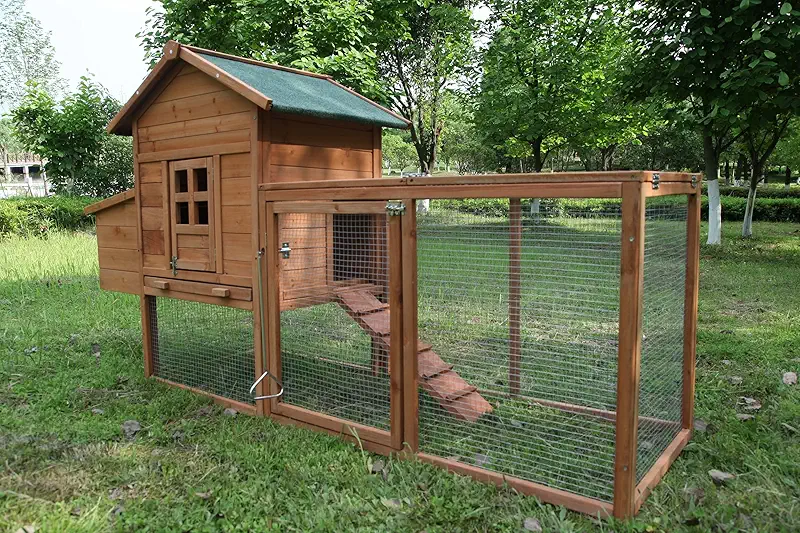
Why this price range makes sense
When folks ask me what to expect for a chicken coop between $250 and $500, I tell them this: “You are shopping above headache level, but below show-off level.” In plain English, this budget will usually get you:
- Enough space for a small but happy backyard flock
- Wood or metal panels that can handle real weather, not just a summer breeze
- Doors, latches, and wire strong enough to slow down a hungry raccoon
- Features that make chores easier instead of a daily wrestling match
When I tried to save every last dollar years ago, I built a tiny coop from scraps. The hens were cramped, cleaning was a nightmare, and the roof leaked like an old watering can. By the time I patched it up three times, I had spent more time and money than if I had just started in this $250–$500 range with a good, solid coop.
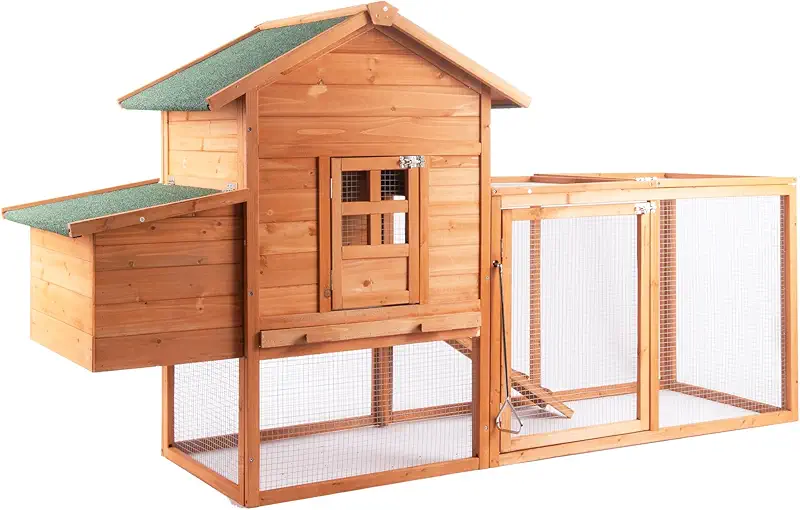
How many hens fit in a $250–$500 coop?
The short answer: fewer than you hope, and more than the box claims. Brands like to brag. Out here on the farm, I judge by comfort, not by labels. For laying hens, I use these rough numbers:
- Inside coop space: 3–4 square feet per hen
- Run space: 8–10 square feet per hen if they are confined most of the day
- Nesting boxes: 1 box for every 3–4 hens
Most pre-made coops in the chicken coop between $250 and $500 bracket are honestly suited for about 4 to 6 full-size hens, even when the label says 8 or 10. If you run standard breeds like Rhode Island Reds or Barred Rocks, trust my boots-on-the-ground advice: aim lower than the advertised number. Overcrowding leads to pecking, feather loss, and grumpy hens that lay fewer eggs.
I once squeezed nine hens into a coop that was really perfect for six. They let me know how they felt about it — by decorating each other’s backs with beak marks. I fixed it by giving them more room. The egg basket got heavier, and the feathers grew back. Lesson learned.
Key features to look for in this budget
Let’s walk through the features that matter most when picking a chicken coop between $250 and $500. Think of these like your checklist while you browse.
1. Sturdy frame and weather protection
Out here, wind, rain, and sideways snow don’t care what you paid; they just test the build. In this range, you should expect:
- Framing that doesn’t wiggle when you push on it
- A roof that sheds water, not collects it
- Panels that don’t feel like thin cardboard when you knock on them
If the coop you’re eyeing looks cute but weighs almost nothing, be careful. A strong gust or one heavy, wet snowfall can turn “cute” into “kindling.” I like a coop with a bit of heft. If it takes two people to move it, that is usually a good sign.

2. Predator-resistant hardware
Every predator thinks a coop is a breakfast buffet. On my land I’ve dealt with foxes, raccoons, stray dogs, hawks, owls, and one very determined weasel. When I look at a coop, I imagine that whole crew testing it at 2 a.m.
For this price range, look for:
- Real hardware cloth, not flimsy chicken wire, at least on the lower parts and windows
- Solid latches that need your fingers to open, not a raccoon’s clever little hands
- Small gaps — nothing larger than a half inch around doors and edges
I lost my favorite hen “Betty White” to a raccoon that opened a weak latch one summer night. Since then, if a latch looks like a child’s toy, I walk away or plan on upgrading it the first day.
3. Easy-to-clean layout
Comfort is nice for the hens, but you also have to think about your back and your knees. Coops in the chicken coop between $250 and $500 band often come with:
- Pull-out trays under the roosts
- Big doors or lift-up roofs for access
- Removable perches
A pull-out tray is worth its weight in fresh eggs. On cold mornings, I like to get in, scrape out the mess, drop new shavings, and be back inside before my coffee cools. If a coop makes you crawl on your hands and knees to reach the back corner, that corner will slowly turn into a stinking, fly-filled swamp. Ask me how I know.

4. Ventilation without drafts
Chickens can handle cold better than damp. The real enemy is stale, wet air. Look for:
- Vents high up under the roof line
- Windows that open but are covered in hardware cloth
- At least two openings on different sides to let air move
In my first winter with hens, I tried to “keep them warm” by closing everything. Instead, I gave them a damp, ammonia-filled box. They coughed, their combs looked pale, and the smell would knock your hat off. As soon as I opened vents up high, the coop smelled better, and they perked up. Warm bedding and good vents beat a sealed box every time.
Wood, metal, or combo: what suits you?
In the chicken coop between $250 and $500 range, you will see mostly wood, some metal, and a few mixed designs. Each has its own personality.
Wood coops
Wood feels cozy and looks right at home in a backyard. It is easy to modify with your own screws and boards. The downside is maintenance. I like to seal the wood with a safe outdoor stain and keep the coop a bit raised off the ground to slow down rot.
If you see bare, thin wood and staples everywhere, plan on reinforcing it. A Saturday with a drill, some extra screws, and a length of hardware cloth can turn a “pretty good” wood coop into a rock-solid one.

Metal coops
Metal coops, often with tube frames and panels, can be tough as nails. They shed rain well, and the wire sides let in plenty of air. Just be careful in very hot sunny spots; metal can turn into an oven if there is no shade.
I have one metal run I use as a “summer house” for my younger pullets. I throw a tarp over part of the roof, add extra roosts, and they love the airflow. In winter, I shift them back to a more closed, wooden setup.
Combo and modular coops
Some setups in this price band give you a small wooden house with a metal or wire run attached. Those can be a nice balance. Just check how the pieces connect. Loose joints turn into rattling, wobbling points the first time a dog slams into the side.

Three typical coop “personalities” in this range
Let me paint three common types of chicken coop between $250 and $500 you will run into, so you can match one to your life, not just your wallet.
The compact backyard starter
- Looks like a tiny barn or cottage
- Attached run, maybe 6–8 feet long
- Pull-out tray and 2 nesting boxes
This is for someone who wants a small flock for fresh eggs and a bit of company in the yard. It fits along a fence line and doesn’t make the neighbors nervous. Just be honest about flock size; four hens will be happier than six in most of these.
This size feels rightThe mid-size family flock coop
- Taller walk-in or at least stand-and-reach height at one side
- Separate house and run, sometimes with doors between
- 2–3 nesting boxes and multiple roosts
This layout is what many of my friends end up with after their “starter coop years.” It gives enough space for a steady egg basket and easier access for kids to gather eggs without falling on their faces.
I’d grow into thisThe run-focused setup
- Longer, safer run with more wire panels
- Smaller closed house but room to stretch legs outdoors
- Good for areas with strict fencing rules
If your hens cannot free-range much because of neighbors, roads, or city rules, lean toward a coop that gives more safe outdoor space. Happy hens like to scratch, dust-bathe, and gossip all day. A long run lets them do that.
More room to roam
Extra touches that make life easier
A chicken coop between $250 and $500 will not include every bell and whistle, but some little details can make daily chores smoother.
- External nesting box lids so you can collect eggs without stepping inside
- Ramp with good traction so heavy hens don’t slip like they are on ice
- Pop-door access sized for automatic openers later, if you add one
- Raised floor to keep the coop drier and less drafty
My favorite little luxury is the outside nesting box lid. On cold, wet mornings I can snag the eggs and get back to my coffee without tracking mud all over the place. The hens don’t seem to mind either, as long as I close it gently.

My simple buying checklist
When I help neighbors pick a chicken coop between $250 and $500, we walk through this quick list:
- Can it comfortably house the number of hens you plan, not the number on the box?
- Does it have real ventilation and a solid roof?
- Are the latches and wire good enough to keep out raccoons and dogs?
- Can you reach every corner without crawling on your belly?
- Is there room to add a few small upgrades later if you want?
If a coop checks those boxes, then the rest — color, trim, and little decorative bits — is just icing on the cake. Or, I guess, feathers on the hen.
FAQ about chicken coops between $250 and $500
1. How many hens can I really keep in this price range?
Ignore the big numbers on most boxes. With a chicken coop between $250 and $500, I’d plan on: around 3–4 full-size hens in the smaller models and up to 6 in the better, roomier ones. If they free-range most days, you can stretch that a little. But if they stay in the coop and run all day, give them more space than the label suggests. Less crowding means calmer birds and steadier egg laying.
2. Will a coop in this range survive winter and summer?
If you set it up right, yes. Mine handled snowy winters and hot summers just fine with a few common-sense tweaks: raise the coop off the ground, make sure the roof does not leak, add dry bedding, and keep vents open up high. In hot months, give them shade and fresh water and keep the air moving. The coop doesn’t have to be fancy, just solid and well-placed.
3. Do I need to reinforce a pre-made coop?
I usually add a few things. With most chicken coop between $250 and $500 setups, I like to:
- Add extra screws where panels meet
- Swap or double up weak latches
- Add hardware cloth around the lower perimeter
These changes don’t cost much, but they turn a decent coop into one that can handle years of weather and nighttime visitors.
4. Is this budget enough for a first-time chicken keeper?
Absolutely. I actually think it’s the sweet spot. Go much cheaper and you fight the coop more than you enjoy the hens. Go way higher and you might feel silly if you decide chickens are not your thing after a year. With a chicken coop between $250 and $500, you get a serious setup without feeling like you built a second house just for birds.
5. What’s the one thing I should never compromise on?
Safety. Space and looks matter, but predators only need one weak spot to ruin your whole week. No matter which coop you like in this price band, make sure the doors close tight, the wire is strong and small-meshed, and the latches are something you’d trust overnight. If I can push on a panel and see it flex a lot, I either walk away or plan on fixing it before the sun goes down.
If you are ready to let your future hens move out of your imagination and into a real home, take a slow look through the different styles and sizes. Picture yourself out there at sunrise, coffee in hand, listening to your flock chat and cluck. That sound never gets old.
Show me all coops