
Chicken coop big
“Chicken Coop Big” might sound funny the first time you say it, but if you’ve ever watched a flock of hens in a cramped little box, you know why space matters. I’ve raised laying hens for decades on my small farm here in the States, and I can tell you straight: a big coop, set up right, is one of the best gifts you can give your birds and yourself.
Chicken Coop Big – Give Your Hens Room To Breathe
A big chicken coop is more than wood, wire, and a roof. It’s where your birds sleep, lay, gossip, and argue about who stole whose worm. When the coop is too small, they get cranky, loud, and sometimes bloody. When the coop is big enough and laid out well, they’re calm, healthy, and they pay the rent in eggs.
Over the years I’ve built coops out of old sheds, pallets, and once even an old horse trailer. I’ve also tried plenty of store‑bought coops. Some were decent; some were about as sturdy as wet cardboard. The size, more than anything else, decided whether those coops made my life easier or harder.
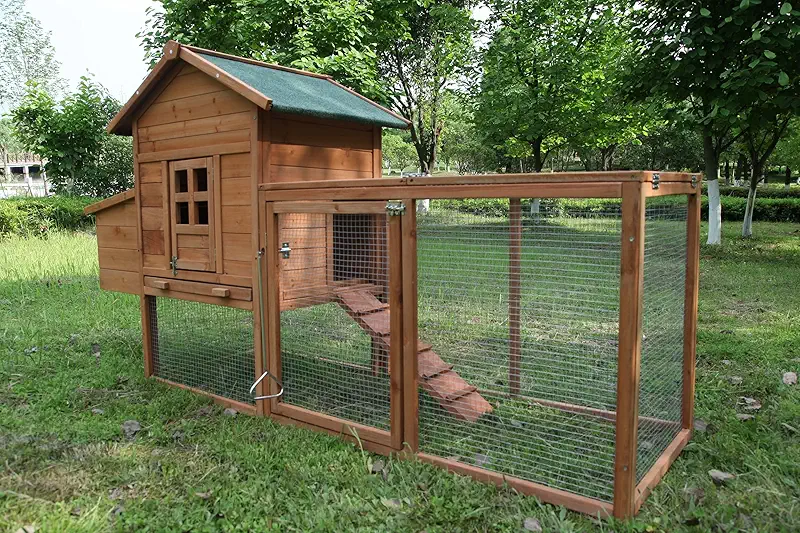
Why a Big Chicken Coop Beats a Tiny “Cute” One
I know those little picture‑perfect coops look adorable online. Fresh paint, tiny windows, perfect angles. Trouble is, most of them are sized for about two and a half chickens, and I’ve never met that half chicken yet.
When I first started, I made the same mistake. I put ten hens into a coop that should’ve had maybe four. Within a week, I saw pecked combs, bare backs, and one very angry Rhode Island Red who decided everybody else’s tail feathers were snacks. Egg production dropped, and the coop smelled like a locker room in July.
As soon as I moved them into a bigger coop, it was like someone flipped a switch. They spread out, dust‑bathed, and stopped picking on each other. Eggs picked back up, and so did my mood.
Here’s what a bigger coop does for you and your flock:
- Less bullying. Space lets lower‑ranking hens get away from the bossy ones.
- Cleaner air. More space means manure spreads out and dries; less stink, fewer flies.
- Better laying. Stressed hens lay fewer eggs. Roomy coop, less stress.
- Easier chores. You can move around inside instead of crawling on your knees like a raccoon.
- Room to grow. Chickens are like potato chips; you think you’ll have 4 and end up with 12.
How Big Is “Big Enough”?
I like to plan for at least 4 square feet per hen inside the coop, and more if you can swing it. So:
- 6 hens → 24 sq ft (for example, 4 ft × 6 ft)
- 10 hens → 40 sq ft (for example, 5 ft × 8 ft)
- 15 hens → 60 sq ft (for example, 6 ft × 10 ft)
If your birds are cooped during bad winters, I like to bump that up closer to 5–6 square feet per hen so nobody loses their mind when snow piles up outside.
Key Things to Look for in a Big Chicken Coop
Size is where you start, not where you stop. I’ve seen big coops that were just big drafty barns, and the hens shivered all winter. A good “chicken coop big” setup balances space, safety, and comfort.
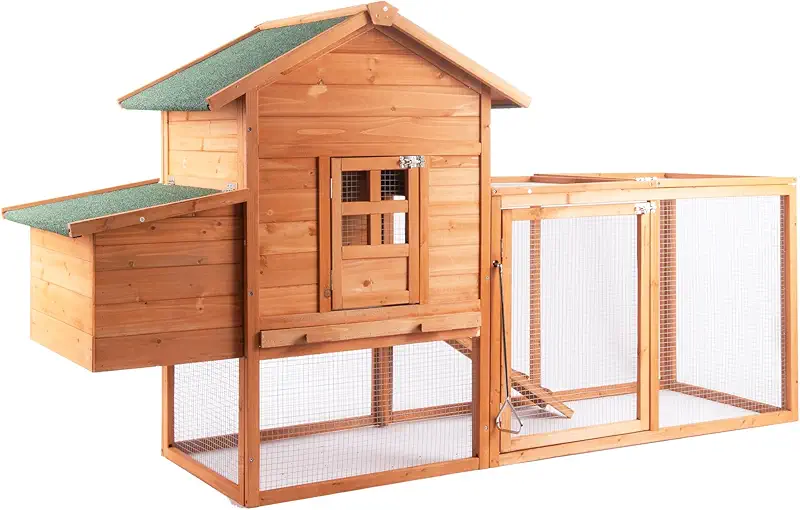
1. Strong Frame and Solid Floor
Chickens are easy to please; predators are not. Raccoons, foxes, dogs, and even rats will test your coop. Over the years I’ve learned:
- Sturdy lumber or metal frame keeps the whole thing from twisting or sagging.
- Raised floor (even 8–12 inches off the ground) helps with drainage, rot, and rats.
- Solid floor (wood or concrete) with litter on top is easier to clean and harder for anything to dig into.
I once tried a cheap big coop that sat right on the soil, thin plywood floor and all. Within a month, mice thought I’d built them a condo. Learned my lesson.
2. Real Ventilation (Not Just Tiny Holes)
Ventilation is the thing folks ignore until the coop smells like old socks and ammonia. In a big coop, you want:
- High vents or windows up near the roofline to let moist air out.
- Openings covered in hardware cloth, not chicken wire, so nothing can squeeze in.
- Airflow without drafts blowing right onto the roosts.
In winter I keep vents open, even when it’s cold. Dry cold is better than wet, stuffy air. Just keep the breeze off their backs at night.

3. Enough Roost Space
Chickens like to sleep up off the ground. In a big chicken coop, give them generous roost space so nobody has to sleep on the floor.
- 8–10 inches of roost per hen is a good rule.
- Use 2×3 or 2×4 boards laid flat, not skinny round poles; flat is easier on their feet.
- Keep roosts higher than the nesting boxes so they don’t sleep in the nests.
I once made the mistake of placing a low roost and nice high nesting boxes. Hens looked at the setup and said, “Beds upstairs, got it.” I spent weeks cleaning poop out of nest boxes before I fixed it.
Designing the Inside of a Big Coop for Laying Hens
A “chicken coop big” enough for your flock gives you room to set things up so you don’t work harder than you have to. Think of it like setting up a tiny barn you’re going to walk into every day.
Smart Nesting Box Setup
For laying hens, nest boxes are the heart of the coop. If you get them right, you’ll collect clean eggs in the same place every day instead of going on an Easter egg hunt in January.
- One box for every 3–4 hens is usually enough.
- Boxes about 12” × 12” × 12” work well for most breeds.
- Place them lower than the roosts and a bit to the side, where it’s dim and quiet.
- Add a little lip at the front so the bedding and eggs don’t roll out.
I line mine with pine shavings and sometimes a bit of straw. If I see a hen thinking about laying somewhere else, I’ll put a fake egg or a golf ball in the box to “show” her where the good spots are.

Feeders, Waterers, and Human Space
One reason I like a big coop is simple: I can walk in, stand up straight, and do chores even when it’s pouring outside. When I plan the inside of a larger coop, I think about three zones:
- Sleeping zone: roosts and droppings area.
- Laying zone: nesting boxes, calm and dim.
- Work zone: where I walk, clean, refill feed and water.
Keep feeders and waterers where you can reach them easily and the birds won’t kick bedding into them every five minutes. Hanging feeders at chest level (chicken chest, not yours) cuts down on waste.
Run Space and Outdoor Area for a Big Coop
A big coop pairs best with a generous run or yard. Chickens are happiest when they can scratch, peck, and gossip outdoors most of the day.

For the run, I aim for at least 8–10 square feet per hen, more if you can. The more space, the less mud, smell, and boredom. A few tips from years of muddy boots:
- Use hardware cloth low down (not just chicken wire) to stop digging and squeezing through.
- Bury wire or use an apron around the run to stop predators from digging under.
- Add a roof or cover over at least part of the run to keep out rain and snow.
- Throw in “toys” like stumps, branches, and piles of leaves to keep them busy.
I like to toss kitchen scraps or a handful of scratch into a pile of leaves. The hens go to town turning it over, and I get a little instant compost started.
Keeping a Big Chicken Coop Clean Without Losing Your Weekend
One of the fears folks have about a chicken coop big enough for a flock is that it’ll be a nightmare to keep clean. Done wrong, yes. Done right, it’s easier than a tiny coop you can barely reach into.
The Deep Litter Method
In my main coop, I use what’s called the deep litter method. Fancy name, simple idea:
- Lay down a good thick layer of dry bedding (I like pine shavings).
- Every week or so, stir the top layer and add fresh shavings where needed.
- Let the lower layers break down slowly, almost like a compost pile.
In a big coop this works especially well because there’s enough volume for things to compost instead of just turning into a wet mess. Once or twice a year, I do a deep clean and move all that old bedding out to the garden. The tomatoes say thank you.

Droppings Boards and Daily Habits
I like to mount a droppings board right under the roosts. Each morning, I scrape it off with an old putty knife. Takes five minutes, keeps most of the manure out of the bedding, and makes the whole coop smell better.
In a big chicken coop, I also keep a simple routine:
- Quick walk‑through every day: check water, feed, and general mood.
- Egg collection once or twice a day.
- Light tidy each weekend: top up bedding, stir litter, look for leaks or drafts.
Do those little things regularly and you won’t find yourself knee‑deep in a disaster wondering why you ever thought chickens were a good idea.
Personal Lessons From Years With a “Chicken Coop Big” Setup
Folks sometimes imagine farm life as peaceful sunsets and baskets of eggs. They forget the muddy boots, frozen waterers, and chasing one stubborn hen back into the coop when you’re already late for work.

Here are a few hard‑earned truths I’ve picked up about big coops and laying hens:
- Chickens grow, plans change. I started with 6 hens, then “rescued” a few more, then hatched some chicks. A big coop let me adjust without starting from scratch.
- Bad weather happens. When we had a week of ice storms, my hens spent almost all their time inside. That extra indoor space kept them from going stir‑crazy.
- Eggs tell the story. When my coop is too crowded or stuffy, eggs drop off and shells get weaker. When the space is right, they bounce back.
- Future‑proofing is cheaper. It costs less (in time and money) to start with a coop slightly bigger than you “need” than to rebuild everything two years later.
And yes, I still talk to my hens while I do chores. They don’t always listen, but they’re good company.
FAQ About Choosing a Chicken Coop Big Enough for Your Flock
1. How many chickens can I keep in a big coop?
It depends on the coop’s actual floor space and how much time your birds spend outside. For standard laying breeds, I like at least 4 square feet per hen inside the coop, and 8–10 square feet per hen in the run.
If winter is long or your birds are often confined because of predators, more space is better. I’d rather see you under‑stock a big coop and have happy hens than jam them in and deal with feather picking and stress.
2. Is a chicken coop big harder to keep warm in winter?
Surprisingly, not if it’s built right. Chickens handle cold pretty well as long as they are dry, out of the wind, and the air is fresh. A well‑ventilated, draft‑free big coop with deep bedding stays comfortable.
In my own large coop, we see below‑freezing temps, and my hens do fine without heat lamps. I focus on blocking drafts at bird level, keeping vents open up high, and using lots of dry bedding. The birds generate their own heat, and a bigger air volume actually cuts down on moisture buildup.
3. Do I need a run if my coop is big?
A big coop is great, but it doesn’t replace outdoor time. Chickens are built to scratch, dig, and roam. Even with a spacious indoor area, I always provide some type of run or yard.
If free‑ranging isn’t safe where you live, a large covered run attached to your big coop is the next best thing. Think of the coop as the bedroom and the run as the living room and backyard rolled into one.
4. What kind of flooring works best in a large chicken coop?
I’ve tried dirt, wood, and concrete. For a big chicken coop, I prefer a solid floor with deep bedding on top. Wood is fine if it’s up off the ground and protected from moisture. Concrete is wonderful for cleaning and blocking digging predators, but it can be colder underfoot, so I just use more bedding.
With a good solid floor, the deep litter method becomes much easier, and you don’t end up with tunnels from critters underneath your birds.
5. How can I tell if a “chicken coop big” model online is actually big enough?
Ignore the marketing pictures and look for numbers. Check the actual floor dimensions, not just how many chickens the listing claims it holds. Use that 4 square feet per hen rule as your sanity check.
I like to sketch the coop size on the ground in the yard or even lay out the size with a garden hose. Then I picture my birds moving around inside. If it feels tight on paper, it will be tight in real life too.
Taking the Next Step: Finding the Right Big Coop for Your Hens
If you’re still reading, chances are you care about doing this right, and your hens (or future hens) are lucky. A good chicken coop big enough for your flock saves you work, keeps birds healthier, and makes the whole experience more enjoyable.

When you look through different big coop options, keep these questions in your back pocket:
- Will this still work if I add a few more hens?
- Can I stand up and move around inside it?
- Is there real ventilation, not just decorative holes?
- Can I reach the nests and feeders without crawling?
- Does it look like it will handle a couple of winters and storms?
No coop is perfect, and almost every coop gets a few tweaks once it meets real chickens. But starting with a solid, roomy design makes everything else easier. Think long term, listen to your birds, and don’t be afraid to adjust as you go. They’ll let you know when you get it right—usually with a full egg basket and a lot of happy clucking.
If you’re ready to look around and see what kind of “chicken coop big” setups might fit your yard and your flock, take your time and trust your gut.
I’ll browse coops now