
Chicken coop boxes
Chicken Coop Boxes
I have been raising laying hens out here in the Midwest for more than thirty years, and if there is one thing I have learned, it is this: good chicken coop boxes are worth more than the fanciest tractor on the place. Eggs don’t show up by magic. Hens need a nesting spot that feels safe, dry, and quiet, or they will hide those eggs like Easter is every day.
On this page I am going to talk to you like I would talk to my own kids when they set up their first flock. We will keep it simple, honest, and down‑to‑earth. I will share what has worked on my farm, the mistakes that cost me eggs, and how the right boxes can turn a messy henhouse into a peaceful little egg factory.
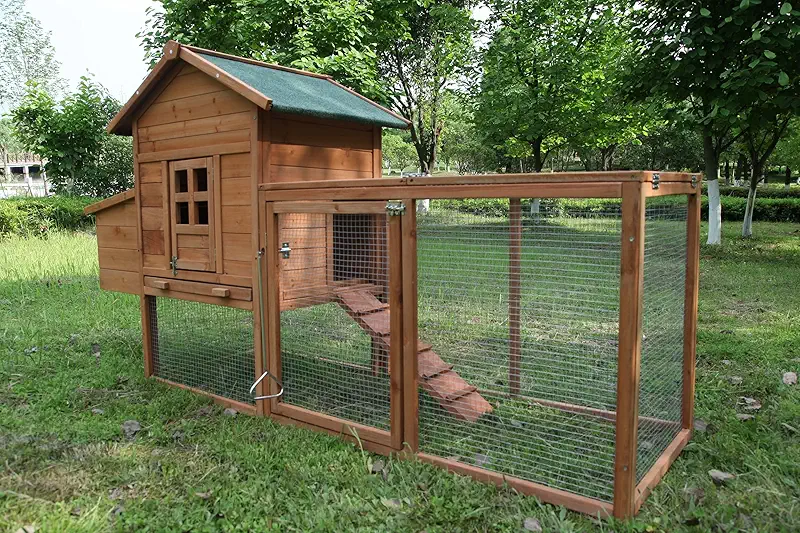
Why chicken coop boxes matter more than folks think
When someone first gets hens, they usually worry about feed, predators, or winter. Those are all important, but nesting boxes decide how many clean eggs you bring into the kitchen every day. A hen is like an old aunt who came to visit: if she does not like the room you put her in, she will wander off and settle somewhere else.
On my farm, I have seen hens lay in haylofts, behind feed barrels, under trailers, and once even in the front seat of my pickup when I left the window open. Every hidden nest cost me eggs and time. The day I finally put real thought into my chicken coop boxes, my daily egg count went up and my hunting‑for‑eggs time went down.
A good box tells a hen, “You are safe here.” Darker, cozy, with soft bedding and just enough privacy. When every hen gets that feeling, they line up to use the boxes instead of scattering eggs all over creation.
How many chicken coop boxes do you really need?
The common rule is one box for every three or four hens. That rule is about right, but I will tell you what I have seen: no matter how many boxes you build, your hens will pick a favorite and all try to use that one at the same time. Chickens are stubborn little copycats.
On one flock of twelve hens, I had five nesting boxes. Guess how many got used? Two. They had a pecking order, literally, lined up on the roost, waiting for their “special” box to open up. So do not panic if you see them crowding a couple of boxes and ignoring the rest.
Simple guide for flock size and boxes
- Up to 4 hens: 1–2 chicken coop boxes
- 5–8 hens: 2–3 boxes
- 9–12 hens: 3–4 boxes
- 13–18 hens: 4–5 boxes
- 19–24 hens: 5–6 boxes
A few extra chicken coop boxes never hurt anybody, especially if you plan to expand your flock later. Just do not feel you have to match every hen with her own private suite. This is a henhouse, not a hotel.
What makes a good chicken coop box? (Farmer‑tested checklist)
1. Right size for the hens
For standard hens, like Rhode Island Reds or Buff Orpingtons, a nesting box around 12 inches wide, 12 inches deep, and 12 inches high works well. I have used slightly deeper boxes and the hens did not complain. They are not picky about inches, but if it is too big they double up and break eggs, and if it is too small, they will avoid it.
2. Easy to clean
When you pick chicken coop boxes, think like the person who has to clean them. That is usually you. Smooth surfaces, removable trays, or boxes that tilt forward all make life easier. I am too old to crawl on my knees with a scrub brush every week, and I bet you do not love it either.
3. Keeps eggs from rolling out or getting crushed
A little front lip helps keep bedding and eggs inside the box. I like a front board about 3–4 inches high. Some of the fancier boxes are roll‑out style, where the egg gently rolls to a protected area. Those can be mighty handy if your hens love to scratch and kick straw everywhere.
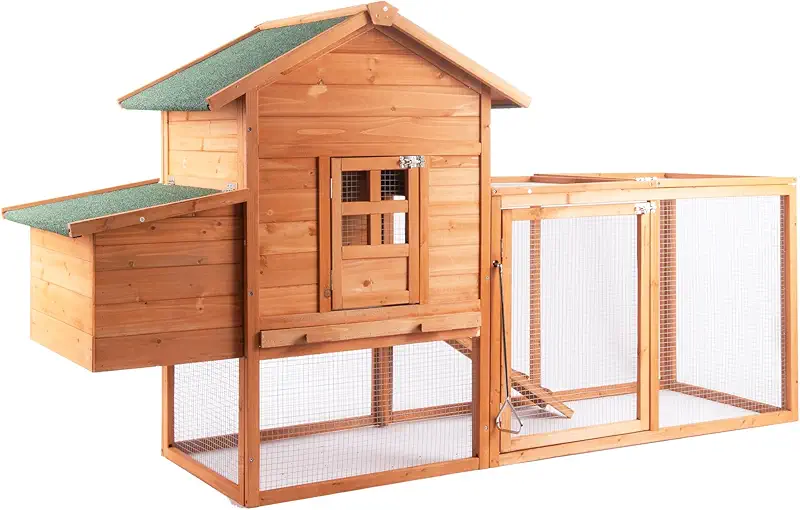
4. Ventilated but not drafty
A box should feel calm and still inside. I like solid sides and a more open front, with the whole coop getting fresh air. Cold wind blowing straight into the box will chase hens off the nest. Hot, stale air will make the whole coop smell like the devil’s armpit. So use chicken coop boxes that work well with the airflow of your coop.
5. Durable materials
I have built boxes from old plywood, scrap lumber, plastic barrels, and once from an old wooden crate. They all worked, but wood needs more cleaning and can soak up moisture. Metal and heavy‑duty plastic are easier to scrub and hold up better over the years. If you live where it gets real cold, metal can feel chilly, so plenty of bedding helps.
Height and placement: where to put your chicken coop boxes

Out here, I like my chicken coop boxes mounted so the bottom is around 18–24 inches off the floor. That is high enough to keep most litter out, but low enough for heavier hens to hop up easily. If your roosts are higher than the boxes, the hens will sleep on the roosts like they should, instead of trying to sleep in the nesting boxes and fouling them up.
Keep them in the quiet corner
Hens lay best where they feel left alone. I put boxes away from the main pop door and not directly under bright windows. Think of a cozy little nook. If kids, dogs, or you are walking right past the boxes all day, some shy hens will start laying under the coop or in the bushes.
Group the boxes together
Chickens like to see their sisters around, even when nesting. A line or small stack of chicken coop boxes makes them feel at home. Spread boxes too far apart and you are just giving them more places to hide eggs. I keep them grouped so I can collect eggs in one easy sweep.
Bedding for chicken coop boxes: what I use and why
I have tried about every nesting material you can think of: straw, hay, pine shavings, shredded paper, even dry leaves when I ran short one fall. The goal is simple: soft, dry, and easy to change.
Straw or hay
Straw is my old standby. It is cheap and easy to fluff. The hens like to scratch it into a nice little bowl. Hay works too, but it can get moldy if it gets damp. Moldy hay and chicken lungs do not get along, so I am careful with it.
Pine shavings
Pine shavings do a fine job, especially if you are already using them on the coop floor. I sometimes mix shavings with a bit of straw to keep the nest shape better. Stay away from strong cedar if you can; the smell can bother birds.
Nesting pads and liners
In recent years I started using nesting pads in a few of the chicken coop boxes, especially for older hens that tend to break eggs. These pads keep eggs up off the hard floor and are simple to clean. The first time I used them, I kicked myself for not trying sooner. Sometimes the “new things” are just easier versions of what we did the hard way for years.
Training your hens to use chicken coop boxes
Young pullets do not always know where to lay at first. They are like teenagers trying to find the bathroom in a strange house. You can give them a few hints so they pick your chicken coop boxes instead of a muddy corner.
1. Keep boxes ready before they start laying
I like to have the nesting boxes bedded and ready when pullets are about 18 weeks old. That way, when they feel that first urge, the boxes are already there, smelling right and looking inviting.
2. Use fake eggs or golf balls
I drop a few ceramic or wooden eggs, or even golf balls, into each box. Chickens are copycats. When they see “eggs” already there, they feel like that is the proper place to lay. I have watched a confused pullet hop into an empty corner, look at the fake eggs in the box, and then change her mind. Works better than a sign that says “Eggs go here.”

3. Block temptations and bad habits early
If you notice a hen laying on the floor or in a corner, gently move her egg into a nesting box and tidy up that corner so it does not look so inviting. Sometimes I will stack a bucket, feeder, or scrap board where they are trying to nest so they give up on that idea.
4. Collect eggs often
Gather eggs at least once a day, twice if you can. Full chicken coop boxes lead to broken eggs, and broken eggs lead to hens learning to eat eggs. That is a bad habit that is hard to fix. I lost a whole season of nice brown eggs one year to three hens that figured out the free omelet trick.
Common problems with chicken coop boxes and how to fix them
Hens sleeping in the nesting boxes
If hens sleep in the boxes, they will poop in there all night and you will get filthy eggs. Fix this by making sure the roosts are a little higher than the chicken coop boxes and comfortable. At dusk, if you see birds in the boxes, gently move them to the roost a few nights in a row. They usually catch on.
Broody hens hogging the boxes
A broody hen will camp out in a box 24/7 and grumble at anyone who comes near, including you. If you are not planning to hatch chicks, you can move her to a separate crate or pen for a few days with food and water but no nesting spot. That usually cools her off and frees the boxes for other layers.
Eggs getting cracked or dirty
Check the bedding depth and look for sharp edges or hard spots in the boxes. Roll‑out style chicken coop boxes can help with chronic breakage. If eggs are always dirty, your hens might be tracking in wet manure from outside, or they are sleeping in the boxes. Keep the coop floor dry and the roosts more appealing.
Hens ignoring the boxes
If they want nothing to do with your beautiful chicken coop boxes, ask yourself:
- Are the boxes in a loud or bright spot?
- Is the bedding dirty or damp?
- Are there mites or lice in the cracks?
Fix those and add a couple fake eggs. Most hens will change their minds once the boxes feel safe and quiet.
Different styles of chicken coop boxes (and when I use them)

Wall‑mounted wooden boxes
These are the old classic. You screw or nail them to the coop wall and fill them with bedding. Cheap, simple, and they get the job done. I still have a wooden bank of chicken coop boxes my granddad built, and they are going strong with a little patch‑up now and then.
Metal or plastic nest box systems
These are handy when you want easy cleaning and a tidy look. Some of them stack in tiers, which saves floor space in smaller coops. They are also nice for flocks where you do not want mites hiding in every wood crack.
Roll‑out nesting boxes
These boxes tilt slightly, so the egg rolls into a covered tray once laid. I like them for bigger flocks or when I am gone for part of the day. Eggs stay cleaner and safer, and hens are less likely to eat them since they roll away out of sight.
Freestanding and portable boxes
If your coop is more of a tractor or mobile setup, freestanding chicken coop boxes can be moved around as you shift the birds. I have used low, simple wooden crates with bedding that I could slide from one pen to another as needed. Not fancy, but the hens did not mind.

Keeping chicken coop boxes clean and healthy
Your hens walk through everything life throws at them: mud, manure, spilled feed, and whatever they find in the yard. So the places where they lay eggs need some regular care.
My simple cleaning routine
- Once a week, pull out any wet or heavily soiled bedding from each box.
- Top off with fresh straw or shavings so the nest is fluffy and soft.
- Once a month, scrape and brush the inside of the boxes, then sprinkle a light dusting of coop‑safe powder if needed.
- Check for cracks or nails that could catch feathers or skin and fix them.
If you ever see mites or lice, take it serious. Those little devils make hens miserable. Clean boxes, fresh bedding, and dry conditions help keep them away. I once let my old wooden boxes go too long without a deep clean, and I paid for it with a grumpy flock and fewer eggs until I fixed things up.

Choosing chicken coop boxes that fit your life
When you look at different chicken coop boxes, do not just think about the hens. Think about your own back, your time, and the way you like to do chores. A busy family with kids and jobs might want boxes that almost take care of themselves. A retired fellow with time on his hands might enjoy tinkering and building his own.
Ask yourself a few honest questions:
- How many hens do I plan to keep in the next two years?
- Am I okay with doing more hands‑on cleaning, or do I want easier surfaces?
- Do I need roll‑out boxes to protect eggs while I am gone during the day?
- Is my coop tall enough and strong enough for wall‑mounted systems?
I have used simple home‑built boxes and store‑bought setups, and both can work well. The “best” chicken coop boxes are the ones that keep your hens safe and you sane. If a design makes you dread egg‑collecting time, it is the wrong one, no matter how pretty it looks in the pictures.

FAQs about chicken coop boxes
Ready to set up your chicken coop boxes?
If you have read this far, you are already ahead of most first‑time chicken keepers. You understand that nesting boxes are not just a side thought; they are the heart of your egg‑gathering routine. Whether you go with simple wooden crates or a full metal system, what matters is that your hens feel safe and you do not dread cleaning day.
Take a moment to think about your coop, your climate, and your daily routine. Then look over different chicken coop boxes with those things in mind. Somewhere in that mix is a setup that will fit your birds and your life just right.