
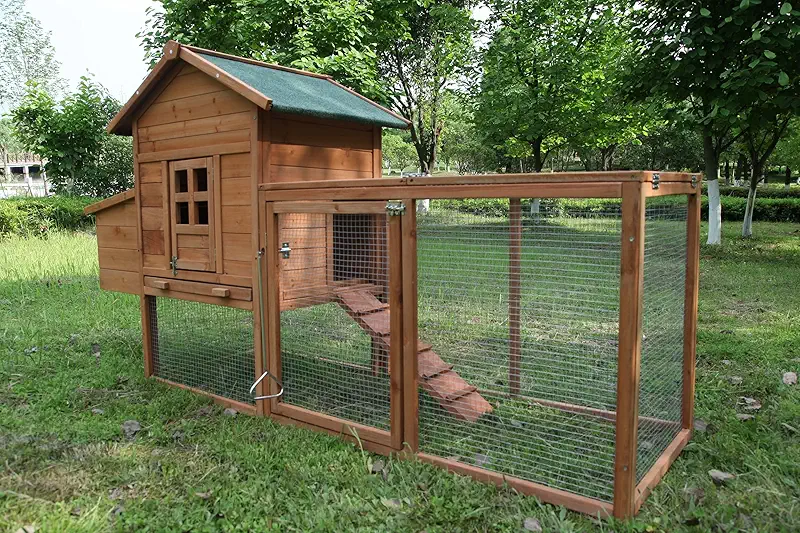
Why your chicken coop cage matters more than you think
When I bought my first cheap little chicken coop cage, I figured, “Wood, wire, door. How complicated can it be?” Well, a month later I had muddy eggs, cranky hens, and one very smug raccoon. That was my education, the hard way.
A good chicken coop cage is more than a box with wire on it. It’s a home, a bathroom, a dining room, and a safe bedroom for your hens. If that sounds dramatic, just wait until the first storm hits or the first predator comes sniffing around at midnight.
Over the years I’ve tried small backyard cages, walk-in runs, mobile tractors, and a few contraptions I’m a little embarrassed to admit I built myself. Some worked, some were firewood by the end of the season. From all that, I’ve boiled things down to a few simple truths that matter if you want steady, clean eggs and relaxed birds.
If I wouldn’t sleep in that coop on a rainy, windy night (minus the feathers), it’s not good enough for my hens.
The heart of a good chicken coop cage
Let’s break down what actually makes a chicken coop cage worth your money and your hens’ trust. Fancy details are nice, but these basics are what keep your flock healthy and your mornings simple.
1. Space: don’t cram your ladies
Chickens argue when they’re crowded, just like family at Thanksgiving when there’s only one bathroom. For standard layers, I like to see:
- At least 3–4 square feet of indoor coop space per hen
- 8–10 square feet of run space per hen in the chicken coop cage
- Roosting bar room so they can all sit without stepping on each other’s backs
When I tried squeezing ten hens in a coop meant for six, egg laying dropped, pecking went up, and one hen turned into a full-time bully. Gave them more space and, like magic, peace returned and yolks got brighter.
2. Ventilation without drafts
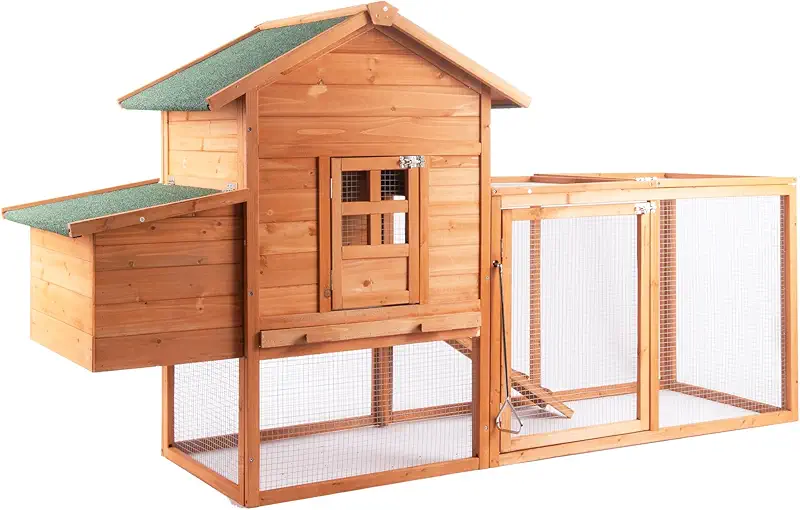
Chickens can handle cold better than damp. The biggest mistake I see is folks sealing up a chicken coop cage so tight that moisture builds up. That leads to frostbite and respiratory problems.
You want vents up high, above the roosts, so the warm moist air can escape while the hens stay out of the direct breeze. I like windows I can close in sideways rain, but leave cracked most of the year.
One winter I taped up every crack like I was wrapping leftovers, thinking I was doing my hens a favor. Within a week, comb tips were turning black from frostbite. I opened the vents back up, and they healed.
Step inside your coop cage, shut the door, and just breathe for a minute. If it feels stuffy or smells sharp, your hens are breathing that all night long.

3. Predator protection: the real test of a chicken coop cage
Out here I’ve met foxes, raccoons, coyotes, neighborhood dogs, and one very patient hawk. They all read the same menu, and your hens are on it. A solid chicken coop cage makes it hard for them to turn dinner plans into reality.
Here’s what I look for:
- Strong hardware cloth (not flimsy chicken wire) on any openings
- Secure doors with latches that don’t pop open if a raccoon fiddles with them
- Wire buried or flared out along the ground to stop digging
- Sturdy frame that doesn’t wobble or twist
One of my early cages had chicken wire all around. Cute, light, easy to staple. Also easy for a raccoon to peel back like a can of beans. I don’t use plain chicken wire for predators anymore—just for keeping hens out of the garden.

4. Easy cleaning makes steady eggs
I’m going to be honest: a chicken coop cage that’s a pain to clean ends up dirty. A dirty coop means smelly air, more flies, and eggs that look like they lost a bar fight.
When you’re choosing a chicken coop cage, think about your back and your patience:
- Big doors so you can step in or at least reach every corner
- Removable trays or dropping boards under the roosts
- A roof you can hose down without worrying about rot
- Smooth surfaces inside that don’t grab every bit of dust
My favorite setup now is a coop with a waist-high dropping board I scrape every few days. Takes five minutes, and the hens thank me with cleaner eggs and quieter clucks.

Nesting boxes, roosts, and little details that matter
Once the basics of your chicken coop cage are there—space, air, safety—the small details start to show up in your egg basket and in how calm your flock is.
Nesting boxes: where the magic happens
A good rule I use is one nesting box for every three or four hens. They’ll still all pick a favorite and line up like it’s the only one in the world, but the extras keep the peace.
I like nesting boxes that:
- Are a bit dim and cozy, not in the brightest, noisiest corner
- Have a little lip so eggs don’t roll out
- Are easy to reach from outside, so I can collect eggs without chasing birds
I once had boxes right by the main door. Every time I opened it, hens would hop out mid-lay like someone walked in on them. Moving the boxes to a quieter back wall fixed that.
Roosts: bedtime on the bar
Chickens like to sleep up off the ground. A good roosting bar is usually a rounded 2x4 with the wide side up, so they can sit flat and keep their feet warm. I stagger roosts like a little ladder so they’re not pooping on each other all night.
Just remember: the higher roost is the “best seat.” If one bird is bossy, give her a spot and make sure the others still have enough room, or bedtime turns into a nightly wrestling match.

Setting up your chicken coop cage for laying hens
Laying hens are creatures of habit. If the chicken coop cage is calm, dry, and predictable, they lay like clockwork. If things feel off, they’ll let you know—with empty nests.
My simple daily routine
Here’s how I use my chicken coop cage on a normal day with my layers:
- Morning: open the door to the run, check feed and water, quick look at the flock
- Midday: collect eggs, peek in the nesting boxes, toss a little scratch to keep them busy
- Evening: close them safely in the coop, quick head count on the roosts
This takes just a few minutes, and most of it depends on having a chicken coop cage laid out so I can reach what I need without climbing in like I’m joining the flock.

Seasonal tweaks that keep hens comfortable
Your chicken coop cage will feel different in July heat and January wind. I keep a simple system:
- Summer: more shade, extra water stations, wider-open vents
- Winter: extra dry bedding, vents still open but protected from wind, no drafts on the roost
- Rainy seasons: make sure the run doesn’t turn into a mud pit—raised areas help a lot
One summer I noticed the hens panting under the midday sun in the run. I stretched shade cloth over part of the chicken coop cage, and within an hour they were scratching around again like nothing happened.

How to choose the right chicken coop cage for your flock
Not every coop is right for every yard or every farmer. What works for me with a decent bit of land might not fit your small backyard, and that’s alright. The trick is matching the chicken coop cage to your real life, not the life you see in glossy photos.
Questions I’d ask if we were talking over the fence
- How many hens do you truly plan to keep (not just this year, but next)?
- Do you want to walk inside the cage, or are you okay reaching in from outside?
- What kind of predators do you have—foxes, raccoons, dogs, hawks?
- How often realistically will you clean and check on the coop?
- Is your yard flat and open, or sloped and tight on space?
Once you’re honest with those answers, looking at different chicken coop cage options starts to make a lot more sense. You’re not chasing the cutest one; you’re looking for the one that will still make you smile six months in.
When you look at a chicken coop cage, picture yourself in January, in the rain, in a hurry. If it still feels easy to use in that moment, that’s the right direction.