
Chicken coop camera
I have been raising laying hens on my little patch of American soil for more than thirty years. When I started, a “chicken coop camera” sounded like something from a big city gadget store, not a tool for an old farm boy. These days, though, I would not sleep half as well without one watching over my flock.
On a farm, the sun sets, but the worries do not. Raccoons do not punch a time clock, and foxes do not read the “No Trespassing” sign. A simple camera in the coop gives you eyes in the dark, proof when something goes wrong, and a quiet kind of comfort when you are away from home. Let me walk you through how a camera fits into real everyday chicken keeping, not just some fancy brochure talk.
Everything here comes from years of muddy boots, broken eggs, and lessons learned the hard way. If I can help you skip even one of my mistakes, then this old rooster’s typing is worth it.
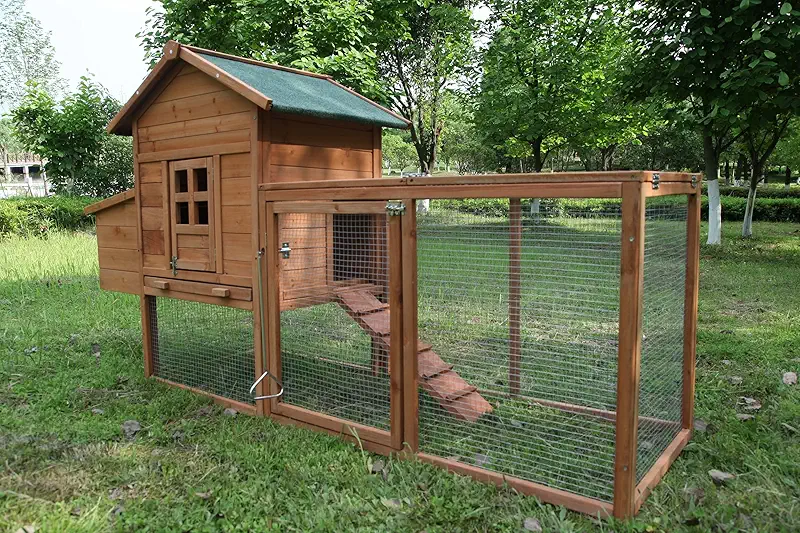
Why a chicken coop camera matters more than you think
Out here on the farm, I learned long ago that what you do not see usually costs you the most money. A tipped-over feeder you never noticed, a hen getting picked on every night, or a weasel squeezing through a gap smaller than your fist. A chicken coop camera does not raise the hens for you, but it helps you see the truth of what is happening when you are not standing right there.
I remember the night I finally gave in and put a camera in my main coop. My neighbor had lost half his flock in one week, and we could not figure out how. Next morning, we rolled back the footage like a detective show. Turned out a mink was sliding under his door just before midnight, as proud as could be. That little bit of video changed the way I protect my birds to this day.
So when I talk about a chicken coop camera, I am not thinking about tech for tech’s sake. I am thinking about your best layers, the birds your kids named, the eggs on your breakfast plate, and the feed bill you work hard to pay. A good camera is another farmhand, one that never gets tired and does not complain about working the night shift.
If I were starting over with chickens today, I would set up the coop and the camera on the same weekend. It is a lot easier to run a camera cable or test a wireless signal before the dust, feathers, and manure pile up. You can always ignore the camera feed, but when you need it, you will be grateful it is already there.
What I watch for on my chicken coop camera
Folks think the camera is only for catching predators. That is important, but I use mine every single day for simple, quiet checks. Most mornings, before I pull my boots on, I make a cup of coffee and glance at the live feed. It is like saying good morning to the girls without opening the door.
Nighttime head count and bedtime habits
At roosting time, the camera shows me who is where. A good flock settles in calmly. A nervous flock jumps, fusses, and reshuffles. If your birds are bickering every night, somebody is getting bullied. I have caught more than one bossy hen knocking a smaller one off the roost again and again. Without the camera, I would just see a rough-looking hen in the morning and wonder why.
When I notice the same hen sleeping alone in a corner, I know she might be sick or getting picked on. That tells me to check her over in the daytime: weight, crop, breathing, and comb color. The camera lets you see the little warnings before they turn into vet bills or a bird you find too late.
Feed, water, and hardware checks
I also use the chicken coop camera like a lazy man’s flashlight. I check that the hanging feeder is not twisted sideways, that the waterer has not been kicked full of bedding, and that the automatic door actually shut when it should. More than once, I have seen the door stuck on a chunk of ice or a rock. Ten seconds of camera time saved ten hens from sleeping with the raccoons.
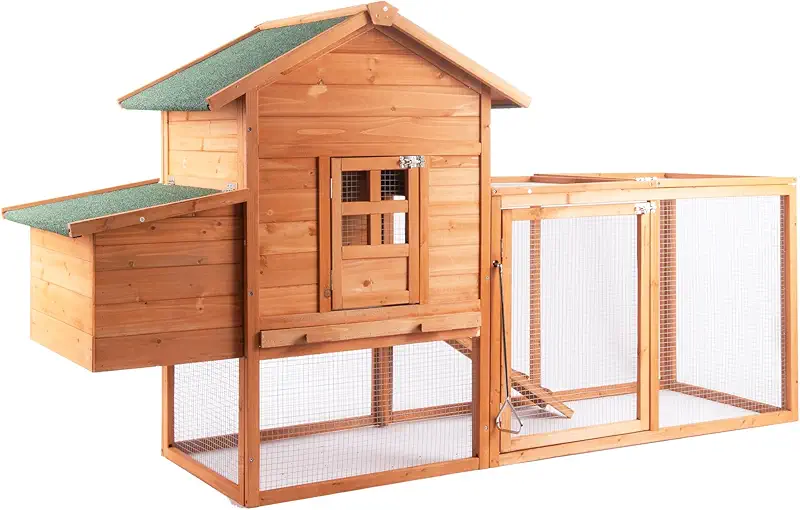


Predator patterns and sneaky visitors
The biggest gift of a chicken coop camera is learning when and how trouble shows up. Around here, raccoons stroll in just after dark, foxes closer to sunrise, and stray dogs whenever they feel like it. Once you know the visitor’s schedule, you can tighten things up properly.
On my place, the first raccoon on camera showed up at 10:43 p.m. Smug little bandit walked the fence line, sniffed every corner, and even stood up and tested the latch with his nimble fingers. That told me two things: my gate latch was too simple, and my electric netting needed to be on and hot well before dark.
A chicken coop camera does not scare predators, but it helps you understand them. And once you understand them, you can outsmart them. That is one of the oldest farm tricks in the book.
Features that really matter in a chicken coop camera
People online argue about all kinds of fancy specs, but from one farmer to another, here is what actually matters in a chicken coop camera when you are dealing with dust, feathers, and the occasional flying pile of manure.
1. Night vision you can actually see
Most of the important stuff in a coop happens in the dark. You want clear night vision, not a fuzzy gray fog. I like a camera where I can tell one hen from another even at midnight. If you cannot see who is who, you will miss the story the camera is trying to tell you.
Look for a camera that handles low light well and has decent infrared. I do not care what the box says; if you cannot tell a red hen from a barred rock on the screen, the camera is not doing its job.
2. Reliable power and signal
On a windy February night, you will not care about “smart features” if the thing shut off because the Wi-Fi was weak. For my own coops, I usually choose one of two setups:
- Wired camera to the house if the coop is close enough. That is boring, solid, and dependable.
- Weatherproof wireless camera if the coop is farther away, but I still test the signal at night when the air is damp and the temps drop.
Whatever you choose, treat power and signal like fencing: build it stronger than you think you need, and you will sleep better.
3. Weather resistance and coop toughness
A chicken coop camera has to live in a world of dust, feathers, and curious beaks. My hens peck anything new, especially if it shines or blinks. So I mount the camera where they can see it but not reach it. If it is outside, it needs to handle rain, snow, and that sideways spring wind that blows grit into everything.
A smooth housing you can wipe clean is worth more than some shiny, delicate design. You will be surprised how fast a spider can spin a web right across your lens and make your flock look like ghosts.
Whenever I look at different chicken coop camera options, I ignore the big marketing words and ask myself three plain questions: Will it work in my worst weather? Can I see what I need at night? And can I figure it out without a teenager’s help? If the answer is yes, then it is good enough for this old farm.
Where to place your chicken coop camera
Mounting the camera right is half the battle. Put it in the wrong spot and you will enjoy lovely close‑ups of a single 2x4 and no clue what the hens are doing.
My favorite inside angle
Inside the coop, I like the camera high in a back corner, pointing across the roost bars and down toward the pop door. That way I see who makes it to bed, who sleeps low, and who slips in or out late. I avoid pointing it straight at the main light or window, or else the picture turns into a bright blob with moving shadows.
Watching the doors and run
Outside, I put another camera watching the run and whatever path a predator would likely use. Foxes tend to follow fence lines or hedgerows, raccoons like to test gates, and stray dogs just crash in through the most open path. Aim the camera so you see not just the coop, but the approach. That gives you a few extra seconds of warning and a better idea where to strengthen your defenses.


Keeping the lens safe from curious beaks
Chickens love to peck at anything shiny, blinking, or new. I learned that the hard way when one of my hens, a bossy Rhode Island red, tried to “redecorate” my camera by pecking the lens every evening. I moved the camera just a foot higher and added a small wire guard, and she lost interest.
If you are mounting inside, try to:
- Place the camera above head height for your tallest hen.
- Aim slightly downward so droppings from the rafters do not land on it.
- Keep it away from direct dust clouds from bedding areas.
A little ladder time on installation day saves a lot of ladder time later.
How a chicken coop camera helps egg production
Folks are often surprised when I say the coop camera helps with laying, but it does. Not by magic, just by giving you real information day after day.
Spotting stress before eggs slow down
When hens get stressed, eggs get smaller, shells get thinner, or production just dips. Stress can come from too little space on the roost, a bully hen, a noisy predator pacing outside, or even a bright light left on too late at night. Your chicken coop camera lets you see these things without guessing.
Once I had a sudden drop in eggs. The camera showed a possum creeping around the outer fence almost every night. It never got inside, but the hens saw it and panicked. After I trapped and relocated that possum and tightened the fence line, the eggs came back like someone flipped a switch.
Checking nesting box routines
I like to position a camera where I can at least partly see the nesting area. That tells me:
- Who is hogging the favorite nest.
- Who is laying on the floor instead of in a box.
- Whether an early‑morning egg thief, human or animal, is visiting.
One winter, I noticed a hen repeatedly scratching bedding out of one box. On the video, you could see eggs rolling toward the edge. I added a small strip of wood as a lip, and suddenly my cracked egg problem disappeared. Without the camera, I would have blamed the wrong thing and never fixed the real issue.
Real‑life moments my chicken coop camera saved the day
Let me share a few times that little lens earned its keep so you can see how this plays out in real backyard life, not just theory.
The mystery of the missing eggs
Years back, I started losing eggs, one here and one there. No broken shells, no obvious mess. My first thought was, “Well, maybe my math is off.” After a week, I knew it was not just my counting. So I aimed a chicken coop camera at the nesting boxes.
Turned out the thief was not a raccoon or a snake. It was one determined black hen who developed a taste for fresh eggs. Caught her red‑beaked on camera, breaking them and slurping them up like soup. I gathered the whole family to watch the footage; we laughed, but we also got serious, because egg eating spreads fast in a flock.
With that proof in hand, I adjusted the nests, collected eggs more often, added roll‑away trays, and things settled down. Without the camera, I might have blamed a predator that was never there.
The weak latch and the windy night
Another time, a big spring storm rolled in. I checked the camera from inside the house and saw the coop door flapping like a flag. The latch had not caught all the way. Hens were bunched in one corner, scared and wet. Ten minutes later, I had my coat on, stomped through the mud, and fixed the door before the wind tore it off and invited every predator for a free buffet.
Storms do not wait for daylight, and neither do predators. Being able to see the coop from the warm side of the window is a blessing I never take for granted now.
Chicken coop camera – common questions from fellow chicken keepers
If you have only a few hens, you might feel like you are always watching them anyway. That is what I thought with my first six layers. But the trouble usually comes when you are at work, on vacation, or sound asleep. A chicken coop camera is cheap insurance compared to losing birds you care about.
For small flocks, even one simple camera pointed at the roosts and door can tell you a whole lot: who is getting bullied, whether the door closed, and what is sniffing around the coop at midnight. It is not about flock size; it is about peace of mind.
Most decent cameras use infrared for night vision, which chickens barely notice. My birds ignore the camera completely once it has been around a few days. Just avoid anything with a bright, blinking light stuck right at their eye level. If there is a status light, I cover it with a little piece of tape, and life goes on.
You can, but remember that chickens live in a world of dust, moisture, and sudden temperature changes. Indoor cameras are like city shoes: they might look fine, but they do not love mud. I have used indoor cameras inside the coop only when I could keep them away from drafts and moisture, and even then they needed more cleaning.
If you plan to watch the run or an outdoor wall, I would lean toward something that is meant for weather. The chickens will not thank you, but your future self will.
For most backyard setups, one or two is plenty. I like one inside watching the roosts and door, and one outside covering the run and the main approach path. If you have multiple coops or a big barn, you might add more, but do not overcomplicate it. A few well‑placed cameras beat a dozen badly placed ones any day.
Start with one, learn from it, and only add another when you clearly see what you are missing.
If an old farmer who still prefers paper feed records can figure it out, you probably can too. Most modern cameras walk you through step by step. The hardest part is usually finding the right spot in the coop and making sure the signal reaches your house.
Take it slow, test it in daylight first, and then check it again after dark. Once you see your birds settling in on your phone or screen, you will wonder why you waited so long. And if you get stuck, every family has at least one teenager who can connect anything to anything in about five minutes.
Keeping your hens happy, healthy, and watched over
At the end of the day, a chicken coop camera is just another tool, like a good shovel or a sturdy nest box. It will not fix bad fencing, weak latches, or poor feed. But it will tell you the truth about how well your setup is working, and that is worth a lot in chicken keeping.
Use that little window into the coop to:
- Notice bullying before it turns bloody.
- Stop predators before they become regular visitors.
- Catch small problems with doors, latches, and feeders.
- Understand how your flock truly behaves when you are not standing there.
If you are like me, you will also find yourself smiling at the screen once in a while. A row of sleepy hens, fluffed up on the roost, is one of the calmest sights I know. It is nice to carry that calm into the house after a long day.

So if you are thinking about adding a chicken coop camera, take it from someone whose boots have seen more mud than carpet: it is one of the simplest ways to protect your birds and learn from them. Chickens do not talk much, but with a good view on them day and night, they sure do tell you a lot.
When you are ready to look over the different setups and see what would fit your coop, just follow your curiosity and take a quiet look around.