
Chicken coop cover
Chicken Coop Cover
Out here on the farm, I learned early that a good chicken coop cover is a whole lot more than “just a tarp.” It’s the thin line between happy, steady-laying hens and grumpy birds that quit on you the first time the weather turns ugly.
I’ve watched storms, snow, and summer scorch roll over my coops for decades. I’ve tried cheap plastic, old tin, fancy fabrics, and just about every kind of cover you can strap, screw, or tie down. Some worked, some failed fast, and a few saved my birds when the wind sounded like a freight train.
Let me see options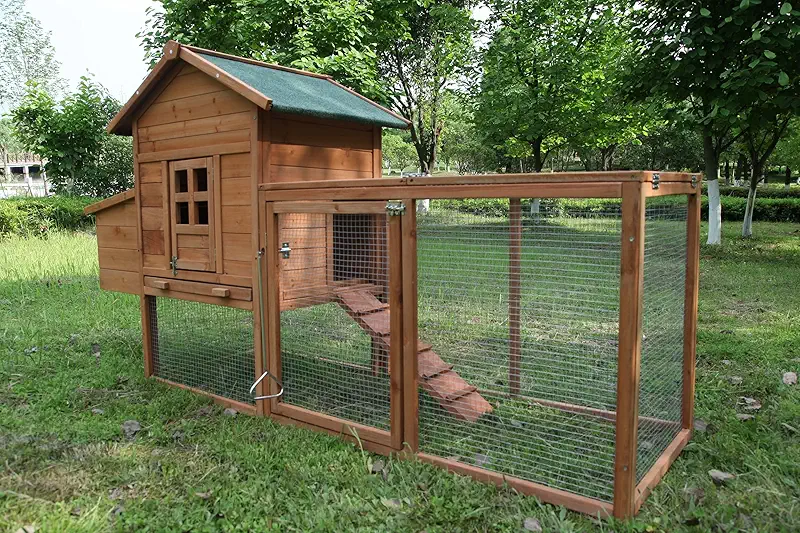
Why a good chicken coop cover really matters
Folks sometimes think hens are tough enough to handle anything. And sure, they’re hardy birds, but they pay the price for bad shelter in silence. They don’t whine. They just stop laying, catch a chill, or start fighting each other. When I finally paid attention to the roof and run covers, my egg basket got a whole lot heavier.
Here’s what a solid chicken coop cover does for you and your flock:
- Keeps rain and snow off their backs so they stay dry and healthy.
- Blocks harsh summer sun so hens don’t overheat and quit laying.
- Stops drafts and cold wind that cause stress and illness.
- Helps protect from hawks and owls that like easy meals.
- Gives your birds a sense of safety, so they’re calmer and more productive.
I still remember one January when I thought, “they’re birds, they’ll be fine,” and left the run half-covered with some worn-out plastic. We got freezing rain all night. Next morning, I had a bunch of soaked, miserable hens and egg production dropped for over a week. That was the last winter I tried to save money on covers.
Types of chicken coop cover and when to use each
There’s no one perfect cover for every yard or every season. Around here I mix and match. The trick is knowing what job you want that chicken coop cover to do: keep out rain, stop predators, block sun, or hold in warmth.
1. Heavy-duty tarp covers
This is where most folks start, and for good reason. A decent tarp, sized right and tied down well, will keep rain and snow off your hens. I like thicker tarps with reinforced edges and grommets that don’t tear out the first windy night.
Use a tarp-style chicken coop cover when:
- You need quick, flexible coverage over a run.
- You want to block rain and snow but still let air move from the sides.
- Your budget is tight but you still want something reliable.
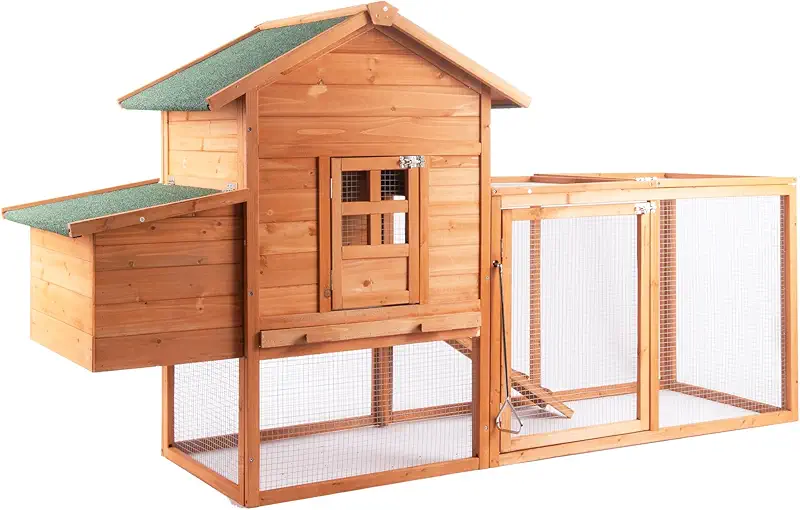
One year I tried those paper-thin blue tarps you can almost see through. They flapped, shredded, and ended up hanging in ribbons on the fence. The hens looked at me like, “Nice try, boss.” Since then, I stick with sturdier covers that can ride out a real storm.
2. UV-resistant shade covers
Summer heat is what really sneaks up on chickens. A roasting hen won’t lay, and heat stroke can kill a bird faster than frost. A good UV-resistant shade-style chicken coop cover over the run can drop the temperature several degrees and keep birds from panting and spreading their wings like broken umbrellas.
These work best when:
- Your summers are hot and sunny.
- Your run gets full or afternoon sun.
- You want shade but still need plenty of airflow.
3. Clear covers for winter light
In winter, hens need light to keep laying. If you cover everything with heavy, dark tarps, the coop can feel like a cave. Clear or translucent chicken coop cover materials let in daylight while blocking snow, drizzle, and wind. They’re great over part of the run so birds can still scratch around without standing in slush.

I’ve had my best winter laying when I used a combination: solid cover on the windward side, clear cover on the sunny side. The girls stayed dry, out of the drafts, and still got enough light to keep the egg cartons from going empty.
4. Predator-resistant panels and wire covers
Some folks forget that “cover” also means the roof of your run itself. Hawks don’t bother with doors; they come from above. A proper chicken coop cover over open-top runs can be strong mesh, panels, or wire that keeps those sky bandits out.
I’ve watched a hawk circle my covered run in pure frustration, then peel off and go look for somebody else’s chickens. That’s a good feeling.
Choosing the right chicken coop cover for your climate
Where you live makes a big difference in what kind of cover you need. My farm gets a little bit of everything: hot summers, cold winters, too much rain when I don’t need it, and wind that likes to test my patience. Over the years, I’ve learned to match covers to seasons like coats and hats.
Wet and rainy areas
If you get long stretches of rain, focus on waterproofing and slope. A chicken coop cover that lets water pool is just waiting to collapse and dump a cold shower on your birds. I like to give every cover at least a slight pitch so water runs right off.
- Choose waterproof material, not just “water-resistant.”
- Make sure the cover slopes so water can’t collect.
- Leave some open sides or vents for airflow, or you’ll get damp, moldy air.
Snowy and cold regions
Snow is heavy. I’ve seen a run roof sag overnight because I didn’t bother to clear it. In snowy country, your chicken coop cover needs to be strong enough or steep enough to shed that weight.

In the very cold months I like a cover that:
- Blocks wind on the north and west sides.
- Still lets stale air escape up high.
- Works with deep bedding inside the coop to hold warmth.
Remember, chickens handle cold better than damp. A dry coop with a decent chicken coop cover and no drafts at roost height keeps birds far healthier than a sealed-up, sweaty box.
Hot and sunny climates
If you live where summer feels like the inside of an oven, shade is your best friend. In that case, your main chicken coop cover priority is blocking direct sun while still letting hot air escape.
Things that help in real heat:
- Light-colored covers that reflect, not absorb, sun.
- Shade cloth or breathable covers over the run.
- Extra shade over waterers so the water stays cooler.

I’ve watched hens choose one small shady spot over a big open run just because that’s where the cover cast a shadow. Birds tell you what they like if you pay attention.
How to install a chicken coop cover that stays put
A loose cover is worse than none at all. Flapping tarps bang, scare birds, and wear out in a hurry. I learned that the hard way one October when my cover took off down the pasture like a red balloon, and I spent the evening chasing it instead of having supper.
Measure before you commit
Take a tape measure to your coop and run. Don’t eyeball it. A chicken coop cover that’s too small will stretch tight and rip, and one that’s way too big will catch the wind like a sail.
- Measure length, width, and how far you want the cover to hang over.
- Note where you can attach: posts, frame beams, or existing hardware.
Secure it low and often
A strong chicken coop cover setup doesn’t rely on just a couple of ropes. I like multiple attachment points, spread out evenly, and pulled snug but not so tight they tear the cover.
- Use bungee balls, zip ties, or rope to secure every side.
- Anchor to solid parts of the frame, not flimsy wire alone.
- Check tightness after the first windy day; things settle in.

Leave room to breathe
It’s tempting to wrap the whole coop like a Christmas present. Don’t. Chickens need fresh air more than they need a sealed shell. A smart chicken coop cover blocks rain and wind where it hits hardest, but still lets air move.
I like solid coverage on top, a good windbreak on the side that takes the brunt of storms, and then some open areas or vents under the eaves. That way the moist air from droppings and breathing can escape instead of turning into frost or mildew.
Day-to-day care and long-term use of your chicken coop cover
Just like boots and work gloves, a chicken coop cover lasts a whole lot longer if you take care of it. I’m not talking about pampering it like a show car—just a little common sense and regular checks.
Regular checks (takes five minutes)
- Walk around after a storm and look for sagging spots.
- Clear off heavy snow or pooling water.
- Check attachment points for rubbing or tearing.
Seasonal adjustments
Twice a year, I treat my coop like I treat the house: summer setup and winter setup. The same chicken coop cover can sometimes serve both with a few changes.
- In fall, tighten things up, add windbreak panels, and check for leaks.
- In spring, open up more for airflow and maybe swap to lighter shade covers.

How a good cover shows up in your egg basket
I can tell when I’ve done right by my hens just by looking at the egg count at the end of the week. A good chicken coop cover means:
- Birds go to roost dry and comfortable.
- Stress drops, so egg production stays steady.
- Less illness, because you’re not constantly fighting damp and drafts.
One of my neighbors used to complain every winter, “I guess hens just don’t lay in the cold.” Then we walked out to his coop and found drips over the roosts and a run that turned to slush after every snow. Once he upgraded his cover and blocked that north wind, he called me back saying, “Well, I’ll be… they actually laid all December.”
Simple checklist before choosing your chicken coop cover
Before you pick a cover, stand by your coop and look around like a hen would. Where does the weather come from? Where does the sun hit hardest? What could swoop down from the sky? A little thinking now saves a lot of headaches later.
Ask yourself these questions
- Do I need more rain protection, more shade, or both?
- How strong is the wind in my yard? Do I have shelter or open fields?
- What predators do I have: hawks, owls, raccoons, or just the neighbor’s dog?
- Do I want a cover I can move or one that stays up all year?
- Can I reach it easily to tighten, clean, or change it with the seasons?
When you can answer those questions, you’re ready to look over different chicken coop cover styles and match them to your birds, your climate, and your own patience for maintenance.

Chicken coop cover FAQ
They sure do, at least over part of it. Chickens can handle a light shower, but constant wet, hot sun, or heavy snow will wear them down. A chicken coop cover over the run gives them a dry, shaded place to scratch, even when the weather is ugly. It also helps keep hawks and owls from treating your yard like a drive-through.
“Best” depends on your weather. For heavy rain and snow, I like sturdy waterproof tarps or solid panels. For hot areas, shade cloth or UV-resistant covers work better so air can move. The key is to choose something strong enough not to tear, sized right, and easy for you to install and adjust. Most folks end up using more than one type over the year.
My rule is: at least half, and more if you can. I like to cover enough of the run so birds can eat, drink, and dust-bathe without getting soaked or scorched. In very wet or very snowy places, close to full coverage is nice. Just remember to leave enough ventilation so the air doesn’t go stale.
It can, if you pick the wrong material or block all the breeze. That’s why for summer I lean toward light-colored or breathable chicken coop covers instead of dark, heavy ones. Shade the run and the hottest sides of the coop, and make sure you’ve got vents up high so the hot air has somewhere to go. Done right, a cover actually keeps things cooler, not hotter.
That depends on the quality of the cover and how rough your weather is. Cheap thin tarps can fall apart in a single season. Heavier covers and panels can go several years with just minor touch-ups. I walk my coop every few weeks, and if I see frayed edges, cracking, or sagging that doesn’t fix with tightening, I know it’s time to look at fresh options.
If you’re anything like me, you’d rather spend time watching calm, content hens than fighting with flapping tarps in the dark. A good chicken coop cover is one of those quiet upgrades that pays you back every single day, in dry feathers, steady eggs, and fewer worries when the sky turns mean.
When you’re ready to look over different styles, sizes, and setups, take a slow, thoughtful look and picture your own yard and weather while you do it.
Show me every coop